Caetano Veloso
Caetano Veloso
1971
Ranking nas Listas
Por Que Esse Disco é Importante
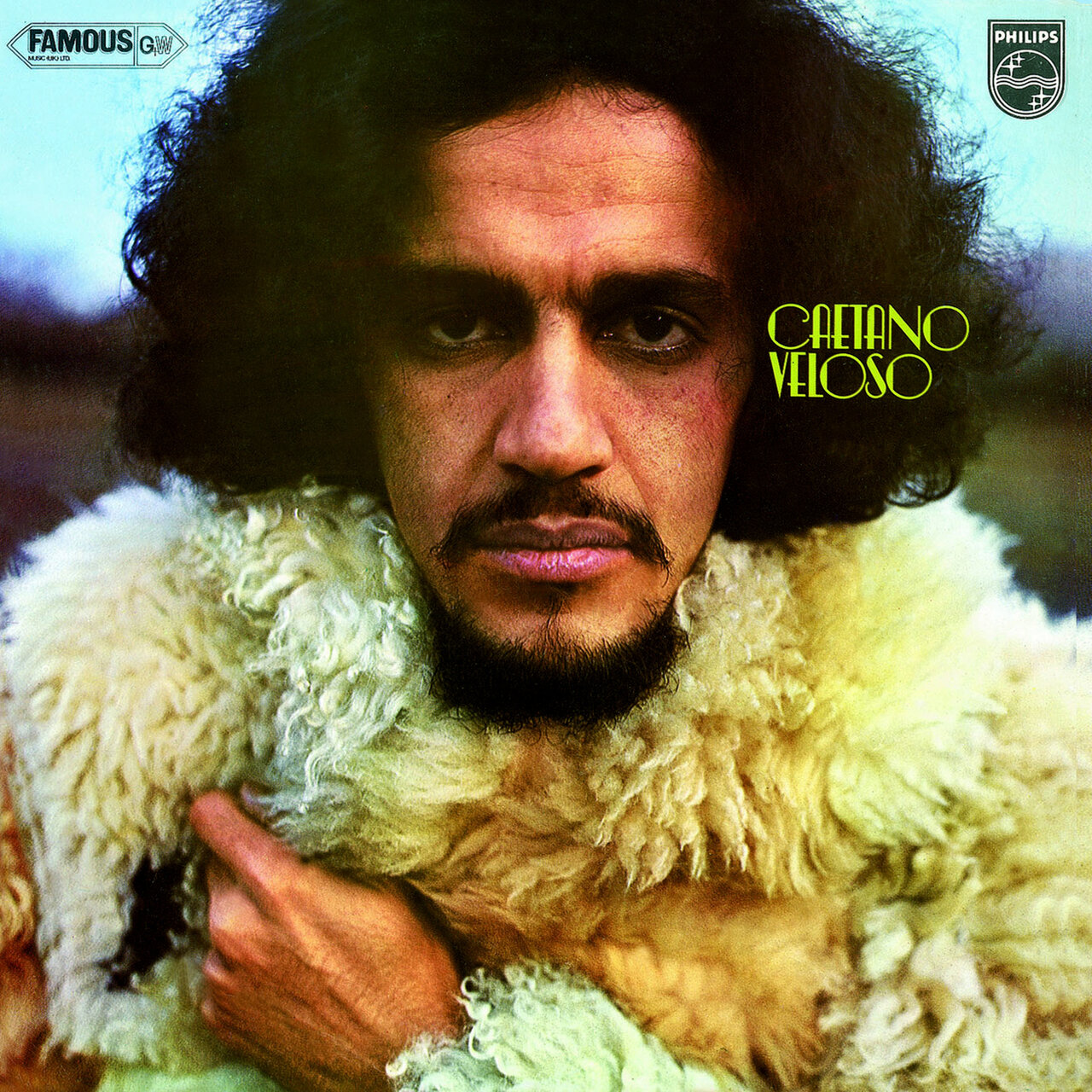
O álbum Caetano Veloso, lançado em 1971 pela Philips, representa um marco singular na discografia do artista. Sendo o seu terceiro trabalho solo, ele é um testemunho musical do período de exílio político de Caetano Veloso em Londres. Diferente da efervescência de seus discos anteriores, este álbum é permeado por uma melancolia profunda, refletindo a experiência de afastamento de sua terra natal. Distinto pela predominância de canções cantadas em inglês, o trabalho oferece uma janela para a alma do músico em um momento de introspecção e busca por novas formas de expressão. Sua atmosfera contemplativa e as letras, muitas vezes em outro idioma, marcam uma fase de reinvenção e sensibilidade artística.
Contexto
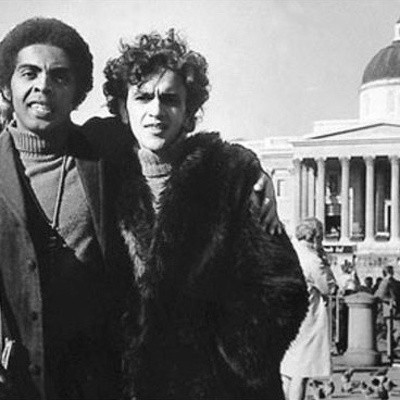
Entre 1969 e 1971, Caetano Veloso viveu em Chelsea, no coração de Londres, forçado ao exílio pela ditadura militar brasileira. Compartilhando residência com seu amigo e também exilado Gilberto Gil, suas esposas e seu gerente, o músico buscava um refúgio que também oferecesse um ambiente musical inspirador. Após descartar Lisboa, Madri e até Paris, esta última por sua cena musical tida como "entediante" por Gilberto, Londres foi escolhida como a cidade ideal para os artistas. O primeiro ano de exílio foi marcado por desânimo e intensa saudade do Brasil para Caetano, apesar de uma rica imersão no cenário musical londrino, que incluiu shows dos The Rolling Stones e o primeiro contato com o reggae. Neste período, o produtor Ralph Mace, recém-saído da Philips Records, propôs a Caetano a gravação de um disco em inglês. O projeto contou inicialmente com a colaboração de Lou Reizner, que, apesar de desentendimentos e sua saída posterior, manteve seu nome nos créditos finais do álbum.
Gravação
O álbum foi gravado em 1970 e marcou uma novidade significativa na carreira de Caetano Veloso: foi a primeira vez que ele tocou violão em um de seus discos, por incentivo do produtor Ralph Mace. Em trabalhos anteriores, os produtores não o autorizavam a executar o instrumento, levando o artista a refletir mais tarde que, sem o exílio, talvez nunca tivesse gravado tocando violão. Apesar de Caetano ter sugerido que Gilberto Gil tocasse violão após apresentar a faixa "London London" a Ralph, o produtor insistiu que a canção perderia seu encanto se não fosse tocada pelo próprio Caetano. O artista, embora inseguro quanto às suas habilidades, foi convencido por Ralph e Lou Reizner de que as imperfeições em sua técnica eram, na verdade, parte do "charme da música".
Músicas
O álbum apresenta uma maioria de canções interpretadas em inglês, uma particularidade que reflete o contexto de exílio de Caetano Veloso. Entre as faixas, "Maria Bethânia" destaca-se como uma homenagem à irmã do cantor, com letras que expressam um pedido de notícias do Brasil e um engenhoso jogo de palavras, transformando o termo anglófono "better" no segundo nome da irmã. A parte instrumental desta canção é enriquecida por improvisações do artista, acompanhado pelo mesmo quarteto de cordas que contribuiu para "Eleanor Rigby", dos Beatles. Outros momentos notáveis incluem a colaboração de Gilberto Gil na composição de "In the Hot Sun of a Christmas Day" e a interpretação de "Asa Branca", um clássico de Luiz Gonzaga e Humberto Teixeira, que se estende por mais de sete minutos e incorpora trechos de "Marinheiro Só" e "Quero Voltar pra Bahia".
Legado
Caetano Veloso de 1971 enfrentou a censura da ditadura militar brasileira, com a faixa de abertura "A Little More Blue" tendo parte de sua letra vetada devido à menção de "Libertad Lamarque", erroneamente interpretada pelos censores como uma alusão a "liberdade" e ao opositor Carlos Lamarca. A canção "London, London" alcançou grande repercussão, sendo regravada pela banda de rock RPM em 1986 no álbum Rádio Pirata ao Vivo. O jornalista Mauro Ferreira chegou a alegar que o sucesso "Che Sarà", de Jimmy Fontana, seria um plágio desta música. Em uma reflexão em 2010, Caetano Veloso descreveu o álbum como um "documento da depressão", mas também reconheceu que a experiência do exílio e a criação deste trabalho o ajudaram a se tornar um músico mais criativo e uma pessoa mais forte. Em 2021, para celebrar os 50 anos do disco, o artista revisitou "London, London" e outras faixas em uma apresentação ao vivo, enquanto o jornalista Mauro Ferreira, em uma análise sobre o cinquentenário do álbum, o aclamou como "a mais perfeita tradução da alma triste do artista no período do exílio".
Faixas
Créditos
Phil Ryan
Lou Reizner, Ralph Mace
John Iles, John Timperley
Linda Glover
Johnny Clamp
Podcasts
Brazuca Sounds · Leandro Vignoli
In episode #17 we tell the story behind Caetano Veloso and Gilberto Gil's self-titled albums released 50 years ago in 1971. Recorded at the same studio, with the same producer, for the same music label, both album covers were also made by the same photographer. Caetano and Gil were both living in Chelsea, London (UK) in exile following their prison by the military regime in Brazil. The nostalgia a
Vídeos
CAETANO VELOSO - TRANSA (1972) | ALBUM REVIEW
Vinilteca
"Tropicália 2" - Caetano Veloso & Gilberto Gil | Melhores discos dos anos 90 | Alta Fidelidade
Alta Fidelidade
O Melhor Disco de Caetano Veloso: o Álbum de 1971 Gravado no Exílio em Londres
Discos inteiros
Grandes Álbuns: Caetano Veloso (1971) ALBUM REVIEW (PT-BR)
O Audiófilo
CAVEIRA INDICA l Caetano Veloso Cinema Transcendental I ÁLBUM REVIEW
Bota O Disco Aí
TRANSA - Caetano Veloso (Análise da canção "You don't know me")
Professor Murilove
Filmes

Livros
Os 500 Maiores Álbuns Brasileiros de Todos os Tempos
Ricardo Alexandre · 2022
A maior eleição de música brasileira já feita: 162 especialistas, entre jornalistas, críticos, músicos, produtores e podcasters, indicaram, cada um, 50 discos essenciais, apoiados por uma masterlist de mais de 2.000 obras. Encabeçada por Ricardo Alexandre, com tabulação de Sérgio Jomori, foi publicada em dezembro de 2022 em um livro de 200 páginas em capa dura, com projeto gráfico de Fernando Pires.
Tropicalismo
Pedro Alexandre Sanches · 2000
Um estudo aprofundado e crítico sobre o movimento Tropicalista, suas ideias, artistas e o impacto na cultura brasileira. O livro de Pedro Alexandre Sanches é considerado uma obra de referência sobre o Tropicalismo, sendo essencial para entender o contexto em que Caetano Veloso produziu o álbum de 1971, gravado durante seu exílio e diretamente influenciado pelas ramificações do movimento.

Verdade tropical
Caetano Veloso · 1997
A autobiografia de Caetano Veloso, onde ele detalha o movimento Tropicália, sua prisão e exílio em Londres, e sua trajetória artística. É uma fonte primária fundamental para entender o contexto e as motivações por trás de sua obra, incluindo o álbum de 1971, gravado durante o exílio.
Análises
Caetano Veloso – Wikipedia
Wikipédia, a enciclopédia livre
Vinil Caetano Veloso - Álbum Clássico de 1971
discodelia.com.br
Adquira o álbum "Caetano Veloso" de 1971 em vinil. Um clássico da MPB com faixas icônicas. Não perca a oportunidade de tê-lo na sua coleção!
Álbum de Caetano Veloso em 1971 faz 50 anos como retrato ainda ... - G1
g1.globo.com
Golpes desse violão foram os motores do arranjo de A little more blue (Caetano Veloso, 1971), composição em que o artista já externou a tristeza d'alma na abertura do disco.
discografia - Caetano Veloso Oficial
caetanoveloso.com.br
Caetano Veloso - Londres 1971 ouça agora Barra 69 (Caetano Veloso e Gilberto Gil) 1972 ouça agora Transa 1972 ouça agora Caetano & Chico Juntos e Ao vivo (Caetano Veloso e Chico Buarque) 1972 ouça agora Araçá Azul 1973 Temporada de Verão (Caetano Veloso, Gal Costa e Gilberto Gil) 1974 ouça agora Joia 1975 ouça agora
Caetano Veloso "Caetano Veloso" (1971) - Gira-Discos
giradiscos.me
Entre 1968 e 1971 Caetano Veloso músico lançou três álbuns, todos eles bem diferentes entre si, com apenas o seu nome como título. Para que não haja dúvidas este é o disco de 1971 que muitas vezes é evocado pelo título da canção que abre o alinhamento: "London London".