Roberto Carlos
Roberto Carlos
1969

Ranking nas Listas
Por Que Esse Disco é Importante
O álbum Roberto Carlos de 1969 representa um marco fundamental na trajetória artística do 'Rei', consolidando sua transição de ídolo da Jovem Guarda para um cantor e compositor de maior profundidade e maturidade. Distinguindo-se de seus trabalhos anteriores, este disco é um primeiro mergulho real na sofisticação lírica e harmônica, um equilíbrio entre o pop romântico que já o consagrava e a expressividade da MPB. Neste trabalho, percebe-se uma rica tapeçaria de influências musicais, que vão do soul ao pop rock, passando pela valsa e elementos que flertam com o funk e o rhythm and blues, demonstrando a versatilidade de Roberto Carlos e sua capacidade de absorver e reinterpretar gêneros. O álbum não só presenteou o público com um de seus maiores sucessos, a icônica "As Curvas da Estrada de Santos", mas também delineou o caminho para a fase romântica que o consagraria definitivamente junto a um público mais adulto.
Contexto
Na virada da década de 1960, Roberto Carlos já era uma figura central no cenário musical brasileiro, reconhecido como um dos pilares do movimento Jovem Guarda, que popularizou o rock no país e inspirou filmes de sucesso. Contudo, o álbum de 1969 simboliza um ponto de inflexão decisivo em sua carreira, marcando o distanciamento do estilo 'iê-iê-iê' e a busca por uma sonoridade mais introspectiva e adulta. Este período de 1969 foi uma fase de efervescência cultural e incertezas políticas no Brasil, e a música de Roberto Carlos refletia uma nova postura. O Rei, que já havia estabelecido uma forte parceria com Erasmo Carlos, começava a direcionar sua arte para temas mais universais e sentimentais, redefinindo seu público-alvo e solidificando sua imagem como o grande cantor romântico do Brasil.
Gravação
O álbum Roberto Carlos (1969) foi gravado entre os meses de julho e outubro do mesmo ano, nos estúdios da gravadora CBS, local onde muitos de seus sucessos foram registrados. A produção ficou a cargo de Evandro Ribeiro, figura constante e influente nos primeiros trabalhos do cantor na gravadora. Durante as sessões de gravação, utilizou-se um sistema de três canais, que, embora ainda considerado um avanço tímido, permitiu experimentações importantes na sonoridade do disco, contribuindo para a coesão e elegância da obra final. Essa abordagem técnica auxiliou a moldar a diversidade de arranjos e influências que caracterizam o álbum, desde orquestrações a flertes com o soul e o rock.
Músicas
O álbum de 1969 é recheado de composições que se tornaram clássicos, muitas delas frutos da inspirada parceria com Erasmo Carlos. A canção "As Curvas da Estrada de Santos" é um dos maiores destaques, utilizando a famosa estrada como metáfora para os percursos emocionais da vida, especialmente após uma perda amorosa. "Sua Estupidez" é outra poderosa balada romântica coescrita com Erasmo Carlos, que rapidamente se tornou um sucesso e reforçou o novo direcionamento de Roberto. Ainda no álbum, encontra-se a primeira gravação de "Não Vou Ficar", uma composição de Tim Maia, que Roberto Carlos lançou antes mesmo de Tim Maia gravar sua própria versão, evidenciando o intercâmbio musical da época. A faixa "O Diamante Cor de Rosa" marca a estreia de Roberto Carlos em uma canção instrumental de sua carreira, sendo tema do filme homônimo que ele estrelou com Erasmo e Wanderléa, e onde o próprio Roberto executa o acompanhamento principal na gaita. Composições como "Nada Vai Me Convencer" ainda guardam resquícios da sonoridade da Jovem Guarda com uma pegada soul, enquanto "Oh! Meu Imenso Amor" surpreende com uma abordagem irônica e divertida do ritmo de valsa, demonstrando a versatilidade de Roberto em explorar diferentes estilos.
Legado
Com aproximadamente 400 mil cópias vendidas, o álbum Roberto Carlos de 1969 foi um sucesso comercial significativo, consolidando a importância da parceria entre Roberto e Erasmo Carlos e marcando um divisor de águas na carreira do cantor. O disco foi um passo fundamental para o Rei assumir definitivamente sua fase mais romântica, distanciando-se do rótulo exclusivo da Jovem Guarda. Considerado um "mergulho real na maturidade artística", o álbum pavimentou o caminho para a imagem de Roberto Carlos como o maior ícone da música romântica brasileira. A repercussão do disco, que incluiu o sucesso do filme "Roberto Carlos e o Diamante Cor-de-Rosa", cujo tema instrumental está presente no álbum, reafirmou sua posição como um artista de massa com crescente sofisticação musical. Sua influência se estendeu, enriquecendo o repertório da MPB e impactando outros gêneros e artistas nas décadas seguintes.
Faixas
Créditos
Armando Canuto
Podcasts
Bota O Disco Aí · Bota O Disco Ai
Sammyr Muradi e Caveira resgatam o primeiro episódio do Bota O Disco Aí, trazendo um Remake dele, falando mais a fundo sobre o álbum que tentava renovar a imagem do cantor Roberto Carlos, o vamos disco da Praia, lançado em 1969.Instagram:@botaodiscoai @eu_sou_a_caveira @muradisammyr#mpb #romantismo #robertocarlos #1969 #erasmocarlos #soul #tropicalia #jovemguarda 2019 #disco #vinil #re
Bota O Disco Aí · Bota O Disco Ai
No primeiro episódio do Bota O Disco Aí, a Caveira indica sozinha o 8° disco do Rei Roberto Carlos lançado em 1969, contando um pouco da historia por traz desse álbum e comentando faixa por faixa.Instagram:@botaodiscoai @eu_sou_a_caveira @muradisammyr#mpb #romantismo #robertocarlos #1969 #erasmocarlos #soul #tropicalia #jovemguarda 2019 #disco #vinil #reviewalbum #album #review #podcast #mus
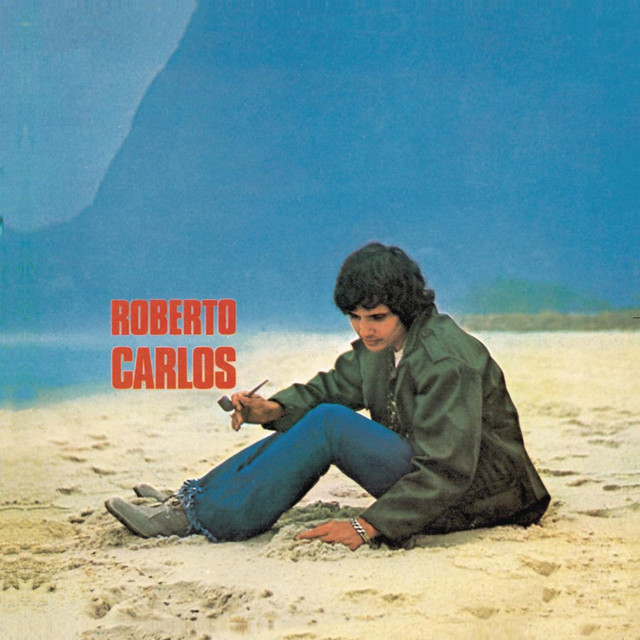
PodCália · Gigola
Abram o champanhe, coloquem roupas bonitas (menos as da cor marrom) e joguem fora as uvas-passas! O fim do ano chegou! E com ele, já sentimos aquele cheirinho de “Roberto Carlos”. Robertão está de volta ao PodCália para comemorar os 50 anos do seu especial na TV, e por isso, nosso podcast irá resenhar um dos mais icônicos da carreira do "Rei", o álbum de 1969. Nesse trabalho, Roberto Carlos con
Vídeos
10 Discos que Mostram Por Que Roberto Carlos É o Rei do Brasil
Vinilteca
ROBERTO CARLOS - O INIMITÁVEL (1968) | ALBUM REVIEW
Vinilteca
ROBERTO CARLOS 1971 | ALBUM REVIEW
Som de Peso
ANÁLISE DOS DISCOS DE ROBERTO CARLOS - 1969 - com DANIEL BUENO
Daniel Bueno Oficial
A história do disco Roberto Carlos 1969 - Bastidores e curiosidades
WendelMúsico
ROBERTO CARLOS - O DISCO DE 1969
Vinil Beer
Livros
Os 500 Maiores Álbuns Brasileiros de Todos os Tempos
Ricardo Alexandre · 2022
A maior eleição de música brasileira já feita: 162 especialistas, entre jornalistas, críticos, músicos, produtores e podcasters, indicaram, cada um, 50 discos essenciais, apoiados por uma masterlist de mais de 2.000 obras. Encabeçada por Ricardo Alexandre, com tabulação de Sérgio Jomori, foi publicada em dezembro de 2022 em um livro de 200 páginas em capa dura, com projeto gráfico de Fernando Pires.
Roberto Carlos outra vez: 1941-1970
Roberto Carlos outra vez: 1941-1970
Paulo Cesar de Araújo
Esta obra do renomado biógrafo Paulo Cesar de Araújo faz parte de um estudo aprofundado sobre a trajetória de Roberto Carlos, cobrindo o período de 1941 a 1970. Por abranger os anos da Jovem Guarda e o início de sua fase romântica, período no qual o álbum 'Roberto Carlos (1969)' foi lançado, é uma fonte essencial para entender o contexto e a produção musical do artista naquela época, com grande probabilidade de dedicar atenção significativa a este disco específico e seu lugar na discografia.
Análises
Roberto Carlos – Wikipedia
Wikipédia, a enciclopédia livre
Do rock ao soul: o álbum de 1969 que mudou Roberto Carlos para sempre
radios.ebc.com.br
Era hora de ser Roberto Carlos. O material apresenta as primeiras canções no estilo romântico que seria consagrado pelo artista na década seguinte, além de uma espécie de reconhecimento perante a MPB, que durante anos criticou duramente o movimento Jovem Guarda.

Roberto Carlos (CBS,1969), Roberto Carlos - discosessenciais.blogspot.com
discosessenciais.blogspot.com
O álbum Roberto Carlos, lançado em dezembro de 1969, não é só o nono disco de estúdio de sua carreira. É o seu primeiro mergulho real na maturidade artística, uma travessia do espelhado mundo iê-iê-iê da Jovem Guarda para um oceano mais introspectivo, sofisticado e dolorosamente humano.

MUSICA&SOM: Roberto Carlos (CBS,1969), Roberto Carlos
tabernanovostempos.blogspot.com
O álbumRoberto Carlos, lançado em dezembro de 1969, não é só o nono disco de estúdio de sua carreira. É o seu primeiro mergulho real na maturidade artística, uma travessia do espelhado mundo iê-iê-iê da Jovem Guarda para um oceano mais introspectivo, sofisticado e dolorosamente humano.
"Roberto Carlos" (1969), Roberto Carlos - A música de
amusicade.com
Sanches discute a melancolia do disco, associando-a ao pós AI-5 e à canção As Flores do Jardim da Nossa Casa, decisiva em sua interpretação. Composta pelo cantor quando o filho recém-nascido enfrentava problemas de visão, a música também carregaria tristeza coletiva, presente em todo LP.