O Dscos se baseia no cruzamento de dados que une a história da crítica musical, o rigor da pesquisa documental e a voz das comunidades globais.
Para isso, foram selecionadas seis fontes distintas que mapeiam os melhores álbuns da música brasileira. O ecossistema inclui as três listas mais emblemáticas do país: a revista MTV Brasil (2003), com sua curadoria jovem e visual dirigida por Mônica Figueiredo; a Rolling Stone Brasil (2007), marco crítico coordenado por Pablo Miyazawa em uma votação espontânea de 60 profissionais; e a Discoteca Básica (2022), a mais ambiciosa eleição já realizada no país, com 162 especialistas mapeando 500 álbuns sob a batuta de Ricardo Alexandre. Como contraponto técnico, somamos o livro dos 300 maiores discos, organizado por Charles Gavin. Por fim, para democratizar a análise e trazer uma perspectiva global e popular, integramos as duas maiores plataformas de ranqueamento do público: Rate Your Music e Best Ever Albums.
Ao cruzar essas seis fontes, eliminamos distorções e entregamos uma síntese robusta: o encontro definitivo entre a autoridade do crítico, o rigor do pesquisador e a paixão do público.
Crítica Especializada
Listas curadas por jornalistas, críticos e profissionais da indústria musical

MTV Brasil: Os 100 Melhores Discos Brasileiros
2003
100 álbuns
1954–2001
52 jornalistas, artistas e experts
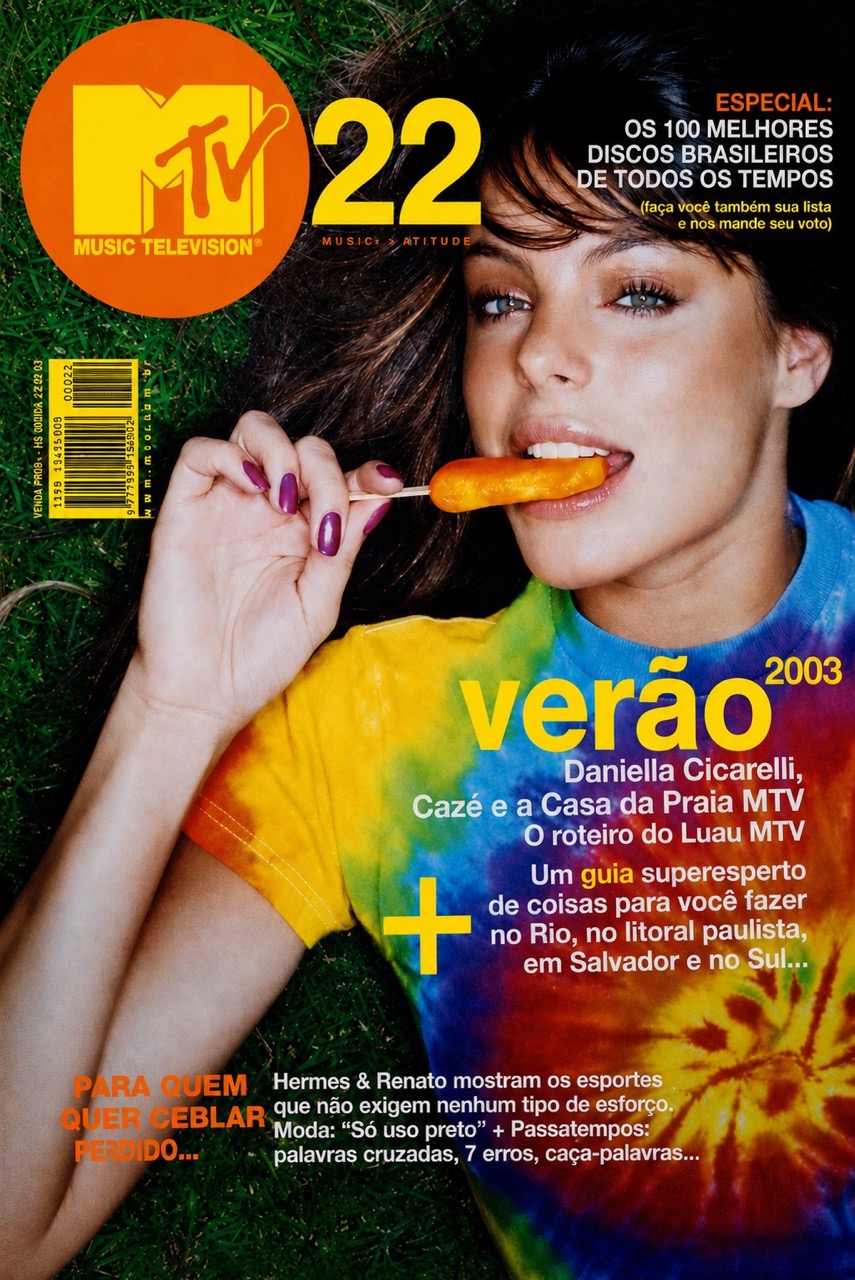
Em fevereiro de 2003, na edição 22 da revista MTV Brasil (com Daniela Cicarelli estampando a capa), foi publicada a lista dos 100 melhores discos brasileiros de todos os tempos. A revista era uma publicação customizada da Editora Abril, com equipe editorial próxima à emissora e dirigida por Mônica Figueiredo, uma das mais importantes jornalistas brasileiras do público jovem, ex-editora da revista Pop e responsável pela transformação da Capricho em fenômeno editorial nos anos 80.
Definida como "música com atitude", a MTV convocou 52 jornalistas, artistas e notáveis, que citaram um total de 552 obras. O grande diferencial foi editorial: os 10 discos mais bem colocados vieram com textos exclusivos escritos pelos próprios artistas, como Caetano Veloso sobre o Tropicália.
A revista chegaria a 1 milhão de exemplares em 2005 e seria descontinuada em novembro de 2007. A curadoria da geração MTV trouxe uma perspectiva jovem e visual que complementa as listas mais tradicionais da crítica especializada.
Colocou o lendário Tropicália ou Panis et Circenses (1968) no topo da lista, reafirmando o movimento tropicalista como marco fundador da música brasileira moderna.
Ver mais detalhes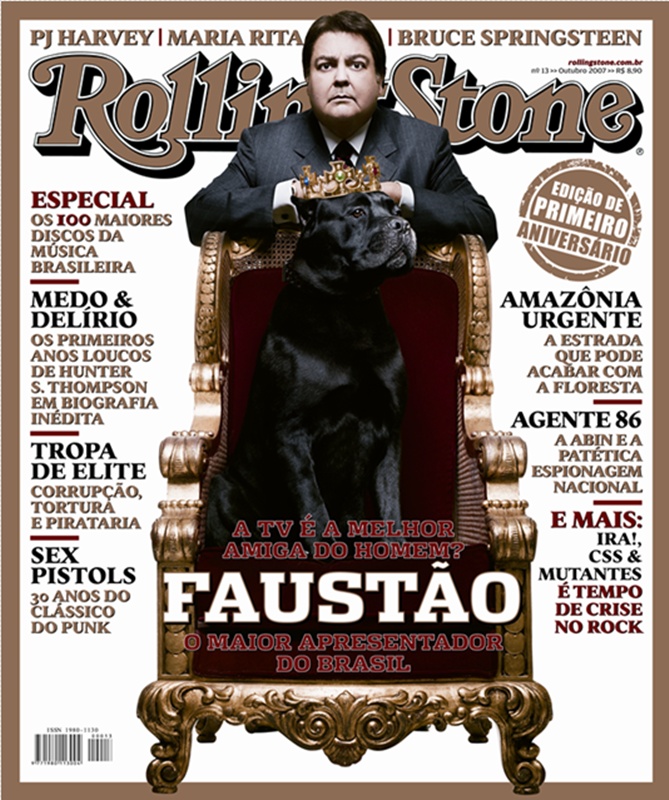
Rolling Stone Brasil: Os 100 Maiores Discos da Música Brasileira
2007
100 álbuns
1950–2003
60 profissionais
Lançada em outubro de 2006 pela editora paulista Spring, a Rolling Stone Brasil era dirigida por Ricardo França Cruz (vindo da revista MTV) e tinha Pablo Miyazawa como editor. A eleição dos maiores discos da música brasileira foi um dos destaques da edição de primeiro aniversário (edição nº 13, outubro de 2007, com Fausto Silva na capa), coordenada por Pablo Miyazawa e pelo jornalista Marcus Preto (produtor artístico de nomes como Gal Costa e Erasmo Carlos).
Os 60 eleitores, entre jornalistas, críticos, produtores, autores e estudiosos, misturavam gerações que vão dos anos 60 aos 80 e foram convidados a listar espontaneamente seus 20 discos brasileiros favoritos, sem qualquer masterlist orientadora. As 1.200 menções foram somadas e resultaram na lista dos 100 discos essenciais, com Acabou Chorare se destacando tanto entre os mais veteranos quanto entre os mais jovens.
Oficializou Acabou Chorare (1972), dos Novos Baianos, no topo do cânone brasileiro, refletindo o consenso da crítica sobre a era de ouro da música popular.
Ver mais detalhes
Charles Gavin: 300 Discos Importantes da Música Brasileira
2008
300 álbuns
1929–2007
Charles Gavin + Tárik de Souza, Carlos Calado e Arthur Dapieve
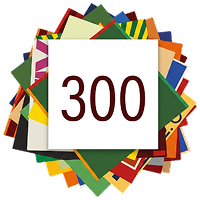
Idealizado pelo baterista dos Titãs e pesquisador musical Charles Gavin como desdobramento natural de seu projeto anterior sobre bossa nova, o livro nasce de uma missão declarada por ele: o resgate da memória cultural brasileira. Gavin é explícito na escolha da palavra "importantes" em vez de "melhores", por considerar "melhor" um julgamento subjetivo demais para ser afirmado com propriedade.
Ele convocou três amigos e colegas jornalistas para escrever os textos: Tárik de Souza (Jornal do Brasil, também parceiro no programa de TV O Som do Vinil), Arthur Dapieve (O Globo e professor da PUC) e Carlos Calado (Folha de S.Paulo). Completam a equipe três consultores dedicados a "entender de música brasileira como ninguém": Caetano Rodrigues (autoridade em bossa nova), Valdir Siqueira (colecionador de LPs e consultor) e Zeca Loro (criador do Loronix, um dos melhores blogs sobre música brasileira).
O livro tem 434 páginas no tamanho físico de um LP, cobre discos lançados entre 1929 e 2007, traz encartados dois CDs históricos (O Último Malandro, de Moreira da Silva, 1959, e Baterista: Wilson das Neves, de Elza Soares, 1968) e teve parte da receita doada ao Instituto Sou da Paz.
Não é um ranking ordenado, mas sim uma curadoria de excelência. Atua como um selo de qualidade no algoritmo: se um disco está nesta seleção, recebe um bônus de autoridade por sua relevância histórica comprovada.
Ver mais detalhes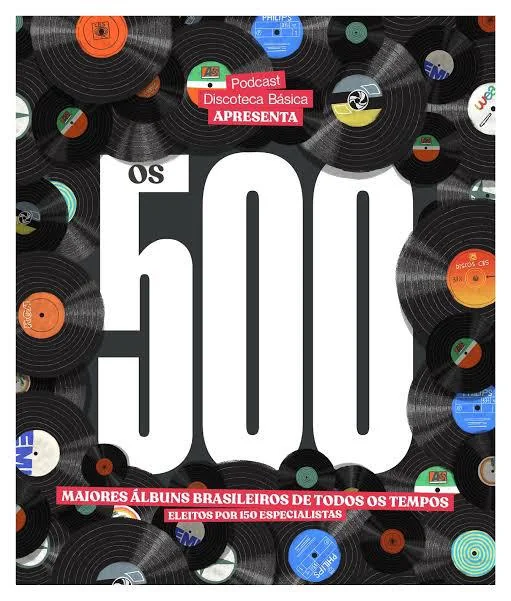
Discoteca Básica: Os 500 Maiores Álbuns Brasileiros de Todos os Tempos
2022
500 álbuns
1954–2020
162 especialistas
A motivação do projeto veio de uma lacuna histórica: entre a eleição da Rolling Stone Brasil (2007) e 2022 não houve nenhuma nova grande votação nacional, e as três anteriores tinham cortes editoriais específicos que deixavam obras importantes de fora. Para preencher esse vazio, o jornalista Ricardo Alexandre, criador e apresentador do podcast Discoteca Básica (à época o maior podcast de música do Brasil, com quase 1,5 milhão de downloads), reuniu 162 especialistas entre jornalistas, críticos, YouTubers, podcasters, músicos, produtores, engenheiros de som, radialistas e lojistas, como Nelson Motta, Jotabê Medeiros, Mauro Ferreira, Pupillo, Kassin, Leoni e André Abujamra.
Cada um indicou 50 álbuns, mais do que o dobro do padrão das eleições anteriores, apoiado por uma masterlist de mais de 2.000 discos citados em votações históricas. A tabulação e os desempates foram conduzidos pelo redator Sérgio Jomori, com produção de Guga Mafra, pelas produtoras Parasol Storytelling e Tudo Certo Conteúdo Editorial.
Financiado coletivamente via Catarse e publicado pela editora Jambô em dezembro de 2022, o livro tem 200 páginas em capa dura, com projeto gráfico de Fernando Pires (que integrou o time de arte da revista Bizz entre 2005 e 2007, quando Ricardo Alexandre dirigia a publicação). Além do ranking, o livro traz histórias por trás dos trabalhos, fotos raras e curiosidades, funcionando como guia tanto para colecionadores experientes quanto para quem está começando a montar sua discoteca.
Consagrou Clube da Esquina (1972) como o #1, consolidando-o como pilar absoluto da identidade sonora brasileira. Foi a maior e mais abrangente eleição já feita no país a respeito de LPs e CDs.
Ver mais detalhesComunidade Global
Plataformas colaborativas que refletem a percepção de ouvintes ao redor do mundo
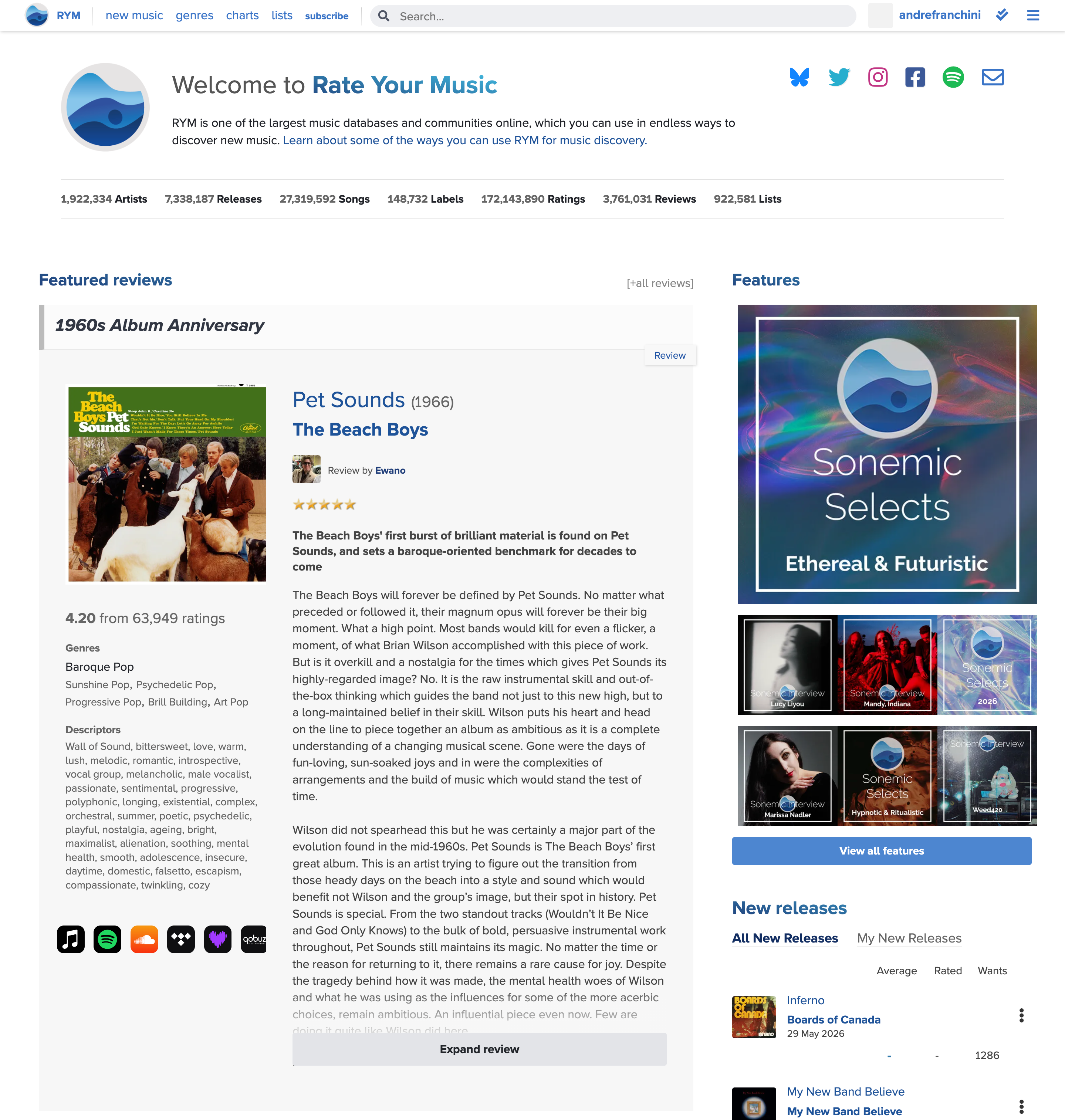

Rate Your Music (RYM)
2026
tempo real
Top 300 álbuns*
1954–2026
Comunidade global de ouvintes
* O ranking completo do RYM inclui milhares de discos brasileiros; o Dscos acompanha os 300 primeiros colocados.
Fundado em dezembro de 2000 por Hossein Sharifi (a plataforma também é conhecida como Sonemic), o Rate Your Music é o maior banco de dados musical colaborativo do mundo. Os usuários catalogam e avaliam álbuns de todos os gêneros e países, gerando rankings baseados em milhões de avaliações individuais.
A plataforma se destaca pela profundidade taxonômica, com milhares de gêneros e subgêneros mapeados, e por uma comunidade engajada que valoriza discos fora do mainstream. Para a música brasileira, o RYM funciona como um termômetro global: revela quais álbuns conquistaram status cult internacionalmente e quais continuam sendo descobertos por novas gerações de ouvintes ao redor do mundo.
O ranking é vivo e reflete o que as pessoas realmente ouvem e valorizam hoje, identificando clássicos que ganharam status cult internacionalmente.
Ver mais detalhes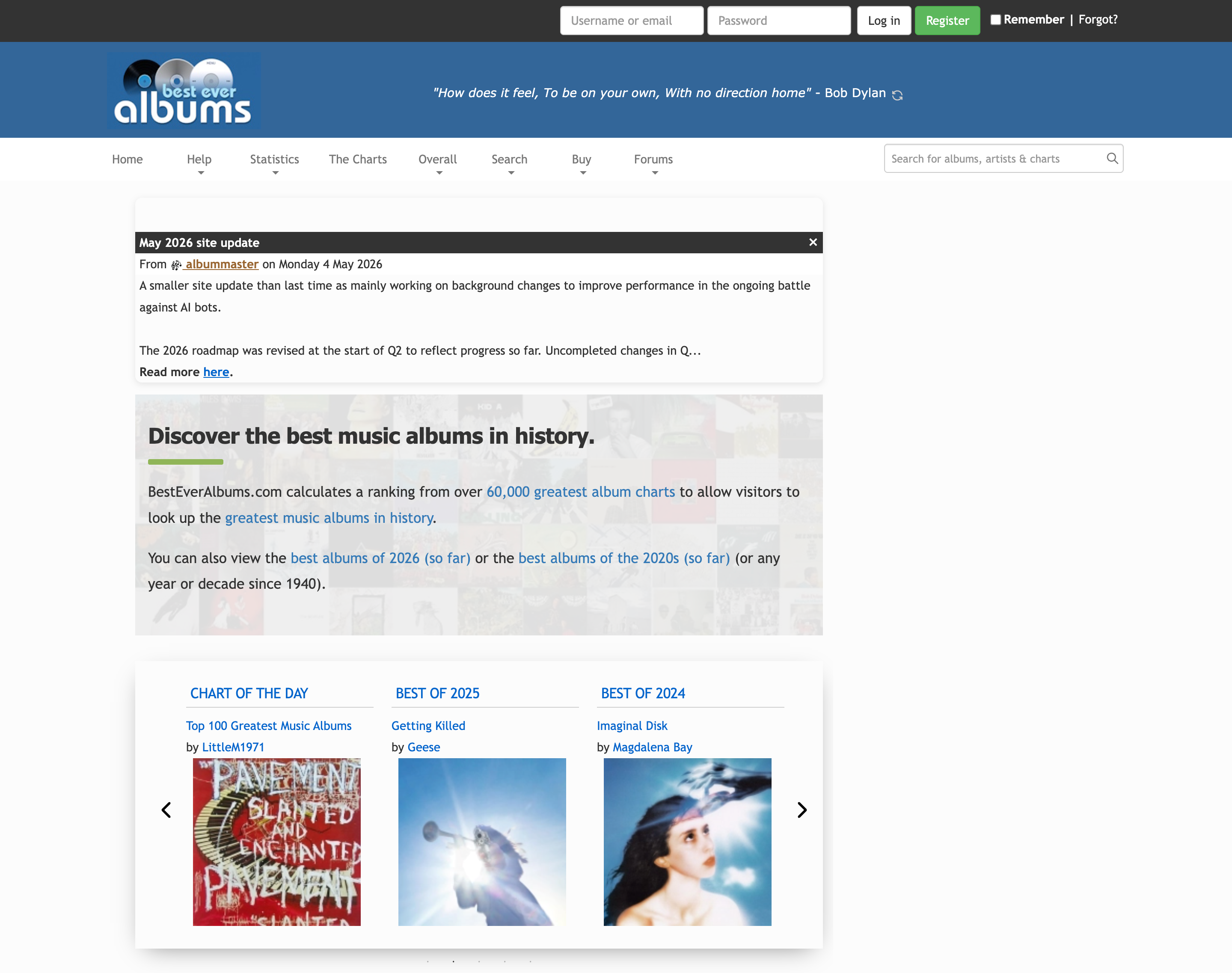

Best Ever Albums (BEA)
2026
tempo real
Top 300 álbuns*
1950–2025
Agregação de 60.000+ listas
* O ranking completo do BEA vai muito além de 300 discos brasileiros; o Dscos acompanha os 300 primeiros colocados.
Fundado em 2005, o BestEverAlbums.com agrega mais de 60.000 listas de melhores álbuns, provenientes de publicações especializadas, críticos e usuários, para calcular um ranking unificado. Sua comunidade soma mais de 50.000 membros, 10 milhões de avaliações e 300.000 álbuns catalogados.
A plataforma utiliza um sistema de rank score que pondera a posição de cada álbum em cada lista, sem penalizar listas menores. Os pontos decaem linearmente ao longo de 10 anos, garantindo que listas mais antigas tenham impacto reduzido e que o ranking reflita a percepção atual.
Para o Dscos, o BEA oferece a visão mais diversificada possível, cruzando dados de milhares de fontes globais para identificar consensos que transcendem fronteiras.
Compila paradas e listas críticas de diversas épocas para oferecer a perspectiva internacional mais abrangente sobre a percepção de cada obra.
Ver mais detalhes