Roberto Carlos
Roberto Carlos
1970

Ranking nas Listas
Por Que Esse Disco é Importante
O álbum Roberto Carlos de 1970 é um marco fundamental na discografia do Rei, consolidando sua transição de ídolo da Jovem Guarda para o grande artista romântico e versátil que se tornaria símbolo da MPB. Lançado pela Discos CBS, este trabalho não apenas dominou as paradas, mas também representou uma maturidade musical e temática, incorporando novas sonoridades que dialogavam com as tendências globais da época, como o soul e o funk. É um retrato de um artista em plena evolução, capaz de emocionar e inovar simultaneamente. Este LP é notável por sua diversidade estilística, mesclando baladas profundamente sentimentais com faixas vibrantes influenciadas pela música negra norte-americana. A sonoridade do álbum, com arranjos cuidadosamente elaborados e a inconfundível interpretação de Roberto Carlos, estabeleceu um padrão para a música popular brasileira, alcançando um público vastíssimo e preparando o terreno para a hegemonia que o cantor exerceria nas décadas seguintes. É uma obra que demonstra a capacidade de Roberto Carlos em se reinventar e ditar tendências, mantendo sua relevância no cenário musical.
Contexto
No final dos anos 1960 e início dos 1970, o Brasil vivia sob o regime da ditadura militar, um período de efervescência cultural e, ao mesmo tempo, de repressão. Roberto Carlos, que havia alcançado o estrelato com a Jovem Guarda, estava em um ponto crucial de sua carreira, buscando expandir sua paleta musical para além do rock'n'roll juvenil. A eclosão da black music nos Estados Unidos, com ícones como James Brown, e o sucesso de musicais com temática espiritual, como Hair e Jesus Cristo Superstar, influenciaram profundamente as direções artísticas da época, e Roberto Carlos demonstrou uma sensibilidade aguçada para absorver essas tendências em sua própria obra. Este período marcou o aprofundamento de Roberto Carlos em uma sonoridade mais sofisticada, com letras que exploravam temas como amor, espiritualidade e existencialismo. Sua trajetória pré-álbum já o consagrava como um dos maiores nomes da música brasileira, e a gravação deste disco reforçou seu status de artista completo, capaz de transitar entre diferentes gêneros e conquistar um público ainda mais amplo e diversificado, ao mesmo tempo em que afirmava sua identidade musical.
Gravação
A gravação de Roberto Carlos (1970) ocorreu em um período produtivo no estúdio da CBS, localizado no Rio de Janeiro. O álbum foi concebido utilizando a tecnologia de 4 canais, um avanço para a época, que permitiu uma maior profundidade e clareza sonora. Este LP detém o significado histórico de ser o último trabalho de Roberto Carlos a ser inteiramente gravado em solo brasileiro, pois, a partir do ano seguinte, o cantor optaria por gravar seus projetos nos Estados Unidos, marcando uma nova fase em sua produção musical. A produção do disco ficou a cargo de Evandro Ribeiro, com o acompanhamento instrumental de músicos talentosos das bandas RC 7 e Renato e Seus Blue Caps, além da participação do tecladista Lafayette e da Orquestra de Cordas e Metais CBS, sob a regência dos maestros Chiquinho de Morais e Alexandre Gnattali. As sessões de gravação ocorreram em datas distintas entre maio e novembro de 1970, com os técnicos Eugênio e Ademar à frente da mesa de som. A icônica capa do álbum, uma foto de Thereza Eugênia, foi capturada durante o show "Roberto Carlos a 200 Km Por Hora" no Canecão, onde o artista aparece brincando com um microfone importado Tin Prine, um momento que se tornou uma de suas marcas registradas.
Músicas
O repertório de Roberto Carlos (1970) é notável pela riqueza de suas composições e arranjos, que transitam por diferentes gêneros e emoções. O grande destaque do álbum é, sem dúvida, a canção "Jesus Cristo", um hino funk/gospel que quase ficou de fora do disco por dificuldades em encontrar um pianista que reproduzisse a sonoridade black desejada pelo artista. A solução veio com a indicação de Dom Salvador, que, com seu grupo Abolição, trouxe o toque perfeito, impulsionando a música para se tornar a terceira mais tocada nas rádios brasileiras naquele ano. A canção foi inspirada na popularidade da música negra norte-americana e em musicais da época, como Jesus Cristo Superstar. Outras faixas do álbum também se tornaram clássicos, demonstrando a versatilidade de Roberto Carlos. A balada soul "Ana", por exemplo, é uma homenagem lírica inspirada em Ana Paula Rossi, enteada do cantor. Já "Vista a Roupa Meu Bem" explora o ritmo charleston, com Roberto simulando um som fanhoso de gramofone, evocando a atmosfera da década de 1920. Um momento de profunda intimidade é a faixa "Meu Pequeno Cachoeiro", composta por Raul Sampaio, conterrâneo de Roberto Carlos, em homenagem à sua cidade natal, Cachoeiro de Itapemirim. O álbum ainda presenteia o público com "120...150...200 Km Por Hora", onde a temática da velocidade se entrelaça com a crise existencial provocada pela perda de um grande amor, revelando a profundidade lírica do disco.
Legado
Roberto Carlos (1970) não foi apenas um sucesso comercial estrondoso, mas também um álbum de significativa repercussão cultural no Brasil. Segundo o livro O Réu e o Rei, de Paulo Cesar de Araújo, o disco vendeu cerca de 520 mil cópias, consagrando-se como o mais vendido no país naquele ano. Esse feito comercial reafirmou a posição de Roberto Carlos como o artista mais popular do Brasil, estabelecendo um padrão para o sucesso de seus lançamentos anuais subsequentes. A canção "Jesus Cristo" transcendeu o sucesso imediato, tornando-se um dos maiores clássicos de seu repertório e um dos maiores sucessos de sua carreira, adotada por muitos como um verdadeiro hino de fé e esperança. A inovação de Roberto Carlos em incorporar elementos do funk e do gospel em sua música influenciou gerações de artistas e abriu caminhos para a experimentação de novos sons na MPB. O álbum solidificou a imagem de Roberto Carlos como um artista atemporal e de enorme impacto, cuja obra continuaria a ressoar com o público por décadas, marcando a história da música brasileira.
Faixas
Créditos
Armando Canuto
Thereza Eugenia
Podcasts
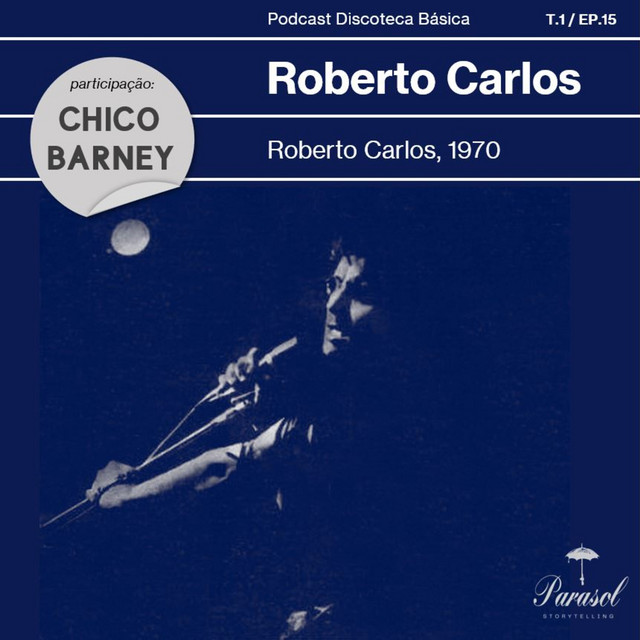
Discoteca Básica Podcast · Parasol Storytelling
UM PONTO FORA DA CURVA NA FASE MAIS CRIATIVA DE ROBERTO CARLOS. Convidado do episódio: Chico Barney. Tem mais conteúdo para assinantes do CLUBE DISCOTECA BÁSICA: Assina lá! https://podcastdiscotecabasica.com/assine/ Segundo o produtor deste álbum, o conceito era a “simplicidade”. Bom repertório para quem toca um instrumento. Aproveite os 10% de desconto no nosso link da MusicDot e toque também
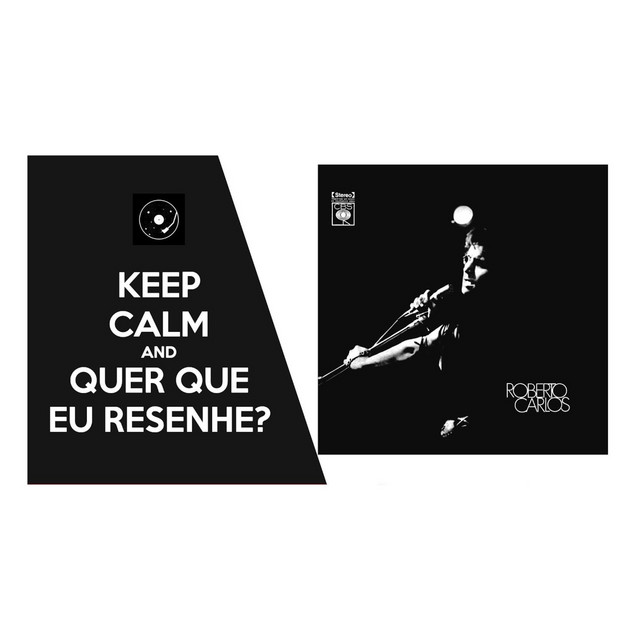
QUER QUE EU RESENHE? · André Marx
Em seu vídeo da semana, André Marx resenha um discaço meio esquecido de um dos maiores nomes de nossa música: Roberto Carlos, e seu álbum homônimo de 1970. Sejam bem-vind@s ao Canal/Podcast QUER QUE EU RESENHE? e esperamos que vocês gostem.
Vídeos
ANÁLISE DOS DISCOS DE ROBERTO CARLOS - LP 1970 (JESUS CRISTO/ANA) com DANIEL BUENO
Daniel Bueno Oficial
ROBERTO CARLOS-80 ANOS - ANA - 1970 - TODA MÚSICA TEM HISTÓRIA- - com DANIEL BUENO
Daniel Bueno Oficial
A História Real por Trás da Capa Clássica e a história do microfone de Roberto Carlos em 1970
Pitadas do Sal
conheça os discos de Roberto Carlos nos anos 70
João do VINIL
Roberto Carlos | A polêmica de “Jesus Cristo”: o lado que ninguém contou sobre a gravação de 1970
Pitadas do Sal
Livros
Análises
Roberto Carlos – Wikipedia
Wikipédia, a enciclopédia livre
Roberto Carlos é o décimo álbum de estúdio do cantor e compositor Roberto Carlos, lançado em dezembro de 1970 pela gravadora Discos CBS. Segundo Paulo Cesar de Araújo em seu livro O Réu e o Rei, vendeu em torno de 520 mil cópias, sendo o mais vendido naquele ano no Brasil. Seu maior destaque foi a faixa Jesus Cristo, mas outras como Ana, Vista a Roupa Meu Bem, Meu Pequeno Cachoeiro e 120...150...200 Km Por Hora também ficaram conhecidas do grande público. == Histórico == Gravado em 4 canais no
Roberto Carlos 1970: O Último Álbum com Influências de Soul e Black ...
blog.atomicpapers.com.br
Lançado em 1970, este LP de Roberto Carlos marcou sua última fase com influências de soul e black music. Conheça o contexto, as faixas e a importância do álbum.

"Roberto Carlos" (1970, CBS), Roberto Carlos
discosessenciais.blogspot.com
Com pouco mais de 520 mil cópias vendidas, o álbum Roberto Carlos de 1970 foi muito bem recebido pelo público e pela crítica. As faixas "Ana", "O Astronauta", "120... 150... 200 Km Por Hora" e, principalmente, "Jesus Cristo", se tornaram grandes sucessos radiofônicos.
T01E15: Roberto Carlos - Roberto Carlos (1970) - Discoteca Básica
podcastdiscotecabasica.com
Apesar dos hits "120, 150, 200 km/h", "Ana" e "Jesus Cristo", o álbum de 1970 de Roberto Carlos costuma ser considerado o mais excêntrico do período em que Roberto migrou do público jovem para o público adulto.

Roberto Carlos - Roberto Carlos (CBS, 1970)
musicaacima.blogspot.com
O álbum de 1970 é um caso a parte na discografia de Roberto Carlos. Possui um belo repertório, uma capa bonita mas peca pela sonoridade abafada, muitas vezes nivelada.