Tim Maia
Tim Maia
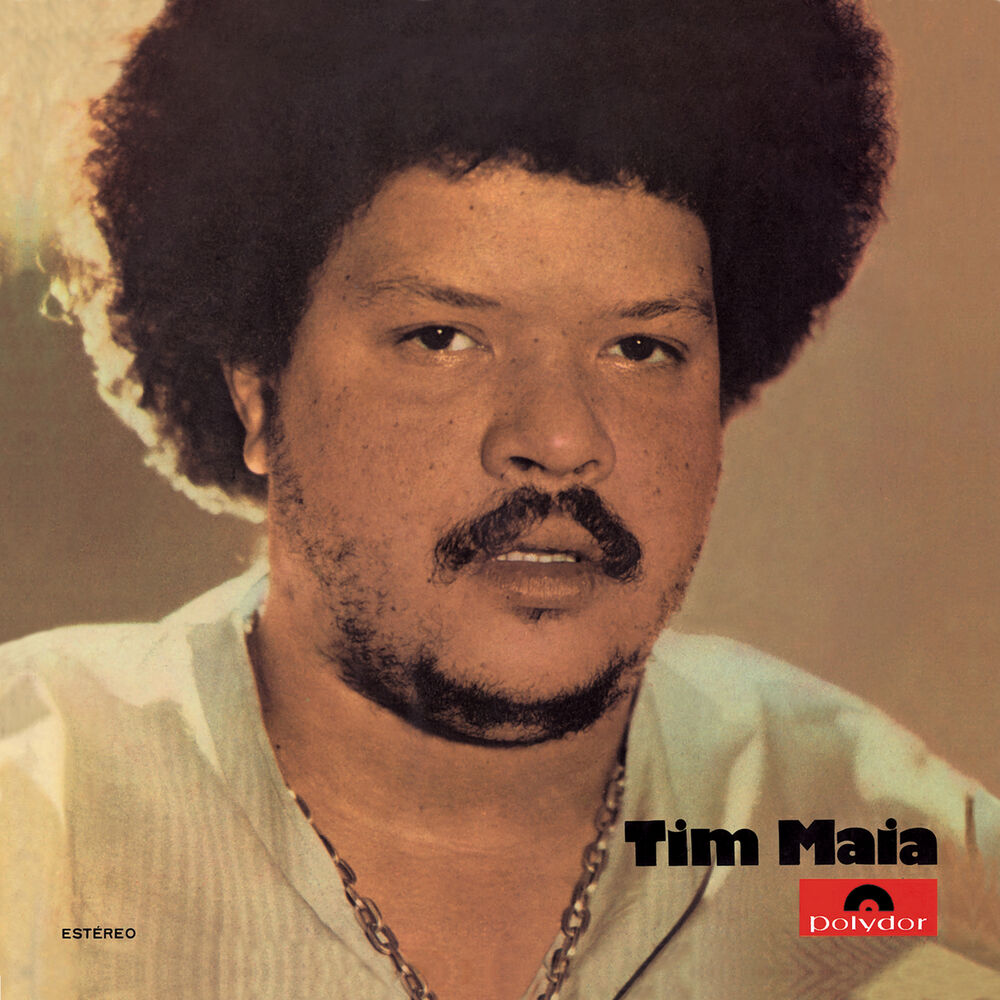
1971
Ranking nas Listas
Por Que Esse Disco é Importante
Tim Maia, o segundo álbum autointitulado do "Síndico" lançado em 1971, consolidou o artista como uma força inconfundível na música brasileira, refinando sua já potente fusão de soul, funk, R&B e MPB. O disco é um marco por sua sonoridade contagiante, cheia de balanço e emoção, que integrou influências da música negra americana com ritmos genuinamente brasileiros, como o baião e o samba. Com arranjos mais ricos e ritmos mais precisos, este trabalho apresenta a voz inconfundível e rasgada de Tim Maia, combinando intensidade emocional com uma energia voltada para a pista de dança. É um álbum que demonstra a maestria de Tim em criar uma identidade musical singular, que não era nem tropicalista, nem puramente MPB, nem rock, mas sim "quintessencialmente brasileira" e "Tim Maia".

Para Tim, não importava muito o gênero musical, uma vez que ele adaptava tudo para sua interpretação.
Antônio do Amaral Rocha · Rolling Stone Brasil
Contexto
Após o estrondoso sucesso de seu álbum de estreia em 1970, que vendeu mais de 200 mil cópias e rendeu a Tim Maia prêmios de artista revelação, o cantor carioca desfrutava de um prestígio sem precedentes em sua gravadora, a CBD-Philips. Essa posição lhe conferiu plena liberdade criativa para a gravação do seu segundo disco. Além disso, Tim Maia realizava shows com plateias lotadas e gozava de quase unanimidade entre a crítica especializada, estabelecendo-se rapidamente como uma das maiores estrelas da música brasileira.
Gravação
Aproveitando a liberdade artística conquistada, Tim Maia optou por gravar seu segundo álbum nos Estúdios Somil, em Botafogo, Rio de Janeiro, em vez dos estúdios de sua gravadora. A banda que o acompanhou manteve-se praticamente a mesma, com a notável mudança dos guitarristas: Cassiano foi substituído por Hyldon e Paulinho Guitarra, então jovens talentos com apenas 17 e 16 anos, respectivamente. A produção do álbum foi assinada pelo próprio Tim Maia, com direção de arte de Jairo Pires e a engenharia de som a cargo de Célio Martins, enquanto o corte de acetato foi realizado por Joaquim Silva. Além da banda principal, o conjunto As Gatas contribuiu com os vocais de apoio na faixa de maior sucesso do disco, adicionando uma camada extra de riqueza sonora.
Músicas
O álbum se destaca por uma "fusão ambiciosa e inovadora de gêneros", que misturava soul e funk com samba e baião, incorporando até "pitadas de jazz, psicodelia e rock". O Lado A abre com "A Festa do Santo Reis", de Márcio Leonardo, uma faixa que combina baião e soul, remetendo à sonoridade de "Coroné Antônio Bento" do disco anterior. O grande sucesso e motor de vendas do álbum foi "Não Quero Dinheiro (Só Quero Amar)", um samba-soul emblemático e considerado uma das maiores músicas de todos os tempos. Outro destaque é "Você", uma canção melancólica e grandiosa, já gravada por Eduardo Araújo. Tim também regravou outras composições suas que ganharam notoriedade na voz de outros artistas, como "Não Vou Ficar" (gravada por Roberto Carlos) e "Meu País", lançada em compacto pelo próprio Maia. Além disso, o disco surpreende com a inclusão de "Preciso Aprender a Ser Só", um clássico da bossa nova dos irmãos Marcos e Paulo Sérgio Valle, demonstrando suas raízes nesse estilo. O álbum também inovou ao apresentar faixas em inglês, como "I Don't Know What to Do with Myself", parceria de Maia com Hyldon, um samba-soul com letra internacional.
Legado
Lançado em 1971, o álbum foi um sucesso imediato, com "excelente vendagem" e "divulgação adequada", impulsionado pela crescente fama de Tim Maia. A crítica especializada elogiou extensivamente o trabalho, com Zé Rodrix da revista Rolling Stone destacando a "independência de Tim Maia, sua fusão de ritmos brasileiros com americanos" e a completude dos créditos. O disco lançou dois dos maiores sucessos do cantor, "Não Quero Dinheiro (Só Quero Amar)" e "Você", que se tornaram clássicos atemporais da música brasileira. Considerado um álbum inovador e de "gêneros múltiplos", ele foi aclamado pela crítica e obteve "sucesso comercial". Ao longo dos anos, a importância de Tim Maia (1971) foi ratificada. A versão brasileira da revista Rolling Stone o elegeu como o 25º melhor disco brasileiro de todos os tempos, uma posição ainda mais elevada que a inicialmente citada, que o colocava como o 75º. O álbum é visto como um marco que "mudou o jogo", introduzindo a música negra moderna dos EUA na música popular nacional, conectando funk e baião, aproximando o soul da bossa nova e abrindo caminhos para novas formas de música que eram "quintessencialmente brasileiras". A voz "grave e aveludada" de Tim Maia neste álbum, e em sua discografia como um todo, é creditada por "iniciar o movimento Black Rio" e dar voz à população negra no Brasil, influenciando gerações de artistas e gêneros como o baile funk e o hip-hop brasileiro.
Faixas
Créditos
Jairo Pires
Dinorah, Euridice, Graça Lami, Renata Lú, Zenilda
Peter
Tim Maia
Aurino Ferreira
Capacete
Alceu De Almeida Reis, Ana Bezerra De Mello Devos
Paulinho Braga
Paulinho Guitarra
Chacal
Hyldon
Zé Bodega
Silvio, Zeca Do Trombone
Darcy Da Cruz, Waldir De Barros
Pinduca
Murilo Da Silva Loures, Nelson De Macedo
Adolpho Pissarenko, Gentil Dias, Homero Gelmini, Marcello Pompeu Filho, Nathercia Teixeira, Octávio Miranda Ilha, Otávio Canabrava Waladares, Pesach Nisembau, Quinidio Faustino Teixera
Célio Martins
Joaquim Silva
Aldo Luiz
Fernando Bergamasche, José Melo
Podcasts
Vinilteca · José Ono Junior e Guilherme Colpani
Em 1971, Tim Maia já tinha caído nas graças da gravadora Philips devido às vendas do seu primeiro disco. Ele já era o rei da soul music brasileira e abalava as estruturas da MPB. Era chegada a hora dele lançar seu segundo disco. Com uma produção cheia de regalias e prestígio, vinha aí mais um enorme sucesso. A Vinilteca é um projeto que nasceu no YouTube em 2016 e migrou para o rádio e para o pod
Vídeos
Tim Maia - Tim Maia (1970) | ALBUM REVIEW
Som de Peso
Tim Maia (1970-1973) | Caravana do Delírio | Alta Fidelidade
Alta Fidelidade
"Tim Maia disco club" (Tim Maia) | SomDois | Alta Fidelidade
Alta Fidelidade
Tim Maia - Racional: o Melhor Disco com o pior Motivo - Análise do Álbum #3
Pensando Nisso.
Tim Maia - Documentário de 1987
Top de Música
Tim Maia - Tim Maia 1971 Album [Review]
Discomaníacos
Filmes

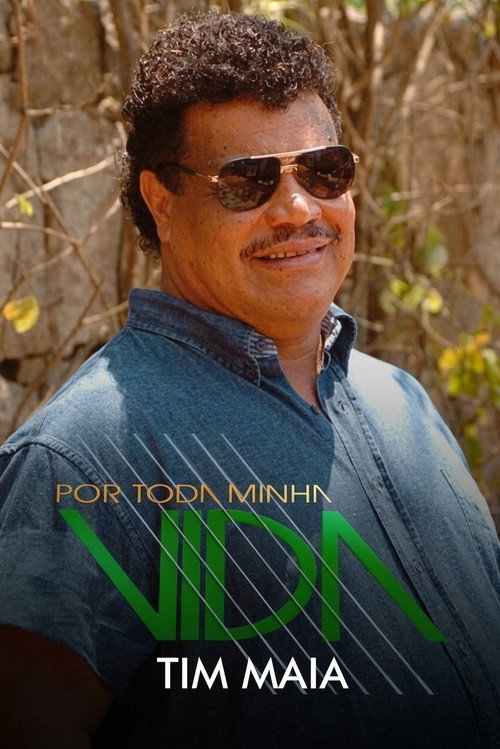
Por Toda Minha Vida - Tim Maia
2007
O especial mostra a história de Tim Maia desde a infância humilde, quando entregava marmitas na Tijuca, bairro da zona norte do Rio em que nasceu; até sua morte, em março de 1998.
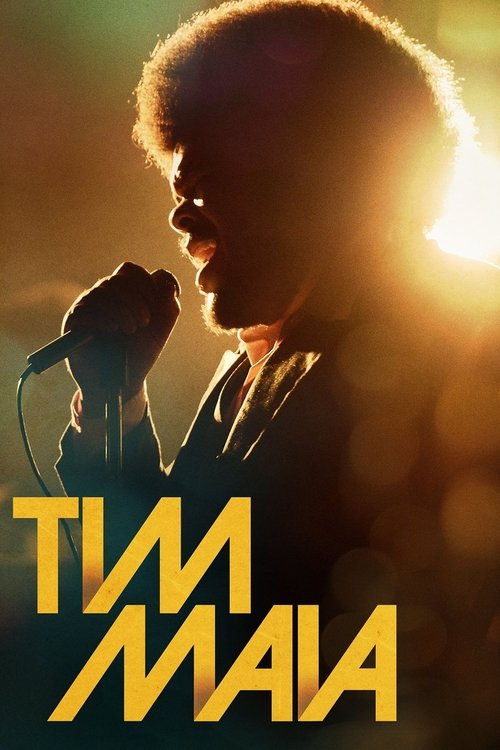
Tim Maia
2014
Cinebiografia do cantor Tim Maia, baseada no livro “Vale Tudo – O Som e a Fúria de Tim Maia”. O filme percorre cinquenta anos na vida do artista, desde a sua infância no Rio de Janeiro até a sua morte, aos 55 anos de idade, incluindo a passagem pelos Estados Unidos, onde o cantor descobre novos estilos musicais e é preso por roubo e posse de drogas.
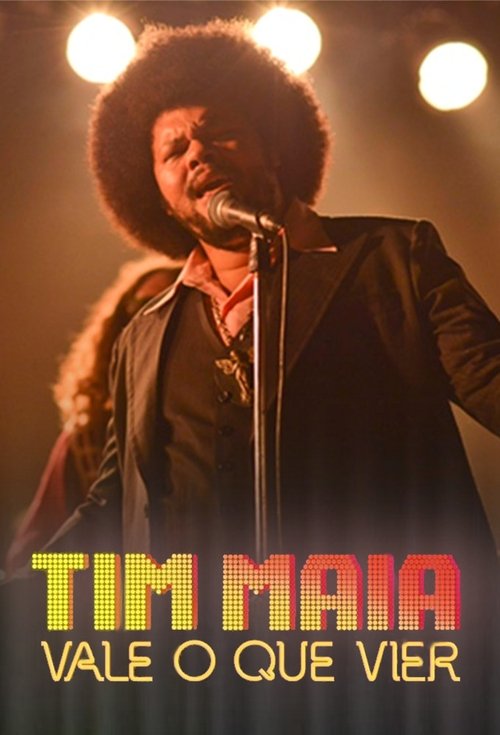
Tim Maia: Vale o Que Vier
2015
A trajetória de Tim Maia, desde a infância pobre até o auge da carreira, detalhando a vida desregrada e a personalidade forte do cantor, que morreu em 1998.
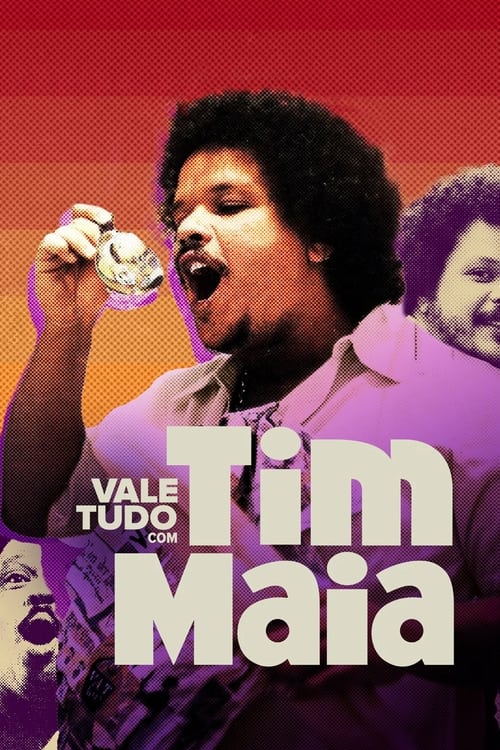
Vale Tudo com Tim Maia
2022
A série traz o próprio Tim Maia narrando sua história, a partir de entrevistas raras, muitas delas inéditas, shows exclusivos e filmagens caseiras.
Livros
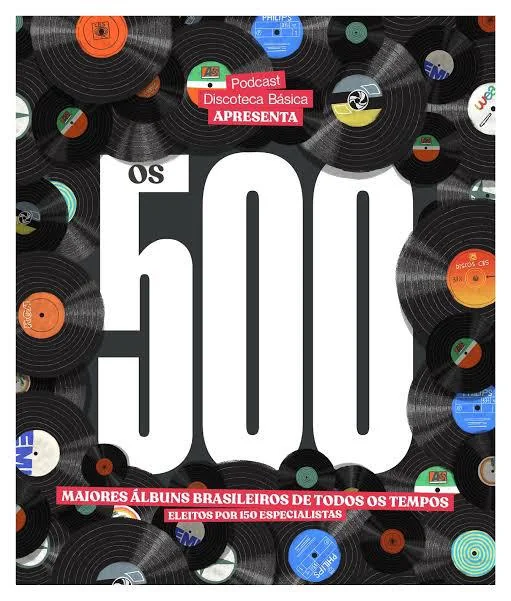
Os 500 Maiores Álbuns Brasileiros de Todos os Tempos
Ricardo Alexandre · 2022
A maior eleição de música brasileira já feita: 162 especialistas, entre jornalistas, críticos, músicos, produtores e podcasters, indicaram, cada um, 50 discos essenciais, apoiados por uma masterlist de mais de 2.000 obras. Encabeçada por Ricardo Alexandre, com tabulação de Sérgio Jomori, foi publicada em dezembro de 2022 em um livro de 200 páginas em capa dura, com projeto gráfico de Fernando Pires.

Vale Tudo - O Som e a Fúria de Tim Maia
Nelson Motta · 2006
Considerada a biografia definitiva de Tim Maia, escrita por seu amigo e jornalista Nelson Motta. O livro detalha a vida e a carreira do 'Síndico', desde sua infância no Rio de Janeiro, sua passagem pelos EUA, o retorno ao Brasil e o auge de sua fama, abordando sua vasta discografia e a personalidade complexa que o tornou um ícone da música brasileira. É fundamental para entender o contexto e a criação do álbum de 1971, que marcou um período crucial de sua carreira.
Análises
Tim Maia – Wikipedia
Wikipédia, a enciclopédia livre
Tim Maia – Os 100 Maiores Discos da Música Brasileira
Antônio do Amaral Rocha · Rolling Stone Brasil
Para Tim, não importava muito o gênero musical, uma vez que ele adaptava tudo para sua interpretação.

Tarati Taraguá: Disco de Tim Maia de 1971 - Resenha de Zé Rodrix ...
taratitaragua.blogspot.com
Em sua edição nº 3, que circulou em fevereiro de 1972, o jornal em sua seção de resenhas de discos traz uma crítica do antológico segundo disco de Tim Maia, lançado em 1971, e assinada pelo músico Zé Rodrix, que assina como José Rodrix.
"Tim Maia (1971)": Um dos mais icônicos discos de Tim Maia.
entreacordes.blog
Tim Maia simplesmente não errou nos anos 70, ele conseguiu enfileirar grandes trabalhos, com grandes composições e esse não foi diferente. É um dos discos para iniciar a jornada pela sua discografia e estamos muito orgulhosos em poder falar dele aqui!
TIM MAIA - TIM MAIA 1971 - Jardim Eletrico
ojardimeletrico.com
Este segundo LP de Tim mostra um compositor maduro e seguro em comparação ao primeiro disco. Com mais desenvoltura e com um time nota 10 ( Pinduca no vibrafone e Chacal na percussão, esse disco já nasce com nomes de peso).