Ao Vivo em Montreux
A Cor do Som
1979
Rankings
Why This Album Matters
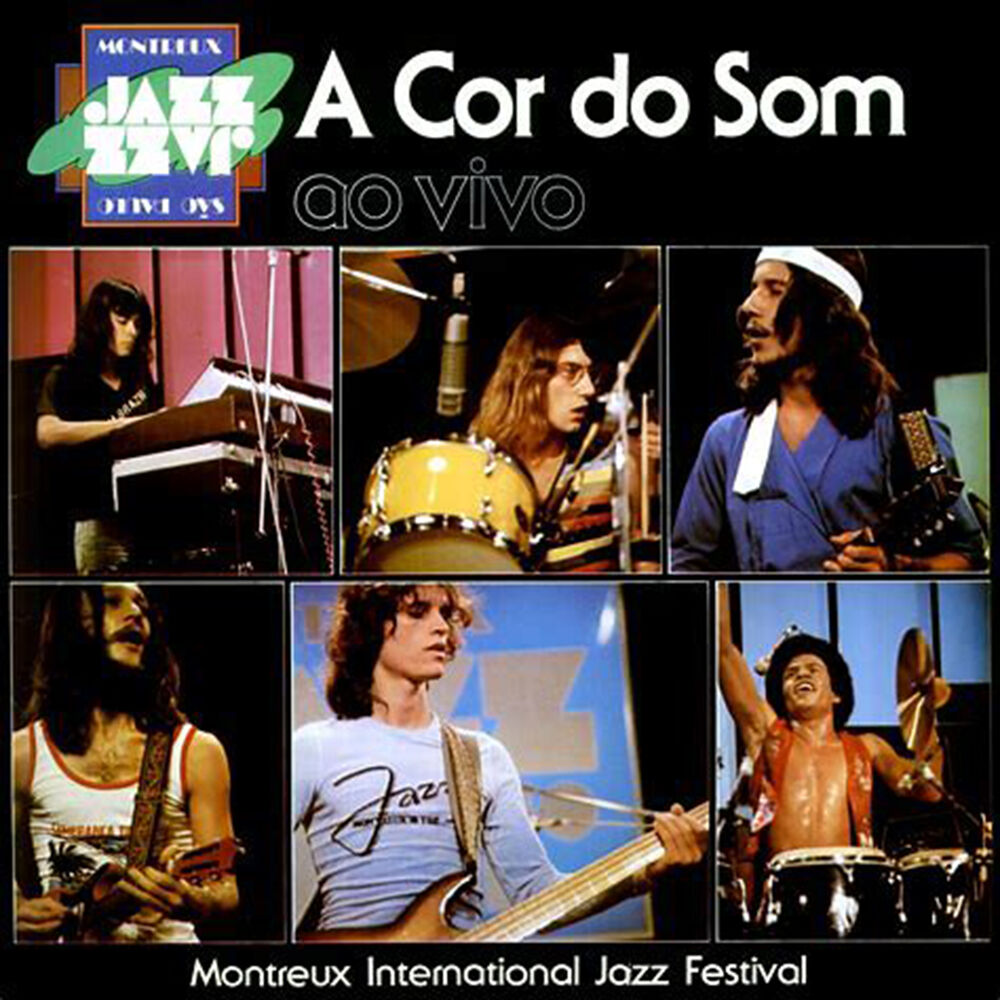
Ao Vivo em Montreux, the second album by A Cor do Som, released in 1978, marks a singular moment in the history of Brazilian music, recording the first show by a group from the country at the prestigious Montreux International Jazz Festival. This album is notable for its heightened virtuosity and for presenting almost entirely new material, consolidating the band's instrumental identity on an international stage. A distinctive characteristic of this work compared to its predecessor is the greater exploration of electric instruments and synthesizers, showcasing a bolder and more contemporary sound for the era. Examples of this can be heard in the version of "Espírito Infantil", which exemplifies the group's musical innovation and creativity.
Context
A Cor do Som's participation in the Montreux International Jazz Festival came after an invitation from the event's founder, Claude Nobs, who had the opportunity to meet the band at a party organised by the Warner record label. This invitation placed the group on a stage of international recognition, an unprecedented achievement for a Brazilian ensemble of its musical nature at the time.
Recording
The album Ao Vivo em Montreux is a recording of the band's show at the Montreux International Jazz Festival in 1978. The group presented an almost entirely new repertoire, marked by instrumental virtuosity. WEA record label's production recorded this historic performance.
Songs
The album's repertoire stands out for presenting almost entirely new material, reflecting the band's great creativity at the time. The sound is marked by a more intense use of electric instruments and synthesizers, as can be perceived in the version of the song "Espírito Infantil", which demonstrates the group's musical evolution and experimentation.
Legacy
Despite A Cor do Som's unquestionable musical quality and great creativity, Ao Vivo em Montreux, like its predecessor, faced low sales, which led the WEA record label to pressure the group to incorporate sung numbers into their performances. Although adopted with reluctance on the subsequent album, Frutificar, this new formula propelled the ensemble to significant commercial success in the late 1970s and throughout the 1980s. Notwithstanding the initial sales, Ao Vivo em Montreux is widely considered by many critics to be one of the most important post-Tropicalist albums in Brazil and by the band itself, recognising its artistic value and its contribution to Brazilian instrumental music.
Tracks
Credits
Charles Gavin
Charles Gavin
Gian Uccello
Guilherme Calicchio
Charles Gavin, Ricardo Garcia
Sergio Chataignier
Cilene Roso
Charles Gavin, NewXtension Design
Silvia Panella
Marcelo Fróes
Books
Meu caminho é chão e céu
Dadi · 2015
Dadi, one of A Cor do Som's founding members and one of MPB's most acclaimed instrumentalists, reveals his memories with sensitivity and sincerity, from joining Novos Baianos (the group that originated A Cor do Som) to his solo career. This book is crucial for understanding the context and musical trajectory of one of A Cor do Som's pillars, offering insights into the conception of anthological albums, which would be directly relevant to the album 'Ao Vivo em Montreux'.
HERÓIS DA GUITARRA BRASILEIRA
Leandro Souto Maior , Ricardo Schott · 2014
Based on unreleased interviews and testimonies, this book draws seductive biographical profiles of the greatest Brazilian guitarists. Given the presence of Robertinho do Recife and Armandinho in A Cor do Som and the prominence of their guitars on the album 'Ao Vivo em Montreux', this book offers an in-depth analysis of their contributions and styles, being highly relevant for anyone studying the band's instrumental work.
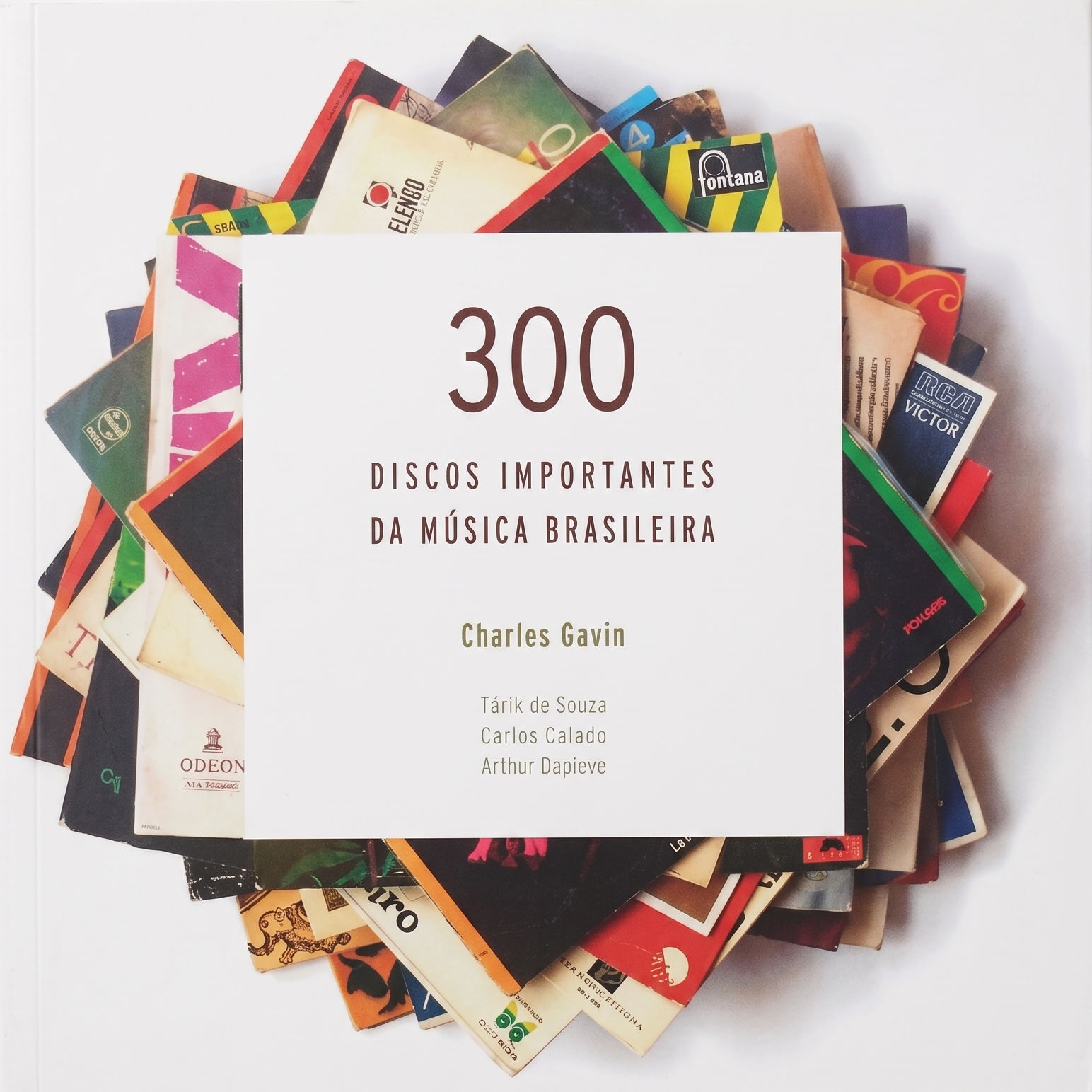
300 Discos Importantes da Música Brasileira
Charles Gavin, Tárik de Souza, Carlos Calado, Arthur Dapieve · 2008
Conceived by Titãs drummer and musical researcher Charles Gavin, the 434-page book brings together covers and reviews of albums released between 1929 and 2007. The texts were written by journalists Tárik de Souza, Arthur Dapieve and Carlos Calado.
Analyses
Ao Vivo em Montreux – Wikipedia
Wikipedia, the free encyclopaedia

A Cor do Som ao vivo no Montreux International Jazz Festival - Brasil
radiosalone.blogspot.com
This post-movement is the second group of A Color discs Sound was released in 1978. The band, based in Rio de Janeiro, Brazil was the first group to be invited to play at the jazz festival in Montreux, Switzerland. With an exaggerated virtuosity, the group presented almost all the unpublished material.

A Cor do Som - Ao Vivo, Montreux International Jazz Festival (1979)
loronix.blogspot.com
A Cor do Som - Ao Vivo, Montreux International Jazz Festival (1979) Hello, Good Evening! I want to start the day with something new and really unique, which is the legendary and pioneer instrumental / vocal band A Cor do Som. How many friends who live outside Brazil had the chance to hear or even know the existence of this group? Probably less than a half by this parrot estimates, actually ...
A Cor do Som - Frutificar + Live at Montreaux (1979) - Paperblog
es.paperblog.com
Nevertheless, "Ao Vivo Em Montreux" is considered by many critics to be one of Brazil's most important post-Tropicalista albums.

MUSICA&SOM: A Cor Do Som - Ao Vivo - Montreux International Jazz ...
tabernanovostempos.blogspot.com
A Cor Do Som - Ao Vivo - Montreux International Jazz Festival (1978) Released in 1978, A Cor do Som Ao Vivo no Montreux International Jazz Festival is the recording of the first show by a Brazilian band at the legendary Swiss festival.