Adoniran Barbosa (1975)
Adoniran Barbosa
1975
Why This Album Matters
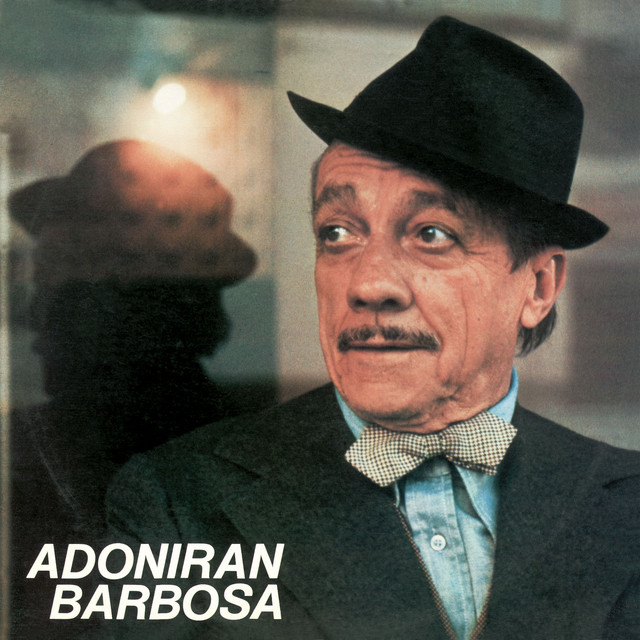
The album Adoniran Barbosa, released in 1975, is a seminal work that encapsulates the genius of one of São Paulo's greatest musical chroniclers. It stands out as an essential record of São Paulo samba, presenting the unmistakable voice and poetic universe of Adoniran Barbosa, who with his singular writing and characteristic pronunciation, brought to life characters and scenarios that became icons of Brazilian culture. This work is the synthesis of a career dedicated to narrating, with humour and melancholy, the daily life of a constantly transforming metropolis. More than just a samba album, it is a sonic document of the 'Paulistano' soul, revealing an artist who, like few others, knew how to translate into melody and verse the particularities of a people and an era. The authenticity of his compositions and the way Adoniran interpreted them, with a sophisticated simplicity, lend the album immense cultural value, inviting the listener to a deep dive into the stories of love, loss, and hope of São Paulo's inhabitants.
Context
In the mid-1970s, Adoniran Barbosa was already a respected figure in Brazilian music, with a long career that included stints on radio and numerous compositions recorded by other artists. However, this 1975 album emerged as a moment of consecration, where he himself definitively interprets many of his classics. The album's production was an opportunity for the wider public to revisit or thoroughly discover the work of a composer who, despite his relevance, was often perceived as a niche artist or radio personality. The Brazilian music scene at the time was effervescent, with MPB experimenting with various fusions and bossa nova already consolidated. Adoniran, however, remained faithful to his samba roots, offering a genuine and timeless counterpoint to the trends of the time, reaffirming the strength of traditional samba and its ability to engage with the deepest emotions of urban life.
Recording
The recording of the album Adoniran Barbosa in 1975 was an effort to gather and cohesively present the composer's vast body of work. Produced by Romeu de Campos, the album featured arrangements that skillfully modernised the classics without altering the essence of Adoniran's samba. The traditional samba instrumentation, with cavaquinho, acoustic guitar, and percussion, was carefully balanced to highlight the artist's voice and narrative. The recording process sought to capture the spontaneity and authenticity that were Adoniran's hallmarks, allowing his vocal performance and unique interpretations to shine. The technical quality of the production ensured that the nuances of his lyrics and melodies were clearly transmitted, making the album a benchmark for the recording of authentic samba.
Songs
The songs on the album Adoniran Barbosa are true chronicles of a transforming São Paulo, with lyrics brimming with poetry and an often bittersweet humour. Iconic tracks such as 'Trem das Onze', 'Saudosa Maloca' and 'Tiro ao Álvaro' are examples of Adoniran's ability to create engaging narratives, full of striking characters and everyday situations. He used colloquial language and a 'Paulistano accent' in his lyrics, which lent an unparalleled authenticity to his compositions. Other songs such as 'Iracema' and 'Apaga o Fogo, Mané' demonstrate his versatility in addressing themes such as loss and bohemia with equal mastery. Adoniran's lyrics are a study in social observation and the art of storytelling, with a discreet melancholy permeating the joy and 'malandragem' typical of samba. His ability to portray the human condition through small scenes of urban life is one of the great pillars of this album.
Legacy
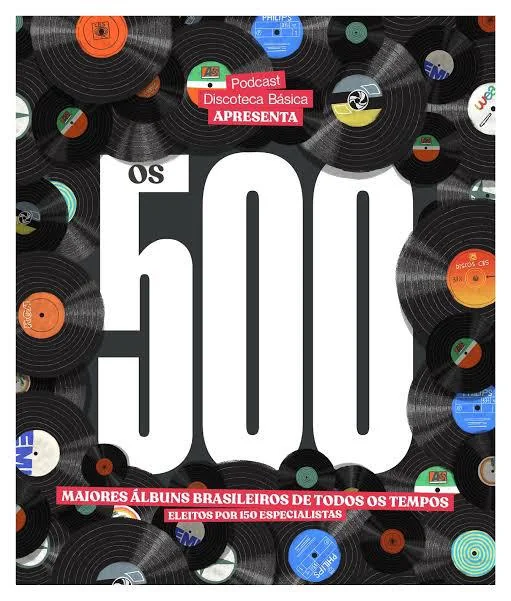
The 1975 album Adoniran Barbosa was met with immediate critical acclaim, solidifying Adoniran's status as one of Brazilian music's greatest composers and interpreters. Considered one of the 100 greatest albums of Brazilian music by various publications and specialist critics, its importance extended beyond its time, influencing generations of sambistas and MPB artists who found in his work an example of originality and cultural engagement. The songs on this album became anthems of São Paulo and Brazilian popular culture, being re-recorded by countless artists and remaining present in the collective imagination to this day. The album's success propelled the definitive recognition of Adoniran Barbosa, who became a symbol of authenticity and a master in the art of storytelling through samba, leaving an immortal legacy that resonates even today.
Rankings
Tracks
Credits
José Briamonte
J.C. Botezelli
Zilmar De Araujo
Zilmar De Araujo
José M. De Barros
Antonio Cândido
Carlos Duttweller
Films


Books
Analyses
Aquela Musica Apresenta "Adoniran Barbosa - 1975"
aquelamusica.com
Lançado em 1975 pelo Odeon, com produção de J. C. Botezeli (Pelão), este " Adoniran Barbosa " trouxe músicas que já eram sucessos do artista como "Malvina", "Samba do Arnesto" e "Joga a Chave", por exemplo.
Discografia :: Adoniran Barbosa
adoniranbarbosa.webnode.com.br
• Aqui Gerarda !/Juro, amor ! [s/d] CEME 78 • Adoniram Barbosa (1975) Odeon LP • Adoniram Barbosa (1980) EMI-Odeon LP • Adoniram Barbosa-documento inédito (1984) Eldorado LP • Adoniram Barbosa e convidados (1993) EMI CD • Adoniram Barbosa (1996) Editora Globo CD • Meus Momentos. Adoniran Barbosa (1999) EMI CD
Discogs

Adoniran Barbosa (1975) – Discogs
discogs.com