Maré
Adriana Calcanhotto
2008
Rankings
Why This Album Matters
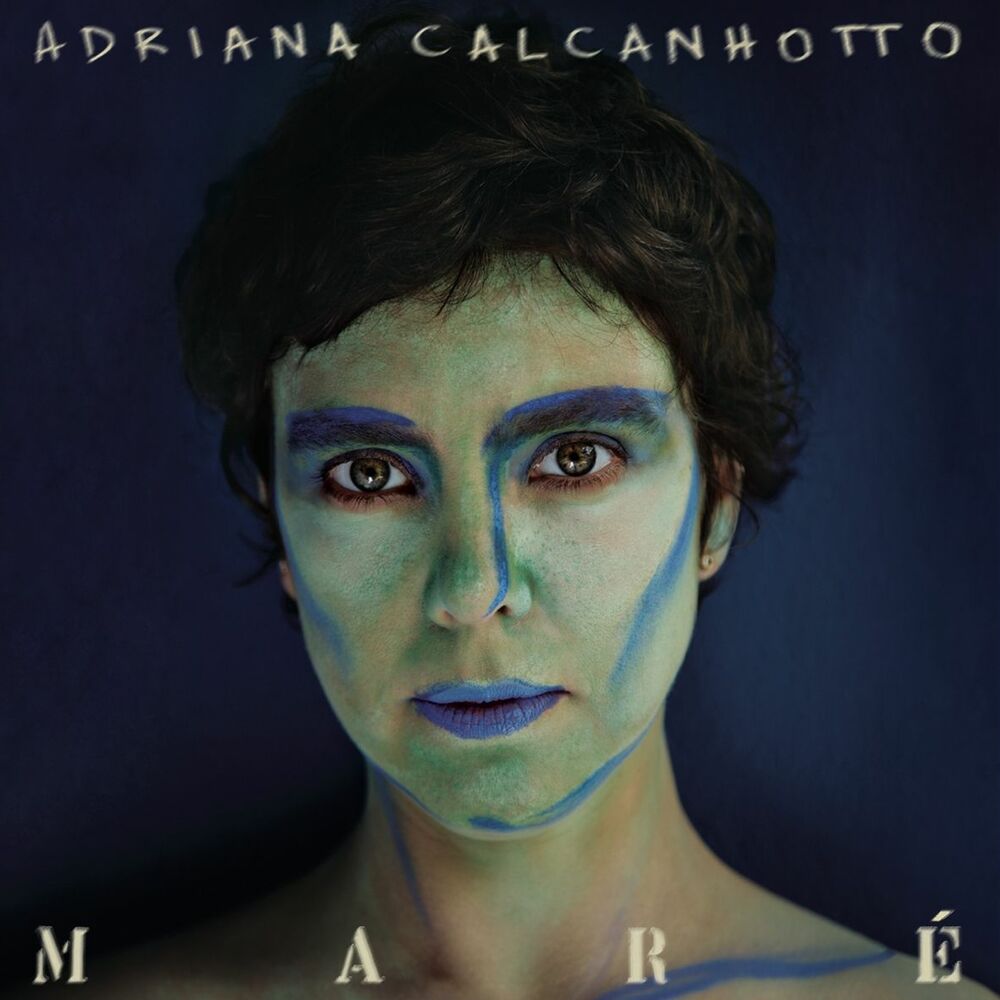
Released in 2008, Maré represents Adriana Calcanhotto's seventh studio album and a crucial milestone in her discography, being the second volume of a trilogy dedicated to the theme of the sea, which began with Maritmo (1998) and concluded with Margem (2019). This work reaffirms Calcanhotto's artistic identity, distinguished by a high aesthetic standard, blending MPB, pop, and folk in a cohesive and original manner. The album is a poetic and metaphorical journey, using the sea not only as a physical setting but as a vast field of symbolism that evokes renewal, illusion, and the impermanence of life. Calcanhotto delves into profound lyrical references and establishes a continuous dialogue with the visual arts, as evidenced by Gilda Midani's striking cover, solidifying her reputation as one of the most intelligent and refined artists of her generation.
Context
Before Maré, Adriana Calcanhotto had already consolidated a successful career in Brazilian music, which began in the mid-1980s in Porto Alegre. Albums such as Enguiço (1990), Senhas (1992), and A Fábrica do Poema (1994) established her as a singular voice in MPB. In the 2000s, the artist had also experienced great success with the children's project Adriana Partimpim (2004), which earned her a Latin Grammy. Maré, therefore, emerged a decade after Maritmo, resuming and deepening the concept of the maritime trilogy that the singer had begun, solidifying this thematic thread in her work.
Recording
Maré's recording sessions took place between August and December 2007, under the careful production of Adriana Calcanhotto herself in partnership with renowned musician and producer Arto Lindsay. The album's production is notable for its economical use of instruments and the rawness of the timbres, resulting in a concise and condensed sound that sought the essence of the songs. A core of talented musicians formed the backing band, including Moreno Veloso (acoustic guitar, cello, congas), Kassin (guitars, electric piano), and Domenico Lancellotti (drums, percussion). The album also featured significant special appearances, such as Jards Macalé on acoustic guitar in "Teu Nome Mais Secreto" and Gilberto Gil on acoustic guitar in Dorival Caymmi's "Sargaço Mar". Mixing was carried out by Flavio Souza at Ar Studios, in Rio de Janeiro, with the exception of "Um Dia Desses", mixed at Ilha dos Sapos, in Salvador, and mastering was handled by Eugene Nastasi at Sterling Sound, in New York.
Songs
With 11 tracks and a duration of just over 34 minutes, Maré presents a balanced repertoire of new compositions and reinterpretations. The title track, "Maré", in partnership with Moreno Veloso, opens the album with a gentle sound and bossa nova-style acoustic guitars, establishing the record's lyrical premise. "Mulher Sem Razão", by Dé Palmeira, Bebel Gilberto, and Cazuza, emerged as the work's biggest hit, captivating the public with its lazy and irresistible swing, and was included in the soundtrack of the soap opera A Favorita. Other songs also stood out in soap operas: "Três", by Marina Lima and Antônio Cícero, with its tango atmosphere, in the soap opera Ciranda de Pedra, and "Um Dia Desses", by Kassin and Torquato Neto, a surprising flirtation with ruralist song, in the soap opera Três Irmãs. The album further explores poetic depth on tracks such as "Teu Nome Mais Secreto", the last partnership with Waly Salomão, and "Sem Saída", which sets to music a text by the concrete poet Augusto de Campos, with a melody by Cid Campos. The record closes with the challenging "Sargaço Mar", by Dorival Caymmi, revealing Adriana's intention to navigate less obvious musical paths.
Legacy
Maré achieved notable commercial success, especially in Portugal, where it sold over 10,000 copies in just two days and received gold record certification. The album's projection was amplified by the inclusion of several of its tracks in soundtracks of high-audience Rede Globo telenovelas, such as "Mulher Sem Razão" in A Favorita, "Três" in Ciranda de Pedra, and "Um Dia Desses" in Três Irmãs, consolidating its presence in Brazilian popular culture. Specialist critics received Maré with enthusiasm, with AllMusic rating it 4 out of 5 stars. Critics considered the album one of Adriana Calcanhotto's best works, highlighting its sonic evolution and the pursuit of a more original and unpredictable style. Maré was praised for maintaining the high aesthetic standard, poetic references, and modernity that characterise the artist's work, reaffirming her position as one of MPB's most intelligent and sophisticated voices. The album is today seen as an essential link in Calcanhotto's "marine trilogy", gaining a re-evaluation of its conceptual importance with the subsequent release of Margem.
Tracks
Credits
Aldo Brizzi, Felipe Pinaud
Arto Lindsay
Adriana Calcanhotto
Jards Macalé
Moreno Veloso
Dé, Jorge Helder
Arto Lindsay
Domenico Lancellotti
Kassin
Arto Lindsay, Kassin
Alberto Continentino
Rodrigo Amarante
Marcelo Costa
Rodrigo Amarante
Bidu Cordeiro, Marlon Sette
UE Nastasi
Flavio De Souza
Podcasts

da ideia à luz · Camila Tiago e Marcelo Augusto
Há 34 anos trabalhando como projetista de iluminação em todos os segmentos da área cultural, empresarial e do entretenimento. Em teatro adulto e infantil realizou inúmeros projetos, com teatro de Bonecos destaca-se o Grupo Cem Modos. Na musica além dos projetos de iluminação para shows e turnês nacionais e internacionais, direção de fotografia de vários DVDs onde se destacam Adriana Calcanhoto, Cá
Videos
"Maré" - Adriana Calcanhotto | Melhores discos brasileiros dos anos 2000 | Alta Fidelidade
Alta Fidelidade
Analyses
Maré – Wikipedia
Wikipedia, the free encyclopaedia
Adriana Calcanhotto - Maré (2008) - musicasdonordeste.net
musicasdonordeste.net
The album, divided into two parts, gathers the singer's greatest hits from his 20-year career, featuring songs such as "Avôhai", "Chao de Giz", "Bicho de 7 Cabecas", and among others.
Adriana Calcanhotto | Maré para Tarumim, por Daniela Aragão
revistaprosaversoearte.com
"Mulher sem razão" practically went unnoticed on the album Burguesia, Cazuza's last. I consider this the best song on Maré, impeccable in its lyrics, arrangement and interpretation.

Notas Musicais: Maré plácida mantém curso fino de Calcanhotto
blogdomauroferreira.blogspot.com
Overall, it is fair to recognise that Adriana Calcanhotto's tide is full: brimming with poetic references, a dialogue with the visual arts, exemplified by Gilda Midani's beautiful cover art, and a modernity that maintains her as one of the most intelligent and refined artists of her time.
Adriana Calcanhotto mostra toda sua ‘veia inventiva’ em ‘Margem’ seu novo álbum
culturalizabh.com.br
The 10th studio album features samba, funk, lyricism, and completes the trilogy formed by the albums "Marítmo (1998)" and "Maré (2008)". Reaching almost 30 years into her career with...