Cavalo de Pau
Alceu Valença
1982
Rankings
Why This Album Matters
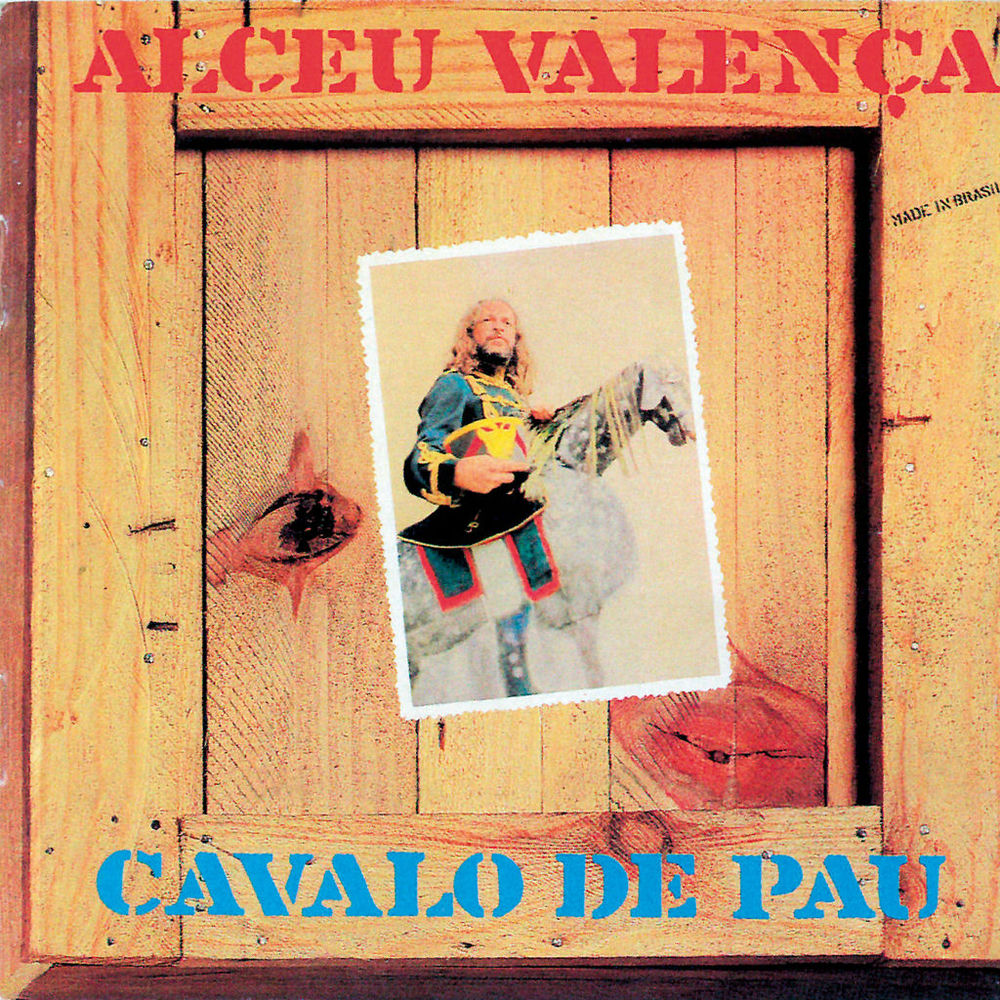
Cavalo de Pau, the eighth studio album by Pernambucan artist Alceu Valença, is an indelible landmark in Brazilian Popular Music and one of the biggest successes of his brilliant career. Released in 1982, the LP is an exuberant celebration of the rich musical diversity of the Northeast, virtuously blending traditional rhythms such as forró, baião, xote, embolada, and maracatu with modern touches of reggae and rock, creating a unique and timeless sound. Its ability to harmonise regional foundations with the effervescence of contemporary pop music gives it a freshness that remains intact decades after its release. This album is the birthplace of songs that have become MPB anthems and continue to move generations, such as the iconic "Tropicana" (also known as "Morena Tropicana"), "Como Dois Animais", and "Pelas Ruas que Andei". Alceu's mastery in composing poetic lyrics and engaging melodies, combined with the rhythmic fusion present in each track, established Cavalo de Pau as a work of refined aesthetic taste and broad popular appeal, essential for understanding the artist's trajectory and the evolution of Brazilian music.
Context
The genesis of Cavalo de Pau is intrinsically linked to Alceu Valença's personal and artistic journey. After a period of frustrations with national record labels and the military dictatorship, the musician sought self-exile in France in 1979. His return to Brazil in 1980 marked a turning point with the tremendous success of "Coração Bobo", which sold 450,000 copies and propelled him to national stardom. However, the subsequent album, Cinco Sentidos (1981), had a more discreet sales performance, generating apprehension at the Ariola record label. When Alceu proposed Cavalo de Pau with only eight tracks, there was strong resistance from the marketing department and producer Marco Mazzola, who feared another commercial disappointment and asked the musician to include more songs. Alceu, convinced of his artistic vision, refused to yield, stating that the album would be released exactly as conceived.
Recording
The recording of Cavalo de Pau took place between March and April 1982, at Estúdios Sigla, in Rio de Janeiro. Production was handled by Marco Mazzola, Sérgio Mello, and Paulo Rafael, with Carlos de Andrade acting as sound engineer. Alceu Valença participated actively, lending his vocals and Ovation guitar, often arriving at the studio with compositions already well-aligned with his touring band, especially guitarist Paulo Rafael. The recording process was meticulous, utilising ultra-sensitive and directional microphones to capture Alceu's guitar, employing reflectors to avoid sound leakage. The aim was to extract the best possible sound, compensating for the equipment limitations compared to international studios of the time. Alceu frequently recorded the basic guitar track with the musicians and a guide vocal, although many songs were recorded live. The team featured a high-calibre group of instrumentalists, including Zé da Flauta, Severo, Jorge Degas, Jaques Morelenbaum, Márcio Lomiranda, Leo Gandelman, Wilson Meireles, Jurim Moreira, and percussionist Repolho, as well as a choir, enriching the album's sonic texture.
Songs
The eight tracks on Cavalo de Pau form a sonic mosaic that reflects Alceu Valença's genius in navigating diverse musical languages. "Rima com Rima" is a clear tribute to the musicality of repente, cordel, and embolada, capturing the essence of Northeastern popular poetry. "Tropicana", co-written with Vicente Barreto, is one of the album's most emblematic songs, fusing xote with reggae elements in lyrics that evoke the colours and flavours of Northeastern tropical fruits. The track "Maracatu" features a notable collaboration, where Alceu set to music verses by the Pernambucan poet and folklorist Ascenso Ferreira, an icon of Brazilian modernism. In addition to these, classics such as "Como Dois Animais" and "Pelas Ruas que Andei" (also with Vicente Barreto) solidified the album's popularity, with their romantic lyrics and infectious arrangements. The album also includes the title track "Cavalo de Pau", "Martelo Alagoano", and "Lava Mágoas", the latter in partnership with Dominguinhos.
Legacy
Cavalo de Pau established itself as one of the biggest commercial successes of Alceu Valença's career, selling an impressive 1 million copies and surpassing all of the record label's initial expectations. Four of its tracks, "Tropicana", "Como Dois Animais", "Pelas Ruas que Andei", and the title track "Cavalo de Pau", were released as singles and dominated radio stations across the country, becoming instant hits and ensuring the album's status as a mass phenomenon. In the same year of its release, Alceu Valença's prestige was amplified by his memorable performance at the Montreux Jazz Festival in Switzerland, highlighting the international recognition of his art. The relevance of Cavalo de Pau transcends time, being ranked 302nd in a poll conducted by the Discoteca Básica podcast with 162 music specialists. Its enduring importance is underscored by successive re-releases, including an edition in the "Grande Discoteca Brasileira" collection from the Estadão newspaper in 2010, and a highly anticipated vinyl re-release by Universal Music Brasil in 2025, ensuring that new generations continue to discover its magic.
Tracks
Credits
Mazzola
Jaques Morelenbaum
Paulo Rafael
Sergio Mello
Christina Ponce de Leon
Alceu Valença
Severo
Alceu Valença
Jorge Degas
Jaques Morelenbaum
Angela Viviana, Christiane, Cybele Freire, Edgardo Freire, Eloisa Santos, Gelson Ramos Da Costa, Jayme Rocha, Jorge Ribeiro, Loma Pereira, Miriam Peracchi, Regininha, Viviane De Carvalho
Paschoal Perrota
Jurim Moreira, Wilson Meireles
Zé Da Flauta
Paulo Rafael
Alceu Valença, Firmino, Sergio Mello
Firmino, Reppolho
Márcio Miranda
Leo Gandelman
Carlos De Andrade
Alceu Valença, Paulo Rafael, Sergio Mello
J.C. Mello
Eva Straus
Bruno Speranza
Antonio Peticov, Carlos Horcades, J.C. Mello
Azevem Edições e Produções Artísticas Ltda.
Carlos Horcades, Carlos Safker, Paulo Klein, Ricardo De Vicq
Podcasts

Ouvindo Estrelas · Marco Mazzola
No 8º episódio da segunda temporada do Ouvindo Estrelas, Mazzola explora os bastidores de um dos mais emblemáticos álbuns da carreira do genial Alceu Valença: Cavalo de Pau Com produção e direção artística de Marco Mazzola enquanto diretor Ariola, as oito faixas ganharam os ouvidos do grande público e "Tropicana (Morena Tropicana)" se tornou um dos maiores hits da MPB nos anos 1980. Mazzola dis

Vinilteca · José Ono Junior e Guilherme Colpani
O cantor Alceu Valença encontrou a fórmula do sucesso em 1982 com o clássico álbum Cavalo de Pau, disco que a gente relembra hoje. Foram mais de 1 milhão de copias vendidas e pelo menos 4 sucessos imbatíveis que permanecem na nossa memória até hoje. Ele se tornou ao longo do tempo um dos artistas mais importantes da história da música brasileira.

Outras Frequências · Ronaldo do Carmo Fernandes
Clássico da Vez: Alceu Valença - "Cavalo de pau"
Videos
Alceu Valença e o álbum "Cavalo de Pau" | O Som do Vinil
Canal Brasil
"Cavalo de pau" - Alceu Valença | Best Brazilian albums of the 80s | High Fidelity
Alta Fidelidade
Alceu Valença - ' Cavalo de Pau' - 40 Anos
Crítica Musical
Alceu Valença: os bastidores e as gravações de Cavalo de Pau 🎶🔥 (EPISÓDIO 16)
Ouvindo Estrelas
CAVALO DE PAU - O disco que MUDOU a carreira de ALCEU VALENÇA
A MÚSICA, O FILME E O LIVRO
Alceu Valença - Cavalo de Pau [Review e História] (Sons da Black)
Black Cort's Barbearia
Films


Books
Analyses
Cavalo de Pau – Wikipedia
Wikipedia, the free encyclopaedia

"Cavalo de Pau" (Ariola, 1982), Alceu Valença
discosessenciais.blogspot.com
With this musical melting pot, combined with Alceu's charisma and such captivating, intelligent and popular songs, Cavalo de Pau was a huge hit with both the public and critics.
O antológico álbum "Cavalo de Pau", de Alceu Valença, ganha ...
universalmusic.com.br
This, his eighth album, "Cavalo de Pau" (1982), the third after his breakthrough and on the same label, became not only a classic of his repertoire but also a classic of Brazilian discography itself.
40 anos do 'Cavalo de Pau', de Alceu Valença - Fundação Perseu Abramo
fpabramo.org.br
The year 1982 is a landmark in Brazilian Popular Music. It was a year of great albums by national artists, from Gilberto Gil's "Extra" to Caetano Veloso's "Cores e Nomes", passing through Zizi Possi's "Asa Morena". But one of the great albums of that year is Alceu Valença's incredible "Cavalo de Pau", released ...
Alceu Valença - Cavalo de Pau (1982)
musicasdonordeste.net
The album, divided into two parts, brings together the singer's greatest hits from his 20-year career, with songs such as "Avôhai", "Chao de Giz", "Bicho de 7 Cabecas", among others.