Vivo!
Alceu Valença
1976

Rankings
Why This Album Matters
Vivo!, released in 1976 by Som Livre, represents a landmark in Alceu Valença's discography as his first live album and the second solo work of his career. This record is a powerful time capsule that captures the effervescence and unique energy of the Pernambuco artist at his creative peak, solidifying his musical identity within the MPB scene. It is widely recognised for its audacity in fusing the rich sound tradition of Brazil's Northeast, incorporating rhythms such as baião, coco, frevo, and maracatu, with the intensity and electric sound of rock, a combination that Valença mastered in an innovative and vibrant way. The album is a captivating demonstration of Alceu's electrifying stage performance, revealing his mastery as a lyricist and performer. He blends a "fantastic chronicle and everyday narrative" with a musicality that electrifies baião references, creating a poignant and unique sound. Considered one of the best live albums in Brazilian Popular Music, Vivo! not only documented a crucial moment in his career, but also served as a portal to the world of contemporary music from Pernambuco.
Context
In the early 1970s, Alceu Valença emerged as a leading figure of the new generation of Northeastern music, moving to Rio de Janeiro in 1970 in search of a place in the Brazilian music scene. Before Vivo!, he had already released the collaborative album Quadrafônico in 1972 with Geraldo Azevedo, and his first solo record, Molhado de Suor, in 1974. The mid-70s in Brazil were marked by a military regime, and art often served as a form of resistance. The recording of Vivo! took place at a time of tension: during the performances of the show "Vou Danado Pra Catende", on 7 September 1975, at the Teatro Tereza Rachel, Alceu was informed of the arrest of his partner Geraldo Azevedo by the military repression. This atmosphere of protest and Northeastern experience, coupled with his attitude of not allowing his accent to be a "by-product", permeate the work and the explosive energy of the show.
Recording
The album Vivo! was recorded live at Teatro Tereza Rachel, in Rio de Janeiro, during the final performance of the acclaimed show "Vou Danado Pra Catende" on 7 September 1975. Production direction was handled by Guto Graça Mello, with general coordination by João Araújo. The band that accompanied Alceu Valença, who, in addition to vocals and acoustic guitar, also played violinha, was composed of exceptionally talented musicians. Among the instrumentalists, notable figures include Paulo Rafael, credited as Paulo Lampião Rafael, on guitar; Zé da Flauta on flute; Dicinho on bass; Agrício Noya on percussion; and Israel Semente Proibida on drums and percussion. Zé Ramalho, credited as "Zé Ramalho da Paraíba", had a notable participation, playing ukulele and 10 and 12-string violas, in addition to providing vocals on tracks such as "Edipiana Nº 1" and "Papagaio do Futuro".
Songs
The tracks on Vivo! demonstrate Alceu Valença's compositional versatility, which blends elements of fantastic chronicle and everyday narrative with the electrification of regional rhythms. Among the standout songs in the repertoire are "Sol e Chuva", "O Casamento do Rouxinol com a Raposa", "Edipiana Nº 1", "Punhal de Prata", and "Papagaio do Futuro". "Edipiana Nº 1" is notable for being an explicit homage to the artist's mother, while "Punhal de Prata" is described as a lament-rock with "aboios-gemidos psicodélicos", blending mouro-sertanejo with the aesthetic of 1970s rock. The song "Papagaio do Futuro" had already been performed by Alceu, Geraldo Azevedo, and Jackson do Pandeiro at the International Song Festival in 1972, generating curiosity despite its disqualification. The track "Pontos Cardeais" features metaphors that reflect Geraldo Azevedo's experience in the dungeons of the Military Dictatorship, highlighting the album's protest-oriented and poetic nature.
Legacy
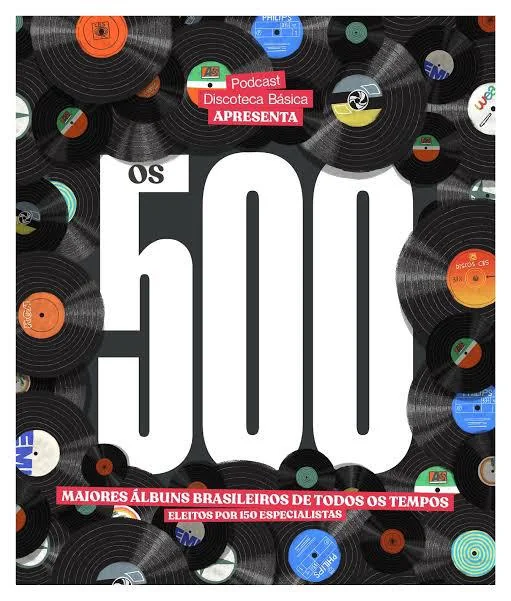
Vivo! solidified itself as one of Alceu Valença's most emblematic albums and a classic of Brazilian music, being considered "one of the best live albums in Brazilian Popular Music (MPB)". In 2024, the album's continuing relevance was underscored by a special vinyl re-release through the Rocinante Três Selos project. This new collector's version was released on 180g black vinyl, with a gatefold sleeve, poster, and an insert that includes the song lyrics and an exclusive text. Critical acclaim is also evident: a review from Pop magazine at the time stated that Alceu's show had the "ideal atmosphere to make this work the best live album recorded in Brazil". More recently, in a poll of 162 music specialists conducted by the Discoteca Básica podcast, Vivo! was ranked 163rd, reaffirming its enduring status and the admiration it still inspires among scholars of Brazilian music. The album remains a testament to "Alceu Valença's indomitable energy and passion", an artist who marked and shaped his time through his art.
Tracks
Credits
Guto Graça Mello
Alceu Valença
Dicinho
Israel Semente Proibida
Zé Da Flauta
Paulo Rafael
Agrício Noya
Zé Ramalho
Célio Martins, Deraldo, Luiz Paulo
Mario Luiz Thompson
João Araujo
Alceu Valença, Mario Luiz Thompson
Mario Luiz Thompson
Podcasts
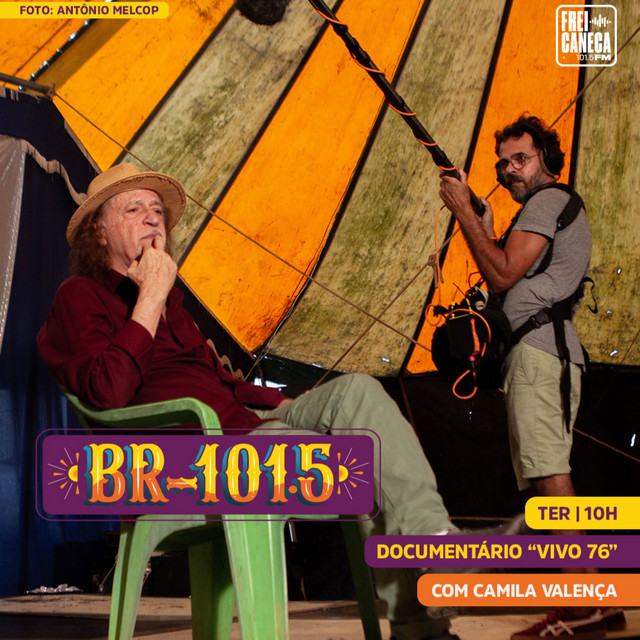
No BR-101.5 da terça-feira (28), vamos da infância à explosão criativa de Alceu Valença nos anos 1970 celebradas no filme “VIVO 76” 🎥No ano em que Alceu Valença celebra as oito décadas de vida com a turnê "80 Girassóis", uma parte de sua trajetória musical é transformada em filme. "VIVO 76" passeia pelas memórias do cantor e compositor natural do Agreste pernambucano, tendo como destino o eferves
Mano a Mano · Spotify Studios
No último episódio do Mano a Mano em 2025, Mano Brown e Semayat Oliveira recebem um ícone vivo da música brasileira: Alceu Valença. Num encontro carregado de poesia, histórias e melodia, Alceu revisita sua trajetória, das ladeiras de Pernambuco aos palcos do mundo, e mergulha em reflexões sobre criação artística, liberdade, brasilidade e o tempo. O papo flui como um frevo, um maracatu, uma ciranda
Films

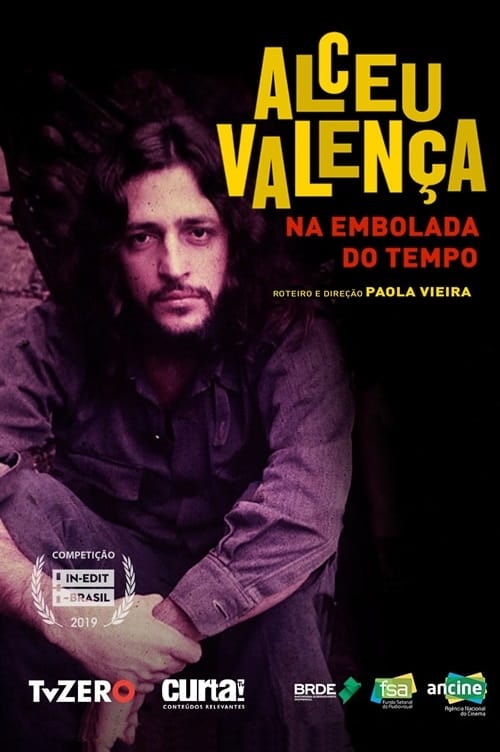
Alceu Valença - Na Embolada do Tempo
2019
Musician Alceu Valença revisits his career, from his first contact with music, when he was still young, through the 1970s, when several names in music from the Northeast gained space on the scene.
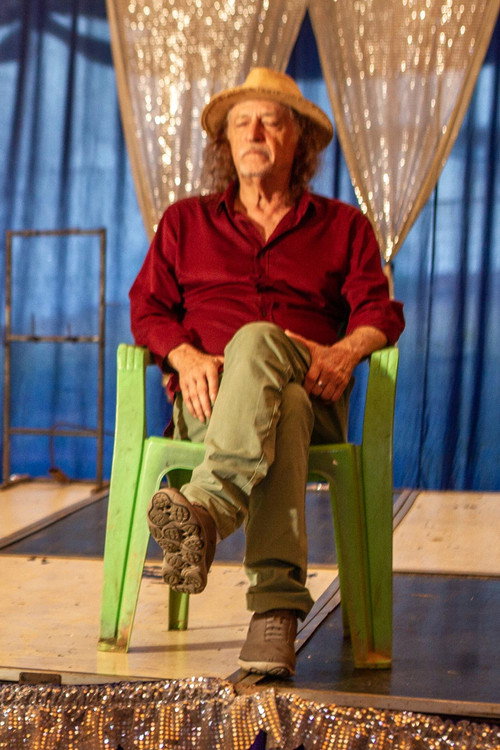
Vivo 76
2026
The film is a psychedelic and documentary journey through the universe of Alceu Valença, celebrating the fiftieth anniversary of his 1976 album, a definitive landmark of Brazilian psychedelia and cultural resistance. With rare archives and contemporary encounters, the director unearths the "seminal soup" from Pernambuco that united traditional rhythms and the desert avant-garde, revealing Alceu as a central figure in the Northeastern underground.
Books
Analyses
Vivo! – Wikipedia
Wikipedia, the free encyclopaedia
Disco 'Vivo!' de Alceu Valença, de 1976, volta... vivíssimo ... - G1
g1.globo.com
It was from this recording that, the following year, the album Vivo! emerged, featuring eight songs captured live at the show with powerful sound, electric like Alceu, sometimes heavy as in the vocal of the song Você pensa.
'Vivo!', o icônico disco de Alceu Valença, é relançado em vinil pela ...
revistaprosaversoearte.com
Alceu Valença's LP 'Vivo!' was recorded on 7 September 1975, in Rio, at the final performance of the show "Vou Danado pra Catende".
Disco 'Vivo!' de Alceu Valença, de 1976, volta… vivíssimo em reedição ...
portalvidasertaneja.com.br
With the release of the album Vivo!, Alceu Valença consolidated the idea of a universal sound rooted in the Northeastern Brazilian matrix of rhythms such as emboladas, martelos agalopados, modas de viola, and cocos, played with the energy of rock.
Alceu Valença Ganha Documentário Sobre álbum Vivo! De 1976
somdefita.com
The production delves into one of the most emblematic moments of the musician's career: the 1976 release of the live album Vivo!, which turns 50 in 2026. The idea for the documentary emerged back in 2016, when Alceu was celebrating his 70th birthday.