Foley Room
Amon Tobin
2007
Rankings
Why This Album Matters
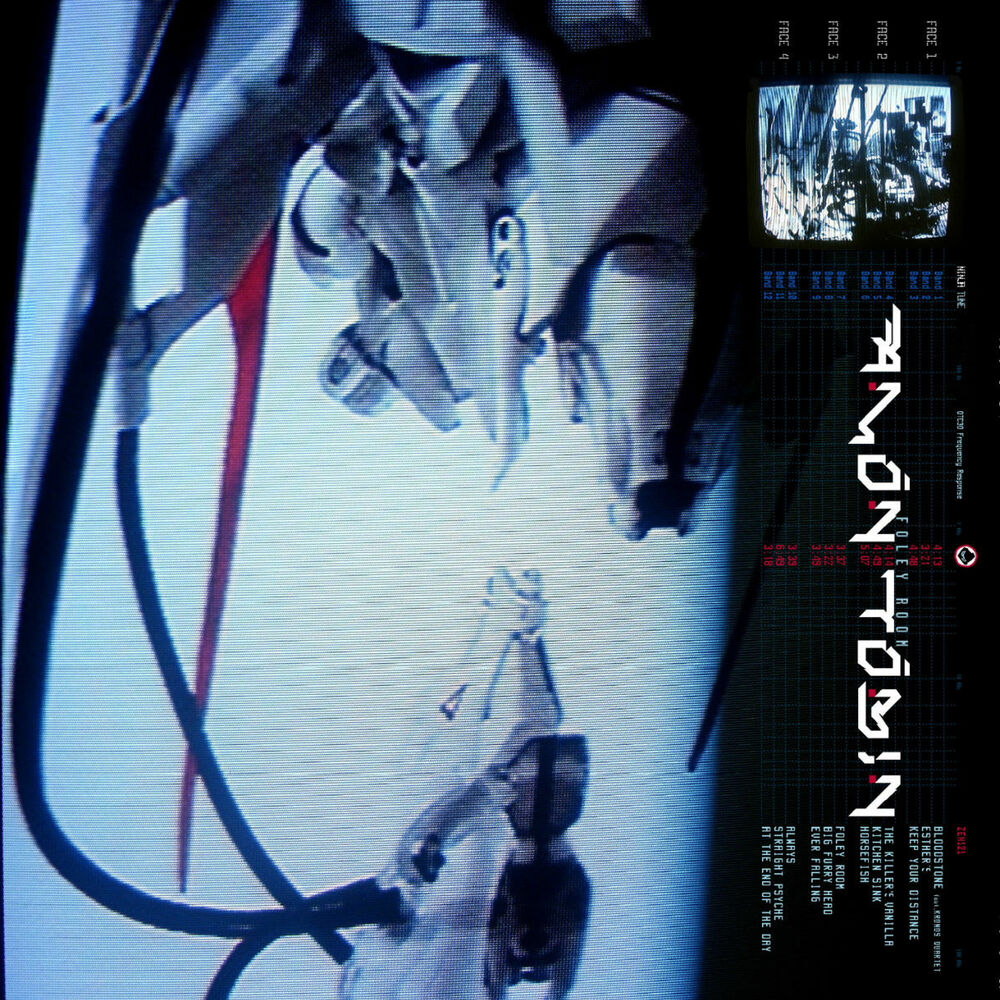
Foley Room, released in 2007, represents a significant milestone in Amon Tobin's discography and in contemporary electronic music. The album stands out as a radical departure from the production techniques that had established his reputation, abandoning the use of vinyl samples in favour of an entirely original sound library. Tobin embarked on a journey of collecting field recordings and improvisation sessions with musicians, building each sonic texture from scratch. This transformative approach elevated the album beyond mere technical experimentation, seeking to infuse the rigour of sound design with the vitality of melodies and rhythms capable of 'moving people'. The result is an intricate, dense, and atmospheric work that redefines the perception of the limits of electronic music, solidifying Amon Tobin as a constant innovator on the world stage.
Context
Before Foley Room, Amon Tobin was already a respected figure in the electronic music scene, particularly for his production of intricate drum and bass, breakbeat, and trip-hop albums for the renowned Ninja Tune label. The Brazilian producer, who spent his formative years in the United Kingdom, was known for his mastery in manipulating vinyl samples, creating complex soundscapes full of jazzy nuances in works such as *Bricolage* (1997), *Permutation* (1998), *Supermodified* (2000), and *Out from Out Where* (2002). This initial phase established his reputation as a 'master of sonic manipulation', but also paved the way for his pursuit of new creative frontiers. After years of exploring the limits of pre-existing samples, Tobin felt the need for reinvention, which led him to the ambitious conception of Foley Room, an album that would challenge his own methodologies and the public's perception of the source of sound in electronic music.
Recording
The recording process for Foley Room was as revolutionary as the album's concept. Amon Tobin carried out part of the recording at Ubisoft Montreal's Foley effects studio, an environment typically used to create sounds for films. Unlike his previous works, which relied on vinyl samples, this album was built entirely from original recordings. Tobin and a team of assistants equipped themselves with high-sensitivity microphones and went out to record a vast range of sounds: from the roar of tigers to cats eating mice, neighbours singing in the bath, ants eating grass, motorcycles, chains, industrial machinery, dripping water, and train tracks. In addition to these field recordings, he gathered a diverse group of musicians, including the acclaimed Kronos Quartet, Patrick Watson, and Stefan Schneider (of To Rococo Rot), to improvise and create musical material that would also be sampled and transformed. The aim was to record the sounds in a 'flat and soulless' way, so that he had complete freedom to shape them in post-production, resulting in a sonic cohesion that masks the unusual origins of the elements.
Songs
The essence of Foley Room's compositions lies in the innovative fusion of organic and unusual sounds with the structure of electronic music. Tracks such as the opener, 'Bloodstone', feature the dense and melancholic contributions of the Kronos Quartet, whose strings weave complex textures amidst industrial percussive noises. In 'Esther's', the sounds of motorcycle engines are skilfully processed to create pulsating rhythms, while 'Big Furry Head' incorporates wild animal roars and industrial beats. The album explores a 'cinematic' and 'ominous' sound, with beats that often seem to be generated by 'armies of insects' and orchestrations that evoke a sense of imminent destiny. Even with the predominance of rhythms, the sources of these sounds are so intrinsically masked that the listener is invited to immerse themselves in the unearthly atmosphere created. Tobin's objective was to create 'unique melodies and soundscapes', transforming everyday sounds, such as banging pots or dragged PVC pipes, into jazzy drum solos, exemplifying his ability to forge something beautiful and danceable from the unexpected.
Legacy
Foley Room was enthusiastically received by critics, being widely praised for its conceptual audacity and execution. The album was considered a 'masterclass' and a 'classic in itself', although some considered it less immediately accessible than its predecessors. The specialised press highlighted its ability to transcend the originality of its production process to establish itself as a strong and engaging instrumental work. Amon Tobin's work on this album, by deeply exploring the role of sound design and field recordings, cemented his reputation as one of the most visionary electronic artists of his generation, serving as 'great inspiration for many'. The impact of Foley Room resonates not only in electronic music, but also in how sound can be conceived, recorded, and manipulated to create rich and unexpected auditory experiences. The release was accompanied by a DVD documentary, detailing the recording process, which helped to deepen the understanding and appreciation of the work.
Tracks
Credits
Amon Tobin
Evan Cranley, John Usher, KJ Sawka, Leon Kingstone, Norsola Johnson, Paolo Kapunan, Patrick Watson, Pietro Amato, Ryhna Thompson, Sage Reynolds, Sarah Pagé, Simon Angell, Stefan Schneider, Vid Cousins
Vid Cousins
Sarah Register
Openmind
Analyses
Foley Room – Wikipedia
Wikipedia, the free encyclopaedia
BBC - Music - Review of Amon Tobin - The Foley Room
bbc.co.uk
Tobin's new album Foley Room, is an album of deep intricacy that demands attention from the listener but which has hidden within it a great deal of reward. So, what is a Foley Room I hear you ask?
Amon Tobin: The Foley Room Album Review | Pitchfork
pitchfork.com
In the end, what makes The Foley Room Tobin's best album in seven years is the way his bent for organized chaos manifests as a deft control of every sound that surrounds him: Anything's a beat ...
REVIEW: Amon Tobin - Foley Room (2007) - The Resident Sound
residentsound.com
REVIEW: Amon Tobin - Foley Room (2007) Released in 2007, Montreal-based composer Amon Tobin's Foley Room offers itself to oddity while never acting as a novelty. Opening track Bloodstone is a psychedelic trip of unnerving melancholia heaving and swaying like a choppy sea. A sort of 'could be' scoring style for a would be Edward Gorey film.
Amon Tobin - Foley Room (album review ) | Sputnikmusic
sputnikmusic.com
Amon Tobin Foley Room 5.0 classic Review by smokersdieyounger USER (32 Reviews) November 29th, 2007 | 100 replies Release Date: 2007 | Tracklist