Permutation
Amon Tobin
1998
Rankings
Why This Album Matters
Permutation, released in 1998, represents a fundamental landmark in the discography of Amon Tobin, a Brazilian producer who, although born in Brazil, consolidated his career on the global electronic music scene. It is crucial to note that, despite his origin, Tobin's work deviates from the traditional sounds of Música Popular Brasileira (MPB), delving deeply into the realms of drum and bass, trip hop, and experimental IDM, genres he helped redefine with his innovative approach. This album is a dense and atmospheric sonic exploration, characterised by intricate beats, rich sound textures, and a sophisticated use of samples, elements that became Tobin's signature. Permutation solidified his reputation as one of the most visionary sonic architects of his generation, creating auditory landscapes that are at once enigmatic, rhythmic, and deeply immersive. The work transcends genre barriers, blending jazz, funk, hip-hop, and Latin percussion with cutting-edge electronic techniques, resulting in a unique and ethereal sonic collage.
Context
Before Permutation, Amon Tobin had already established a solid foundation with his work under the pseudonym Cujo and, more notably, with the 1997 album Bricolage, which was widely considered an aesthetic manifesto in its sample-based collage approach. His signing with the prestigious label Ninja Tune, known for being a cradle of experimental electronic music, boosted his profile, paving the way for Permutation. The mid to late 90s period was effervescent for electronic music, with artists seeking to expand the boundaries of production and composition, and Tobin was at the forefront of this movement.
Recording
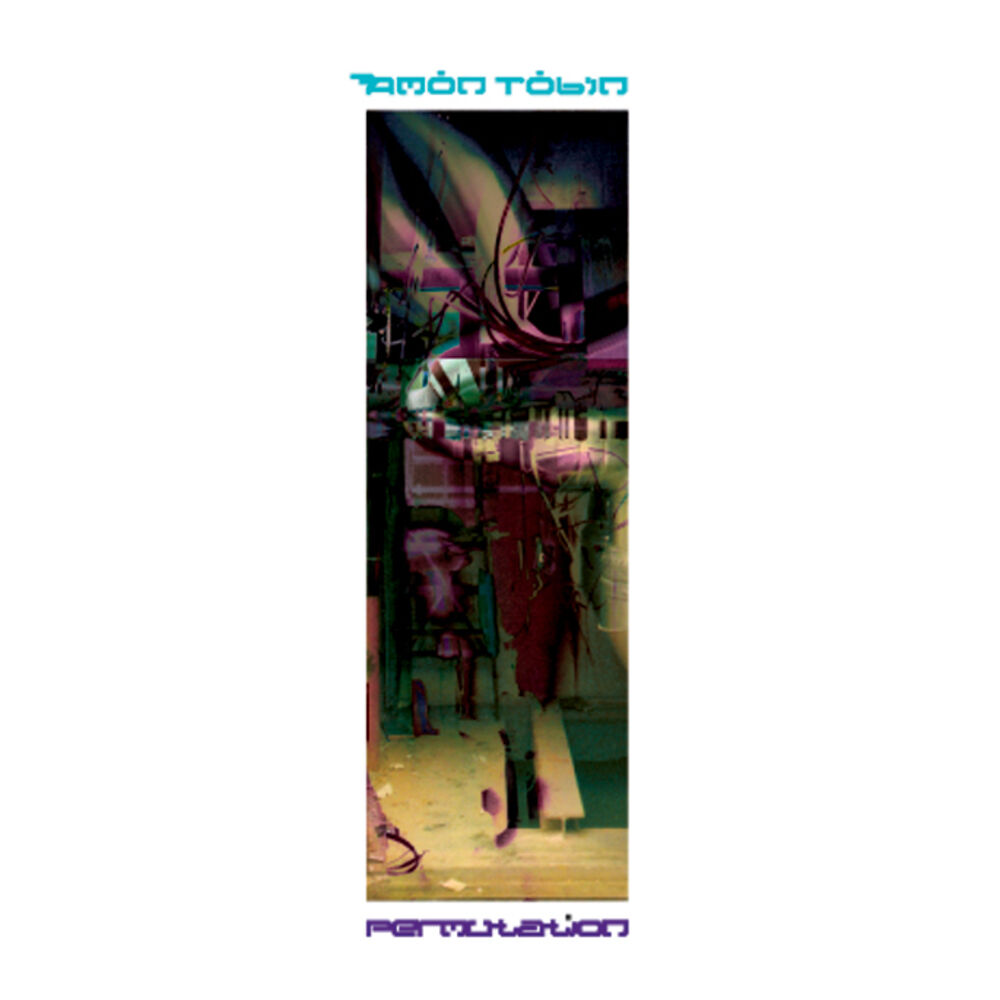
The production of Permutation was meticulous, reflecting Amon Tobin's dedication to the art of sampling and sound synthesis. The album was released by Ninja Tune, a label synonymous with innovation in electronic music. Tobin is known for his ability to manipulate instrument timbres, creating new sounds and weaving them into an organic flow. His technique involved the careful assembly and distortion of excerpts from big band records, transforming them into a complex tapestry of beats and melodies that resembled a "Sistine Chapel of beat-based music." Kevin Foakes, under the pseudonym Openmind, was responsible for the photography and the album packaging design, contributing to the visual aesthetic that complements the sonic complexity of the work.
Songs
The compositions on Permutation are notable for their creative and often disturbing use of dialogues and soundtrack excerpts. Tracks such as "Like Regular Chickens" and "People Like Frank" exemplify this approach, incorporating dialogues from David Lynch's films Eraserhead (1977) and Blue Velvet (1986), respectively. "People Like Frank" goes further, also sampling parts of the Blue Velvet soundtrack, composed by Angelo Badalamenti. These cinematic elements add a layer of narrative and a peculiar atmosphere to Tobin's already intricate soundscapes. The album features a fusion of complex drum and bass rhythms with jazzy samples and exotic, mysterious melodies, as demonstrated on tracks like "Bridge" and "Nightlife", which are often cited as examples of the album's genius. The sound is cohesive, yet never repetitive, keeping the listener engaged with its hypnotic and experimental nature.
Legacy
Permutation played a crucial role in the continued ascent of Amon Tobin's profile on the global electronic music scene. The album was widely acclaimed by critics, solidifying his position as a genre innovator and a master of sonic collage art. The positive reception of the release propelled Tobin to perform at prestigious festivals and venues, such as the Coachella Valley Music and Arts Festival, the Knitting Factory, and the Montreal International Jazz Festival, significantly expanding his audience and influence. Considered a "classic" and a "landmark" of 90s trip hop and drum and bass, Permutation inspired many artists and critics, being described as an accessible album despite its complexity, capable of captivating both long-time fans and new listeners. Tobin's ability to create sophisticated and fluid sonic puzzles on this album continues to be referenced as a highlight in his discography and in the history of experimental electronic music.
Tracks
Credits
Amon Tobin
Openmind
Videos
Amon Tobin - Permutation (Album Review)
The Wonky Angle
Analyses
Permutation – Wikipedia
Wikipedia, the free encyclopaedia
Amon Tobin's Permutation: A Dark, Playful Soundscape
en.debaser.it
Explore Amon Tobin's 1998 album Permutation, a masterful blend of drum'n'bass, jazz, and cinematic samples with a dark, smoky vibe.
Permutation - Amon Tobin (1998) - Listen Of The Day
listenofthe.day
ideated from: a favorite album that starts with 'P'. Amon Tobin is a wildly original producer who's been doing awesome head bobbing electronic tracks for decades. This is an early record, and the first one I listened to. It's still one of my favorites. He takes a wide array of drum samples and uses them to build complex rhythms.
Album: Permutation. Artist/Band: Amon Tobin. Year: 1998.
staimusic.com
Album overview Amon Tobin, a Brazilian electronic music producer, released "Permutation" under his alias Amon Tobin-Permutation in 1998. This album is recognized for its innovative blend of jazz, drum and bass, and ambient music, showcasing Tobin's unique sound design and sampling techniques. "Permutation" was released by the influential label Ninja Tune, known for its eclectic roster of ...
Amon Tobin - Permutation [Vinyl LP & Review] | Ghetto:Orion
ghetto-orion.com
A standout feature of Permutation is Tobin's homage to the films of David Lynch. With tracks like 'Like Regular Chickens' and 'People Like Frank,' which quote dialogue from Lynch's masterpieces Blue Velvet and Eraserhead, the album pays tribute to the acclaimed director's unique vision.