Angela Ro Ro
Angela Ro Ro
1979
Rankings
Why This Album Matters
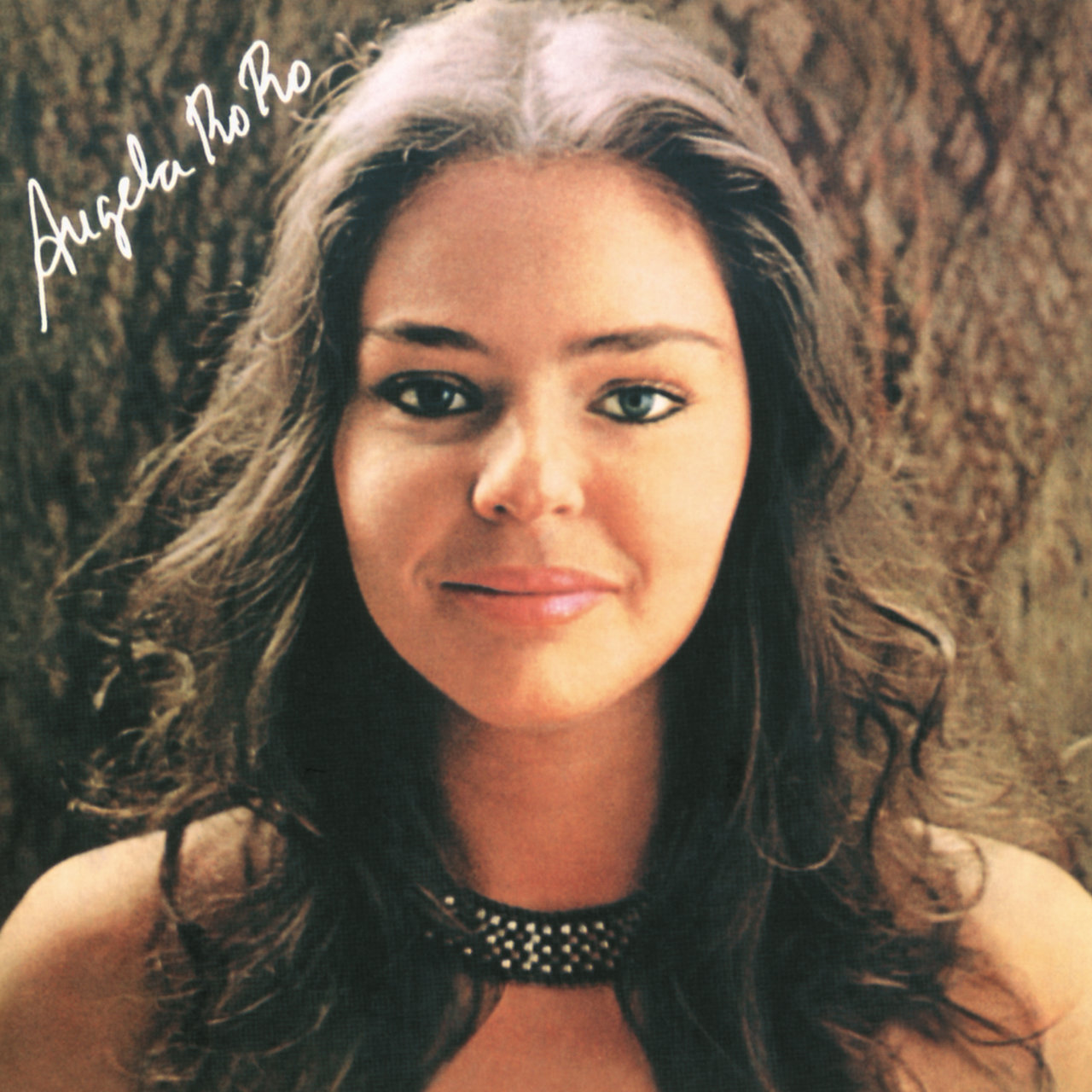
Angela Ro Ro is the debut album by the acclaimed Brazilian singer and songwriter Angela Ro Ro, launched in 1979, which marked one of the most compelling revelations in national music at the end of that decade. The work stands out for its singular musical fusion, incorporating elements of blues, samba-canção, bolero, and rhythm and blues, genres that organically intertwine to create a distinctive and emotive sound. Its repertoire comprises original songs that the artist had been developing since her time in London, revealing compositional and interpretive maturity from the outset. The record is a confessional and autobiographical work, with lyrics that explore emotional vulnerability, desire, and emotional surrender directly and without subterfuge. Arrangements by Antonio Adolfo seek to preserve the essence of Angela Ro Ro's songwriting and piano performance, intensifying the presence of an emotionally charged and musically hybrid aesthetic. Titles such as "Amor, Meu Grande Amor", "Tola Foi Você", "Gota de Sangue", and "A Mim e a Mais Ninguém" illustrate the lyrical depth and interpretive strength that became the artist's trademark.

In her emotional outpouring, the artist lays bare her pain and agonises before the public without any inhibition.
Marcus Preto · Rolling Stone Brasil
Context
After returning to Brazil in 1974, following a period living in London, Angela Ro Ro initially had no intention of pursuing a professional career in music. She frequented Rio's nightlife as a listener and occasional performer in piano bars, notably 706 in Ipanema, where she socialised with great names such as Áurea Martins, Emílio Santiago, and Djavan. Despite encouragement from other musicians and collaborators like Scarlet Moon and Nelson Motta, Angela avoided formal commitments. However, during this period of reclusion from formality, she was already composing a significant portion of the repertoire that, years later, would become her debut album, including tracks dating back to her youth.
Recording
The decisive impetus for the album's recording occurred in 1979, following a visit by producers Paulinho Lima and Luis Felipe Aguiar to the artist in Saquarema. Impressed with her repertoire, they organised a midnight performance at Teatro Ipanema, which saw a full house and a warm reception from the audience. Following this successful performance, recording sessions were scheduled and completed in June of the same year. Antonio Adolfo, responsible for the arrangements, worked with the intention of preserving Angela Ro Ro's unique style of composition and piano performance, aiming to enhance her musical language without distorting it. The album's production was directed by Paulinho Lima and Ricardo Cantaluppi, and the mixing was carried out by Luigi Hoffer.
Songs
The album's songs were largely composed over almost a decade, revealing a deeply personal lyrical universe. Many tracks already existed since the artist's youth, such as "Minha Mãezinha". The iconic "Amor, Meu Grande Amor" is an example of creative collaboration, born from the combination of a melody composed by Angela Ro Ro in London, initially titled "The Split Up Song Number 1", and lyrics later written by Ana Terra, which focused on loneliness and the longing for a great love. The compositions feature a lyrical self facing romantic despair, with alcohol consumption serving as a metaphor for confronting pain, and openly embracing homoerotic affection without subterfuge, something considered unusual in the late 1970s. Tracks such as "Gota de Sangue", "Cheirando a Amor", and "Me Acalmo Danando" are notable for their thematic approach of strong affective and introspective dimension, revealing unprecedented female songwriting in Brazilian music of the era, marked by desire, vulnerability, and emotional frankness.

The volcano Angela Ro Ro erupted in 1979, a prolific year for female singers. Among others, Elba Ramalho, Zizi Possi, Marina Lima, Joanna, Fátima Guedes and Olívia Byington blossomed in a market still dominated by male singers and songwriters.
Tárik de Souza · 300 Discos Importantes
Legacy
Angela Ro Ro's debut album was warmly received by critics, who highlighted the fusion of genres and the confessional nature of the lyrics as key elements of its impact. Critics emphasised the singer's deep and intense voice, often compared to Maysa and Billie Holiday, which lends a particular expressiveness to the songs. It was observed that the repertoire introduced aesthetic lines that would be revisited by different artists in subsequent years. Commercially, the record reached tenth position among the best-sellers in Brazil, according to Billboard, and sold approximately 56,000 copies by 1981. The recognition of its importance extended over the years, being included in seventy-third position on Rolling Stone Brasil's list of the 100 greatest Brazilian music albums in 2007. In 2022, in a poll by the podcast Discoteca Básica, it was ranked in seventy-second position among the 500 greatest Brazilian albums, consolidating its status as a work of aesthetic freshness and authenticity in MPB.
Tracks
Credits
Antonio Adolfo
Angela Ro Ro
Paulinho Lima, Ricardo Cantaluppi
Ana Terra, Angela Ro Ro, Sergio Bandeira
Jamil Joanes
Robertinho Silva, Teo Lima
Rick Ferreira
Zé Carlos
Niltinho
Luigi Hoffer
Jorge Vianna
Aldo Luiz
Marco Rodrigues
Podcasts
Sons e Histórias · Daniel Queiroz
Raildo Vasconcelos, Daniel Queiroz e Junior Beatle contam histórias sobre o disco da cantora Angela Ro Ro de 1979
Videos
ANGELA RO RO (1979) | ALBUM REVIEW
Vinilteca
PAI HERÓI INTERNACIONAL (1979) | ALBUM REVIEW
Vinilteca
Angela Ro Ro (1979-1981) | Caravana do Delírio | Alta Fidelidade
Alta Fidelidade
Books
Os 500 Maiores Álbuns Brasileiros de Todos os Tempos
Ricardo Alexandre · 2022
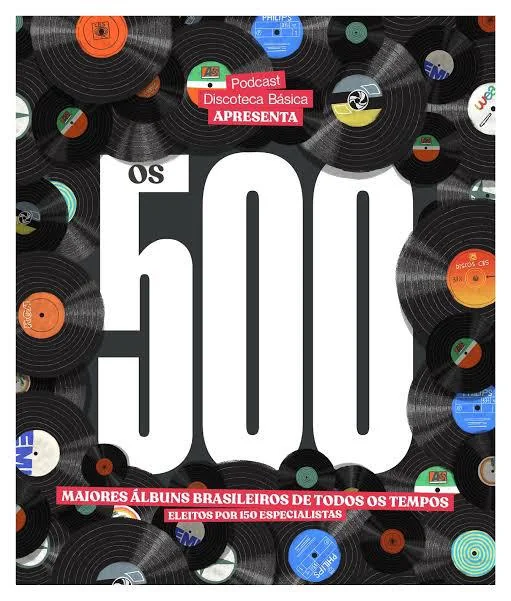
The largest Brazilian music election ever conducted: 162 specialists, spanning journalists, critics, musicians, producers and podcasters, each nominated 50 essential albums, supported by a masterlist of more than 2,000 works. Led by Ricardo Alexandre with tabulation by Sérgio Jomori, it was published in December 2022 as a 200-page hardcover book with graphic design by Fernando Pires.
300 Discos Importantes da Música Brasileira
Charles Gavin, Tárik de Souza, Carlos Calado, Arthur Dapieve · 2008
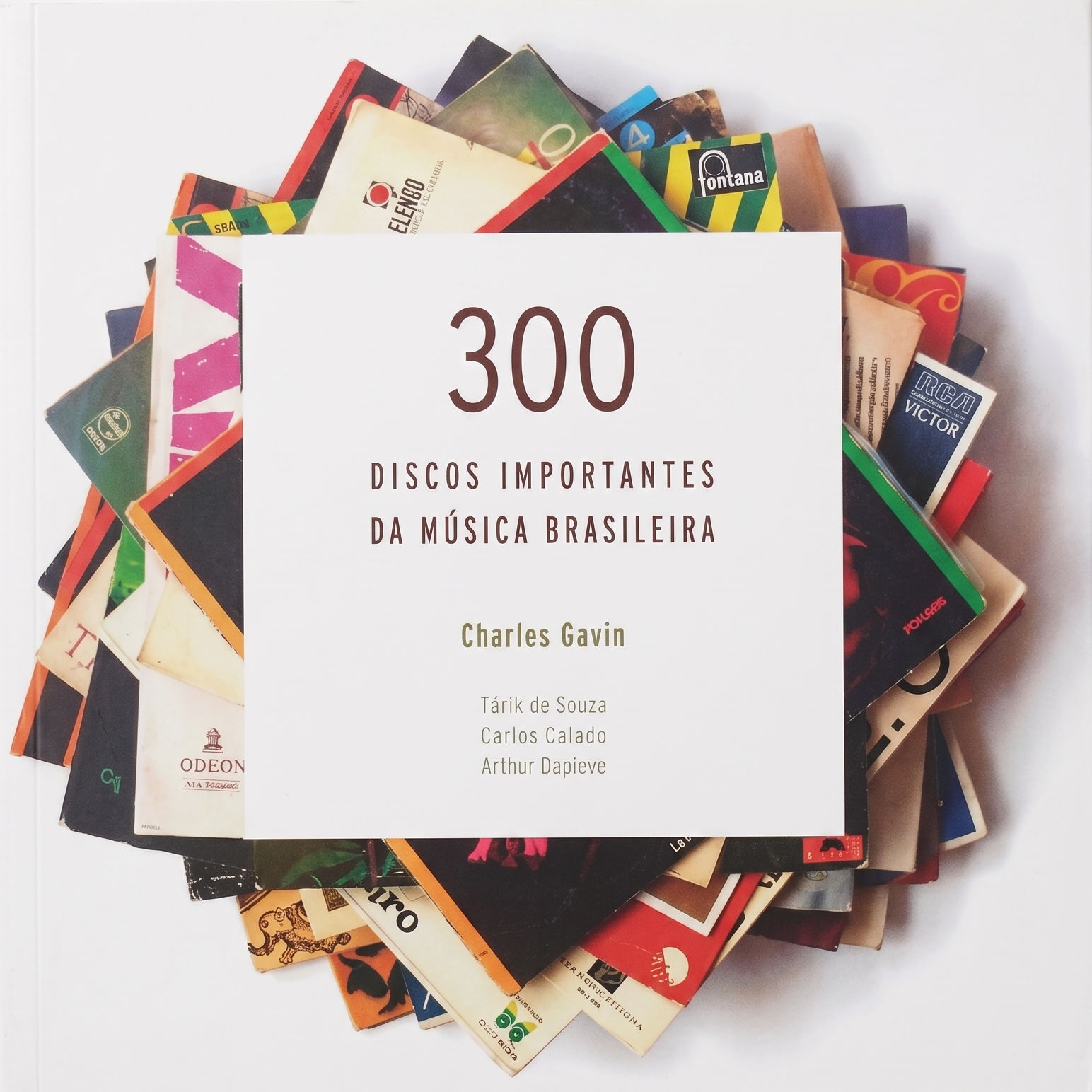
Conceived by Titãs drummer and musical researcher Charles Gavin, the 434-page book brings together covers and reviews of albums released between 1929 and 2007. The texts were written by journalists Tárik de Souza, Arthur Dapieve and Carlos Calado.
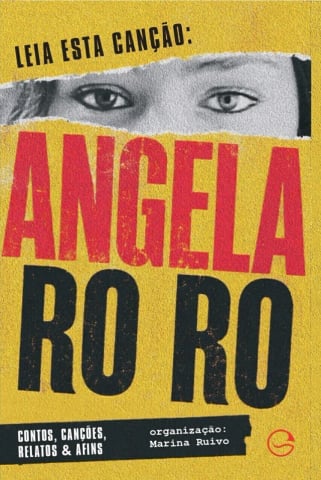
Leia esta canção: Angela Ro Ro
41 authors write about Angela Ro Ro. Short stories, memoirs, chronicles, poems, and accounts inspired by the singer and her work. Edited by: Marina Ruivo. Authors:...
Analyses
Angela Ro Ro – Wikipedia
Wikipedia, the free encyclopaedia
Angela Ro Ro – The 100 Greatest Albums of Brazilian Music
Marcus Preto · Rolling Stone Brasil
In her emotional outpouring, the artist lays bare her pain and agonises before the public without any inhibition.
SOO #89 - Angela Ro Ro - by Eduardo - Speaking of Others
sioo.substack.com
Her debut album, Angela Ro Ro (1979), was not a polite arrival but a detonation. It rejected background music; demanding confrontation. Songs like Balada da Arrasada or Amor, Meu Grande Amor sounded less like compositions than diary entries read out loud after too much whiskey and too many bad nights.
A explosão da mulher na música do Brasil em 1979 ecoa há 40 anos - G1
g1.globo.com
THE FEMALE VOICE IN 1979 (PART 4): Angela Ro Ro had already been circling the Brazilian music scene since the early 1970s, but only released her debut album in 1979, contributing...
Clube do Vinil relembra repertório autoral de Angela Ro Ro lançado em ...
radios.ebc.com.br
In today's Vinyl Club, we're taking a look at Angela Ro Ro's debut, self-titled album, released in 1979 by Polygram. The record made its mark on MPB with its bold sound, which blended blues, MPB, jazz, and pure romantic poetry.