Mudei de Ideia
Antônio Carlos e Jocáfi
1971
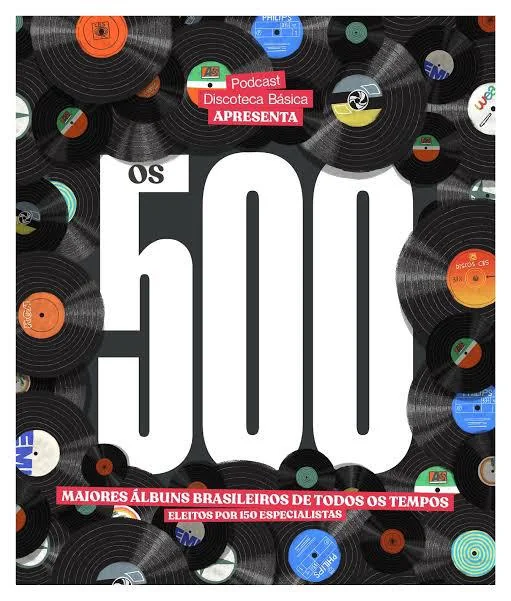
Rankings
Why This Album Matters
Mudei de Ideia, the debut album by the Bahian duo Antônio Carlos and Jocáfi, released in 1971, is an essential work of Brazilian music that stands out for its innovative sonic fusion. The record is a "marvellous sonic miscellany" and an "experimental powerhouse" that moves fluidly between psychedelic rock, samba-funk, and MPB, revealing the artists' versatility and originality. This singular work is marked by pulsating funky grooves and acid guitars, creating a dynamic and engaging sound that incorporated the psychedelic atmosphere of the era. The duo skilfully combined the richness of traditional samba with touches of fuzz, resulting in an accessible and innovative sound for the period. Mudei de Ideia is not merely a debut album, but a milestone that demonstrates calculated musicality and a captivating popular sensibility, solidifying Antônio Carlos and Jocáfi's position as one of the most creative and significant duos of their generation.
Context
Antônio Carlos Marques Pinto and José Carlos Figueiredo, hailing from Bahia, emerged during an effervescent period of Brazilian music, as part of a talented and prolific generation. The duo was brought together by the poet and lyricist Ildásio Tavares, who provided poems and lyrics for their first compositions. Discovered by maestro Carlos Lacerda, they gained prominence at various festivals in Salvador, attracting public attention between 1969 and 1970. This visibility led to an invitation from producer Rildo Hora to record their first LP, paving the way for the immediate success of Mudei de Ideia.
Recording
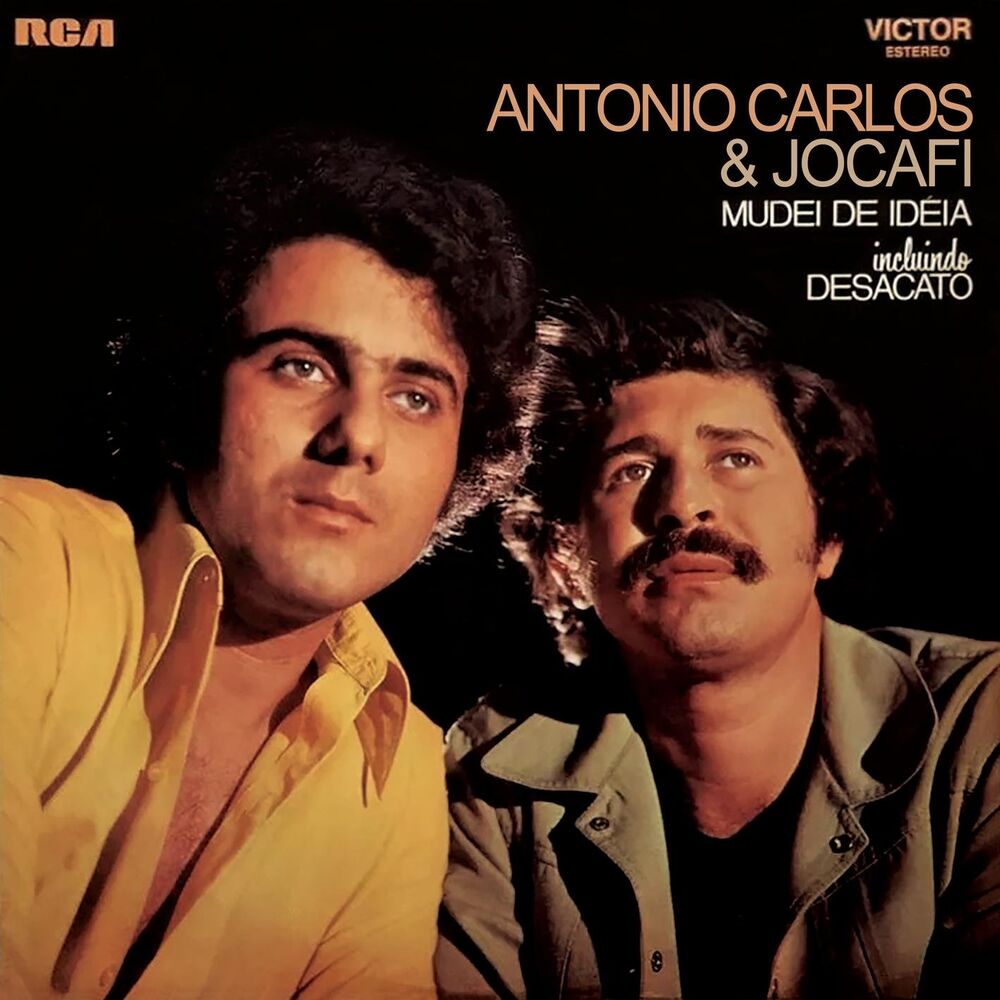
The album Mudei de Ideia was originally released in 1971 by the RCA Brazil record label, marking the duo's phonographic debut. Artistic production was handled by Rildo Hora, who also served as artistic coordinator. Alfredo Corleto was the artistic director of the project. The album's arrangements featured the mastery of José Briamonte, Alexandre Barreto, H. Silvestre, and Rogério Duprat, prominent names in Brazilian music at the time. The recording also benefited from the participation of legendary guitarist Lanny Gordin, who contributed to the work's unique sound. Interestingly, the album was released with two cover versions in Brazil: one with a psychedelic design and another, more conventional, which featured a photograph of the members and included the track "Desacato", which would become a great success. In this re-edition, the song "Dalena" was replaced by "Desacato".
Songs
All tracks on Mudei de Ideia were composed by the duo Antônio Carlos and Jocáfi, with some collaborations from Alberto Santos Pinheiro and Ildásio Tavares. The album begins with the classic "Você Abusou", a melancholic samba-chorinho that became an anthem at carnivals, notable for its use of acoustic guitar, cavaquinho, cuíca, and a string section, with lyrics that explore love and suffering. Another highlight is "Kabaluerê", described as a "funk monster", which would later be sampled by Marcelo D2 in his hit "Qual é". The song "Se Quiser Valer" reveals the duo's experimentation with unusual vocalisation, distorted guitars, and the strong presence of the Hammond organ, classified as a "coco-pop". The title track, "Mudei de Ideia", is a "sambão" with direct, confessional lyrics about emotional rupture. The record also explores various musical facets, such as the regionalism of "Conceição da Praia" (a baião with the unmistakable "guttural voice"), the intensity of "Hipnose" (an aboio guided by piano and choir), and the "top-notch sambão" of "Morte do Amor", complete with a drum director's whistle and cuíca.
Legacy
Mudei de Ideia was an immediate success, boosting the careers of Antônio Carlos and Jocáfi. The duo's popularity was cemented by the song "Desacato", which became one of the finalists of the Festival Internacional da Canção and a hit in various parts of Brazil and Europe. "Você Abusou" not only won the hearts of Brazilians, but also achieved great success in France, where its use without due credit in a political campaign led to a lawsuit. The album's influence endures, as evidenced by Marcelo D2's sample of "Kabaluerê", demonstrating the timelessness of the compositions. Considered a "superb debut", Mudei de Ideia is frequently compared to works by other great names such as Marcos Valle, Caetano Veloso and Jorge Ben. The album, valued in the collectors' market, continues to be a reference for the way it blends traditional samba, MPB, and psychedelia, proving its historical relevance and the lasting nature of the duo's musical ideas.
Tracks
Credits
Alfredo Corleto
Rildo Hora
Tebaldo