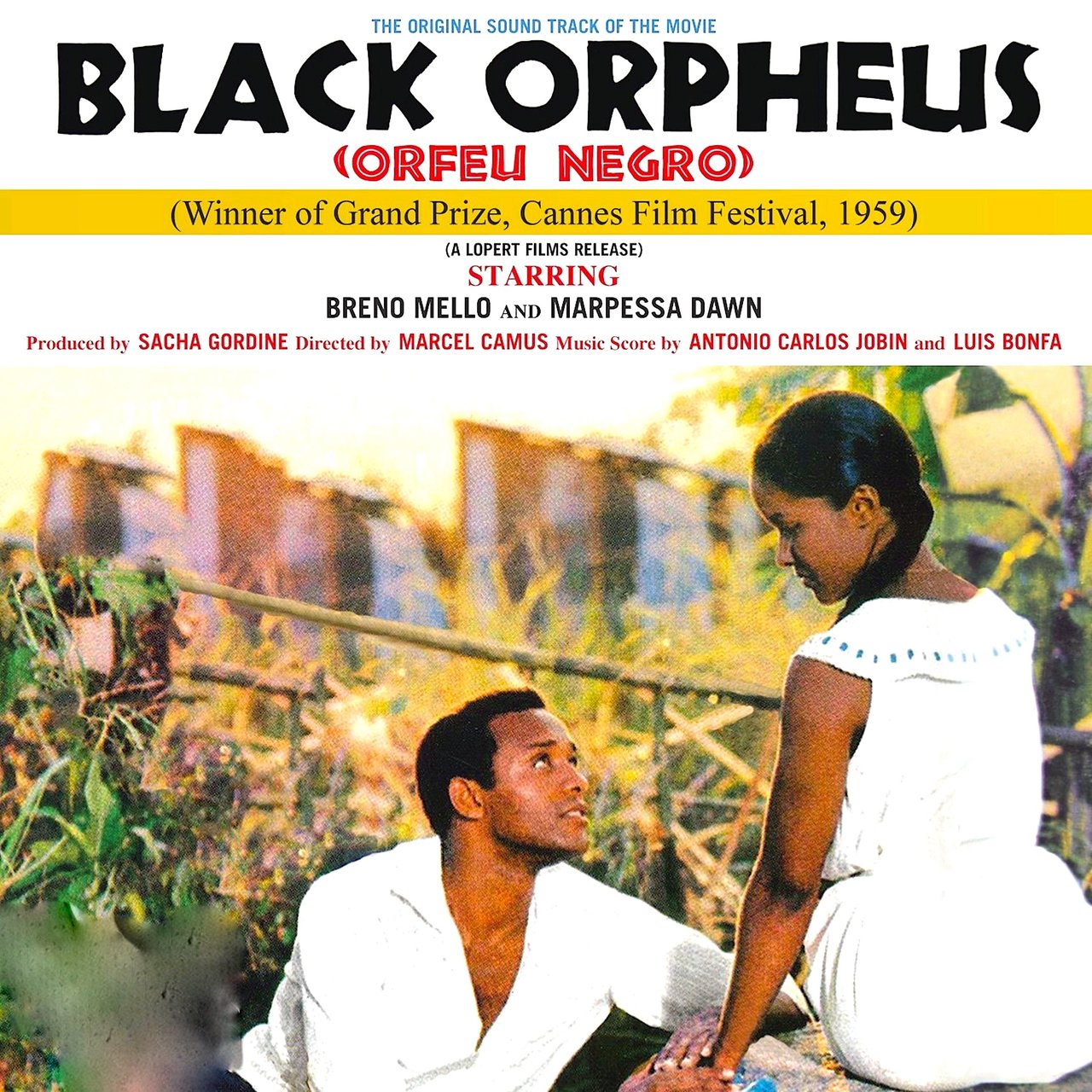
The Original Sound Track of the Movie Black Orpheus (Orfeu Negro)
Antônio Carlos Jobim & Luiz Floriano Bonfá
1959
Rankings
Why This Album Matters
The album The Original Sound Track of the Movie Black Orpheus (Orfeu Negro) is a seminal work that transcended the boundaries of cinema and music, introducing the world to the sonic richness of Brazil. Released in 1959, this record is not only the soundtrack to an acclaimed film, but a landmark in the evolution of contemporary Brazilian popular music. It encapsulates a vibrant blend of samba and the first whispers of bossa nova, creating a musical atmosphere that is at once romantic, joyous, and melancholic. The way the soundtrack captures the infectious energy of Rio de Janeiro's Carnaval and the emotional depth of the Greek narrative of Orpheus and Eurydice, set in a Rio favela, makes it an unparalleled work. Its captivating melodies and engaging rhythms established it as a crucial reference point for understanding and appreciating Brazilian music on the global stage. The quality and power of Black Orpheus's auditory dimension were noted worldwide, exerting a lasting appeal.
Context
The soundtrack emerged during an effervescent period of Brazilian music, when bossa nova was in full ascent in Rio de Janeiro. The film Orfeu Negro, directed by the Frenchman Marcel Camus, is an adaptation of Vinicius de Moraes' play "Orfeu da Conceição", which already featured music by Antônio Carlos Jobim. Jobim, already a prominent figure in the Rio samba scene and one of the architects of bossa nova, joined Luiz Bonfá to create the film's music. This context of cultural effervescence and the collaboration of already established or emerging talents were crucial for the album's innovative sound.
Recording
The album's recording, as a true film soundtrack, reflects the cinematic experience by incorporating ambient sounds and musical passages that blend with the scenes. This means that, in addition to the musical performances, the listener can find atmospheric elements that transport them into the film's visual universe. This approach of integrating the music directly into the narrative and visual fabric of the film results in an album that is both a collection of songs and a sonic record of the film itself. The production captured the essence of Carnaval and life in Rio, utilising the talents of Jobim and Bonfá to bring the story to life.
Songs
The album's songs are the backbone of its identity, with "Manhã de Carnaval" and "A Felicidade" standing out as timeless classics. "Manhã de Carnaval", composed by Luiz Bonfá with lyrics by Antônio Maria, is considered the main musical theme of the film and was one of the first bossa nova compositions to gain popularity outside Brazil. "A Felicidade", by Antônio Carlos Jobim and Vinicius de Moraes, opens the film and became equally iconic. Another notable composition by Bonfá is "Samba de Orfeu", which also became a bossa nova classic. The tracks alternate moments of samba exuberance and batucada with the poetic melancholy of bossa nova songs, reflecting the duality of the plot.
Legacy
The album and the film Orfeu Negro had a monumental global impact, introducing Brazil and its music to a vast international audience. The film won the Palme d'Or at the Cannes Film Festival in 1959 and the Academy Award for Best Foreign Language Film in 1960, boosting the soundtrack's visibility. Its songs, especially "Manhã de Carnaval" and "A Felicidade", became jazz standards, being re-recorded by countless artists around the world and influencing generations of musicians. The soundtrack was a powerful vehicle in shaping notions of Brazil in the international imagination, impacting the perception of Brazilian culture and bossa nova, in particular. Although the film received criticism for a sometimes "exoticised" representation of Brazil for foreign audiences, the soundtrack's success was undeniable, solidifying the status of Antônio Carlos Jobim and Luiz Bonfá as world-renowned composers and consolidating bossa nova as a genre of universal appeal.
Tracks
Credits
Sacha Gordine
Antonio Carlos Jobim, Luiz Bonfá