Ave Sangria
Ave Sangria
1974

Rankings
Why This Album Matters
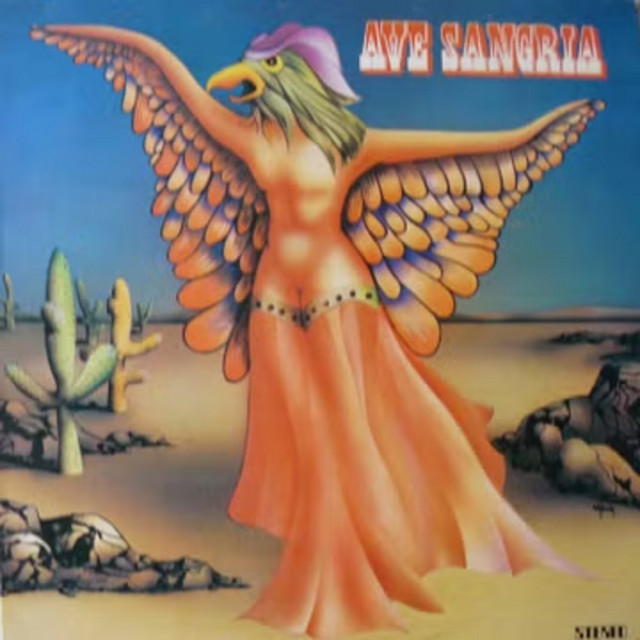
The eponymous debut album by the Pernambucan band Ave Sangria, released in 1974, is an indelible landmark of Brazilian psychedelia, especially within the effervescent Northeastern scene of the 1970s. Distinguished by its audacious fusion of psychedelic rock with regional rhythms such as baião and forró, the album features an experimental and captivating sound, which established it as a cult classic of national music. This work represents a 'diamond' in Brazilian discography, not only for its musical originality, but also for the band's challenging stance and extravagant visual style, which defied the conventions of the era with lipstick and kisses on stage. The album resonates with a raw and poetic energy, which, despite its initially interrupted trajectory, consolidated Ave Sangria as one of the most singular and important names in psychedelic rock in Brazil.
Context
Ave Sangria emerged from Pernambuco's effervescent cultural scene in the early 1970s, a period when Brazil was living under the military dictatorship, known as the Lead Years. Formed in Recife, the band, initially known as Tamarineira Village, originated from Vila dos Comerciários, a working-class neighbourhood, and its music sought to be a critical alternative to the curtailment of freedom and the lack of democracy imposed by the regime. In this context of repression and censorship, the Northeastern psychedelic scene flourished, with groups such as Ave Sangria, Lula Côrtes and Alceu Valença experimenting with the fusion of regional sounds with rock. The band stood out for a rebellious aesthetic and for lyrics that, although poetic, openly engaged with freedom of expression and social criticism, preparing the ground for the reception of their only studio album.
Recording
The album Ave Sangria was recorded over a short period, in just five days in February 1974, at studios in Rio de Janeiro. The album's production was in the hands of Marcio Antonucci, who, according to reports, had little experience with the band's psychedelic sound, opting for a freer approach that allowed the sessions to flow naturally. During the process, the musicians used the instruments of the band Os Famks, who would later become the well-known Roupa Nova. Despite the possible limitations of the studios of the time to capture the more distorted sound of psychedelic guitars, the final result was an album with a rich tonal palette, including guitarist Paulo Raphael's insistence on incorporating Mini Moogs (synthesizers) on the track "Dois Navegantes", which added an extra layer of experimentation to the work.
Songs
The twelve tracks on Ave Sangria are a melting pot of influences and themes, ranging between social criticism, introspection, and lyrical audacity. "Seu Waldir" is, undoubtedly, the album's most emblematic song, narrating a homoaffective love in a humorous way, which at the time was considered "incitement to homosexuality" by the military censorship. Other songs also stand out for their content and arrangements. "Lá Fora" offers a subtle critique of the dictatorship and the anxieties of modernity, enveloped by an engaging melody. Meanwhile, "Cidade Grande" explores the feeling of loss and transformation in the face of urban growth and social changes in 1970s Brazil, mixing psychedelic rock with Northeastern rhythms as a form of resistance. The track "Por Que?", in turn, reflects on the stagnation of routine and the desire to rediscover a lost freedom, revealing a conflict of identity between urban life and an essence connected to the sea. The album is characterised by a mixture of forró, rock, hallucinogens, pirates, and the sertão, reflecting the band's originality and poetic diversity.
Legacy
Following its release in 1974, the album Ave Sangria quickly achieved commercial success and radio popularity in several Brazilian capitals. However, its ascent was abruptly halted by the military dictatorship's censorship, less than a month after its distribution. The track "Seu Waldir", interpreted as "incitement to homosexuality", was the trigger for all copies to be recalled from stores and the band silenced. This repression caused profound trauma to the members, disarticulating the project, leading to the cancellation of a second album and ruining the group's finances. Despite the re-release of the album without the censored track in late 1974, the impact of censorship was devastating. Nevertheless, over the decades, Ave Sangria consolidated itself as a cult classic, rediscovered and celebrated for its audacity and originality within the Brazilian psychedelic rock scene. In a gesture of historical reparation, in March 2026, the Brazilian State granted formal amnesty and compensation to the band members, recognising the political persecution suffered. This late recognition, which includes lifelong monthly pensions and retroactive payments, underscores the inestimable value of the album and the irreparable damage caused to the musicians' careers. In 2023, Ave Sangria was even declared Intangible Cultural Heritage of Recife. The album was re-released in 1984 and, more recently, in 2022, in a remastered vinyl edition, consolidating its status as a fundamental work of Brazilian music.
Tracks
Credits
Marco Polo
Almir Oliveira
Israel Semente Proibida
Ivinho
Paulo Rafael
Juliano
Marcio Vip Augusto
Zé Rodrix
Podcasts
Sons e Histórias · Daniel Queiroz
Raildo Vasconcelos, Daniel Queiroz e Junior Beatle comentam o disco da banda pernambucana Ave Sangria lançado em 1974

Bate Antena · Podcast
Guita, de Raul Seixas, Tábua de Esmeralda, de Jorge Ben, Arnaldo Baptista, com Lóki?, Tim Maia, com Racional. Todos esses discos foram lançados em 1974, um ano muito especial para a música brasileira. Em Pernambuco, a produção musical também era de altíssima qualidade. Mas 1974 também marca um ponto de virada, de ressaca da contracultura no mundo, enquanto o Brasil vivia o fechamento do regime. Ma
Films

Ave Sangria - Sons de Gaitas, Violões e Pés
2008
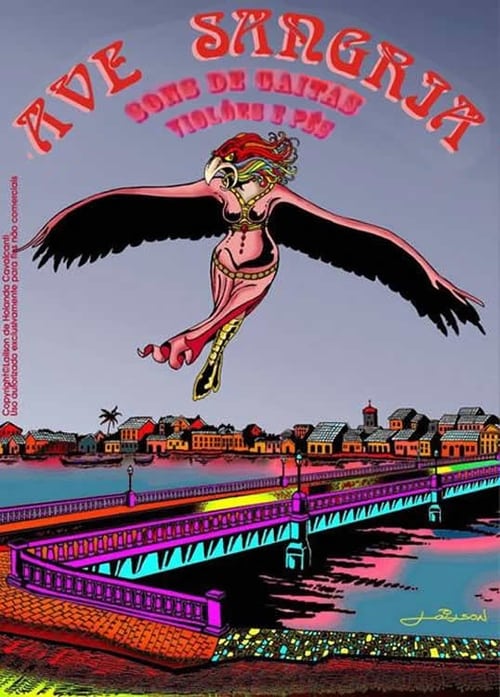
During the 70s, they shocked audiences with poetic and libertarian songs, mixing regional rhythms with heavy rock at a time quite averse to free creativity. These were the members of the band Ave Sangria, formerly Tamarineira Village.

Ave Sangria, A Banda que Não Acabou
2025
The band Ave Sangria is one of the big names in Northeast Brazilian psychedelia of the 1970s. Formed in Recife, they recorded their mythical debut album with the song "Seu Waldir", originally composed by Marco Polo, the band's vocalist, at the request of actress Marília Pêra, to be part of the soundtrack for Bráulio Pedroso's play A vida escrachada de Baby Stomponato. The song ended up achieving some success until a censor decided it spoke of “homosexual love” when sung by a man. Today, the band's only two surviving members, Marco Polo and Almir de Oliveira, get into legendary Roger Renor's Rural vehicle to tell their story, as they travel the roads of Pernambuco.
Books
Os 500 Maiores Álbuns Brasileiros de Todos os Tempos
Ricardo Alexandre · 2022
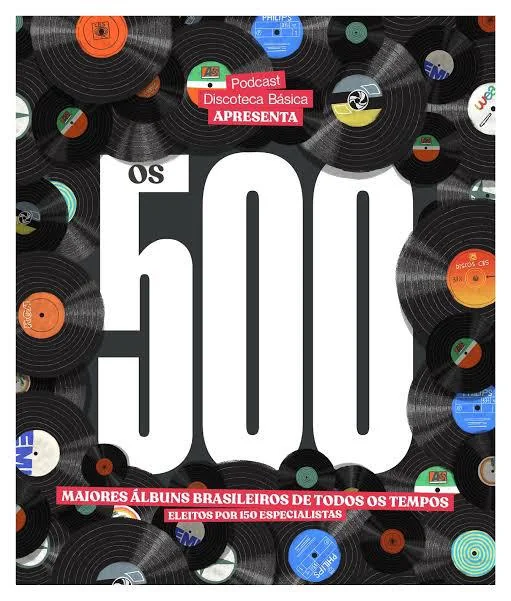
The largest Brazilian music election ever conducted: 162 specialists, spanning journalists, critics, musicians, producers and podcasters, each nominated 50 essential albums, supported by a masterlist of more than 2,000 works. Led by Ricardo Alexandre with tabulation by Sérgio Jomori, it was published in December 2022 as a 200-page hardcover book with graphic design by Fernando Pires.
Do frevo ao manguebeat
José Teles · 2000
This book addresses the trajectory of Pernambucan music, from its oldest roots to the Manguebeat movement, covering frevo, maracatu, coco, forró, and the psychedelic and underground rock of the 70s, highlighting the cultural effervescence of the period and the relevance of artists such as Ave Sangria, Flaviola e o Bando do Sol, Alceu Valença, Zé Ramalho, Elba Ramalho and Lula Côrtes.
Analyses
Ave Sangria – Wikipedia
Wikipedia, the free encyclopaedia
Ave Sangria - Ave Sangria » Taverna do Lugar Nennhum
tavernadolugarnenhum.com.br
"Ave Sangria" created a beautiful blend of rock and folk tinged with European progressive elements and local influences. It is a charming piece of psychedelic hippie folk-rock, with moments reminiscent of David Bowie's early discography, but with a distinctly Brazilian approach.
Ave Sangria (1974) ganha novo vôo em vinil - Oniverso Abominável
oniversoabominavel.com
Alongside names like Alceu Valença, Lula Côrtes and Zé Ramalho, Ave Sangria fused progressive rock and psychedelia with regional rhythms, creating a unique sonic identity that influenced generations.
Ave Sangria - Ave Sangria (1974) | cenaindie
cenaindie.com
Ave Sangria (1974): Pernambucan rural rock that blends folklore, rock, and MPB. A gem from the 70s music scene!
A psicodelia no álbum homônimo de Ave Sangria, clássico de 1974!
nanu.blog.br
Known as the Stones of the Northeast, Ave Sangria, formerly Tamarineira Village, brings together a lot of psychedelia and a peculiar identity for its time in its debut album, which remains to this day one of the classic albums of national rock.