Barão Vermelho
Barão Vermelho
1982

Rankings
Why This Album Matters
Barão Vermelho's self-titled debut album, released in September 1982, is a fundamental landmark in the Brazilian rock scene, presenting a raw and invigorated sound that stood out in the effervescent musical landscape of the time. While other Brazilian rock bands of the 80s flirted with new wave or post-punk, Barão Vermelho opted for an approach more rooted in blues and classic rock, with a captivating and danceable energy. This album revealed to the public Cazuza's poetic intensity in the lyrics and the instrumental strength of the band, with Frejat's distinctive guitar. Despite a modest initial commercial release, the album's authenticity and rock 'n' roll sensibility, which resonated with a Brazil lacking genuine rock in the early 80s, were electrifying elements that paved the way for the future acclaim of the band and its composers.
Context
Before its official release, the band Barão Vermelho, comprising Cazuza (vocals), Frejat (guitar), Maurício Barros (keyboards), Dé Palmeira (bass) and Guto Goffi (drums), had recorded a demo tape that caught the attention of Leonardo Neto. He presented it to Ezequiel Neves, a prominent figure in music journalism, who was enchanted by the material and took it to Guto Graça Mello, who worked at Som Livre. However, the label's founder and head, João Araújo, initially resisted launching the group, fearing accusations of nepotism, as Cazuza was his son. After being convinced, João Araújo allowed the band to record their debut album, but only on weekends, when the studios would be unoccupied.
Recording
The album Barão Vermelho was conceived at an accelerated pace, recorded in just two weekends in May 1982, at Estúdios Sigla, in Rio de Janeiro. This recording agility contributed to the visceral sound and urgency that pervade the album's ten tracks, capturing the band's live performance energy. The artistic production was signed by Ezequiel Neves, with executive production by Guto Graça Mello, who had already been captivated by the band's demo. Although the final result did not completely satisfy the musicians at the time, who considered the guitars somewhat 'thin', this characteristic ultimately gave the album a charm of authenticity and a sense of adrenaline, with Dé Palmeira's bass and Maurício Barros's keyboards gaining prominence in some mixes.
Songs
All ten tracks on the album feature lyrics by Cazuza, who already demonstrated his unmistakable poetic flair. The vocalist's lyrics, with cutting, profound and straightforward verses, addressed themes of youth, bohemianism, urban hopes and disillusionment, becoming a hallmark of Barão Vermelho. Among the highlights are "Todo Amor Que Houver Nessa Vida" and the melancholic "Down Em Mim". The latter, in fact, is a direct reference to Janis Joplin's "Down on Me", featuring a beautiful guitar solo that is inserted amidst verses that blend anger and despair. Other songs such as "Posando de Star", an upbeat blues with Cazuza's lyrical irony, "Bilhetinho Azul" and "Ponto Fraco" also exemplify the versatility and intensity of the band's inaugural work.
Legacy
The initial reception of Barão Vermelho was challenging. The radio stations of the time, considered conservative, boycotted the songs for not deeming them commercial enough, resulting in modest sales of just 8,000 copies. However, the print media quickly recognised and praised the quality of Cazuza's lyrics, which allowed the band to maintain a touring schedule and, gradually, build a solid fanbase. A crucial moment for the popularisation of the album and the band occurred when Caetano Veloso, one of the biggest names in MPB, performed a version of "Todo Amor Que Houver Nessa Vida" at a concert at Canecão, in Rio de Janeiro, bestowing prestige and visibility upon Barão Vermelho. Decades later, in 2012, the album was remastered, remixed and re-released to celebrate its 30th anniversary, including the unreleased track "Sorte e Azar" and two other bonus songs, solidifying its recognition as a classic of Brazilian rock.
Tracks
Credits
Ezequiel Neves, Guto Graça Mello
Cazuza
Frejat
Dé
Guto Goffi
Frejat
Guto Goffi
Maurício Barros
Maurício Barros
Podcasts

Olá Seres Humanos e Seres Humanas ouvintes do Rock Dia a DiaCast eu sou Nicolas apresentador desse Podcast e hoje trago um episódio sobre algumas curiosidades sobre o primeiro Disco do Barão Vermelho e suas influências pro Rock Brasileiro, nesse disco tínhamos um aperitivo do que o Cazuza se tornaria alguns ano depois com Músicas geniais como Todo Amor que Houver nessa Vida e Ponto Fraco entre ou
Videos
Barão Vermelho - 1982: O Disco que Encapsulou a Juventude Carioca
Pitadas do Sal
Films

Books
Cazuza: Os Caminhos Do Pierrot
Aldo Moraes · 2024
This book is an in-depth study and tribute to Cazuza, recognised as an inspiration of poetry, musicality, and rebellion. It covers his trajectory as a composer, exploring his influences from samba-canção to rock and blues. Given that Cazuza was the vocalist and main lyricist of Barão Vermelho on their 1982 debut album, this work is essential for understanding the context and creation of the songs from that period.
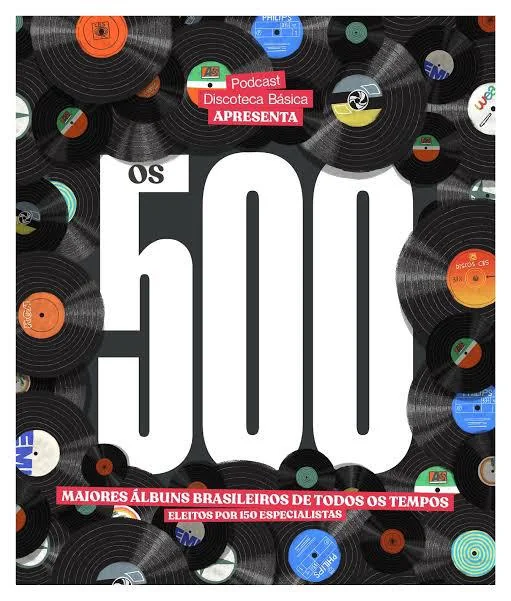
Os 500 Maiores Álbuns Brasileiros de Todos os Tempos
Ricardo Alexandre · 2022
The largest Brazilian music election ever conducted: 162 specialists, spanning journalists, critics, musicians, producers and podcasters, each nominated 50 essential albums, supported by a masterlist of more than 2,000 works. Led by Ricardo Alexandre with tabulation by Sérgio Jomori, it was published in December 2022 as a 200-page hardcover book with graphic design by Fernando Pires.
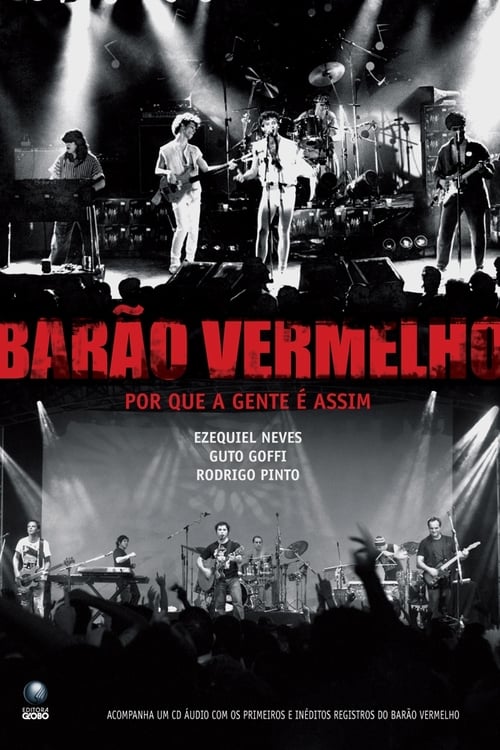
Barão Vermelho
Ezequiel Neves, Rodrigo Pinto, Guto Goffi · 2007
This is the biography of the band Barão Vermelho, co-written by drummer Guto Goffi and producer Ezequiel Neves. The book details the group's formation and its early years, with direct references to Cazuza's arrival and the initial success of songs like "Billy the Kid", a track featured on their 1982 debut album. It is a fundamental source for understanding the creation and impact of the album "Barão Vermelho".
Analyses
Barão Vermelho – Wikipedia
Wikipedia, the free encyclopaedia

Barão Vermelho - Barão Vermelho (Edição Especial 30 Anos) (1982)
tabernanovostempos.blogspot.com
Released on 27 September 1982, Barão Vermelho's debut album captured the raw energy and irreverence of a youth yearning for freedom. Recorded with intensity and spontaneity, the album became a landmark of BRock, the movement that redefined Brazilian music in the 1980s.
Barão Vermelho (1982) - A História do Disco
ahistoriadodisco.com.br
We can state that this album was a game-changer for Brazilian rock bands, not least because Barão Vermelho was one of the first national bands to gain media prominence, achieving great success and reaching its peak at the first Rock In Rio in 1985.
Rocinante Três Selos lança a versão remixada em vinil do álbum Barão ...
revistaprosaversoearte.com
Barão Vermelho's 1982 debut album not only impacted big names in Brazilian music, such as Gilberto Gil and Caetano Veloso, but also established the band as the voice of a generation and ushered in what became known as rockBrasil.

A História do Disco: Barão Vermelho (1982)
ahistoriadodisco.blogspot.com
Hello everyone, how are you all doing? I hope you're well, I'm Flávio Oliveira and today we'll have a review about a very special band for roc...
