Maior Abandonado
Barão Vermelho
1984

Rankings
Why This Album Matters
Maior Abandonado, released in October 1984, stands as Barão Vermelho's third studio album and is widely acclaimed as the pinnacle of the band's discography, both by specialist critics and the public. It represents the creative and sonic climax of the original line-up, featuring Cazuza on vocals, Roberto Frejat on guitar, Dé Palmeira on bass, Maurício Barros on keyboards, and Guto Goffi on drums. It is in this work that the essence of rock, with poetic lyrics and the group's visceral energy, reaches its full potential. This album is particularly significant as it is the last recording by the band featuring Cazuza's distinctive voice and poetry in its classic formation, solidifying a style that would become a benchmark for Brazilian music.
Context
The release of Maior Abandonado occurred at a time of ascent for Barão Vermelho, driven by the success of the hit "Pro Dia Nascer Feliz". The band was then invited to compose and record the theme for the film Bete Balanço, and the eponymous song became one of the biggest successes of their career, catapulting both the film and album sales. This period of creative effervescence and public recognition, however, would culminate in Cazuza's departure in July 1985. The iconic vocalist left Barão Vermelho to pursue a solo career, marking the end of an era for the band's original line-up after rehearsals for the subsequent album.
Recording
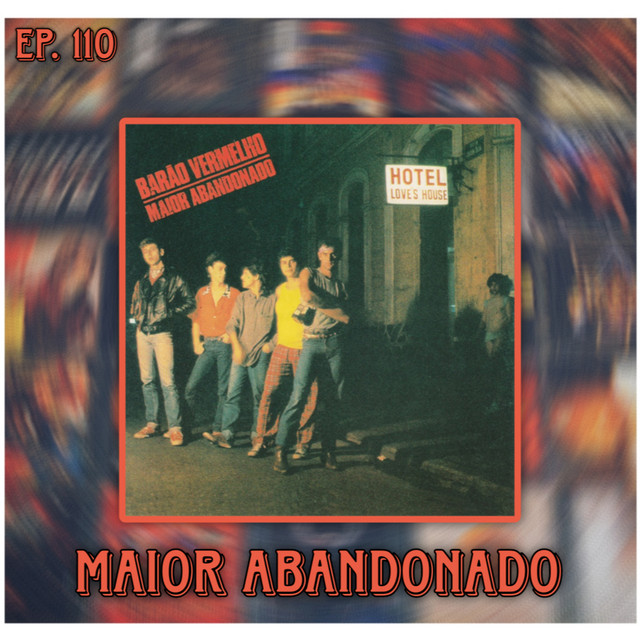
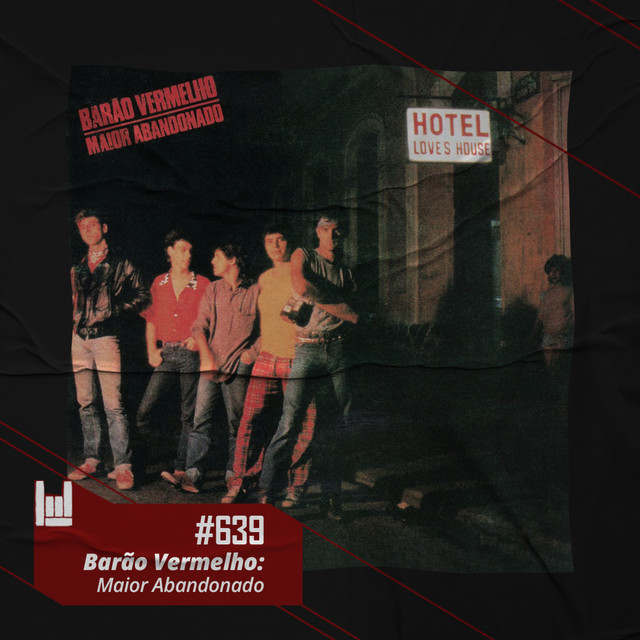
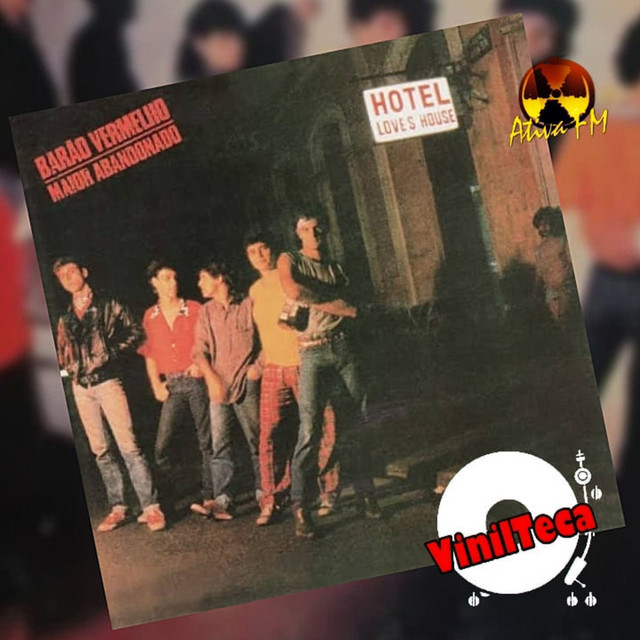
The production of Maior Abandonado was a collaborative effort between Ezequiel Neves and Barão Vermelho themselves, except for the track "Bete Balanço", which featured additional production by Andy Mills. Artistic direction was handled by Guto Graça Mello, with Jorge Guimarães on recording and mixing engineering, and mastering carried out at Promaster. The album's visual identity, a striking element, was created by Felipe Taborda and Marciso "Pena" Carvalho, in their first collaboration with the band. Frederico Mendes's photographs, including those for the booklet, were inspired by Richard Avedon and capture Barão Vermelho's provocative essence. The cover depicts the band members in front of a low-quality hotel, "Loves House", which was in fact a brothel, with the presence of a transvestite. The back cover complements the narrative with a photo of the band being searched by the police, in which the officers concealed their identifications for the staging, and a graffiti on the wall signed by Careca with the phrase "Faço da minha vida um cenário da minha tristeza".
Songs
The album is filled with compositions that became classics, predominantly written by the duo Cazuza and Frejat. In addition to the resounding success of "Bete Balanço", which boosted the album, the title track "Maior Abandonado" and the powerful "Por Que a Gente é Assim?" stand out. Another notable single, "Eu Queria Ter Uma Bomba", also featured on the soundtrack of the telenovela A Gata Comeu. An interesting fact about the album's title is the belief that it was inspired by the song "Desfigurado" by sambista Cartola, featured on his 1977 album Verde Que te Quero Rosa. The verse "Meu coração é pobre, magoado. Infeliz como menor abandonado" is said to have served as inspiration, strengthened by the fact that Cazuza was an avowed admirer of Cartola, having even re-recorded "O Mundo é um Moinho", an original hit by the samba master.
Legacy
Maior Abandonado not only solidified Barão Vermelho's position in the Brazilian music scene but also achieved significant commercial success, earning a gold record. Its repercussions were such that the album became a turning point in the band's career. One of the emblematic moments of its reception was Barão Vermelho's performance at Rock in Rio in January 1985, where the band was one of the few Brazilian acts to be spared boos, a testament to their growing popularity and acceptance. Its recognition as the band's best album, by both critics and the public, cemented its lasting relevance and influence in MPB and Brazilian rock.
Tracks
Credits
Guto Graça Mello
Barão Vermelho, Ezequiel Neves
Cazuza
Dé
Guto Goffi
Frejat
Maurício Barros
Ieddo Gouveia
Jorge "Gordo" Guimarães
Felipe Taborda
Frederico Mendes
Podcasts
Pod Discos · Jorge Andrade
No episódio 110° do Pod Discos, Jorge Andrade e Gleydson Alves comentam sobre álbum Maior Abandonado do Barão Vermelho!Maior Abandonado é o terceiro álbum de estúdio da banda brasileira, lançado em outubro de 1984 pela Opus Columbia. É considerado o melhor álbum da banda, tanto pela crítica especializada como pelo público. Foi o último com Cazuza nos vocais! o álbum teve clássicos como a faixa-tít
CMM · Crazy Metal Mind
Episódio originalmente publicado em 23/10/2023. No 639º episódio do Podcast mais Rock’n Roll da internets Rômulo Konzen, Daniel Iserhard e Patricia Giovanetti batem papo sobre o disco Maior Abandonado do Barão Vermelho. Trilha sonora do podcast (na ordem): *Barão Vermelho - Maior Abandonado *Barão Vermelho - Bete Balanço *Barão Vermelho - Maior Abandonado *Barão Vermelho - Baby Suporte *Barão
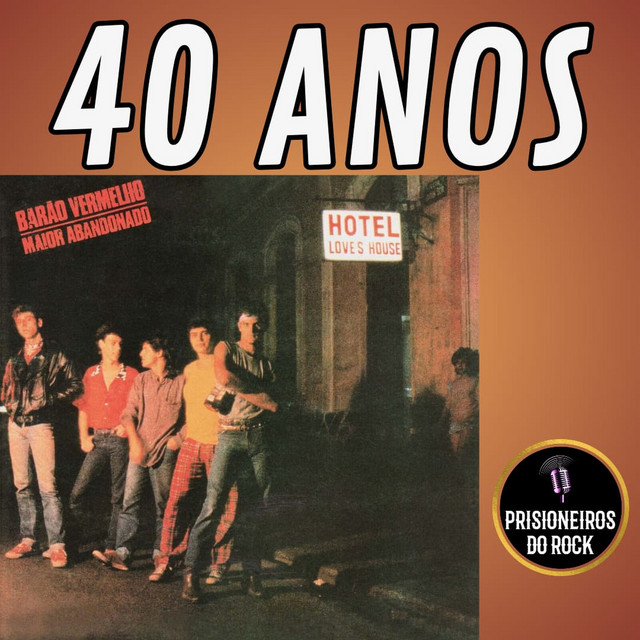
Chegando neste mês de outubro aos quarenta anos, Maior Abandonado é o terceiro álbum do Barão Vermelho e o último com a sua formação clássica, tendo Cazuza à frente. Aqui o Barão aprimora sua mistura de rock clássico e blues com boas pitadas de pop, uma boa produção e as cada vez melhores letras do Cazuza. Um disco que fala de fossa sem ser necessariamente depressivo. Que fala de boemia e fim de n
Farelos Musicais · Paulo Farelos
Seguindo a nossa cobertura do cenário do rock brasileiro dos anos 1980 hoje vamos falar sobre uma das grandes bandas daquela década: o Barão Vermelho! Falaremos do início com as letras e vocais do Cazuza, do período Frejat e também da fase mais recente com o Suricato assumindo como voz da banda carioca. Vamos analisar a letra da canção-título do álbum de maior sucesso do grupo: Maior Abandonado. P
Vinilteca · José Ono Junior e Guilherme Colpani
Em 1984, havia chegado a hora do sucesso da banda Barão Vermelho acontecer, numa época em que Cazuza era o vocalista. Eles tinham até então dois discos pouco vendidos nas lojas e estavam indo pro terceiro, com uma bagagem maior: duas canções regravadas por dois mestres da MPB, o tema de um filme que explodia no cinema e um sucesso rolando no rádio. Não tinha como não dar certo. A Vinilteca é um p
Videos
[AM#5] MAIOR ABANDONADO *Barão Vermelho* (DISCO) Análise [ALBUM REVIEW]
Guitardo Songs🎵
Barão Vermelho - Maior Abandonado ALBUM REVIEW
The Cookie Collector
Barão Vermelho | Maior Abandonado | Os Bastidores do Último Álbum de Cazuza no Barão Vermelho
Pitadas do Sal
Films

Books
Os 500 Maiores Álbuns Brasileiros de Todos os Tempos
Ricardo Alexandre · 2022
The largest Brazilian music election ever conducted: 162 specialists, spanning journalists, critics, musicians, producers and podcasters, each nominated 50 essential albums, supported by a masterlist of more than 2,000 works. Led by Ricardo Alexandre with tabulation by Sérgio Jomori, it was published in December 2022 as a 200-page hardcover book with graphic design by Fernando Pires.
300 Discos Importantes da Música Brasileira
Charles Gavin, Tárik de Souza, Carlos Calado, Arthur Dapieve · 2008
Conceived by Titãs drummer and musical researcher Charles Gavin, the 434-page book brings together covers and reviews of albums released between 1929 and 2007. The texts were written by journalists Tárik de Souza, Arthur Dapieve and Carlos Calado.
Barão Vermelho
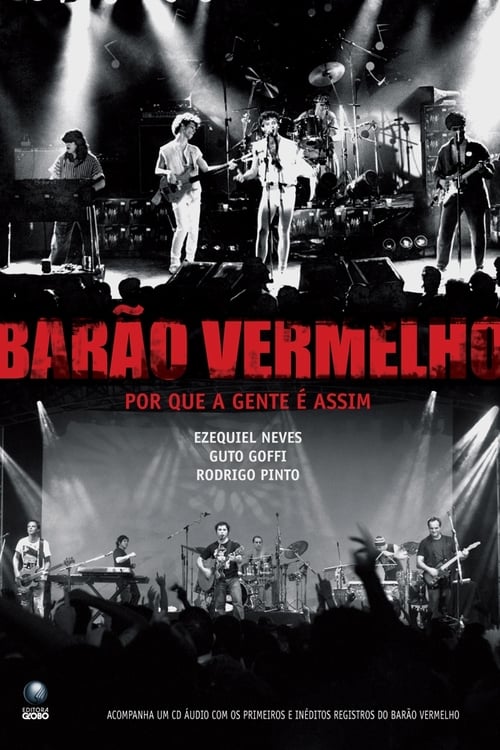
Ezequiel Neves, Rodrigo Pinto, Guto Goffi · 2007
Praça Del Vecchio, Rio de Janeiro. One... Two... Three... Four! Guto Goffi's count on the drums was the signal. Then came the bass chords from Dé, Frejat's guitar, and Maurício Barros's keyboards. Next, Cazuza's voice came in with Billy the Kid, which would become Barão's first big hit.
O Melhor de Barão Vermelho
Barão Vermelho, Barão Vermelho (Musical group) · 2000
An album containing the band's history, narrated by journalist Jamari França, and the arrangements of 32 of their greatest hits, revised by the guitarist and band leader Roberto Frejat, including: Amor meu grande amor, Bete balanço, Daqui por diante, Dignidade, Eu queria ter uma bomba, Flores do mal, Ma...
Analyses
Maior Abandonado – Wikipedia
Wikipedia, the free encyclopaedia

"Maior Abandonado" (1984): álbum do Barão Vermelho expôs os ...
ogambiarracultural.blogspot.com
An innovative album by the band Barão Vermelho ingeniously demonstrated the contradictions of being young in Rio de Janeiro, and put urban sociology on the agenda. The group, formed by Cazuza, Frejat, Guto Goffi, Sérgio Serra and Maurício Barros, might not have had a clear political ideology at that time.

"Maior Abandonado" (Opus/Columbia, 1984), Barão Vermelho
discosessenciais.blogspot.com
Well-received by critics, Maior Abandonado was Barão Vermelho's first commercially successful album, selling over 100,000 copies and earning a gold record.
Como 'Maior Abandonado' mudou a história de Cazuza e do Barão Vermelho ...
rollingstone.com.br
Even after two albums, Cazuza and Frejat's group was still struggling to take off - it was only with a series of turnarounds and sound decisions, brought together in 'Maior Abandonado', that Barão Vermelho would go from being a promise to a protagonist of national rock.
Barão Vermelho: o rock despojado e "stoneano" - HojePR
hojepr.com
Maior Abandonado was the last album with Cazuza and the original line-up: Roberto Frejat, Guto Goffi, Dé Palmeira and Maurício Barros. Produced by Ezequiel Neves and Barão itself, the album earned a gold record at the time. It is the best of the band's career, with unforgettable hits.