Tanto Tempo
Bebel Gilberto
2000

Rankings
Why This Album Matters
Released in 2000, Bebel Gilberto's Tanto Tempo is a landmark in contemporary Brazilian music, redefining bossa nova for the 21st century by infusing it with electronic elements and a 'chill-out' aesthetic. The album quickly became a global phenomenon, celebrating the sweetness and sophistication of Brazilian music with a modern, accessible guise. Its unique sound, which blends the melancholic heritage of bossa nova with subtle electronic beats, created an atmosphere that was simultaneously familiar and innovative, capturing the spirit of an era and setting a new standard for genre fusion. This work represents the distillation of years of experimentation and Bebel Gilberto's search for her own voice, moving away from imitating the past to instead gently bend tradition towards the future. The record is an exquisite example of how bossa nova can be reimagined, maintaining its understated elegance and emotional sensibility, while simultaneously absorbing global influences. Tanto Tempo is not just an album, but an auditory experience that invites introspection and relaxation, solidifying Bebel Gilberto's position as one of the most relevant figures in Brazilian music on the international stage.
Context
Bebel Gilberto, daughter of bossa nova icons João Gilberto and Miúcha, and niece of Chico Buarque, grew up immersed in high-quality Brazilian music. Despite her illustrious lineage, Bebel spent most of her early career seeking to forge her own artistic identity, which included a phase of diverse collaborations and musical experimentation. After a six-year hiatus from her solo career, she moved to New York in 1991, where she became fascinated by the growing interest in bossa nova and the electronic scene. During this period, Bebel collaborated with artists such as David Byrne, Towa Tei, and participated in projects like Red Hot + Rio, exploring the fusion of Brazilian rhythms with lo-fi electronic beats. Tanto Tempo emerged as the culmination of this journey, where she finally found her own sound, aligning her musical heritage with contemporary ambient and downtempo trends. The album's title, which means 'so much time', is a symbolic reference to her long search to define her artistic expression.
Recording
The album Tanto Tempo was produced by Suba, a talented Serbian producer based in São Paulo, and co-produced by Béco Dranoff for Crammed Discs' Ziriguiboom label. The record's production stood out for its modernist approach, which blended Suba's typical electronic arrangements with contributions from renowned 'electro-brasilophiles' such as Thievery Corporation, Mario Caldato Jr., and the artist Amon Tobin, whose track 'Nova' served as the basis for the song "Samba da Benção". The recording featured an impressive list of musicians, combining Brazilian veterans such as pianist and arranger João Donato, guitarists Celso Fonseca and Luis do Monte, percussionists João Parahyba and Carlinhos Brown, and drummer Robertinho Silva. This fusion of traditional instrumentalists with Suba's meticulous electronic production resulted in a sound that evoked '70s samba-soul-funk with a contemporary sensibility. Tragically, Suba died from smoke inhalation in a studio fire, shortly before the album's release, while saving the newly finalised recordings, an event that added a melancholic and poetic aura to the record's history.
Songs
Tanto Tempo's repertoire is a skillful blend of original compositions and reverent reinterpretations of Brazilian music classics. Of the album's eleven tracks, seven are original compositions, many of them collaborations, such as the title track "Tanto Tempo" (with Suba and Gilberto Gil) and "August Day Song" (with Nina Miranda and Chris Franck). Bebel also revives "Mais Feliz", a partnership with the late Cazuza, highlighting her connection with the lyrical and emotional universe of Brazilian rock. Among the reinterpretations, notable versions include "Samba da Benção" (Vinicius de Moraes and Baden Powell), "Samba de Verão" (Marcos Valle and Paulo Sérgio Valle), "Bananeira" (Gilberto Gil and João Donato, the latter participating in the re-recording) and "Samba e Amor" (Chico Buarque). Bebel's voice is consistently praised for its sensuality, depth, and the ability to create a hypnotic atmosphere, flowing between Portuguese and English with characteristic lightness. The album's songs navigate between pop and bossa nova, evoking a bittersweet sense of 'saudade', a Carioca nostalgia that transports the listener to Brazil's iconic landscapes.
Legacy
Tanto Tempo achieved remarkable commercial success, selling over one million copies worldwide by 2004. In 2011, it received a platinum award from the Independent Music Companies Association for having sold at least 400,000 copies in Europe. In the United States, the album sold 309,000 copies by 2009, solidifying Bebel Gilberto's position as one of the best-selling Brazilian artists in the country since the 1960s. Tanto Tempo's cultural impact was equally significant. The album was included in the prestigious book "1001 Álbuns que Você Precisa Ouvir Antes de Morrer" and is part of the list of the 500 greatest Brazilian music records, a poll conducted by the Discoteca Básica podcast in 2022. This critical and popular recognition established Bebel Gilberto as an innovative voice in global music culture, with her captivating fusion of traditional Brazilian sounds and global electronic music, becoming a favourite in clubs around the world.
Tracks
Podcasts
Carl Landry Record Club · Spike Eskin & Mutlu
Albums discussed are Black Sabbath’s ‘Paranoid’ (8:55) and Bebel Gilberto’s ‘Tanto Tempo (43:20). We also discuss the new Olivia Rodrigo song ‘Vampire’ (1:07). To get tickets for the Make The World Better Foundation concert tailgate, go to: https://mtwb.ticketleap.com/make-the-world-better-benefit-concert-tailgate/ To suggest an album for CLRC do any of the following: * Leave a review on Apple P
Books
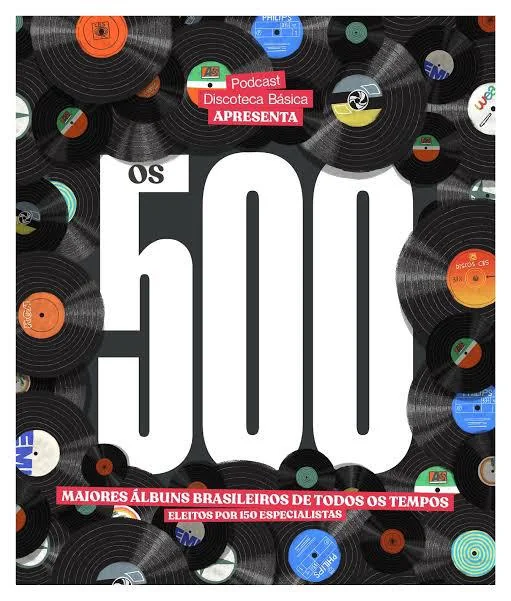
Os 500 Maiores Álbuns Brasileiros de Todos os Tempos
Ricardo Alexandre · 2022
The largest Brazilian music election ever conducted: 162 specialists, spanning journalists, critics, musicians, producers and podcasters, each nominated 50 essential albums, supported by a masterlist of more than 2,000 works. Led by Ricardo Alexandre with tabulation by Sérgio Jomori, it was published in December 2022 as a 200-page hardcover book with graphic design by Fernando Pires.
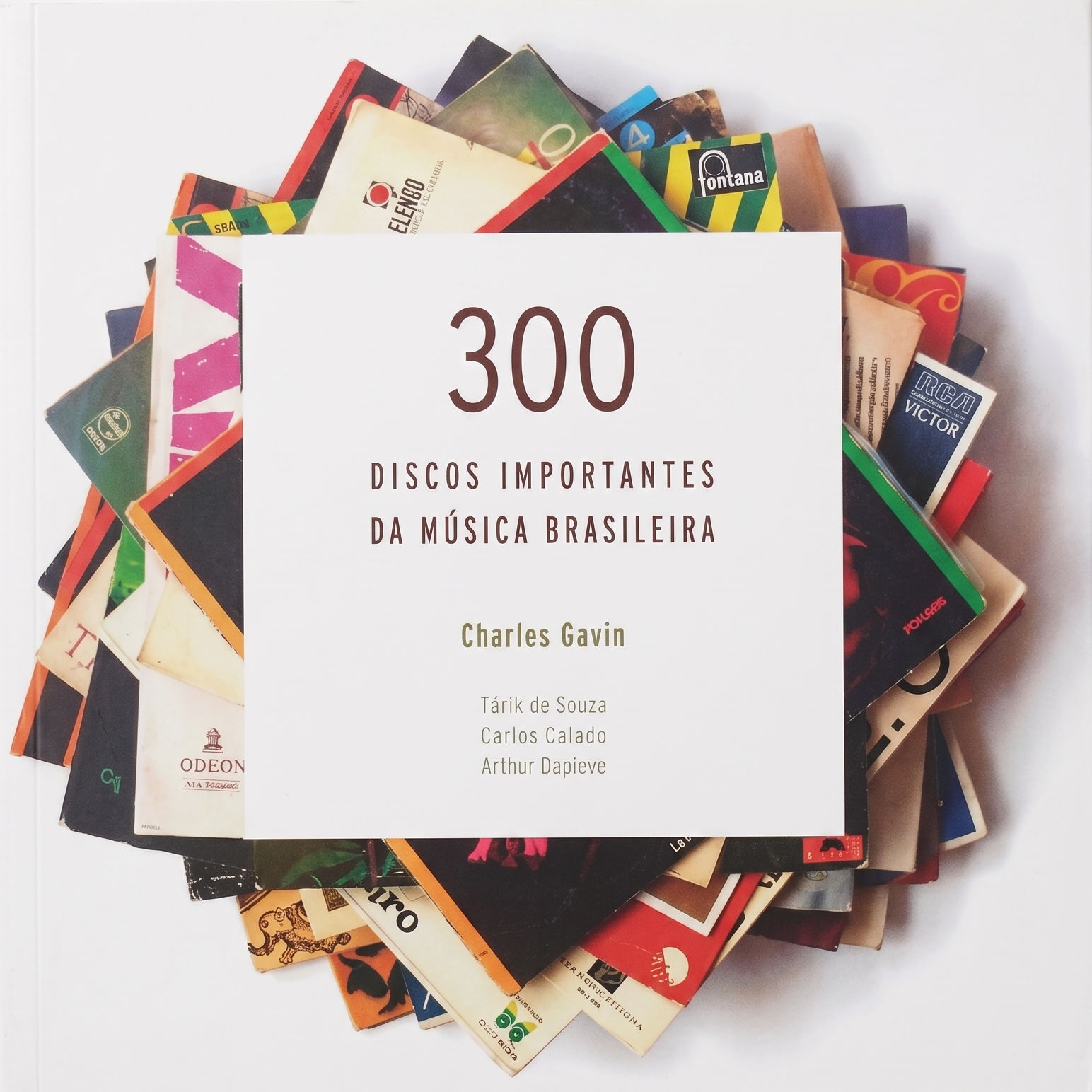
300 Discos Importantes da Música Brasileira
Charles Gavin, Tárik de Souza, Carlos Calado, Arthur Dapieve · 2008
Conceived by Titãs drummer and musical researcher Charles Gavin, the 434-page book brings together covers and reviews of albums released between 1929 and 2007. The texts were written by journalists Tárik de Souza, Arthur Dapieve and Carlos Calado.
Analyses
Tanto Tempo – Wikipedia
Wikipedia, the free encyclopaedia
SoundStage! Bebel Gilberto - Tanto Tempo
soundstagehifi.com
SoundStage! Bebel Gilberto - Tanto Tempo September 2000 Bebel Gilberto - Tanto Tempo Six Degrees Records 657036 1026-2 Released: 2000 by Todd Warnke todd@soundstage.com Musical Performance Recording Quality Overall Enjoyment
BBC - Music - Review of Bebel Gilberto - Tanto Tempo
bbc.co.uk
BBC Review Bossa hits the 21st century with the debut album from Bebel Gilberto (daughter of Joao). Nick Reynolds 2002
Bebel Gilberto - Tanto Tempo - Review - Wikidot
1001albumsyoumusthearbeforeyoudie.wikidot.com
The featured classic album is "Tanto Tempo" by Bebel Gilberto (Ziriguiboom, 2000) - "bossa hits the 21st century with the debut album from Bebel Gilberto (daughter of Joao)"
Tanto tempo - Bebel Gilberto | The Greatest Music
thegreatestmusic.org
Explore our in-depth review and ranking of Tanto tempo by Bebel Gilberto. Features, track listings, and why it's one of the greatest albums in Bossa Nova history.