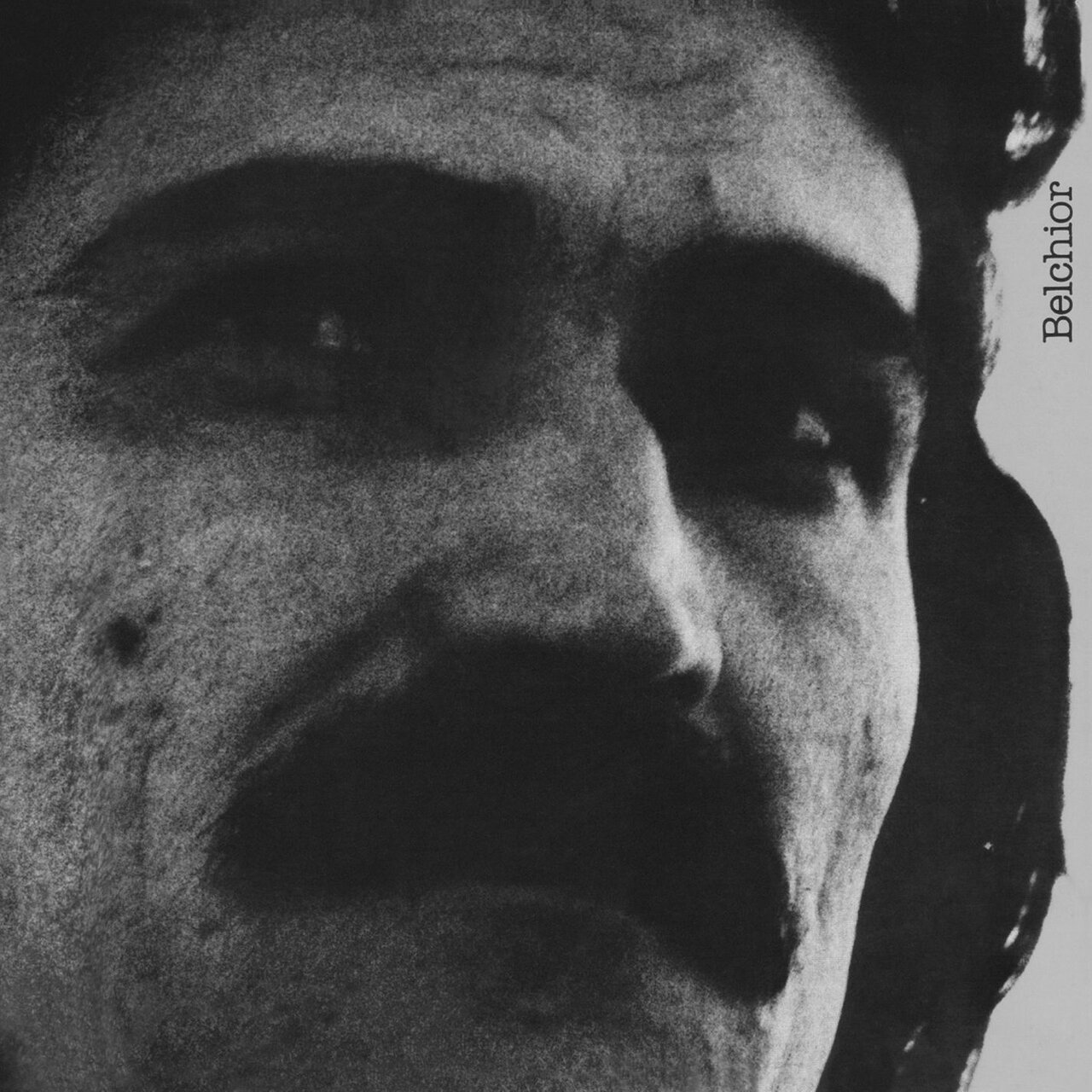
Era uma Vez um Homem e o Seu Tempo
Belchior
1979
Rankings
Why This Album Matters
Era uma Vez um Homem e o Seu Tempo, released by Belchior in 1979, is a landmark in his discography and in Brazilian Popular Music, consolidating the artist's unique lyrical and musical style. The album is a super classic, frequently cited as one of the great albums produced by Belchior during his most prolific decade, between 1974 and 1979. In this work, Belchior deepens his poetic and philosophical vein, blending MPB with influences from rock, blues, and folk in a way that distinguishes him from his contemporaries. His lyrics, rich in metalanguage and intertextuality, explore the human condition, Brazilian identity, and the anxieties of a generation during a period of profound social and political transformations. The album stands out for its thematic and linguistic originality, with compositions that transcend the musical universe, remaining as verses of clear literary quality. Belchior reveals himself as a craftsman of words, capable of transforming his songs into documents of an era, reflecting the experiences of the common individual in the face of Latin American realities.
Context
The album was released in 1979, a period of political transition in Brazil marked by the weakening of the military dictatorship and the promulgation of the Amnesty Law. In this setting of ferment and hope for change, Belchior's lyrics gained even greater resonance, capturing the sentiments of a society that was beginning to glimpse the end of a repressive cycle. Belchior had already achieved national and international recognition with the acclaimed album Alucinação (1976), establishing himself as a fundamental voice of MPB. His work is intrinsically linked to his Northeastern origins, frequently addressing the theme of the migrant and the social realities of Brazil.
Recording
Era uma Vez um Homem e o Seu Tempo was produced by Guti and released by the WEA record label. The recording featured the participation of talented musicians who contributed to the album's distinctive sound. Robson Jorge played piano and shared the basic arrangements with Palhinha. The album also featured the collaboration of Gilberto Gil on the last track of side B, and Lincon Olivetti, who had previously worked with Belchior on the album Todos os Sentidos, participated on two tracks. The richness of the arrangements and the quality of the production contributed to the expressiveness of Belchior's compositions.
Songs
The 11 tracks on the album showcase Belchior's lyrical depth and insight. Among the highlights is "Medo de Avião", which became a major popular success and appears in two versions on the album. "Pequeno Perfil de Um Cidadão Comum" is a notable partnership with Toquinho, while "Comentário a Respeito de John" displays Belchior's characteristic irony, with the line "Saia do meu caminho/Eu prefiro andar sozinho". The song "Tudo Outra Vez" is often interpreted as a portrayal of the feelings of exiles from the military dictatorship, featuring a striking accordion and harmonica sound. "Meu Cordial Brasileiro" offers a sharp critique of society and the regime of the time, while "Retórica Sentimental" presents itself as an animated blues that contrasts with the seriousness of its lyrics. Belchior's lyrics on this album engage with concrete poetry and stand out for their combination of stylistic devices such as metalanguage, pluridiscourse, and intertextuality.
Legacy
Although the album Alucinação (1976) is often considered his masterpiece, Era uma Vez um Homem e o Seu Tempo is recognised as one of the most important in Belchior's career. The album ranks second in terms of the number of the composer's songs on the most-played lists, demonstrating its enduring appeal and reach. Belchior's songs have become anthems for generations, and his albums are seen as documents of an era, reflecting the anxieties and questions of a Brazil in transition. His ability to blend the language of Northeastern Brazilian folk singing (cantoria nordestina) with elements of rock and folk, coupled with the profundity of his lyrics, solidified his legacy as one of the giants of Brazilian music and a unique poet.
Tracks
Credits
Palhinha, Robson Jorge
Guti Carvalho
Belchior, Gilberto Gil, José Luis Penna, Toquinho
Chiquinho do Acordeon
Gilberto Gil, Paulinho Soledade
Paulo César Barros
Robertinho Silva
Palhinha, Rick Ferreira
Mauricio Einhorn
Robson Jorge
Lincoln Olivetti
Guti Carvalho, Vitor Farias
Claudinho, Vitor Farias, Waldir Pinheiro
Claudio Carvalho
Noguchi
Fernando De Carvalho
Films

Books

Analyses
Discos Escondidos #024: Belchior - Era uma vez um homem e seu tempo (1979)
ojardimeletrico.com
'Era uma vez um homem e seu tempo' is the singer's fifth studio album, released in 1979, and which opens with one of Bêlch's best-known tracks: 'Medo de avião'.
Belchior - Belchior ou Era Uma Vez o Homem e Seu Tempo
umcatalogo.substack.com
I grew up with this duality: a fake Cearense and a phoney Gaúcha, but always certain that Ceará was 'superior' – for its climate, its beauty, its life, and, most of all, its people. I was born in 1988 and it took me a while to be introduced to Belchior.
Belchior - Era uma Vez um Homem e Seu Tempo (1979) +SCANS
musicasdonordeste.net
'Era uma vez um homem e seu tempo' is the fifth album recorded by singer and songwriter Belchior in 1979, which featured important successes of his career, such as 'Medo de Avião', 'Brasileiramente linda', 'Comentário a respeito de John' and 'Meu cordial brasileiro'.

Belchior - Era Uma Vez Um Homem E O Seu Tempo (1979) - BR 320
br320.blogspot.com
'Era uma vez um homem e seu tempo' is the fifth album recorded by singer and songwriter Belchior in 1979, which featured important successes of his career, such as 'Medo de Avião', 'Brasileiramente linda', 'Comentário a respeito de John' and 'Meu cordial brasileiro'.