Benedito Lacerda e Pixinguinha
Benedito Lacerda e Pixinguinha
1966
Rankings
Why This Album Matters
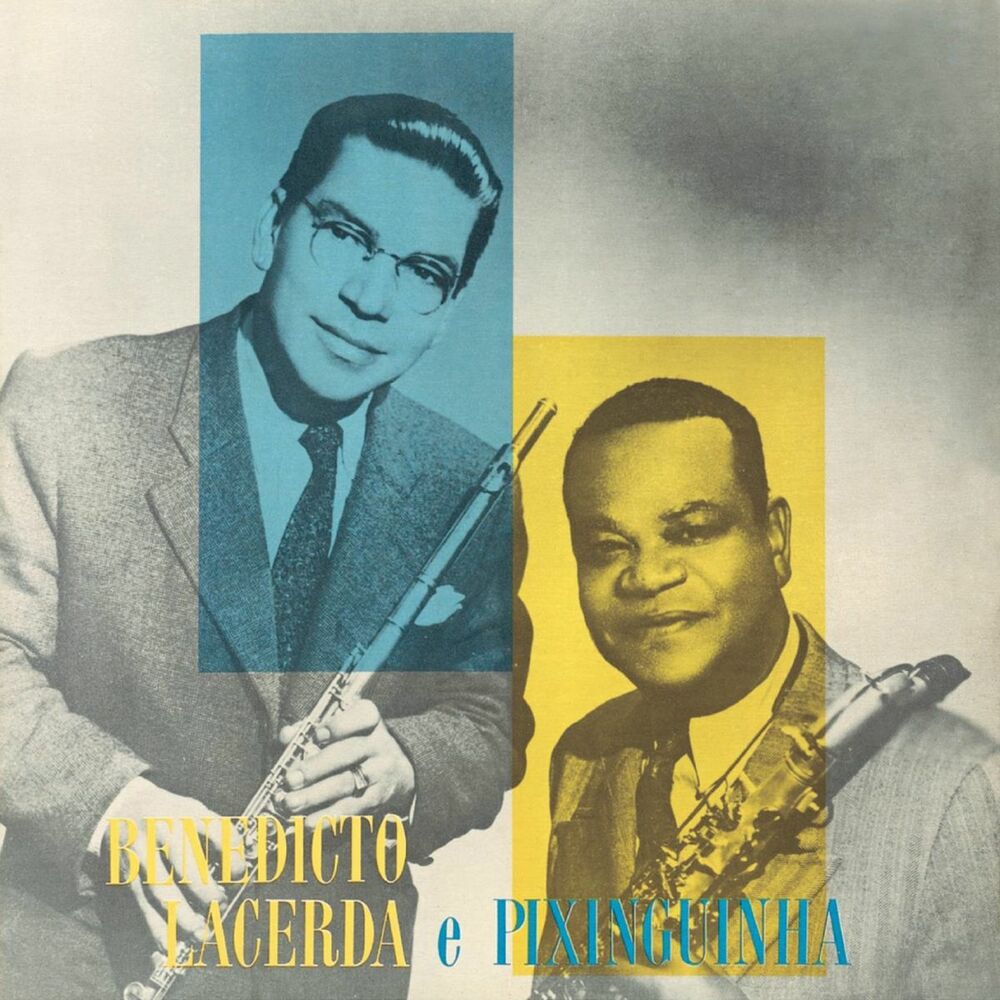
The album Benedito Lacerda e Pixinguinha, released in 1966, is an essential compilation that brings together some of the most sublime and dazzling choro instrumentations by two masters of the genre. It functions as a time capsule, reviving classic melodies for a new generation, demonstrating the timelessness of high-quality Brazilian music. This unique work preserves the delicacy and elegance of choro from yesteryear, with the fragility of a salon band kept intact. The interaction between Benedito Lacerda on flute and Pixinguinha on tenor saxophone is the backbone of the album, with the musicians taking turns in the spotlight and engaging in a remarkable musical dialogue. The duo's interpretive style is marked by a freer, more colourful and rhythmically stimulating phrasing, which shaped a new approach to choro. The album, permeated by subtle humour, is described as playful, charming and vibrant, a true celebration of the musicality and friendship between two icons.
Context
Benedito Lacerda (1903-1958), flautist, composer and conductor, and Pixinguinha (Alfredo da Rocha Viana Filho), composer, arranger and multi-instrumentalist, are central figures in the history of Brazilian music, especially in the development of choro. Their partnership began around 1946, a period in which Benedito Lacerda played a crucial role in reintegrating Pixinguinha into the world of recordings during a phase of personal and professional difficulties for the master. The 1966 album is, in fact, a compilation of recordings originally made between 1946 and 1950. It emerged at a time when bossa nova was gaining prominence, but there was still an interest in revisiting and celebrating the roots of Brazilian popular music.
Recording
The recordings that make up the album Benedito Lacerda e Pixinguinha were originally made between 1946 and 1950. These historical recordings were produced by the RCA Victor label. The duets feature Pixinguinha on tenor saxophone and Benedito Lacerda on flute, often accompanied by a regional ensemble. Although the sound engineering is considered rudimentary by current standards, sometimes resulting in a distorted sound, the original charm of the vibrant melodies shines through with clarity.
Songs
Comprising 12 instrumental tracks, the album features a repertoire that includes classics such as "Um a Zero", "Naquele Tempo", "André de Sapato Novo", "Atraente", "Ainda Me Recordo", "O Gato E O Canário", "Vou Vivendo", "Displicente", "Sofres Porque Queres" and "Soluços". "Um a Zero" stands out as one of Pixinguinha's best-known compositions, showcasing Benedito Lacerda's technique and soul. The duo's interpretations are characterised by Lacerda's inventive phrasing and Pixinguinha's innovative counterpoints on the tenor saxophone, creating a freer and more rhythmically engaging choro style. The constant exchange of musical ideas, with the instrumentalists quoting and interacting with each other, demonstrates their profound artistic connection.
Legacy
Released as an LP in 1966, the album Benedito Lacerda e Pixinguinha played an important role in reawakening classic melodies for an audience already immersed in the world of bossa nova. The recordings contained on this record are considered fundamental to the history of choro. The collaboration between Pixinguinha and Benedito Lacerda is recognised as one of Brazil's most important instrumental duos, with historical recordings that were crucial for the development of counterpoint on the seven-string guitar in choro and samba. The album has been re-released on several occasions, including a CD version in 2004, supervised by Charles Gavin, confirming its lasting relevance to Brazilian music.
Tracks
Credits
Geraldo Santos
Films

Books
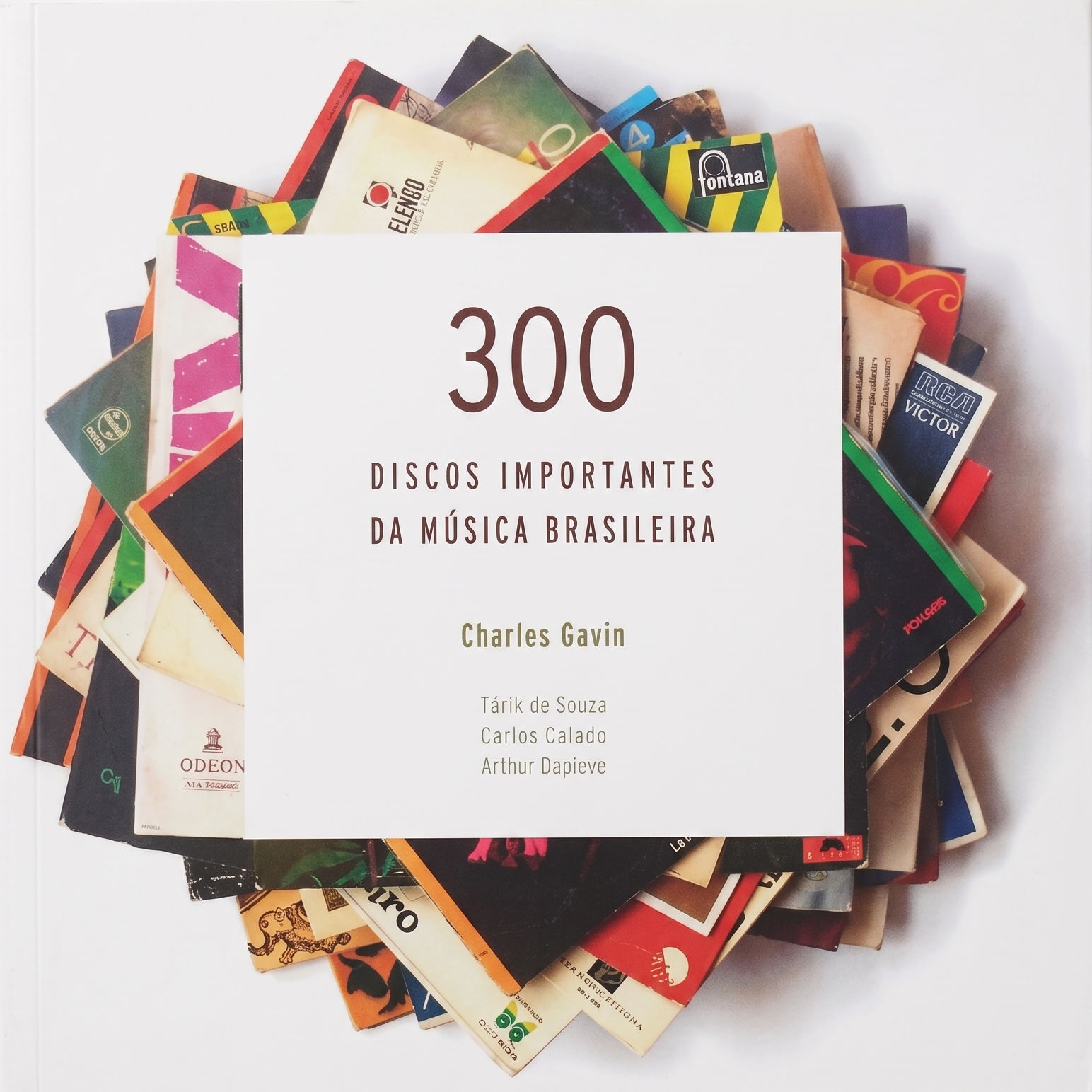
300 Discos Importantes da Música Brasileira
Charles Gavin, Tárik de Souza, Carlos Calado, Arthur Dapieve · 2008
Conceived by Titãs drummer and musical researcher Charles Gavin, the 434-page book brings together covers and reviews of albums released between 1929 and 2007. The texts were written by journalists Tárik de Souza, Arthur Dapieve and Carlos Calado.
O lendário Pixinguinha
Sebastião Braga · 1997
This work presents a detailed biography of Pixinguinha, addressing his musical trajectory, compositions, and the importance of his figure for the development of choro and Brazilian popular music. It discusses his collaborations and the legacy he left as one of Brazil's greatest instrumentalists and arrangers.
