De Pé no Chão
Beth Carvalho
1978
Rankings
Why This Album Matters
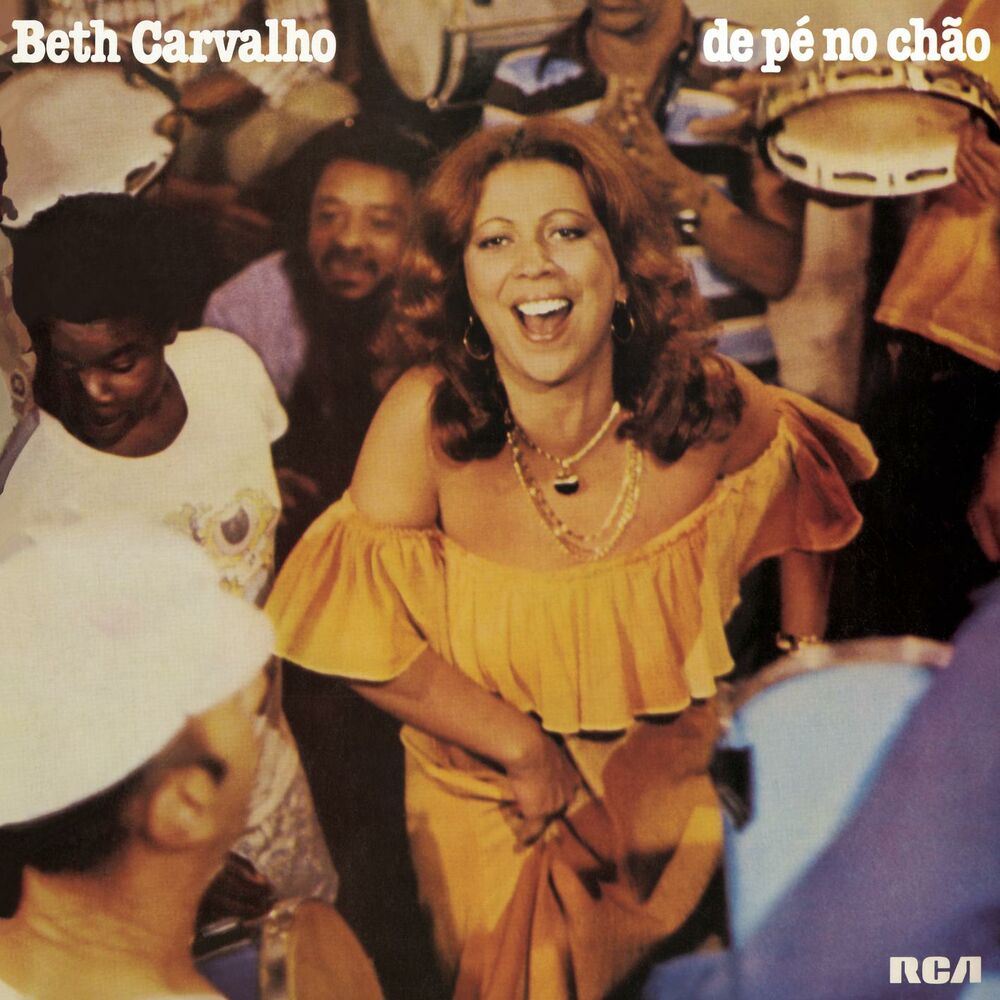
De Pé no Chão, released by Beth Carvalho in 1978, is a watershed album in the history of Brazilian music, recognised as the birth certificate of the movement that would become known as carioca pagode. With this work, Beth Carvalho brought a new 'swing' from the suburbs to samba, transforming the genre's sound and paving the way for a new musical lineage. The album represents a fundamental milestone, which not only solidified Beth's position as one of samba's greatest interpreters, but also as a tireless discoverer and supporter of new talent, and a pillar for the genre's renewal.
Context
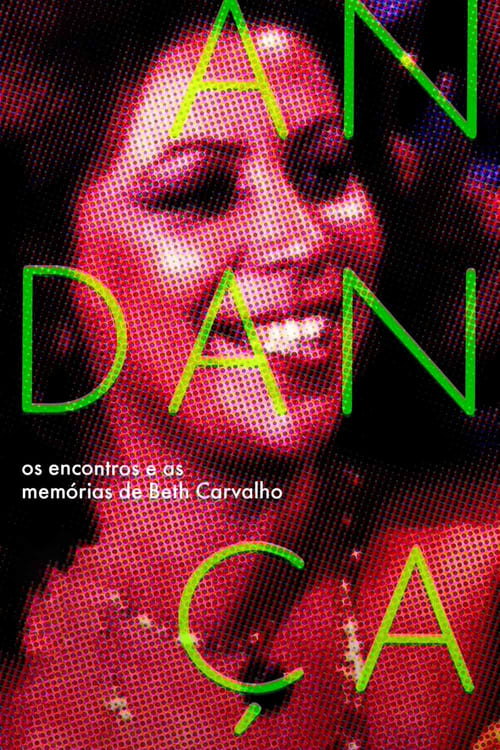
In the effervescent 1970s, Beth Carvalho emerged as a transformative figure in the samba scene, alongside other female icons such as Clara Nunes and Alcione, who challenged gender barriers in a predominantly male universe. Before De Pé no Chão, Beth had already achieved national prominence with the success of "Andança" in 1969 and consolidated her status as a samba star with "1800 Colinas" in 1974. In 1976, she signed with RCA Victor, and in 1977 released Mundo Melhor, which featured the unreleased track "As Rosas Não Falam" by Cartola. The album De Pé no Chão was released in 1978, a period of political transition in Brazil, with the military regime worn down and the beginning of the 'abertura' (opening) process, which would culminate in a reduction of censorship and the Amnesty Law, favouring a cultural and musical explosion in the country.
Recording
The recording of De Pé no Chão is notable for Beth Carvalho's innovative collaboration with musicians from Cacique de Ramos, a carnival bloc known for its 'terreiro' and 'quintal' samba circles. Impressed by the quality and innovative nature of the samba practised by these artists, Beth invited them to participate in the album. Despite some musicians, such as Jorge Aragão, Almir Guineto, and Sombrinha, being inexperienced in recording albums, producer Rildo Hora managed to capture the relaxed atmosphere of the samba circles in the studio. This process introduced new instruments to samba, such as the banjo tuned like a cavaquinho, and a different way of playing traditional instruments like the tantã and repique de mão, whilst the tamborim, agogô, and reco-reco were set aside.
Songs
The album is replete with anthology tracks that have become samba classics. The opening track, "Vou Festejar", is a composition by Dida, Neoci, and Jorge Aragão, and is considered the song that paved the way for the members of Cacique de Ramos on the music scene, making its mark with its tribal and African rhythm. Other notable songs include "Goiabada Cascão" and "Agoniza, mas não Morre". The album also features "Linda Borboleta", lyrics by Paulo da Portela set to music by Monarco. The song selection demonstrates Beth's ability to preserve samba tradition whilst incorporating elements of renewal.
Legacy
De Pé no Chão sold over 500,000 copies, consolidating Beth Carvalho as one of the phonographic industry's leading sales record-holders. More than a commercial success, the album is considered a ground zero for carioca pagode, fundamentally altering the instrumentation and the way samba is performed. Its influence is compared to the bossa nova revolution by researcher Nei Lopes. The album opened doors for a new generation of sambistas and groups such as Zeca Pagodinho, Jorge Aragão, Fundo de Quintal, Jovelina Pérola Negra, and Almir Guineto, who emerged and redefined the genre after this work. Beth Carvalho, from this album onwards, consolidated her title of "Madrinha do Samba" and "Madrinha do Pagode" due to her role in revealing and supporting these new talents. The album is the subject of a book in the O Livro do Disco collection, authored by journalist Leonardo Bruno, which explores its relevance and impact.
Tracks
Podcasts
Olá, linguarudos! Nesse episódio, nós, Maumau e Lady, discutiremos sobre o álbum de 1978 da famosa sambista Beth Carvalho, De Pé no Chão. O álbum inclui, é claro, a famosíssima canção Vou Festejar.
“De Pé no Chão” é um divisor de águas tanto para a carreira de Beth Carvalho quanto para os rumos do samba. O disco de 1978 é uma representação muito forte de Beth enquanto artista e pesquisadora, que fazia das rodas de samba e dos pagodes o seu campo de ação na descoberta de novos talentos e de um olhar atento sobre o que era novo e forte. “De pé no chão” é considerado um marco zero do que seria
Videos
Beth Carvalho - "De Pé no Chão" (1978) | The Sound of Vinyl
Canal Brasil
Films

Books
Beth Carvalho: De pé no chão
Leonardo Bruno · 2022
"De pé no chão" is a fundamental album for the history of Brazilian music, the birth certificate of the movement that became known as carioca pagode. Samba, which emerged at the beginning of the 20th century with the 'bambas' of Estácio, underwent a significant transformation when, in 1978, Beth Carvalho brought musicians from the suburbs who would change the genre's direction. This book explores the importance of this album and its cultural impact.
Os 500 Maiores Álbuns Brasileiros de Todos os Tempos
Ricardo Alexandre · 2022
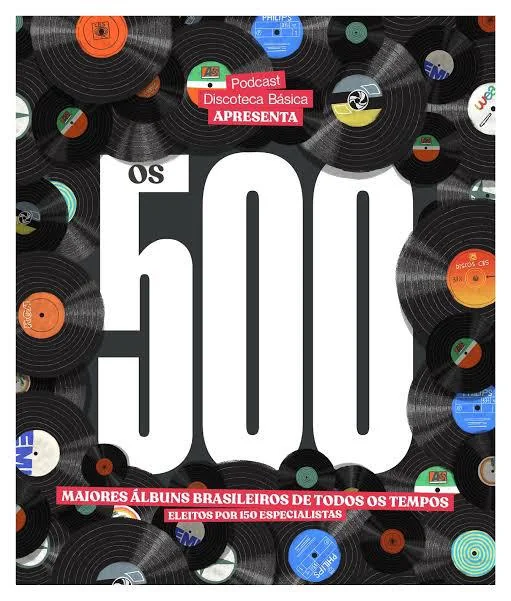
The largest Brazilian music election ever conducted: 162 specialists, spanning journalists, critics, musicians, producers and podcasters, each nominated 50 essential albums, supported by a masterlist of more than 2,000 works. Led by Ricardo Alexandre with tabulation by Sérgio Jomori, it was published in December 2022 as a 200-page hardcover book with graphic design by Fernando Pires.
300 Discos Importantes da Música Brasileira
Charles Gavin, Tárik de Souza, Carlos Calado, Arthur Dapieve · 2008
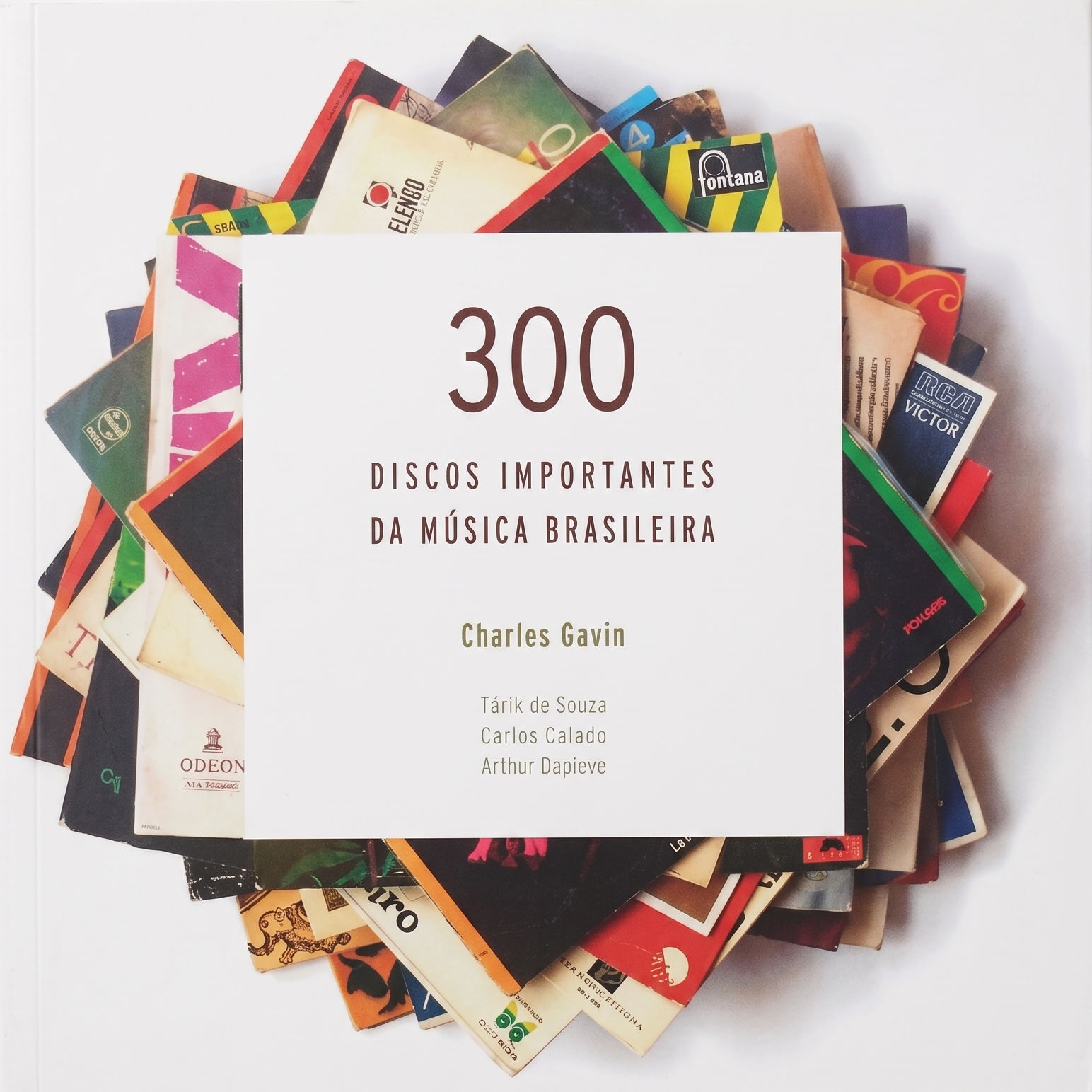
Conceived by Titãs drummer and musical researcher Charles Gavin, the 434-page book brings together covers and reviews of albums released between 1929 and 2007. The texts were written by journalists Tárik de Souza, Arthur Dapieve and Carlos Calado.
Analyses
"De pé no chão" (1978), Beth Carvalho - A música de
amusicade.com
Lying down, due to complications from a spinal illness, Beth performed the songs from the album De Pé no Chão, among other hits, moving everyone present. The album was dedicated to master Cartola.

"De Pé No Chão" (RCA-Victor, 1978), Beth Carvalho
discosessenciais.blogspot.com
Titled De Pé No Chão, the album opens with the legendary "Vou Festejar", which, before Beth, had been offered to Elza Soares. It features a "tribal", organic, intense percussive load, characteristic elements of the samba sound of Cacique de Ramos.
O álbum Pé no chão e outra linhagem do samba - Unesp
repositorio.unesp.br
This work focuses on the second half of the post bossa nova samba history, in the late 70s and early 80s, more precisely in 1978, the year of the release of "Pé no Chão", the eleventh LP album by Beth Carvalho, a singer, instrumentalist and composer, also known as "Godmother of Samba".
Clássicos VFSM #076 - Beth Carvalho: "De Pé no Chão"
vamosfalarsobremusica.com.br
"De Pé no Chão" is a watershed moment both for Beth Carvalho's career and for the direction of samba.
"Beth Carvalho: De pé no chão": livro analisa álbum divisor de águas na ...
radios.ebc.com.br
Among the fundamental milestones in samba history, the album De Pé no Chão, released by Beth Carvalho in 1978, has a guaranteed place. The album captured, for the first time, the atmosphere of the pagodes, the samba gatherings that took place at the Cacique de Ramos block's court in Rio de Janeiro.