Amor de Índio
Beto Guedes
1978

Rankings
Why This Album Matters
Amor de Índio, released in 1978, represents a milestone in Beto Guedes' discography and in Brazilian Popular Music, being his second studio album. It is in this work that the singer-songwriter from Minas Gerais solidifies his musical identity, delivering a piece that overflows with the essence of Clube da Esquina, featuring elaborate arrangements and profoundly poetic lyrics. The album is a notable example of how 70s MPB absorbed diverse influences, creating a distinctive and inviting sound. The record stands out for its dreamlike and atmospheric sound, which harmonises Mineiran rural folk with indigenous rhythms, elements of progressive and psychedelic rock, and echoes of The Beatles post-Abbey Road. Beto Guedes explores a musical terrain difficult to define, blending pop, rock, jazz, and regional Brazilian styles in a unique way. The title track, in particular, became one of the greatest successes of his career, a true hymn to life and a celebration of his indigenous roots, permeated by a reverence for nature and the life cycle.
Context
Beto Guedes, born in Montes Claros, Minas Gerais, in 1951, already had a significant musical career before Amor de Índio. Son of fellow musician Godofredo Guedes, he began playing in bands as a teenager. At 18, he gained prominence by participating in the 5th International Song Festival with the song "Feira Moderna", a partnership with Lô Borges and Fernando Brant, which would later feature on this album. He was a central figure in the effervescent Clube da Esquina movement, alongside names such as Milton Nascimento, Lô Borges, and Fernando Brant, which fused Mineiran musical tradition with 60s rock and choro. In 1977, Beto released his first solo album, A Página do Relâmpago Elétrico, which garnered good radio reception. Amor de Índio arrived in 1978, a year that also saw the continuation of the Clube da Esquina legacy with the release of Clube da Esquina 2 by Milton Nascimento, reinforcing the collective's vitality and creativity during a period of political transition in Brazil, still under military dictatorship, where art frequently served as a means of expression and resilience.
Recording
The album Amor de Índio was recorded and released in 1978 by the EMI-Odeon label, with a total running time of 33:06. Production was handled by Mariozinho Rocha and Ronaldo Bastos, the latter also co-authoring important tracks. The recording engineers were Dacy* and Roberto Castro, with Nivaldo Duarte responsible for mixing. The liner notes reveal the instrumental richness and collaboration of prominent musicians. Beto Guedes not only lent his voice, but also demonstrated his versatility by playing guitar, bass, acoustic guitar, viola, mandolin, Venezuelan cuatro, Arp, drums, and percussion on various tracks, making extensive use of instruments reminiscent of the Baroque period. Accompanying him, heavyweights of the Brazilian music scene enriched the album: Milton Nascimento contributed acoustic guitar and vocals on the track "Gabriel", Toninho Horta added his guitar and orchestrations, and Wagner Tiso shone on piano, organ, Arp, as well as arranging and conducting. Other important musicians include Robertinho Silva on drums and percussion, Tavinho Moura on acoustic guitar and vocals, and Flávio Venturini on organ, piano, and Arp, among other instrumentalists. The LP cover is notable for replacing The Beatles' traditional apple logo with a pequi, a humorous and proud nod to Brazilian roots and culture.
Songs
The ten tracks on Amor de Índio form a mosaic of sensitivity and virtuosity. The title track, "Amor de Índio", a partnership between Beto Guedes and Ronaldo Bastos, is a timeless MPB classic, a composition that serves as a hymn to life, celebrating nature, love, and existence in a lyrical and poetic manner. Its lyrics, rich in symbolism and metaphors, evoke the sacredness of movement, natural cycles, work, and ancestral wisdom. Other highlights include "Novena", by Milton Nascimento and Márcio Borges, a lament masterfully performed, and the 'pop gem' "Feira Moderna", co-written with Fernando Brant and Lô Borges. The moving "Gabriel", another partnership with Ronaldo Bastos, is a tribute to Beto's son, born in April 1978, and proves to be a tender and delicate song. "Luz e Mistério", with Caetano Veloso, and "O Medo de Amar é o Medo de Ser Livre", with Fernando Brant, are compositions that offer intimate reflections accompanied by extraordinary musical backings. The album's melody and arrangements, influenced by the post-psychedelia of The Beatles, combine folk, rock, and jazz, creating a 'dreamy pop' sound that permeates the entire record, resulting in a collection of profoundly personal songs with a singular atmosphere.
Legacy
Amor de Índio cemented Beto Guedes' name in the history of Brazilian music, with the title track becoming one of the biggest successes of his career and an iconic phrase in popular song. The album, often considered one of the artist's finest works, is regularly celebrated and referenced as an emblematic MPB piece. Although it reached 411th position in a poll of music specialists from the Discoteca Básica podcast, Amor de Índio's cultural impact transcends rankings. The album is recognised for its profound message about connection to nature, indigenous spirituality, and the search for authenticity, capturing the country's essence. Its sound, which blends genres in an "indefinable" way, influenced generations of musicians and solidified the "dreamy pop" aesthetic of Minas Gerais, associated with Clube da Esquina, making it a reference for subsequent artists who sought to explore fusions between the regional and the universal.
Tracks
Videos
Análise da letra da música FEIRA MODERNA, do álbum Amor de Índio, do Beto Guedes.
diciomario
Análise Musical "Amor de Índio", de Beto Guedes - Tema de Pantanal - Juma e Joventino
Psicólogo Diêgo Avelar Diniz
Books
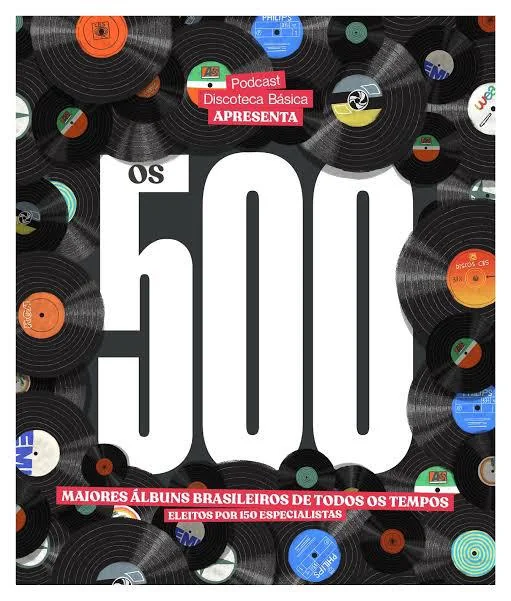
Os 500 Maiores Álbuns Brasileiros de Todos os Tempos
Ricardo Alexandre · 2022
The largest Brazilian music election ever conducted: 162 specialists, spanning journalists, critics, musicians, producers and podcasters, each nominated 50 essential albums, supported by a masterlist of more than 2,000 works. Led by Ricardo Alexandre with tabulation by Sérgio Jomori, it was published in December 2022 as a 200-page hardcover book with graphic design by Fernando Pires.

O Melhor de Beto Guedes
1997
This work likely compiles Beto Guedes' main compositions, offering sheet music, lyrics, and/or analyses of his most emblematic songs. It is highly probable that it includes the track 'Amor de Índio', one of his greatest successes and the album's title track.
Analyses
Amor de Índio – Wikipedia
Wikipedia, the free encyclopaedia
"Amor de Índio" de Beto Guedes: Tudo Sobre Essa Pérola da MPB ...
fastartweb.com
Discover Beto Guedes' "Amor de Índio" in this relaxed article full of info! See the history of the 1978 album and a lyric analysis.

ÁLBUNS FUNDAMENTAIS Especial 15 anos do ClyBlog - Beto Guedes - "Amor ...
cly-blog.blogspot.com
This 1978 album opens with a classic, heartfelt song by Beto himself in partnership with Ronaldo Bastos – "Amor de Índio" (the eponymous track), recorded and re-recorded by many other artists, a masterpiece.
#32 - Beto Guedes - Amor de Índio (1978) - Ranking dos (meus) 107 ...
pressenza.com
The title track of this album, a composition by Beto Guedes and Ronaldo Bastos, is one of the most unusual successes in all of Brazilian music, due to its musical elements. It is curious to note that, although much of what Guedes does is eccentric, this did not prevent him from enjoying wide popularity and a captive audience. Like many of the Clube da Esquina's records, Amor de Índio, the...
Beto Guedes e o seu "Amor de Índio" | Rockontro
rockontro.org
I started this way because it's September, but our subject is his sixth and best album: "Amor de Índio", released in 1978. Beto Guedes had already participated in four albums (three LPs and one single) before releasing "A Página do Relâmpago Elétrico", his first solo album, in 1977.