Alô Malandragem, Maloca o Flagrante!
Bezerra da Silva
1986

Rankings
Why This Album Matters
Alô Malandragem, Maloca o Flagrante!, released in 1986, is a striking example of the work of Bezerra da Silva, one of the greatest exponents of samba and, particularly, of 'partido-alto'. This album is placed within a period of significant career consolidation, following the success of the Partido Alto Nota 10 series, where Bezerra established himself as the voice of the marginalised population and Brazilian favelas. The artist used samba as a powerful vehicle to sing about social problems, operating on the delicate interface between marginality and the music industry. His approach was direct, visceral, and represented a reality often ignored, with the repertoire of his albums being supplied by anonymous composers, frequently ordinary workers, who translated the daily life of the streets and 'morros'. Even before the emergence of Brazilian hip hop, Bezerra da Silva already gave voice to this reality in an authentic and unmistakable way. The themes of his songs, present in this album, address the life of the people, exploitation, the oppression of workers, 'malandragem' (hustler culture), drug use, and the condemnation of informing, faithfully reflecting his social commitment and his engaged art.
Context
Bezerra da Silva's trajectory is a testament to resilience and reinvention. Born into poverty in Recife, he travelled to Rio de Janeiro at 15 in search of a better life, facing the harsh reality of working in civil construction and, for many years, living as a homeless person. It was after a period of great difficulty, and a reconnection with spirituality through an Umbanda terreiro, that Bezerra rediscovered his purpose in music. His musical journey began with coco, influenced by Jackson do Pandeiro, and evolved into samba, where he would become a central figure. Before Alô Malandragem, Maloca o Flagrante!, Bezerra had already recorded his first single in 1969 and LPs since 1975, but it was from the Partido Alto Nota 10 series that he found an even larger audience, solidifying his style and his relevance as a social chronicler. This album, released in 1986, represents the maturity of an artist who, with his life experience and talent, became the authentic voice of the peripheries.
Songs
The songs on Alô Malandragem, Maloca o Flagrante!, as well as a large part of Bezerra da Silva's discography from this period, are notable for their social themes and the origin of their compositions. The repertoire was frequently supplied by anonymous authors, many of them using pseudonyms to preserve their identity, who directly experienced the realities they sang about. Bezerra da Silva summarised the essence of these collaborators: "These songs I sing are by composers who are bricklayers' assistants, street vendors, one is unemployed, another cleans the lady's car and his wife is the cook." This approach ensured that the lyrics rawly and authentically addressed the problems of society and the favelas. Themes such as exploitation, the oppression suffered by workers, the figure of the 'malandro' (hustler) and of thieves on the fringes of the law, the issue of drug use, such as marijuana, and the vehement condemnation of "caguetagem" (informing on comrades) were constant. Bezerra da Silva's songs not only told stories but also expressed the voice and perspective of a marginalised people, with direct language representative of their culture.
Legacy
Bezerra da Silva's career, to which Alô Malandragem, Maloca o Flagrante! significantly contributed, totalled 28 albums and sales exceeding 3 million copies, resulting in 11 gold records, 3 platinum, and 1 double platinum. Despite being one of Brazil's most popular artists, Bezerra was notably ignored by the mainstream, which did not diminish his profound influence and recognition among the public and other artists. His legacy is vast and multifaceted, with tributes extending across various platforms. The sambista was the subject of the book "Bezerra da Silva - Produto do Morro" by Letícia Vianna, and his work was revisited in the album "Marcelo D2 canta Bezerra da Silva", released in 2010. In 2012, the documentary "Onde a coruja dorme" highlighted the anonymous composers behind his songs, which depicted Brazilian reality. Furthermore, Bezerra da Silva's unmistakable style, the "typical carioca malandro" with his boné brad brim, continues to inspire and be admired in samba circles, and he was honoured by the samba school Acadêmicos do Tucuruvi in the São Paulo Carnival in 2023.
Tracks
Credits
Aramis Barros
Films


Books
Álbum 3 – 1978 a 1993
Pedro Alexandre Sanches · 2024
This volume in the 'Álbum' series, authored by the renowned journalist and music critic Pedro Alexandre Sanches, analyses landmark Brazilian music albums released between 1978 and 1993. Considering that 'Alô Malandragem, Maloca o Flagrante!' is a relevant work from 1986, it is highly probable that the book will dedicate an in-depth analysis to this album within the context of its era.
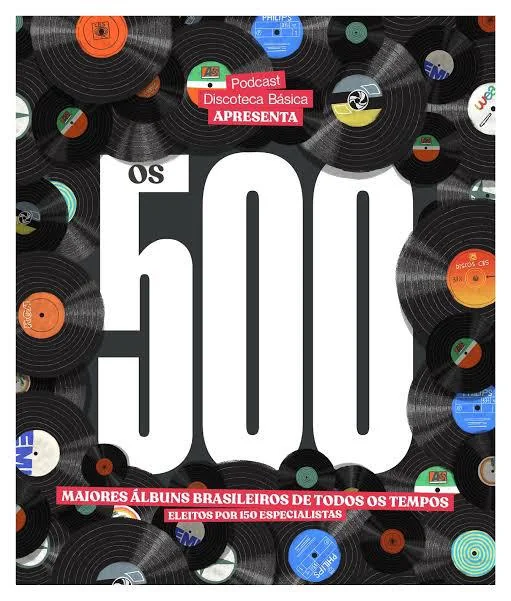
Os 500 Maiores Álbuns Brasileiros de Todos os Tempos
Ricardo Alexandre · 2022
The largest Brazilian music election ever conducted: 162 specialists, spanning journalists, critics, musicians, producers and podcasters, each nominated 50 essential albums, supported by a masterlist of more than 2,000 works. Led by Ricardo Alexandre with tabulation by Sérgio Jomori, it was published in December 2022 as a 200-page hardcover book with graphic design by Fernando Pires.
Bezerra da Silva: Música, malandragem e resistência nos morros e subúrbios cariocas
Eder Aparecido Ferreira Sedano · 2018
This study focuses on the trajectory and work of the artist Bezerra da Silva. From them, it seeks to problematise the daily life of the Rio favelas and the Baixada Fluminense in the 1980s and 1990s, a period that encompasses the release of the album "Alô Malandragem, Maloca o Flagrante!", and explores 'malandragem' (street smarts/roguery) and resistance, central themes of the record.
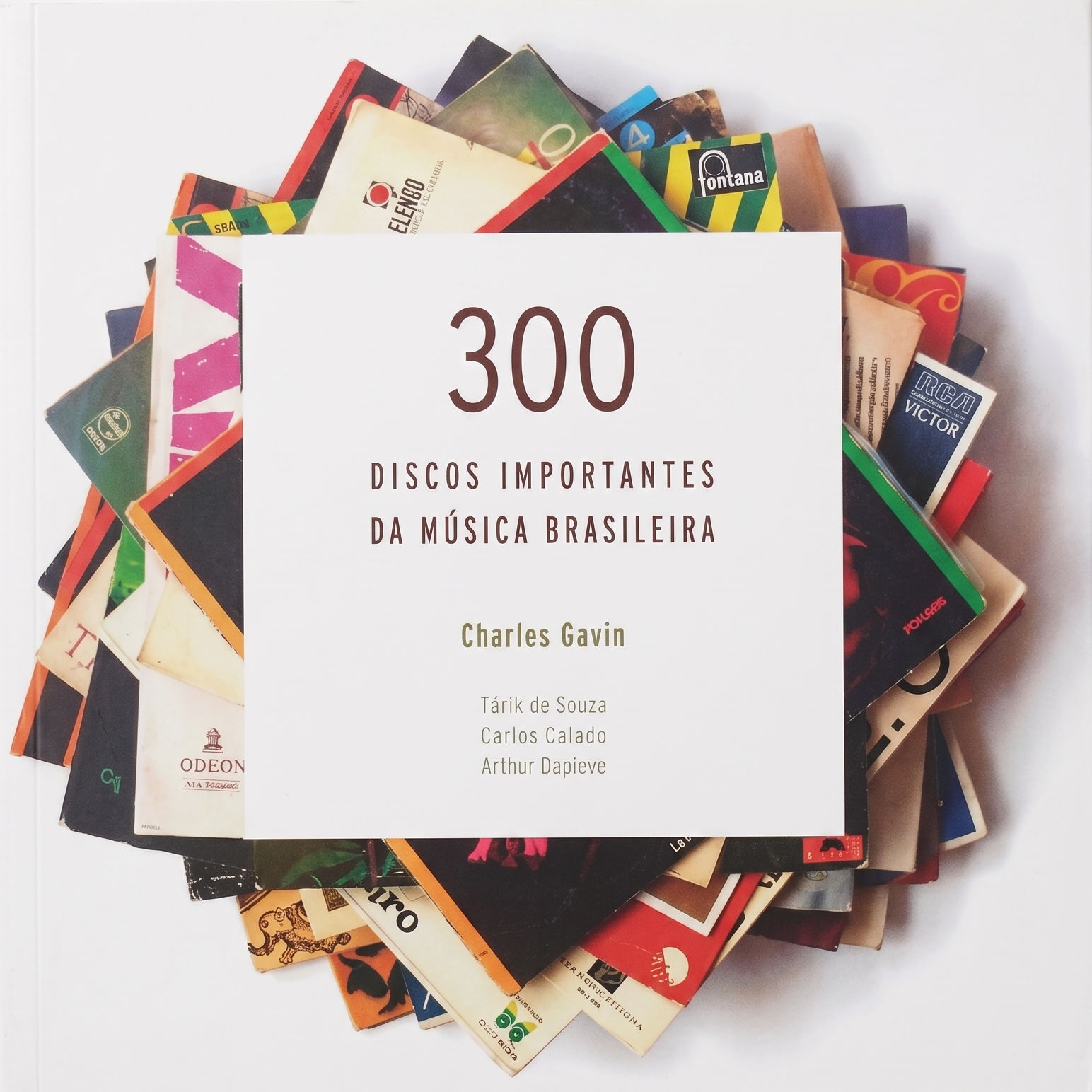
300 Discos Importantes da Música Brasileira
Charles Gavin, Tárik de Souza, Carlos Calado, Arthur Dapieve · 2008
Conceived by Titãs drummer and musical researcher Charles Gavin, the 434-page book brings together covers and reviews of albums released between 1929 and 2007. The texts were written by journalists Tárik de Souza, Arthur Dapieve and Carlos Calado.
Bezerra da Silva, produto do morro
Letícia C. R. Vianna · 1999
This book, an in-depth analysis of Bezerra da Silva, explores his trajectory, the construction of his artistic persona, and his representation of 'malandragem' (street smarts/roguery) and life in the favelas, central themes in the album 'Alô Malandragem, Maloca o Flagrante!' and throughout his work.
Analyses

"Alô Malandragem, Maloca O Flagrante" (RCA, 1986), Bezerra da Silva
discosessenciais.blogspot.com
In 1986, Bezerra da Silva released Alô Malandragem, Maloca O Flagrante, an album featuring twelve irreverent sambas that follow the musical formula that cemented the Pernambuco-born sambista's reputation.

"Alô Malandragem, Maloca O Flagrante" (RCA, 1986), Bezerra da Silva
tabernanovostempos.blogspot.com
Bezerra da Silva (1927-2005) was one of the most charismatic and outspoken figures in the history of samba. Nicknamed the "ambassador of the favelas", he gained fame with irreverent sambas that portrayed tricksters, snitches, dupes, police officers, cuckolds, mothers-in-law, adulteresses, and corrupt politicians.
Cliquemusic : Disco : ALÔ MALANDRAGEM, MALOCA O FLAGRANTE
cliquemusic.com.br
Bezerra da Silva (1986) 1986 RCA Vik 109.0145 Tracks 1 Malandragem dá um tempo (Popular P, Adezonilton, Moacyr Bombeiro) 2 Defunto grampeado (Pedro Butina, Evandro do Galo) 3 Quem usa antena é televisão (Pinga, Celsinho da Barra Funda) 4 Maloca o flagrante (Tonho, Laureano, Cláudio Inspiração) 5 Vovô cantou pra subir (Roxinho, Alicate de ...
