Boca Livre
Boca Livre
1979
Rankings
Why This Album Matters
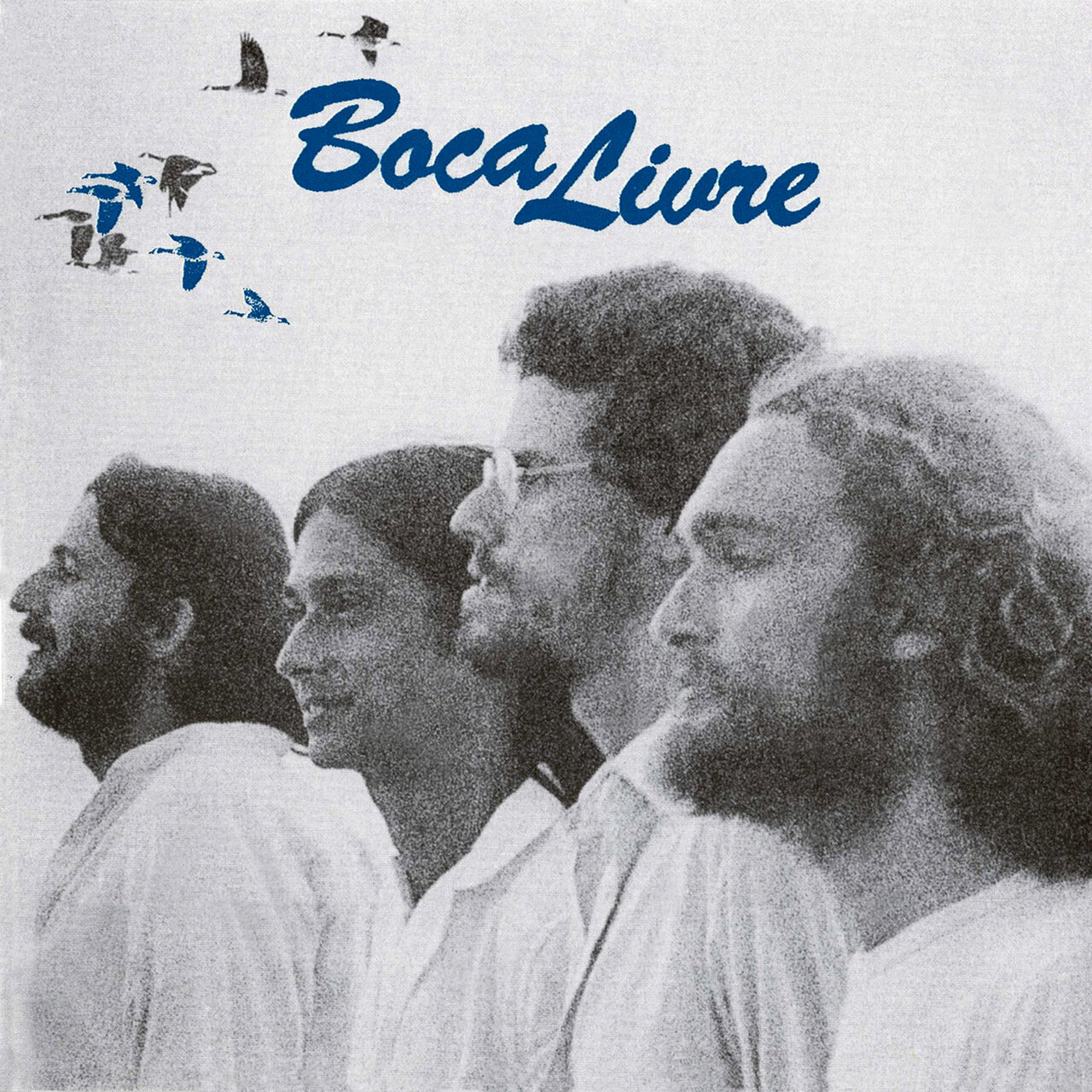
Boca Livre's self-titled debut album, released in 1979, is an indelible landmark in the history of Brazilian music, standing out not only for its aesthetic beauty but also for its pioneering nature in the independent scene. In an era dominated by major record labels, the quartet dared to release a work with sophisticated vocal and instrumental arrangements, a refined repertoire, and complete artistic freedom, funding the production from their own pockets. This album exudes a clear sound and precise arrangements, which together create an atmosphere of positivity and lightness. Boca Livre's refined style is evident in their compositions and in their versions of works by other artists, characterised by the use of dissonant vocal chords and alternating solos, deviating from the conventional metric of other groups. The album not only proved that high-quality music with artistic autonomy could find its audience, but also became a commercial phenomenon, surpassing all expectations for an independent production.
Context
The group Boca Livre was formed in Rio de Janeiro in 1978, bringing together the talents of Maurício Maestro (bass and vocals), Zé Renato (acoustic guitar and vocals), Cláudio Nucci (acoustic guitar and vocals) and David Tygel (10-string viola and vocals). Before recording their debut album, the quartet had already participated in Edu Lobo's album Camaleão in the same year of its formation, and toured with the composer through the prestigious Projeto Pixinguinha. During that period, the Brazilian phonographic market was sceptical about the success of vocal groups with more elaborate musical proposals, especially without the support of major labels. Faced with the disinterest of conventional record labels, the members of Boca Livre made the audacious decision to finance and produce the album entirely independently, a rare and challenging feat for the time.
Recording
The recording and mixing process for the album Boca Livre took place between July and August 1979, at Sono-Viso do Brasil studios in Rio de Janeiro. The album's production was an undertaking by the group itself, through the newly created Boca Livre Produções e Gravações Ltda., reinforcing the project's spirit of independence. Maurício Maestro, one of the quartet's founders, was responsible for the complex and innovative vocal and instrumental arrangements that would become a trademark of the group. The recording and mixing were handled by Toninho Barbosa, a renowned sound engineer with vast experience in the independent music movement. The album also featured the participation of sixteen guest musicians, further enriching the sound of the tracks. The CD adaptation, years later, was carried out digitally by Zé Nogueira.
Songs
The repertoire of the album Boca Livre is a rich tapestry of original compositions and works by talented MPB figures, including Nelson Angelo, Toninho Horta, Milton Nascimento, Fernando Brant, Cacaso, Geraldo Azevedo and Joyce. The members of the original line-up themselves, such as Zé Renato, Cláudio Nucci, David Tygel and Maurício Maestro, signed five of the album's eleven songs, which total 33 minutes and 37 seconds in duration. Among the tracks that became great classics, stand out "Toada" (Zé Renato, Cláudio Nucci and Juca Filho), "Quem Tem a Viola" (Zé Renato, Xico Chaves, Cláudio Nucci and Juca Filho), "Mistérios" (Maurício Maestro and Joyce) and "Diana" (Toninho Horta and Fernando Brant). The interpretation of "Ponta de Areia" (Milton Nascimento and Fernando Brant) is also frequently cited for its exquisite vocal harmony. The lyrics and melodies demonstrate a concern for poetic beauty and the acoustic guitar as the central instrument of creation, resulting in a collection of songs that the audience immediately embraced.
Legacy
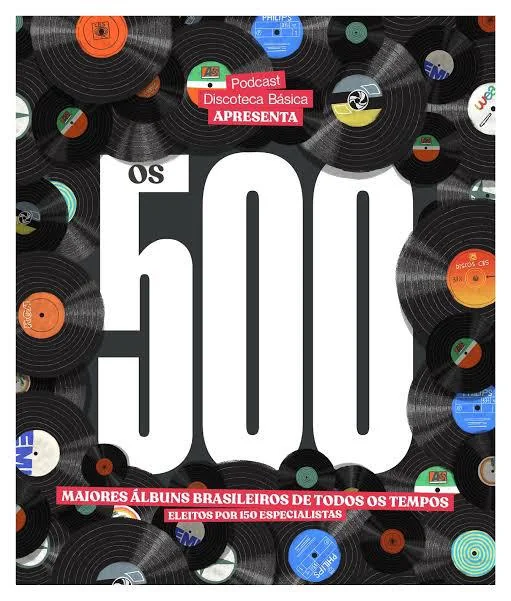
The release of Boca Livre in 1979 was a watershed moment in the Brazilian phonographic industry, becoming the best-selling independent album in the country's history at the time, with over 100,000 copies sold, reaching 150,000 according to some sources. This notable achievement demonstrated the viability of productions outside the major record labels' circuit. Several songs from the album became established as MPB classics, such as "Toada", "Quem Tem a Viola", "Mistérios" and "Diana", which had a great impact, even being included in soap opera soundtracks. Recognition of the album's importance extends to the present day: in a survey by the Discoteca Básica podcast with 162 music specialists, the album was ranked 277th on the list of the "500 maiores álbuns brasileiros de todos os tempos", being the only work by Boca Livre mentioned. In 2023, the album was re-released digitally, reaffirming its continuous relevance for new generations of listeners.
Tracks
Credits
Mauricio Maestro
Boca Livre
Cacaso, Carlos Fernando, Claudio Nucci, David Tygel, Fernando Brant, Geraldo Azevedo, Joyce, Juca, Lourenço Baeta, Mauricio Maestro, Milton Nascimento, Nelson Angelo, Oduvaldo Viana Filho, Toninho Horta, Xico Chaves, Zé Renato
David Tygel
Claudio Nucci
Zé Renato
Mauricio Maestro
Toninho Barbosa
Videos
O clássico disco Boca Livre (1979)
letra, música & história
Books
1979
Célio Albuquerque, Emílio Pacheco, Mehane Albuquerque, Ricardo Pugialli, Vicente Dattoli, Klaudia Alvarez, Zeca Azevedo, Crikka Amorim, José Emilio Rondeau, Ruy Godinho, Bruno Thys, Talles Colatino, Jotabê Medeiros, Nelson Augusto, Ana Lu Germano, Daniella Zupo, Juca Filho, Marcos Sabino, Walterson Sardenberg Sobrinho, Fábio Cabral de Mello, Denilson Monteiro, Marcelo Pinheiro, Paulo Cesar Figueiredo, Marcelo Ferro, Mimi Rocha, Kamille Viola, Dalwton Moura, Chris Fuscaldo, Joyce Moreno, Luiz Américo Lisboa Júnior, Gilberto Porcidonio, Leandro Gomes, Ricardo Schott, Marcelo Cabanas, Luiz Felipe Carneiro, Wagner Cosse, Ayrton Mugnaini Jr., Nivea Souza, Rodrigo Faour, Alberto Villas, André Cananéa, Braulio Neto, Dacio Malta, Lorena Calabria, Bento Araujo, Maria Carolina Rodrigues, Roberto Muggiati, Cleodon Coelho, Rodrigo Nogueira, Márcia Tauil, Juarez Fonseca, Fábio Vizzoni, Rildo Hora, Moacyr Luz, Marlon Sette, Silvio Atanes, Ricardo Moreira, José Teles, Zé Edu Camargo, Beto Feitosa, Vinícius Cunha, Danilo Casaletti, Luis Lamarão, Mauro Ferreira, Rafael Pinto Ferreira de Queiroz, Cesar Cardoso, Felipe Tadeu, Hugo Sukman, Fred Góes, Miltinho, Iso Fischer, André Diniz, Marluci Martins, Etel Frota, Madalena Salles, Lucas Vieira, Carlos Evandro Lordello, Leandro Souto Maior, Inahiá Castro, Maurício Gouvêa, Fabian Chacur, Marquinho Carvalho, Mónica Vermes, Túlio Mourão, Tito Guedes, Leila Dantas, Silvio Essinger, Flávio Mendes, Manoel Filho, Thelmo Lins, Andréia Pedroso, Luiz Carlos Sá, Mariana Mesquita, Marcos Sampaio, Carlos Eduardo Lima, Carlos Fonte Lito, Lucas Reginato, Itamar Assiere, Leonardo Lichote, Guilherme Henrique, Cláudia Menescal, Ricardo Soares, Washington Santos, Mona Gadelha, Marcos Souza, Diogo Cunha · 2023
The book "1979 – O ano que ressignificou a MPB" presents stories about 100 seminal LPs from that year, written by artists and journalists. It rescues the memory of a period when Brazilian popular music expressed itself uniquely, with each author addressing a chapter in their own style, be it prose, review, reportage, or interview. Considering that the album 'Boca Livre' was released in 1979 and is an important work of MPB, it is highly probable that this book dedicates a significant chapter or content to it, making it relevant for the study of the album.
Os 500 Maiores Álbuns Brasileiros de Todos os Tempos
Ricardo Alexandre · 2022
The largest Brazilian music election ever conducted: 162 specialists, spanning journalists, critics, musicians, producers and podcasters, each nominated 50 essential albums, supported by a masterlist of more than 2,000 works. Led by Ricardo Alexandre with tabulation by Sérgio Jomori, it was published in December 2022 as a 200-page hardcover book with graphic design by Fernando Pires.
300 Discos Importantes da Música Brasileira
Charles Gavin, Tárik de Souza, Carlos Calado, Arthur Dapieve · 2008
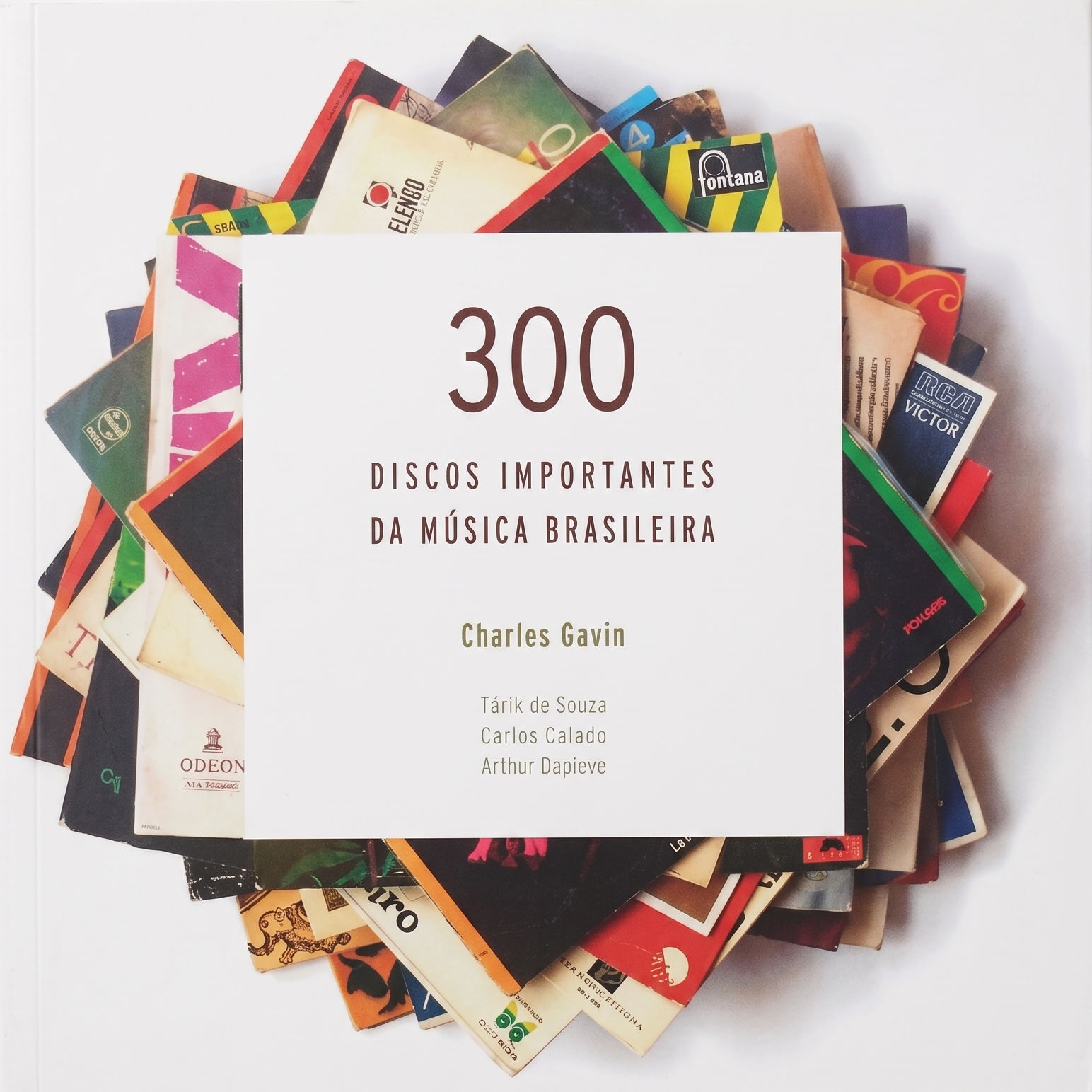
Conceived by Titãs drummer and musical researcher Charles Gavin, the 434-page book brings together covers and reviews of albums released between 1929 and 2007. The texts were written by journalists Tárik de Souza, Arthur Dapieve and Carlos Calado.
Analyses
Boca Livre – Wikipedia
Wikipedia, the free encyclopaedia
BOCA LIVRE: O Disco que as Gravadoras Recusaram… e Virou ... - iVoox
ivoox.com
In this episode of Vinilteca, we go back to 1979 to tell the story of this revolutionary album: the group's formation, the behind-the-scenes of the recording, interesting facts about the record, and a track-by-track analysis of this MPB classic.

No Tema e Na Trilha do Boca Livre
e10blog.blogspot.com
In 1979, they independently released the LP "Boca Livre", which surpassed sales of one hundred thousand copies, an unprecedented milestone in independent music of that era, notably featuring the songs "Toada" (Zé Renato, Claudio Nucci and Juca Filho) and "Quem tem a viola" (Zé Renato, Claudio Nucci and Xico Chaves).
Mappe Sonore - per una geografia dell'orecchio
mappesonore.altervista.org
Beyond its aesthetic quality, Boca Livre's debut made history by paving an avenue where there had only been a track: the independent record niche. Several other artists preceded them, including the milestone 'Feito em casa', released by pianist and composer Antonio Adolfo's Artezanal label, in 1977.
Boca Livre (1979) | Toque Musical
toque-musicall.com
Boca quickly became a hit in the charts with this, their first independent album. With their meticulous vocal arrangements and basically acoustic instrumentation, plus a sparkling repertoire, they immediately won over the general public on their debut.