João de Barro
Braguinha
1972

Rankings
Why This Album Matters
The album João de Barro, released in 1972 by RCA Victor, represents a unique moment in the extensive career of Carlos Alberto Ferreira Braga, known as Braguinha. Best known as one of the greatest and most prolific composers of Brazilian popular music, with hundreds of works that have spanned generations, Braguinha, on this record, takes the microphone to interpret his own creations. This work is not merely a compilation, but an artistic statement where the creator's voice lends a new layer of meaning and intimacy to already celebrated songs. The album offers the public the rare opportunity to hear the "architect of melody" bringing to life, with his own diction, the repertoire that shaped Brazil's musical imagination for decades. João de Barro (1972) is a journey through Braguinha's genius, revisiting the universe of *marchinhas*, *sambas*, and songs that became popular anthems, interpreted with the authenticity of their creator. Its importance resides in revealing the interpretative facet of an artist who, until then, had prioritised composition, but who here delivers a definitive and deeply personal reading of his legacy.
Context
Braguinha, born in 1907, was already a legendary figure in MPB by 1972, with a career extending back to the late 1920s. He began to emerge as a composer and a member of the famous Bando de Tangarás, alongside names such as Noel Rosa and Almirante. Over the decades, he authored over 400 recorded songs, covering various genres, from carnival *marchinhas* to *sambas-canção* and children's songs. Although he had some early experiences as a singer in his career, he considered himself a composer above all else, having even abandoned the microphone prematurely because he did not believe he could compete with the vocal talent of the era. The 1972 album, therefore, marks Braguinha's return to the role of interpreter of his vast and rich body of work, consolidated by an extensive catalogue of hits sung by countless artists.
Recording
The recording of the album João de Barro in 1972 featured arrangements by maestro Radamés Gnatalli, whose expertise added a refined "flavour" to Braguinha's already classic compositions. This meeting of talents elevated the musical quality of the project, providing a sophisticated setting for the composer's interpretations. A notable fact about Braguinha's creative process is that, even without mastering a musical instrument, he composed his melodies by whistling. This peculiarity highlights his genius and the natural flow of his melodies, which were then translated into complete arrangements for this historical record.
Songs
The repertoire of João de Barro (1972) is a parade of Brazilian musical gems, many of them anthems of carnival and popular culture. The album features emblematic songs authored by him, such as the *marcha* "Linda Lourinha", "Uma Andorinha Não Faz Verão", "Pirata da Perna de Pau", "Touradas em Madri", "Yes, Nós Temos Bananas" and "Chiquita Bacana". Also present are immortal *sambas* such as "Balancê" and the timeless "Carinhoso", the latter a lyrical partnership with Pixinguinha that became one of the greatest emblems of Brazilian romantic song. Braguinha's lyrics are marked by their lightness, good humour, and a unique ability to portray Brazilian daily life and festivities, creating narratives that became fixed in the popular imagination.
Legacy
Although the album João de Barro (1972) is a specific recording, its legacy is intrinsically linked to the consecration and perennial nature of Braguinha's work as a composer. By presenting himself as an interpreter of his own songs, Braguinha added a layer of authority and emotion to tunes that were already widely recognised, reinforcing his position as one of the pillars of MPB. The album's reception consolidated it as an important document for the study of his work, allowing new generations to appreciate the creator's original vision of his classics. The longevity of Braguinha's compositions, many of them re-recorded by various artists over the decades and continuously present in repertoires, on radios, and at cultural events, attests to the timeless relevance of this album as a point of reference for his vast discography.
Credits
Henrique Cruz, Victor Oliveira
Alberto Da Vinha, Alberto Ribeiro, Alcyr Pires Vermelho, Antônio Almeida, João De Barro, Lamartine Babo, Noel Rosa, Pixinguinha
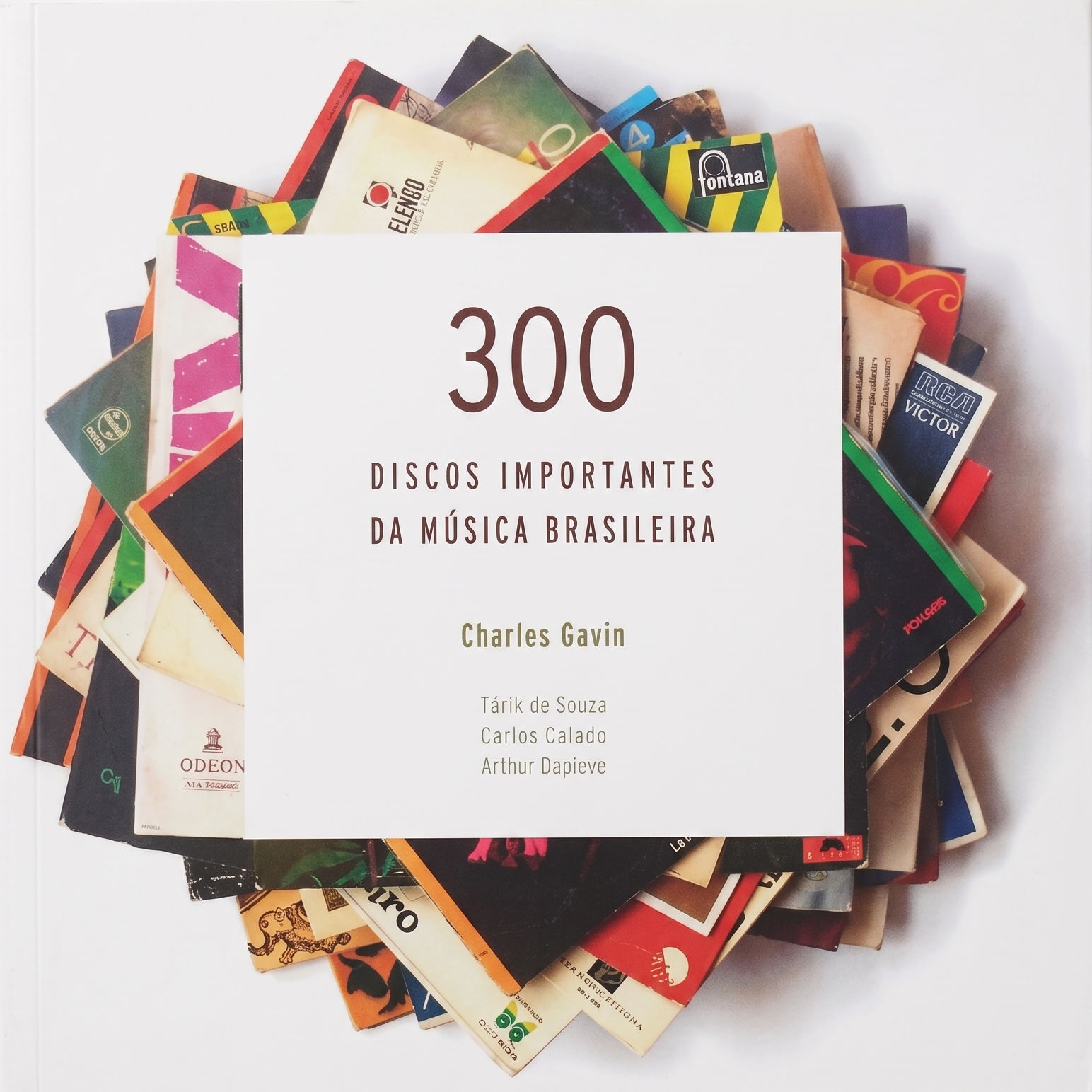
Carlos Calado
Erika Tani Azuma, Rodrigo Disperati
Zuza Homem de Mello
Matheus Rodrigues De Camargo
Podcasts
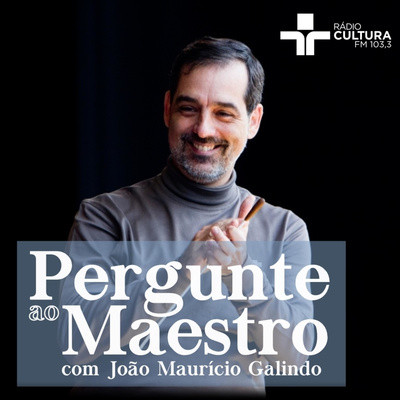
Pergunte ao Maestro · Rádio Cultura FM
Neste programa, o maestro João Mauricio Galindo responde perguntas sobre Heitor Villa-Lobos e as “Bachianas Brasileiras”, especificamente, a n. 5 - Ária (Cantilena); “Carnaval dos Animais” de Camille Saint-Säens; João de Barro (Braguinha), o artista compôs “Carinhoso”, em parceria com Pixinguinha; “Orfeu e Eurídice” de Christoph Willibald Gluck.
Books
Analyses
ccm :: Barro, Joao de Barro 'Braguinha' - composers-classical-music.com
composers-classical-music.com
Home Barro, Joao de (aka Braguinha) (ne Ferreira Braga, Carlos Alberto) 29.mar.1907-24.dec.2006 Brazil, Rio de Janeiro - Rio de Janeiro singer, studied architecture at the National School of Fine Arts, 1931 decided to leave the architecture and devote himself to composition, composer of some 420 songs, becoming one of the most successful in brazilian popular music

João de Barro (Braguinha) - Serie Documento - 1972
musicadaminhagente.blogspot.com
With over 400 creations (including his versions of foreign songs), João de Barro is responsible for one of the greatest bodies of work ever produced by a national composer; he specialised in carnival marches which were hugely successful until close to the end of the 1950s.
Arquivos João de Barro (Braguinha) - Plano Crítico
planocritico.com
Ney sings about pre-Bossa Nova Brazil. Our solemn commitment is to provide in-depth critiques of the arts, especially Cinema, Television, Comics, Literature, and Music, to generate healthy debates and conversations, whether in agreement or disagreement, with our readers.
João De Barro (Braguinha) E Suas Gravações Como Cantor
marcelobonavides.com
Better known as João de Barro, or Braguinha, he began his career in the late 1920s performing with Bando de Tangarás, while composing and also singing, whether his own compositions or those of other colleagues.
Joao De Barro / Braguinha
brasilmusik.de
CD: JOÃO DE BARRO / Serie Documento (1972 - Remastered 2010) 01 Anda Luzia / As Pastorinhas 02 Linda lourinha / Touradas em Madrid 03 Yes, nós temos bananas / Pirata da perna de pau 04 Tem gato na tuba / Uma andorinha não faz verão 05 Chiquita Bacana / Vai com jeito 06 Tem marujo no samba / Balancei a roseira 07 Primavera no Rio ...