Araçá Azul
Caetano Veloso
1973

Rankings
Why This Album Matters
Araçá Azul, the fifth studio album in Caetano Veloso's solo career, released in January 1973, is a singular milestone in Brazilian Popular Music. Distinguished by its highly experimental content, the album became one of the most controversial and, paradoxically, cult-favourite works in MPB. Its sound is deeply influenced by the poetics of invention of the São Paulo concrete poets, resulting in a work that challenges the musical and aesthetic conventions of the era. This work represents a bold artistic statement from Caetano Veloso, an exercise in creative freedom that moves away from commercialism and explores the possibilities of the recording studio. The album delves into a fusion of sonic experimentations, blending singing and speech, urban noises, concrete poetry, and samba de roda, elements that culminate in an avant-garde and challenging auditory experience. It is a record that does not seek ease, inviting the listener to a deep immersion in its textures and proposals.

Considered the tropicalista Caetano Veloso's most radical experiment, from its musical proposition to its cover, Araçá Azul was considered a success in returns.
Antônio do Amaral Rocha · Rolling Stone Brasil
Context
The release of Araçá Azul in 1973 occurred a year after Caetano Veloso's return from exile in London, during a period when the artist was still garnering praise for his previous album, Transa. Even with the Tropicalista tide having calmed, the comfort was only apparent, and Caetano's desire for sonic experimentations was deepened by works such as the soundtrack for the film "São Bernardo" (1972) and the production of Maria Bethânia's LP Drama (1972). Araçá Azul symbolised for Caetano the resumption of ideas and an anti-commercial experimental freedom that he considered essential to continue his musical career.
Recording
The album was recorded over a week of intense work in 1972, at Estúdio Eldorado, in São Paulo. Caetano Veloso was alone in the studio during the recording, accompanied only by a technician and his assistant, under the aegis of André Midani, then president of PolyGram. During this process, Caetano explored various experimental techniques, including vocal superposition, piano, grunts, whistles, body percussion, in addition to capturing the noises and silences of São Paulo's streets. The track "Épico", for example, incorporated sounds of car horns and exhaust pipes from Avenida São Luís.
Songs
The compositions on Araçá Azul stand out for their highly experimental content, with Caetano Veloso utilising elements of concrete poetry and diverse sonic textures. Tracks like "De Conversa" / "Cravo e Canela" are notable for their superposition of voices and grunts, with melodic suggestions and a homage to Milton Nascimento. "Sugar Cane Fields Forever" is a complex sound collage that includes sambas de roda by Dona Edith do Prato, combining voices and percussion instruments, and making reference to elements of the Recôncavo Baiano. The song "Gilberto Misterioso" establishes a dialogue with the work of Sousândrade and the Campos brothers, while "Épico" signals Caetano's intention to explore the "reverse side" and artistic freedom. Caetano himself described his desire to "see what he could achieve inside the studio", resulting in a sonic mosaic that blends singing and speech, noises and distortions, and even references to boleros.
Legacy
Araçá Azul initially received a very negative public reception, recording a record number of album returns at the time of its release, with approximately 13,000 of the 42,000 distributed copies being returned, as many consumers considered it 'defective'. Despite this, and having been Caetano's least commercially successful album, it is today considered a visionary work and one of MPB's most cult-favourite records, recognised by critics for its artistic freedom and avant-gardism. Critics such as Augusto de Campos and Júlio Medaglia admired it, even though Caetano himself has, at various times, expressed dissatisfaction with the technical quality of the recording, wishing to remix it in the future. The album marked a turning point in Caetano's career, establishing his music as a type of MPB that transcended genres and market conventions.
Tracks
Credits
Caetano Veloso
Luciano Figueiredo, Oscar Ramos
Ivan Cardoso
Podcasts
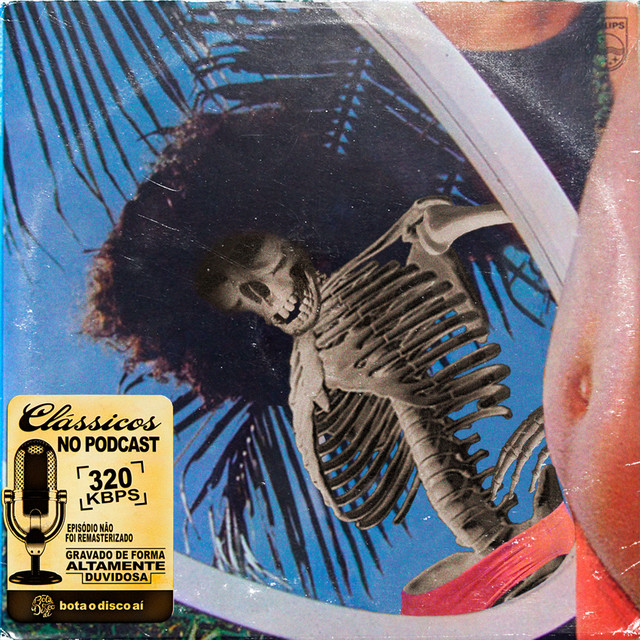
Bota O Disco Aí · Bota O Disco Ai
No episodio do Bota O Disco Aí, a Caveira embarca junto de Sammyr Muradi numa tentativa de fazer um Drops, e falam de Araçá Azul quinto álbum solo do Caetano Veloso lançado em 1973, produzido sozinho no estúdio, em companhia de um técnico e seu assistente, sob a chancela do então presidente da Polygram André Midani,, que em janeiro de 2023 completou seus 50 anos. Tornou-se um dos discos mais con
Videos
Caetano Veloso - Araçá Azul | O Som do Vinil
Canal Brasil
A Esquisitice de Araçá Azul do Caetano Veloso
Distorção
Films

Books
Analyses
Araçá Azul – Wikipedia
Wikipedia, the free encyclopaedia
Araçá Azul – The 100 Greatest Albums of Brazilian Music
Antônio do Amaral Rocha · Rolling Stone Brasil
Considered the tropicalista Caetano Veloso's most radical experiment, from its musical proposition to its cover, Araçá Azul was considered a success in returns.
Caetano Veloso's Araca Azul: A Masterpiece of Experimental Tropicália
en.debaser.it
Discover Caetano Veloso's 1972 album Araca Azul, a groundbreaking blend of tropicalia, psychedelic rock, and experimental sounds.

1973 - Araçá Azul - Caetano Veloso - Blogger
caetanoefoda.blogspot.com
As a producer of Bethânia's album Rosa dos Ventos (1971), Caetano spent a lot of time in the studio, and this further sharpened his desire for experimentation. All this culminated in Araçá Azul, produced in 1972 and released in January 1973.
45. Caetano Veloso "Araçá Azul" (1973) - Gira-Discos
giradiscos.me
Araçá Azul is perhaps the most challenging and atypical of Caetano Veloso's albums. It was recorded during a week of immersion by the musician in the working possibilities afforded him at the Eldorado studio in São Paulo.