Caetano Veloso
Caetano Veloso
1968

Rankings
Why This Album Matters
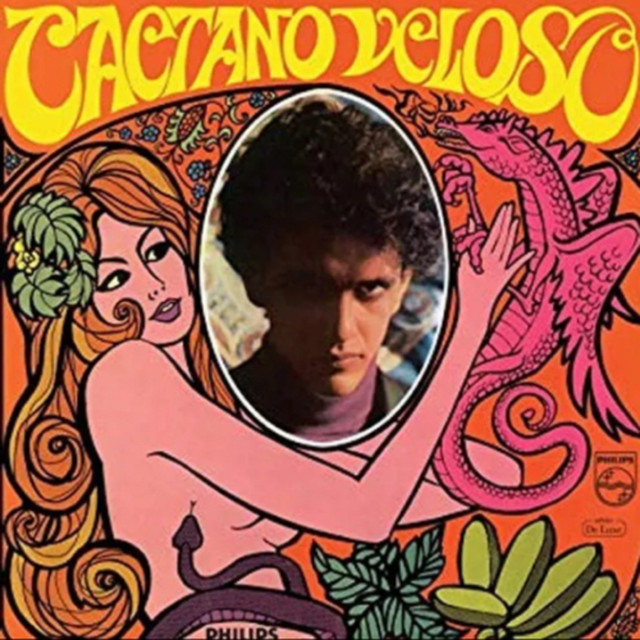
The album Caetano Veloso, released in January 1968, represents a foundational landmark for Tropicalismo and for Brazilian music as a whole. Although it is his second studio work, following the collaborative album Domingo with Gal Costa, this is the first solo record by the Bahian singer and songwriter, consolidating his artistic vision and the foundations of a movement that would redefine national culture. This pioneering work is an audacious fusion of influences, demonstrating the cultural "anthropophagy" proposed by Tropicalismo. In it, Caetano Veloso incorporates elements of psychedelic rock, pop, Indian music, bossa nova, and Bahian rhythms, breaking with the musical conventions of the time and propelling MPB into a new era of experimentation and modernity. It is an album that established the sonic identity of Caetano and Tropicalismo, characterised by the blend of the popular and the erudite, tradition and the avant-garde.

Caetano releases his first, self-titled LP, with songs like "Tropicália" and "Soy Loco por Ti, América". And in doing so, he anticipated the revolution.
Leonardo Dias Pereira · Rolling Stone Brasil
Context
The release of the album Caetano Veloso occurred during a period of intense cultural and political effervescence in Brazil, under the Military Dictatorship established in 1964. The year 1968, in particular, was marked by increasing political radicalisation, with repression, censorship, and student mobilisation. Before this album, Caetano Veloso had already stood out at festivals, notably with the song "Alegria, Alegria" at the III Festival da Música Popular Brasileira of TV Record in 1967. The performance, accompanied by the sound of the electric guitars of the group Beat Boys, generated controversy and debate about the identity of Brazilian music: for some, the electric guitar represented submission to foreign culture, while for Caetano and his peers, it was a path to modernisation and the creative absorption of diverse influences. This bold stance cemented the foundations of Tropicalismo, which proposed an "anthropophagic art", blending tradition and avant-garde, Brazil and the world.
Recording
The album Caetano Veloso was recorded in 1967, aiming to capitalise on the success of "Alegria, Alegria" at the festivals. Production was handled by Manoel Barenbein, with Rogério Gauss responsible for the recording. The arrangements, one of the album's highlights, were divided between Júlio Medaglia, Damiano Cozzella, and Sandino Hohagen. Furthermore, the album featured the participation of several groups and artists, such as The Beat Boys, Musikantiga, RC-7, and Os Mutantes, who contributed to the work's innovative and eclectic sound. Gal Costa also makes a special appearance on the track "Clara".
Songs
The album's twelve tracks, mostly composed by Caetano Veloso, feature a notable fusion of styles and themes, with lyrics often distinguished by their poetic quality, some written in partnership with poets such as José Carlos Capinam and Ferreira Gullar. The opening track, "Tropicália", is a musical manifesto that gave its name to the cultural movement. Inspired by Hélio Oiticica's art installation, the song begins with the reading of excerpts from Pero Vaz de Caminha's letter to the King of Portugal, contrasting the colonialist vision with a complex and surreal Brazilian landscape, full of references to mass culture and social reality. "Alegria, Alegria", one of the album's great successes, is a lyrical narrative that blends everyday Brazilian life with Western pop culture icons, such as Coca-Cola and Brigitte Bardot, and shocked the public at the time due to its innovative use of electric guitars. Another highlight is "Soy loco por ti, América", a collaboration between Gilberto Gil and José Carlos Capinam, which combines enigmatic imagery with vibrant instrumentation, creating a fascinating juxtaposition and political connotations. The song "Clarice" also stands out for its discreet beauty and haunting lyrical imagery.

A year after sharing the LP Domingo (Philips, 1967) with fellow newcomer Gal Costa, an album entirely inspired by the cool aesthetic of bossa nova, Caetano Veloso delivered an ambiguous message on the back cover of his first solo album. “Dissonant chords are no longer enough to cover our shames, our transatlantic nakedness.”
Carlos Calado · 300 Discos Importantes
Legacy
Since its release, the album Caetano Veloso has provoked an intense and polarised reception. Although Caetano himself expressed, in retrospect, that he considered the record "amateurish and confused", critics and the public recognised it as an instant classic. Its daring mix of Brazilian tradition with rock and psychedelia generated controversy both from the military dictatorship, which saw the record as subversive, and from nationalist left-wing sectors, which considered it "alienated" for embracing foreign influences. Notwithstanding the controversies, the album's impact was seismic. It solidified Tropicalismo as an avant-garde cultural movement and profoundly influenced Brazilian music, paving the way for future experimentation. The political repercussions of the album and Tropicalismo's live performances culminated in the arrest of Caetano Veloso and Gilberto Gil at the end of 1968, followed by both being exiled to London. Despite everything, lasting recognition came with time: the LP was voted the 37th best Brazilian album of all time by Rolling Stone Brasil magazine and, in 2001, was inducted into the Latin Grammy Hall of Fame, confirming its status as a seminal work.
Tracks
Credits
Manoel Barenbein
Liana, Paulo Tavares
Rogério Duarte
Caetano Veloso
David Drew Zingg
Podcasts
Analysis of the album: Caetano Veloso, 1968 · Isabela Custodio
Analysis of the album Caetano Veloso by the student Isabela Custodio from IFMG, campus Ibirité.
Films

Caetano Veloso in Bahia
Caetano Veloso in Bahia
Caetano Veloso returns to significant places in his life in the city of Salvador and in Santo Amaro da Purificação, his hometown.
Narcissus Off Duty
2020
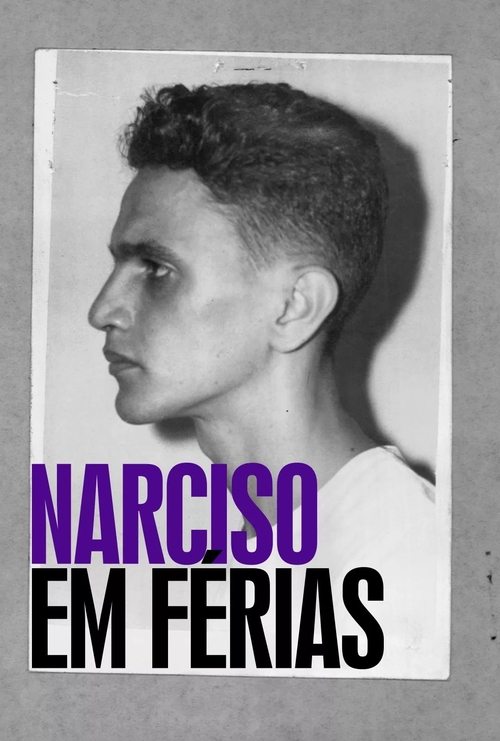
Brazilian singer-songwriter Caetano Veloso reflects on his imprisonment in 1968, during the military dictatorship.
Books
Os 500 Maiores Álbuns Brasileiros de Todos os Tempos
Ricardo Alexandre · 2022
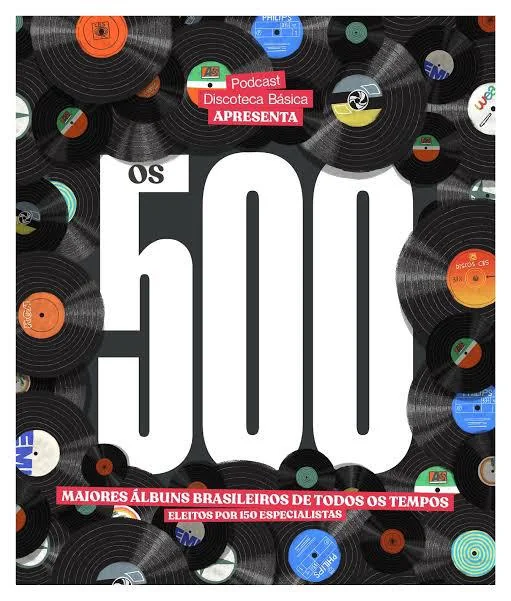
The largest Brazilian music election ever conducted: 162 specialists, spanning journalists, critics, musicians, producers and podcasters, each nominated 50 essential albums, supported by a masterlist of more than 2,000 works. Led by Ricardo Alexandre with tabulation by Sérgio Jomori, it was published in December 2022 as a 200-page hardcover book with graphic design by Fernando Pires.
300 Discos Importantes da Música Brasileira
Charles Gavin, Tárik de Souza, Carlos Calado, Arthur Dapieve · 2008
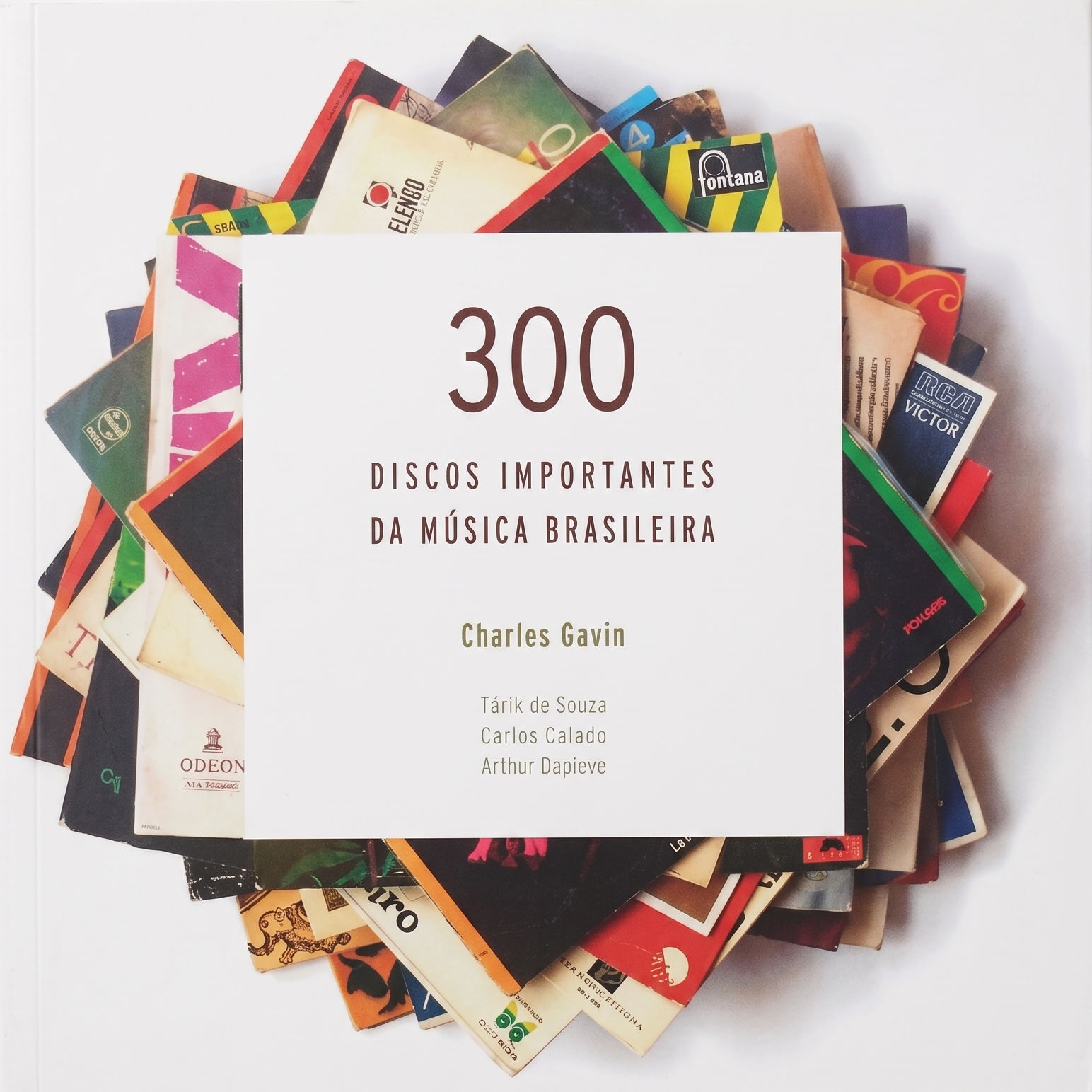
Conceived by Titãs drummer and musical researcher Charles Gavin, the 434-page book brings together covers and reviews of albums released between 1929 and 2007. The texts were written by journalists Tárik de Souza, Arthur Dapieve and Carlos Calado.
Tropicália
Carlos Basualdo, Museum of Contemporary Art (Chicago, Ill.), Barbican Art Gallery, Centro Cultural de Belém, Bronx Museum of the Arts · 2005
A catalogue of an important exhibition that revisits the seminal moment in Brazilian culture between 1967 and 1972, examining the Tropicalista era as a true force in popular culture. The 1968 album 'Caetano Veloso' is a fundamental landmark of Tropicalismo, and the book offers an in-depth analysis of the context and works of that period.
Brutality Garden
Christopher Dunn · 2001
An academic analysis of the Tropicália cultural movement, which flourished in Brazil in the late 1960s. Christopher Dunn's book connects the music inspired by this movement, including Caetano Veloso's self-titled 1968 album, to the political and cultural circumstances of its creation, contextualising the work within its period.

Verdade tropical
Caetano Veloso · 1997
Caetano Veloso's autobiography, considered the definitive work on the Tropicália movement. The book details the cultural, political, and personal context that led to its creation, including the production of his seminal early albums, such as his self-titled 1968 album, offering a crucial perspective from the artist himself on that era.
Analyses
Caetano Veloso – Wikipedia
Wikipedia, the free encyclopaedia
Caetano Veloso – The 100 Greatest Albums of Brazilian Music
Leonardo Dias Pereira · Rolling Stone Brasil
Caetano releases his first, self-titled LP, with songs like "Tropicália" and "Soy Loco por Ti, América". And in doing so, he anticipated the revolution.
Caetano Veloso - Caetano Veloso [1968] - Review - 1001 Albums You Must ...
1001albumsyoumusthearbeforeyoudie.wikidot.com
The featured classic album is "Caetano Veloso [1968]" by Caetano Veloso (Philips, 1968) - "Veloso aimed at releasing an album that would surpass the Beatles' Sgt. Pepper's in terms of creativity, while at the same time reflecting the new, more international, Brazil"
Caetano Veloso: Caetano Veloso Album Review | Pitchfork
pitchfork.com
Caetano Veloso's debut album remains one of the most revolutionary albums released into the worldwide tumult of the 1960s.
Como o álbum de estreia de Caetano Veloso conseguiu ser ... - Metrópoles
metropoles.com
At the height of global turbulence – May 68, the Vietnam War, political radicalisation – and four years after the military coup in Brazil, Caetano released an album that celebrated contradiction, risk, and irony amidst an authoritarian clampdown.