Caetano Veloso (1971)
Caetano Veloso
1971
Why This Album Matters
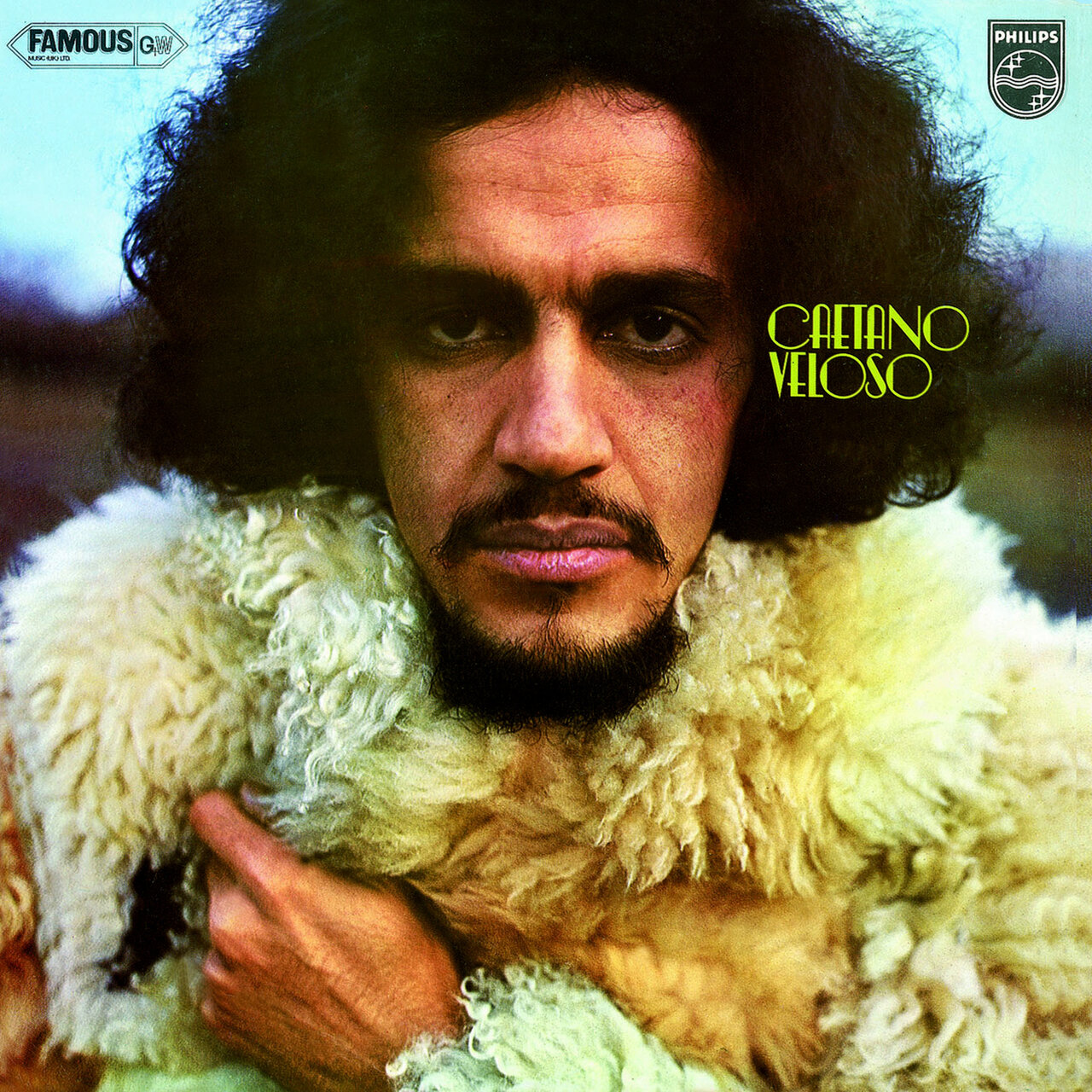
The album Caetano Veloso, released in 1971 by Philips, represents a singular milestone in the artist's discography. As his third solo work, it is a musical testament to Caetano Veloso's period of political exile in London. Unlike the effervescence of his previous records, this album is permeated by a profound melancholy, reflecting the experience of separation from his homeland. Distinguished by the predominance of songs sung in English, the work offers a window into the musician's soul at a time of introspection and a search for new forms of expression. Its contemplative atmosphere and the lyrics, often in another language, mark a phase of reinvention and artistic sensibility.
Context
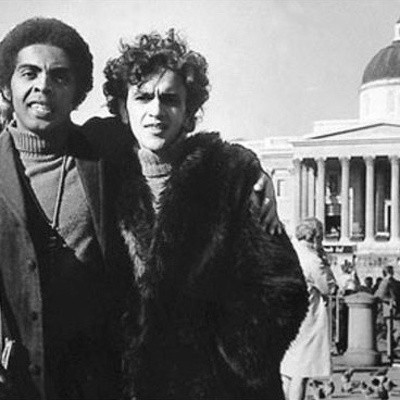
Between 1969 and 1971, Caetano Veloso lived in Chelsea, in the heart of London, forced into exile by the Brazilian military dictatorship. Sharing a residence with his friend and fellow exile Gilberto Gil, their wives and his manager, the musician was seeking a refuge that also offered an inspiring musical environment. After discarding Lisbon, Madrid, and even Paris, the latter due to its music scene being considered 'boring' by Gilberto, London was chosen as the ideal city for the artists. Caetano's first year in exile was marked by despondency and an intense longing for Brazil, despite a rich immersion in the London music scene, which included The Rolling Stones' concerts and his first contact with reggae. During this period, producer Ralph Mace, recently departed from Philips Records, proposed to Caetano the recording of an album in English. The project initially featured the collaboration of Lou Reizner, who, despite disagreements and his subsequent departure, retained his name in the album's final credits.
Recording
The album was recorded in 1970 and marked a significant novelty in Caetano Veloso's career: it was the first time he played acoustic guitar on one of his records, encouraged by producer Ralph Mace. In previous works, producers did not authorise him to play the instrument, leading the artist to reflect later that, without exile, he might never have recorded playing acoustic guitar. Although Caetano had suggested that Gilberto Gil play acoustic guitar after presenting the track "London London" to Ralph, the producer insisted that the song would lose its charm if not played by Caetano himself. The artist, though insecure about his abilities, was convinced by Ralph and Lou Reizner that the imperfections in his technique were, in fact, part of the 'charm of the music'.
Songs
The album features a majority of songs performed in English, a peculiarity that reflects Caetano Veloso's context of exile. Among the tracks, "Maria Bethânia" stands out as a tribute to the singer's sister, with lyrics that express a request for news from Brazil and an ingenious play on words, transforming the Anglophone term 'better' into his sister's middle name. The instrumental part of this song is enriched by the artist's improvisations, accompanied by the same string quartet that contributed to The Beatles' "Eleanor Rigby". Other notable moments include Gilberto Gil's collaboration on the composition of "In the Hot Sun of a Christmas Day" and the interpretation of "Asa Branca", a classic by Luiz Gonzaga and Humberto Teixeira, which extends for over seven minutes and incorporates excerpts from "Marinheiro Só" and "Quero Voltar pra Bahia".
Legacy
Caetano Veloso's 1971 album faced censorship from the Brazilian military dictatorship, with the opening track "A Little More Blue" having part of its lyrics vetoed due to the mention of "Libertad Lamarque", mistakenly interpreted by the censors as an allusion to "liberdade" (freedom) and the opponent Carlos Lamarca. The song "London, London" achieved significant repercussion, being re-recorded by the rock band RPM in 1986 on the album Rádio Pirata ao Vivo. Journalist Mauro Ferreira even alleged that Jimmy Fontana's hit "Che Sarà" was a plagiarism of this song. In a reflection in 2010, Caetano Veloso described the album as a 'document of depression', but also recognised that the experience of exile and the creation of this work helped him to become a more creative musician and a stronger person. In 2021, to celebrate the album's 50th anniversary, the artist revisited "London, London" and other tracks in a live performance, while journalist Mauro Ferreira, in an analysis of the album's fiftieth anniversary, acclaimed it as 'the most perfect translation of the artist's sad soul during the period of exile'.
Rankings
Tracks
Credits
Phil Ryan
Lou Reizner, Ralph Mace
John Iles, John Timperley
Linda Glover
Johnny Clamp
Podcasts
Brazuca Sounds · Leandro Vignoli
In episode #17 we tell the story behind Caetano Veloso and Gilberto Gil's self-titled albums released 50 years ago in 1971. Recorded at the same studio, with the same producer, for the same music label, both album covers were also made by the same photographer. Caetano and Gil were both living in Chelsea, London (UK) in exile following their prison by the military regime in Brazil. The nostalgia a
Videos
CAETANO VELOSO - TRANSA (1972) | ALBUM REVIEW
Vinilteca
Grandes Álbuns: Caetano Veloso (1971) ALBUM REVIEW (PT-BR)
O Audiófilo
CAVEIRA INDICA l Caetano Veloso Cinema Transcendental I ÁLBUM REVIEW
Bota O Disco Aí
"Tropicália 2" - Caetano Veloso & Gilberto Gil | Melhores discos dos anos 90 | Alta Fidelidade
Alta Fidelidade
O Melhor Disco de Caetano Veloso: o Álbum de 1971 Gravado no Exílio em Londres
Discos inteiros
TRANSA - Caetano Veloso (Análise da canção "You don't know me")
Professor Murilove
Films

Books
The 500 Greatest Brazilian Albums of All Time
Ricardo Alexandre · 2022
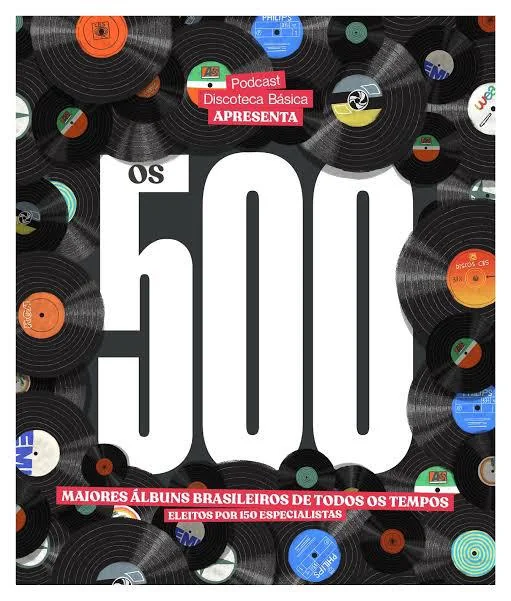
The election was spearheaded by journalist Ricardo Alexandre, creator of the Discoteca Básica podcast. Ricardo consulted 162 specialists including journalists, YouTubers, podcasters, musicians, record-shop owners and producers. The result was published as a 200-page hardcover book, with graphic design by Fernando Pires.
Tropicalismo
Pedro Alexandre Sanches · 2000
Um estudo aprofundado e crítico sobre o movimento Tropicalista, suas ideias, artistas e o impacto na cultura brasileira. O livro de Pedro Alexandre Sanches é considerado uma obra de referência sobre o Tropicalismo, sendo essencial para entender o contexto em que Caetano Veloso produziu o álbum de 1971, gravado durante seu exílio e diretamente influenciado pelas ramificações do movimento.

Verdade tropical
Caetano Veloso · 1997
A autobiografia de Caetano Veloso, onde ele detalha o movimento Tropicália, sua prisão e exílio em Londres, e sua trajetória artística. É uma fonte primária fundamental para entender o contexto e as motivações por trás de sua obra, incluindo o álbum de 1971, gravado durante o exílio.
Analyses
Caetano Veloso (1971) – Wikipedia
Wikipedia, the free encyclopaedia
Vinil Caetano Veloso - Álbum Clássico de 1971
discodelia.com.br
Adquira o álbum "Caetano Veloso" de 1971 em vinil. Um clássico da MPB com faixas icônicas. Não perca a oportunidade de tê-lo na sua coleção!
Álbum de Caetano Veloso em 1971 faz 50 anos como retrato ainda ... - G1
g1.globo.com
Golpes desse violão foram os motores do arranjo de A little more blue (Caetano Veloso, 1971), composição em que o artista já externou a tristeza d'alma na abertura do disco.
discografia - Caetano Veloso Oficial
caetanoveloso.com.br
Caetano Veloso - Londres 1971 ouça agora Barra 69 (Caetano Veloso e Gilberto Gil) 1972 ouça agora Transa 1972 ouça agora Caetano & Chico Juntos e Ao vivo (Caetano Veloso e Chico Buarque) 1972 ouça agora Araçá Azul 1973 Temporada de Verão (Caetano Veloso, Gal Costa e Gilberto Gil) 1974 ouça agora Joia 1975 ouça agora
Caetano Veloso "Caetano Veloso" (1971) - Gira-Discos
giradiscos.me
Entre 1968 e 1971 Caetano Veloso músico lançou três álbuns, todos eles bem diferentes entre si, com apenas o seu nome como título. Para que não haja dúvidas este é o disco de 1971 que muitas vezes é evocado pelo título da canção que abre o alinhamento: "London London".
Discogs

Caetano Veloso (1971) – Discogs
discogs.com