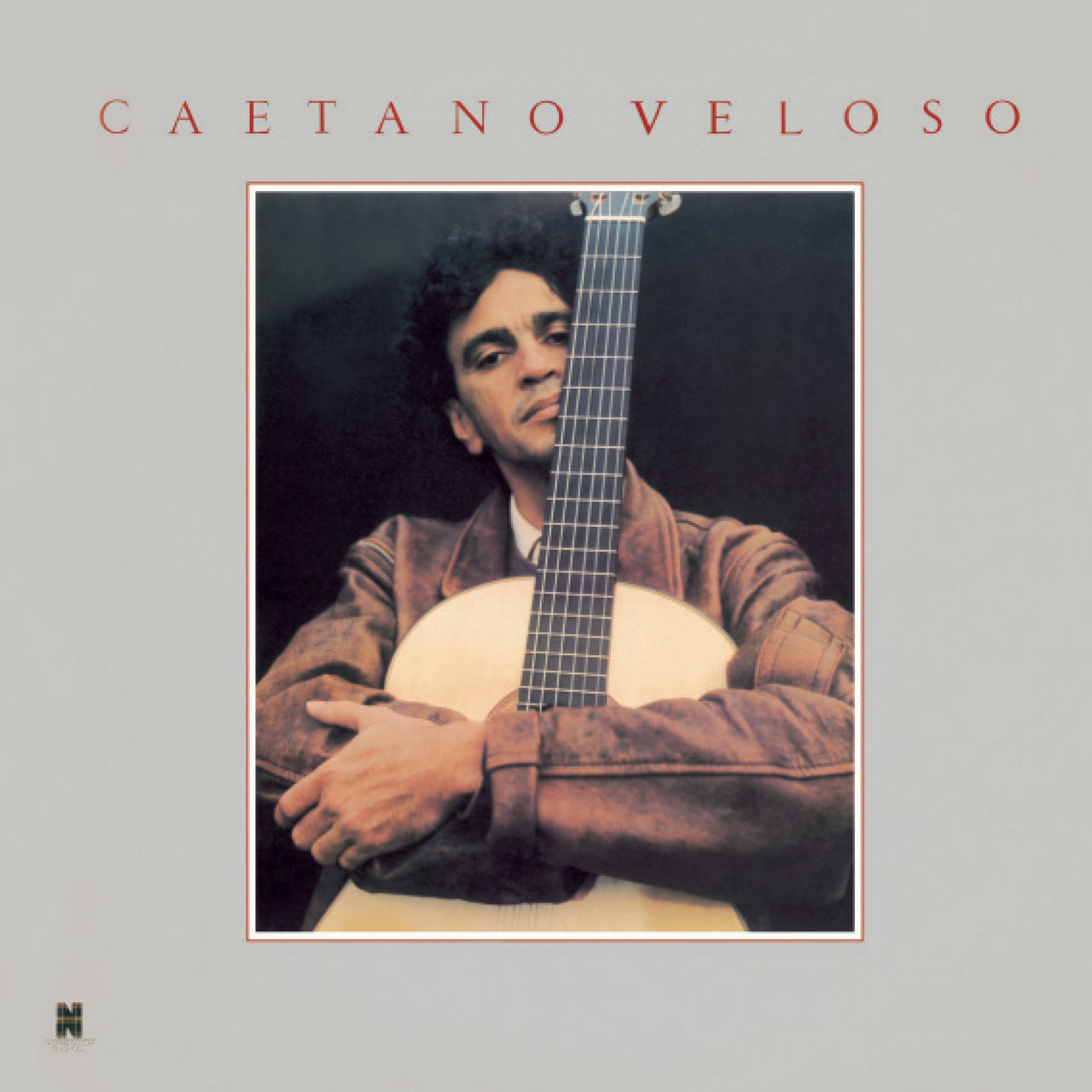
Caetano Veloso (1986)
Caetano Veloso
1986
Why This Album Matters
The album Caetano Veloso, released in 1971, represents a singular milestone in the artist's discography, being his third solo work issued by Philips. Composed entirely during his political exile in London, this record captures the essence of a period of introspection and melancholy, moving away from the vibrant experimentalism of his previous works. Its introspective sound and predominant use of the English language give it a particular character and an atmosphere of profound reflection. This work is not merely a musical record, but a mirror of Caetano's soul at a time of displacement and longing. It offers a unique perspective on the experience of exile, transforming feelings of discouragement into songs which, despite the inherent sadness, demonstrate the artist's resilience and creative capacity in the face of adversity. It is an album that stands out for its emotional honesty and the way Caetano explored new languages and sounds.
Context
Between 1969 and 1971, Caetano Veloso lived in exile in Chelsea, London, due to the Brazilian military dictatorship. He shared a residence with his friend and fellow exile, Gilberto Gil, their wives, and the group's manager. The choice of London came after rejecting Lisbon and Madrid, as they were under dictatorial regimes, and Paris, whose music scene was considered 'boring' by Gilberto. The first year of exile was marked by deep discouragement and longing for Brazil for Caetano, although he and Gil actively circulated within the London music scene, attending shows by bands such as The Rolling Stones and having their first contact with reggae. During this period, Caetano was approached by Ralph Mace, a former producer at Philips Records in Brazil, who invited him to record an album in English. The project initially featured the collaboration of colleague Lou Reizner, who would leave towards the end due to disagreements but maintained his name in the credits.
Recording
The album was recorded in 1970 and marked the first time Caetano Veloso played acoustic guitar on one of his records, something encouraged by Ralph Mace. On previous releases, producers did not authorise him to play the instrument, and Caetano even stated that, had he not been arrested and exiled, he might never have done so. Initially insecure about his abilities, Caetano even suggested that Gilberto Gil play the acoustic guitar on the track "London London". However, Ralph Mace convinced him that his 'gaps' were, in fact, 'the charm of the music', and that the song 'would lose its appeal' if someone else played it.
Songs
The track "Maria Bethânia" stands out as an emotional dedication to the artist's sister, with lyrics in which Caetano asks for news from Brazil and poetically transforms the Anglophone word 'better' into her middle name. Musically, the song features Caetano's improvisations accompanied by the same string quartet that participated in the recording of The Beatles' "Eleanor Rigby". The album also includes "A Little More Blue", which was subject to partial censorship by the Brazilian dictatorship due to a mistaken interpretation by military officials regarding the mention of actress Libertad Lamarque. The album is complemented by tracks such as the iconic "London, London" and a particular version of "Asa Branca", which incorporates excerpts from "Marinheiro Só" and "Quero Voltar pra Bahia", demonstrating the fusion of cultural references present in the work.
Legacy
The track "A Little More Blue" suffered partial censorship from the Brazilian military dictatorship, which interpreted the mention of actress Libertad Lamarque as an allusion to the freedom of opposition figure Carlos Lamarca. "London, London" gained new life in 1986 when it was re-recorded by the rock band RPM on the album Rádio Pirata ao Vivo. Journalist Mauro Ferreira even alleged that Jimmy Fontana's hit "Che Sarà" was a plagiarism of "London, London", which the Italian artist had come to know through Gal Costa in Brazil. In 2010, Caetano Veloso revisited the album, describing it as 'a document of depression' and expressing a belated appreciation for the work. According to him, the music created during his exile helped him to become a more creative musician and a stronger person. To celebrate the album's 50th anniversary, Caetano performed a live stream on 7 March 2021, at the Festival Cultura Inglesa, interpreting "London, London", "If You Hold a Stone" and other songs from his period of exile. Critics also recognise the work's profundity; Mauro Ferreira, in an analysis of the album's 50th anniversary, classified it as 'the most perfect translation of the artist's sad soul during the period of exile'.
Rankings
Tracks
Credits
Caetano Veloso
Toni Costa
Armando Marçal, Marcelo Costa
Bob Ludwig
Videos
CAETANO VELOSO - TRANSA (1972) | ALBUM REVIEW
Vinilteca
OUTRAS PALAVRAS, CORES E NOMES - CAETANO VELOSO | ALBUM REVIEW
Vinilteca
Grandes Álbuns: Caetano Veloso (1971) ALBUM REVIEW (PT-BR)
O Audiófilo
The Cookie Collector | Transa ALBUM REVIEW (Caetano Veloso, 1972)
The Cookie Collector
Caetano Veloso Album Cores Nomes 1982
Mpbtop1000
TRANSA - Caetano Veloso (Análise da canção "You don't know me")
Professor Murilove
Films

Books

Analyses
Caetano Veloso (1986) - Discoteca Pública
discotecapublica.com.br
Nº série: 846 916-1 Lado A 01 - Trilhos Urbanos - Caetano Veloso 02 - O Homem Velho - Caetano Veloso 03 - Luz do Sol - Caetano Veloso 04 - Cá Já - Caetano Veloso 05 - Medley: Dindi/Eu Sei Que Vou Te Amar - Antônio Carlos Jobim e Aloysio de Oliveira/Antônio Carlos Jobim e Vinícius de Moraes
1986 | Caetano Veloso Oficial
caetanoveloso.com.br
redes sociais instagram twitter youtube facebook tiktok caetano veloso Agenda Discografia Livros Audiovisuais Contato Copyright © 2026

1986 - Caetano Veloso - Disco Americano
caetanoefoda.blogspot.com
Além das queridas O Leãozinho, Odara e Terra, Caetano retoma Saudosismo e Coração Vagabundo; e apresenta suas versões de Billie Jean e Get Out of Town. O álbum que chama a atenção pela qualidade do som começou a ser vendido no Brasil em 1990, gerando a turnê de divulgação "Caetano Veloso Acústico".

ClyBlog: Caetano Veloso - "Caetano Veloso" (1986)
cly-blog.blogspot.com
"Cá-Já", do álbum "Muito", de 1978, ganha arranjo mais encorpado com as percussões e o violão de Toni Costa. Daquele mesmo disco, "Terra", talvez a mais brilhante composição de Caetano, encerra repetindo a sonoridade de pequena banda e, mais uma vez, superando a primeira gravação.
Discogs

Caetano Veloso (1986) – Discogs
discogs.com