Caetano e Chico Juntos e Ao Vivo
Caetano Veloso e Chico Buarque
1972

Rankings
Why This Album Matters
Caetano e Chico Juntos e Ao Vivo is an indelible landmark in Brazilian Popular Music's discography, released in 1972, which recorded the historic meeting of two of the greatest icons of national culture: Caetano Veloso and Chico Buarque. The album captures the electrifying atmosphere of a show at the Teatro Castro Alves, in Salvador, an event of enormous cultural significance, especially as it occurred shortly after Caetano's return from his exile imposed by the Brazilian military dictatorship. This work transcends the mere union of great names, celebrating the confluence of styles and the power of Brazilian song during a period of intense repression. The alternation between both artists' repertoires and the powerful duets highlight the lyrical sophistication and melodic richness that characterise their works, transforming the album into a vital document of MPB.
Context
The album was conceived and released in 1972, amidst the "years of lead" of the military dictatorship in Brazil, a period of severe censorship and cultural repression. In this complex scenario, the show that gave rise to the album marked the return of Caetano Veloso from exile in London and Chico Buarque from Rome, symbolising a reunion of art with its audience on Brazilian soil. There was, at the time, an alleged rivalry between the musical universes of Caetano, an exponent of Tropicalismo and experimentation, and Chico, often associated with a more "traditional" or Bossa Nova-influenced MPB, although also politically engaged. The meeting in Salvador was seen as a dismantling of these intrigues, with both artists recognising the importance of their union. The atmosphere of the concert, held on 10 and 11 November 1972, was further charged by the news of the suicide of Torquato Neto, a fundamental partner of Tropicalismo, which occurred on the first day of rehearsals.
Recording
The album was recorded live at the Teatro Castro Alves, in Salvador, Bahia, on 10 and 11 November 1972. The idea for the meeting came from Roni Berbert, a record store owner in Salvador, who orchestrated the show's production. He, along with Guilherme Araújo, signed the production direction of the album for Philips/Polygram. One of the most striking aspects of the recording was the intervention of military censorship. To mask parts of lyrics deemed subversive, the album's final edit intentionally included louder applause and audience shouts. Caetano Veloso himself reported cuts, such as the verse "brasileiro" in a song, replaced by "batuqueiro". Despite its historical importance, the technical quality of the recording and the presence of censorship cuts were, at times, pointed out as "irritating" by some critics. The band accompanying the artists included names such as Bira da Silva on percussion, Moacyr Albuquerque on bass, Perinho Albuquerque on guitar, Tuti Moreno on drums, Perna Fróes on piano, and Tuzé de Abreu on flute, in addition to the special participation of MPB-4.
Songs
The album's repertoire is a celebration of the authorial richness of Caetano Veloso and Chico Buarque, featuring classics from their careers. Among the 11 tracks on the record, compositions such as "Bom Conselho", "Partido Alto", "Tropicália", "Cotidiano", "Os Argonautas" and "Atrás da Porta" stand out. The show's dynamic is explored in performances where one sings the other's songs, such as Caetano interpreting Chico's "Partido Alto" in a "hyper-tropicalist" version, and Chico singing Caetano's "Janelas Abertas nº 2". The duets are memorable moments, such as the union of "Você Não Entende Nada" (Caetano) and "Cotidiano" (Chico), and the joint interpretation of "Bárbara", a story with a homosexual theme by Chico and Ruy Guerra, commented on by Caetano. The album also recorded Caetano's impactful performance of "Tropicália", which included a simulated strip-tease and imitations of Carmen Miranda, behaviours that the censorship considered "too subversive and emasculating". The selection of songs not only fills the record, but also weaves a narrative of resistance and musical virtuosity.
Legacy
Caetano e Chico Juntos e Ao Vivo is not just an album, but a historical document that "was born a classic" and was acclaimed as the "musical event of the year" in 1972. Caetano Veloso himself confirmed the album's "greatest success", consolidating it as a phonographic record of great repercussion. The union of the two artists on stage and on record sealed a pact of friendship and collaboration, dispelling media speculations about an alleged rivalry and demonstrating a united front of art against oppression. The album continues to be a testament to artistic resilience and the capacity of Brazilian music to resist and express the yearnings of a people even under a repressive regime. Its influence endures, with songs like the fusion of "Você Não Entende Nada" and "Cotidiano" being re-recorded by other great names in Brazilian music, such as Daniela Mercury, years later.
Tracks
Credits
Guilherme Araujo, Roni Berbert
Sérgio De Carvalho
MPB4
Antonio Perna, Jurandir, Moacyr Albuquerque, Perinho Albuquerque, Tutty Moreno, Tuzé De Abreu
Bira Da Silva
Joaquim Figueira
Ary Carvalhaes
Arlete Soares
Marcos Maciel
Films

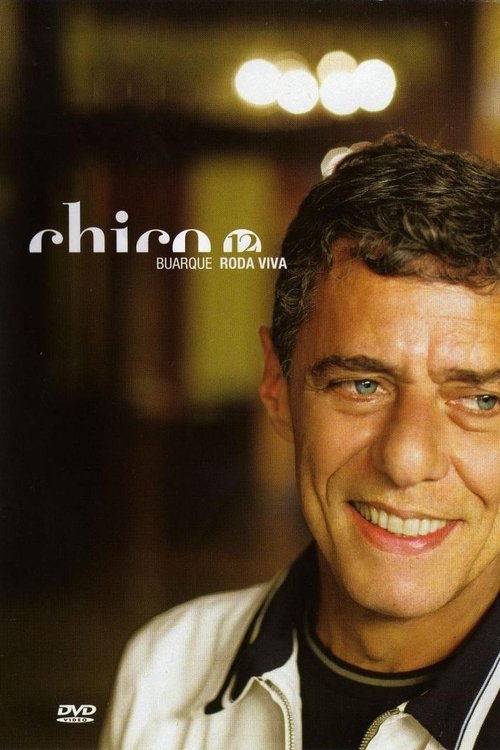
Chico Buarque - Roda Viva
2005
The 60s were a very turbulent decade. Cultural changes, such as the behavioural revolution, political unrest, and the gears of the entertainment industry form the backdrop of this twelfth DVD in the retrospective series on Chico Buarque's work, which focuses on the beginning of the composer's career. The images show live performances of 'A Banda' (1966), 'Disparada' (1966), 'Roda Viva' (1967), 'Alegria, Alegria' (1967) and 'Sabiá' (1968). All commented on by Chico himself.
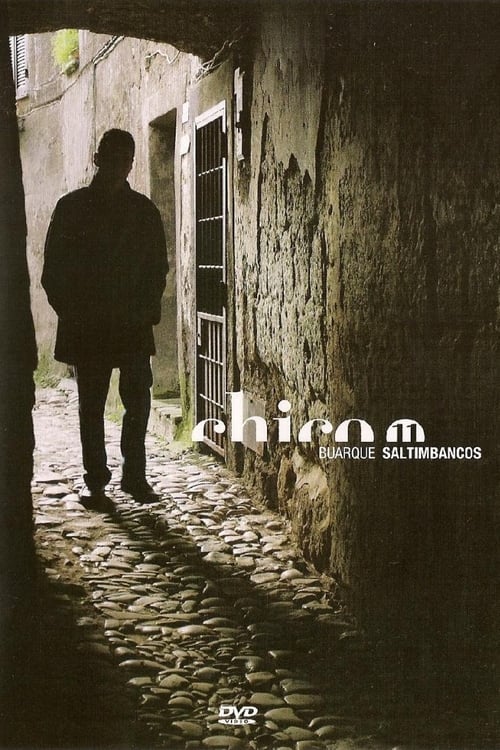
Chico Buarque - Saltimbancos
2005
'Saltimbancos', a box set from the retrospective series on Chico Buarque's work, explores the composer's relationship with the children's world. The DVD features Chico's adapted soundtrack from the musical 'Os Saltimbancos', which is a must-have in any home with children. Discover the creative process of one of Brazil's most important artists!
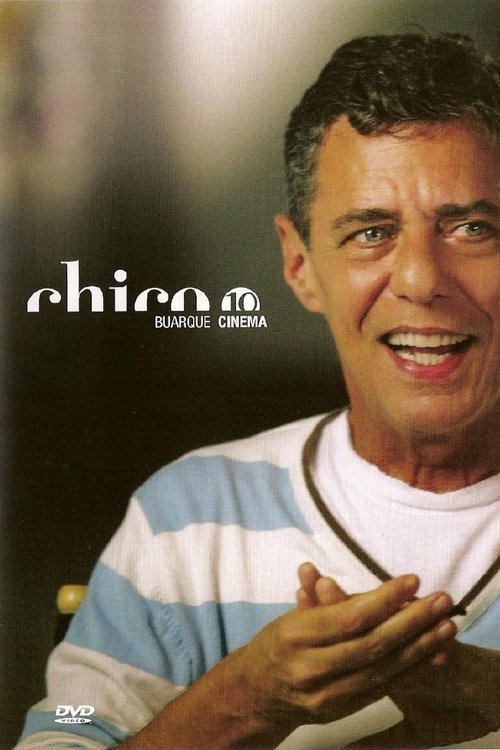
Chico Buarque - Cinema
2005
The unforgettable magic of cinema songs, forever etched in memory alongside the films, is the theme of this tenth DVD in the series dedicated to the work of composer Chico Buarque. Recorded in the picturesque town of Paraty, the DVD reveals the composer's fascination with cinema and the art of composing for the screen. Chico talks about his involvement in several films and his teenage idols, such as Marlon Brando and Jeanne Moreau. And he sings 'Ela Faz Cinema', composed especially for the series.
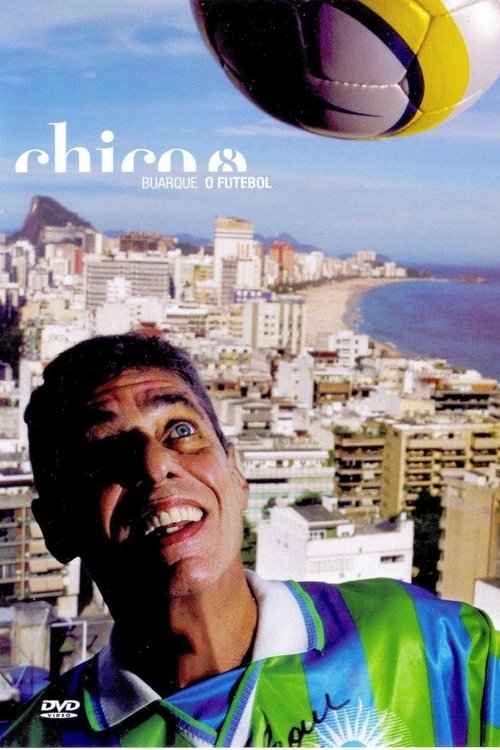
Chico Buarque - O Futebol
2005
Chico Buarque's passion for football is rivalled only by his connection to music, and sometimes it even takes precedence. In this eighth DVD from the retrospective series on his work, Chico reminisces, at the Maracanã stadium, about great players and moving moments in Brazilian football, such as the defeat to Uruguay in the 1950 World Cup final. At Confeitaria Colombo in Rio, he performs sambas about football, and on the casual football pitch in Barra da Tijuca, he receives visits from idols Pagão and Pelé. The DVD shows the artist playing football in the cities of Santos, Rio, Lisbon, Barcelona, Paris and Budapest, and also features a selection of memorable plays and goals from stars like Pelé, Garrincha, Ronaldo and Ronaldinho. It also presents a meeting with Ronaldinho in Barcelona, where the topic, naturally, was music and football.
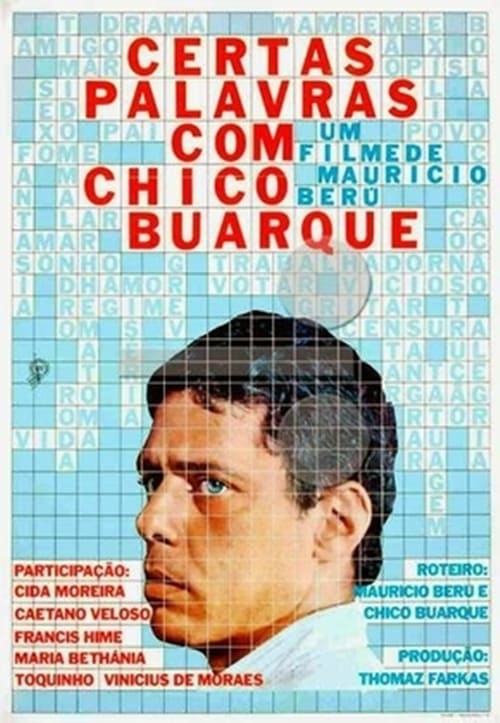
Certas Palavras com Chico Buarque
1980
The life and work of Brazilian singer-songwriter, guitarist, composer, playwright, writer and poet Chico Buarque de Hollanda.
Books
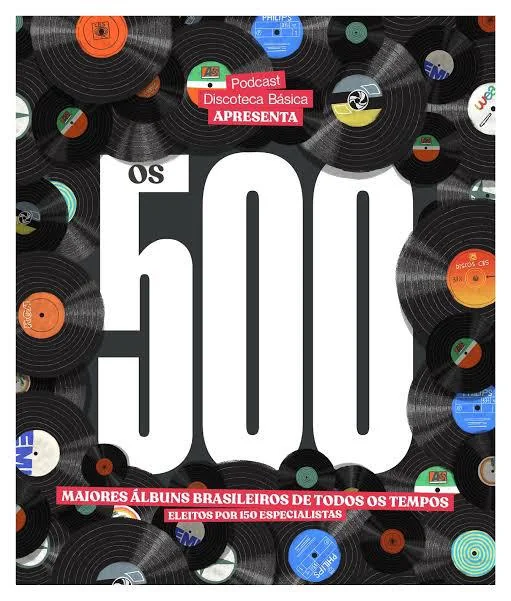
Os 500 Maiores Álbuns Brasileiros de Todos os Tempos
Ricardo Alexandre · 2022
The largest Brazilian music election ever conducted: 162 specialists, spanning journalists, critics, musicians, producers and podcasters, each nominated 50 essential albums, supported by a masterlist of more than 2,000 works. Led by Ricardo Alexandre with tabulation by Sérgio Jomori, it was published in December 2022 as a 200-page hardcover book with graphic design by Fernando Pires.
Caetano - Uma Biografia
Carlos Eduardo Drummond, Marcio Nolasco · 2017
This is a comprehensive biography of Caetano Veloso, which seeks to thoroughly explore his history and different artistic phases, going beyond the Tropicalista period, to offer a complete record of his trajectory. It is likely to detail the period of the recording of 'Caetano e Chico Juntos e Ao Vivo', a landmark in his career.
Analyses
Caetano e Chico Juntos e Ao Vivo – Wikipedia
Wikipedia, the free encyclopaedia
Chico Buarque
chicobuarque.com.br
Caetano e Chico - juntos e ao vivo is a 1972 live album by Brazilian musicians Caetano Veloso and Chico Buarque. It was recorded at the Teatro Castro Alves, in Salvador, shortly after Veloso's return from his exile in London, imposed by the Brazilian military dictatorship.
Caetano e Chico Juntos e ao Vivo, álbum histórico completa 50 anos
jornaldaparaiba.com.br
Now, celebrating its fiftieth anniversary, the album that brought Caetano Veloso and Chico Buarque together was striking and irresistible due to the power of their meeting and the beauty of the songs collected there. It was already destined to be one of MPB's great albums. Final days of 1972 or early days of 1973.
