Tropicália 2
Caetano Veloso e Gilberto Gil
1993

Rankings
Why This Album Matters
Tropicália 2, released in August 1993, represents a significant milestone in the careers of Caetano Veloso and Gilberto Gil, celebrating 25 years of the seminal album-manifesto Tropicalia ou Panis et Circencis. Far from being a mere nostalgic revisit, the album demonstrates the continuous artistic vitality of the two icons, who knew how to reinterpret and expand Tropicalismo's anthropophagic spirit. They blended the richness of Brazilian music with emerging global sounds, incorporating elements of electronic music, rap, and axé music, alongside traditional genres such as bossa nova. The work is a testament to Caetano and Gil's ability to remain relevant and innovative, creating a bridge between the movement's revolutionary past and the new musical languages that were emerging. The result is an album that sounds simultaneously rooted in Brazilian culture and universally contemporary, reiterating the approach of assimilating the foreign without submission, but rather devouring it and blending it with the national.
Context
The album Tropicália 2 was conceived as a celebration of 25 years of Tropicalismo, a cultural and libertarian movement that revolutionised Brazilian music from 1968 onwards, led by Caetano and Gil. Initially, the idea of a joint album emerged in 1992, to commemorate both artists' fiftieth birthdays, but their incompatible schedules postponed the project. The re-establishment of the Tropicalista ideology, which blended the popular and the erudite, the national and the foreign, and the lyrical with social engagement, formed the basis for the creation of this album. The original movement had promoted a fundamental rupture in Brazilian musical tradition, then dominated by bossa nova, establishing a new paradigm that rescued the country's cultural identity while simultaneously absorbing international culture.
Recording
The recording sessions for Tropicália 2 took place between March and May 1993, in studios in Rio de Janeiro (Nas Nuvens and Polygram) and Salvador (WR Salvador), evidencing the artists' connection to their Bahian roots. The album's production was a collaboration between Caetano Veloso, Gilberto Gil, and the experienced producer Liminha, who is historically associated with the Tropicalista movement. For this undertaking, Caetano and Gil assembled a team of renowned musicians, including guitarists such as Celso Fonseca and Raphael Rabello, bassists such as Dadi Carvalho and Arthur Maia, percussionists such as Carlinhos Brown and Ramiro Musotto, and horn players such as Léo Gandelman, Marcio Montarroyos, and Serginho Trombone. The production was expertly conducted, and the recordings were kept secret, generating great anticipation among both the press and the public about what the two icons would present.
Songs
The album opens with 'Haiti', a powerful track by Caetano Veloso and Gilberto Gil that not only addresses racism in Brazilian society but also delivers a scathing critique of Brazilian drivers' disregard for traffic laws. This critique had such a notable impact that it led Caetano to participate in an educational TV series about traffic in 1994, and traffic light cameras in Brazil were popularly nicknamed 'caetano'. Caetano revealed that the main structure of the song, including the 'rap' and the melody, was his, with Gil contributing a crucial riff that 'says it all'. 'Cinema Novo', another highlight, is a samba that celebrates the eponymous cinematic movement, with verses that extol how images from Brazilian cinema influenced song lyrics. The album also features an experimental side with 'Rap Popcreto', by Caetano Veloso, a collage of lyrical fragments, and 'Dada', a partnership with Gilberto Gil that stands out for its minimalist arrangement with cello. In addition, there are re-recordings such as 'Nossa Gente', by Roque Carvalho, which nods to axé music, and the version of 'Wait Until Tomorrow', by Jimi Hendrix.
Legacy
Commercially, Tropicália 2 was successful, driven by the reunion of Caetano Veloso and Gilberto Gil in the studio and by the title that evoked the seminal movement. Critical reception, as indicated by Alvaro Neder of AllMusic, considered the album 'good entertainment' and, at its best, 'good Art', highlighting its melodic heart and 'social conscience'. Other analyses described it as an appealing album, with grandiose moments like the sequence of 'Haiti' and 'Cinema Novo'. The impact of songs like 'Haiti' transcended the musical universe, influencing popular language in Brazil, where traffic enforcement cameras that photograph vehicles running red lights came to be known as 'caetano'. The album ratified Caetano and Gil's continuous ability to explore new artistic languages, connecting the Tropicalista legacy to contemporary expressions such as rap and axé music, and consolidating Tropicalismo's lasting influence on subsequent generations of artists. The release was followed by a successful tour, which included performances with a band and in an acoustic voice and guitar format, in shows in Brazil and internationally.
Tracks
Credits
Fafá Giordano
Caetano Veloso, Gilberto Gil, Liminha
Ricardo Garcia
Guilherme Calicchio, Paquetá, Renato Muñoz, Sergio Chataigner
Antoine Midani, Eduardo Chermont, Liminha, Mauro Bianchi, Paulo Junqueiro, Vitor Farias
Chris Bellman
Liminha, Paulo Junqueiro, Vitor Farias
Beth Araújo
Flávio Colker, Luiz Stein
Flávio Colker
Videos
"Tropicália 2" - Caetano Veloso & Gilberto Gil | Melhores discos dos anos 90 | Alta Fidelidade
Alta Fidelidade
Tropicália ou Panis Et Circencis l O Som do Vinil (Parte 1)
Canal Brasil
Tropicália ou Panis e Circensis | O Som do Vinil (Parte 2)
Canal Brasil
Quando a MPB Explodiu: A História de Tropicália ou Panis et Circensis | Dissecando Álbum
Novabrasil and Gustavo Vaz
Films


Gilberto Gil Antologia Vol.1
2019
The documentary goes through works composed by the Bahian musician between 1968 and 1987. Brazilian musician Gilberto Gil, one of the most well-known members of the Tropicália generations, revisits some of his most famous works on this documentary.
Gilberto Gil: Tempo Rei
1996
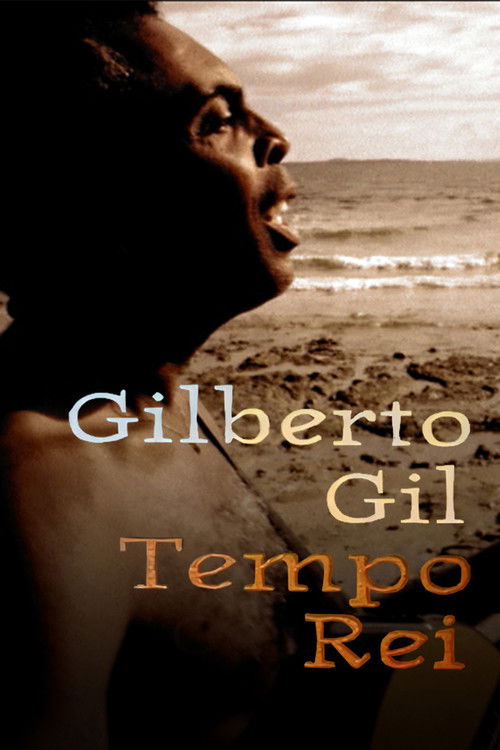
Tempo Rei is the first audiovisual record of Gilberto Gil's vast work, celebrating the artist's thirty-year career, celebrated in 1996. Gil recalls his artistic trajectory, recalls striking facts and reveals some intimacies. Completely filmed on film, it includes great successes of the artist like Madalena, Cores Vivas, Vamos Fugir, Procissão and Expresso 2222.
Caetano Veloso in Bahia
Caetano Veloso in Bahia
Caetano Veloso returns to significant places in his life in the city of Salvador and in Santo Amaro da Purificação, his hometown.

Amor e Sorte com Gilberto Gil
2020
The music and poetry of Gilberto Gil in the voices of different generations of artists and his wisdom in his own voice.
Books
Os 500 Maiores Álbuns Brasileiros de Todos os Tempos
Ricardo Alexandre · 2022
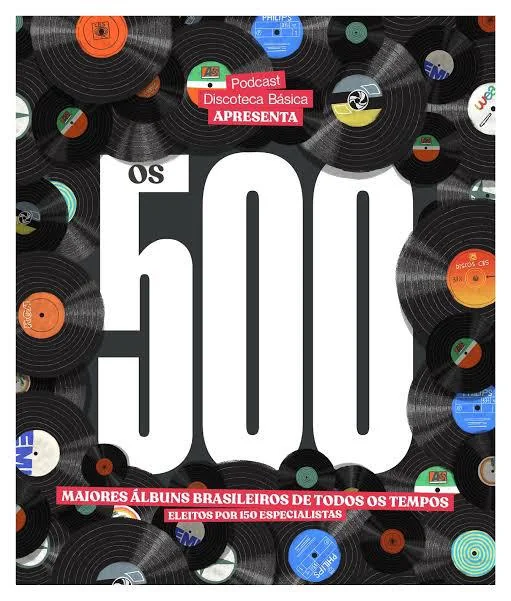
The largest Brazilian music election ever conducted: 162 specialists, spanning journalists, critics, musicians, producers and podcasters, each nominated 50 essential albums, supported by a masterlist of more than 2,000 works. Led by Ricardo Alexandre with tabulation by Sérgio Jomori, it was published in December 2022 as a 200-page hardcover book with graphic design by Fernando Pires.
O Mundo Não é Chato
O Mundo Não é Chato
Caetano Veloso, Eucanaã Ferraz · 2004
This book gathers a series of interviews and conversations with Caetano Veloso and Eucanaã Ferraz, where the artist reflects on his life, work, cultural influences and the political and social landscape of Brazil. It is a unique opportunity for direct access to Caetano's ideas and perceptions about his own artistic trajectory, including important periods such as the release of 'Tropicália 2' and the context of the tropicalista movement.
Analyses
Tropicália 2 – Wikipedia
Wikipedia, the free encyclopaedia

"Tropicália 2" (Polygram, 1993), Caetano Veloso e Gilberto Gil
discosessenciais.blogspot.com
In her review of the album in issue 98 of Bizz magazine, from September 1993, journalist Bia Abramo classified Tropicália 2 as an uneven album, despite the praise for the tracks "Nossa Gente", "Cinema Novo", "Baião Temporal" and "Tradição".
Cliquemusic : Disco : TROPICÁLIA 2 - CAETANO VELOSO E GILBERTO GIL
cliquemusic.com.br
1993 Polygram 518178-2 Tracks 1 Haiti (Caetano Veloso, Gilberto Gil) 2 Cinema novo (Caetano Veloso, Gilberto Gil) 3 Nossa gente (Roque Carvalho) 4 Rap popcreto (Caetano Veloso) 5 Wait until tomorrow (Jimi Hendrix) 6 Tradição (Gilberto Gil) 7 As coisas (Arnaldo Antunes, Gilberto Gil) 8 Aboio (Caetano Veloso) 9 Dada (Caetano Veloso, Gilberto Gil)