Doces Bárbaros
Caetano Veloso, Gal Costa, Gilberto Gil e Maria Bethânia
1976

Rankings
Why This Album Matters
Doces Bárbaros represents a musical gathering of rare proportions in MPB, uniting four of the greatest exponents of Brazilian music: Caetano Veloso, Gal Costa, Gilberto Gil, and Maria Bethânia. Although initially conceived to celebrate a decade of their individual careers, the project transcended mere commemoration, crystallising a sound that, despite the era's hippie influences, is intrinsically marked by 'brasilidade' (Brazilian-ness) and a profound Bahian regionalism, a characteristic inherent to all its members. The album, recorded live, captures the unique energy and chemistry of this supergroup. Considered by many to be a masterpiece of Brazilian music, it offers a window into the fusion of styles and personalities that defined an era, presenting a rich and authentic sound that solidifies its place as an indispensable cultural landmark.

The show and the album, despite their success, were accused of having an escapist and festive tone, in contrast to the resistance against the dictatorship by another strand of MPB.
Antônio do Amaral Rocha · Rolling Stone Brasil
Context
The group Doces Bárbaros was formed in 1976 with the purpose of embarking on a tour across Brazil, celebrating ten years of success in the individual careers of Maria Bethânia, Gal Costa, Gilberto Gil, and Caetano Veloso. The quartet's name, “Doces Bárbaros” (Sweet Barbarians), was Caetano Veloso's response to the newspaper Pasquim, which referred to the Bahian musicians pejoratively, highlighting the collective's challenging and authentic stance.
Recording
The Doces Bárbaros album was recorded live, a decision that stemmed from suggestions by Gal Costa and Maria Bethânia, going against the initial idea of a studio recording. The recording captures the tour's performance, which featured a repertoire of fifteen new songs, composed exclusively for the shows. Interestingly, four of these songs, "Esotérico", "Chuckberry fields forever", "São João Xangô Menino", and "O seu amor", had already been recorded and released on a studio double EP, which became rare recordings.
Songs
The Doces Bárbaros album's repertoire comprises fifteen unreleased songs, specially created for the tour. Among the standout tracks are "Um Índio" by Caetano Veloso, "Pássaro Proibido", a result of the partnership between Caetano and Bethânia, and "O Seu Amor" by Gilberto Gil. In addition to the quartet's original compositions, the album also included reinterpretations of other great names in Brazilian music, such as "Fé cega, faca amolada" by Milton Nascimento, and the popular classic "Atiraste uma pedra" by Herivelto Martins.
Legacy
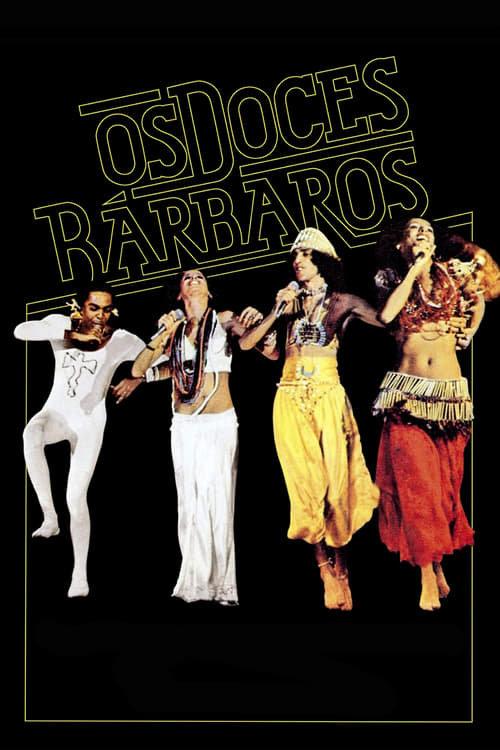
Although today widely recognised as a masterpiece of Brazilian music, Doces Bárbaros faced criticism from artists, producers, and music critics at the time of its release. Nevertheless, its cultural relevance endured, resulting in the production of a documentary that chronicles the tour's journey and its significant moments, including Gilberto Gil's arrest for drug possession in Florianópolis, a fact recorded in the film. The group's impact extended beyond the album and documentary, inspiring a theme for the Estação Primeira de Mangueira samba school in 1994 and culminating in a successful reunion of the four artists in 2002, after 26 years. This reunion resulted in memorable shows and a new documentary, "Outros (Doces) Bárbaros", released in 2004, solidifying the project's enduring influence on Brazilian culture.
Tracks
Credits
Caetano Veloso
Gilberto Gil
Gapa, Pedrinho Albuquerque
Arnaldo Brandão
Chiquinho Azevedo
Mauro Senise
Perinho Santana
Rafael Isaac
Djalma Correa
Tomas Improta
Tuzé De Abreu
Luigi Hoffer
Ary Carvalhaes
Ary Carvalhaes
Ivan Lisnik
Aldo Luiz, Flávio Império
Jorge Vianna
Frederico Confalonieri
Videos
DOCES BÁRBAROS: O ENCONTRO DE GAL, CAETANO, GIL E BETHÂNIA
Vinilteca
LP "Doces Bárbaros - 1976 HISTÓRIAS E CURIOSIDADES DA MÚSICA BRASILEIRA
Rogério Grillo
Films

Books
Álbum 2 - 1972 a 1978
Pedro Alexandre Sanches · 2022
A volume in the 'Álbum' series that recounts the history of Brazilian music through albums released between 1972 and 1978. The album 'Doces Bárbaros' (1976) fits perfectly into this period, making it probable that the work offers an in-depth analysis of its conception and impact.
Os 500 Maiores Álbuns Brasileiros de Todos os Tempos
Ricardo Alexandre · 2022
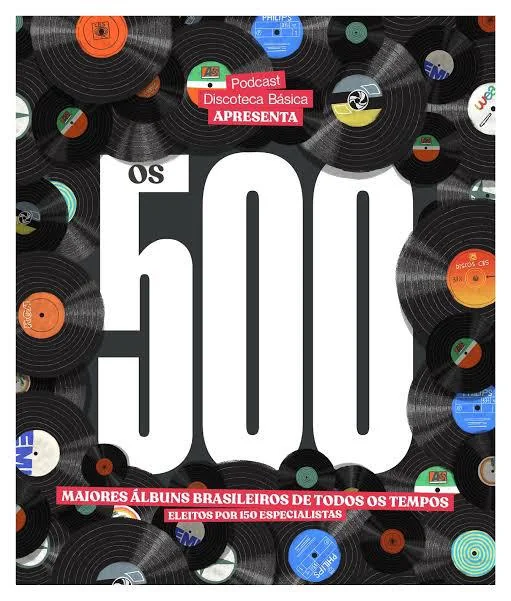
The largest Brazilian music election ever conducted: 162 specialists, spanning journalists, critics, musicians, producers and podcasters, each nominated 50 essential albums, supported by a masterlist of more than 2,000 works. Led by Ricardo Alexandre with tabulation by Sérgio Jomori, it was published in December 2022 as a 200-page hardcover book with graphic design by Fernando Pires.

Verdade tropical
Caetano Veloso · 1997
Memoirs of Caetano Veloso, where the artist narrates his journey, the emergence of Tropicalismo, exile, and his return to Brazil, a period that culminated in landmark projects such as Doces Bárbaros. Essential for understanding the context and vision of one of the album's creators.
Analyses
Doces Bárbaros – Wikipedia
Wikipedia, the free encyclopaedia
Doces Bárbaros – The 100 Greatest Albums of Brazilian Music
Antônio do Amaral Rocha · Rolling Stone Brasil
The show and the album, despite their success, were accused of having an escapist and festive tone, in contrast to the resistance against the dictatorship by another strand of MPB.

Obras Primas da Música Brasileira Não Devidamente Reconhecidas
obrasprimasmusicabrasileira.blogspot.com
"Doces Bárbaros" was the designation given to an ephemeral supergroup (of only one album) formed by Caetano, Gil, Gal and Bethânia. Despite bringing together the Bahian elite of MPB, at the peak of their respective careers, this live double album remains in limbo to this day.
Caetano Veloso, Gal Costa, Gilberto Gil & Maria Bethânia - Doces ...
musicasdonordeste.net
In 1976, Caetano, Gil, Gal and Bethânia reunited to form the group Os Doces Bárbaros, whose eponymous tour premiered at Anhembi, in São Paulo, and passed through ten other Brazilian cities. The show gave rise to a double album.
Doces Bárbaros - Portal Café Brasil
portal.lucianopires.com.br
As a group, Doces Bárbaros can be described as a typical 70s hippie band, but its striking characteristic is its Brazilian essence and Bahian regionalism, the origin of all its members.