Transa
Caetano Veloso
1972

Rankings
Why This Album Matters
Transa, Caetano Veloso's sixth studio album, is a landmark due to its electrified sound, which blends rock with Brazilian rhythms and percussion, even incorporating berimbau sounds and the artist's own guitar. With lyrics in Portuguese and English, the album stands out for its organic and spontaneous approach, being Veloso's first work recorded as a group, with an energy the artist himself compared to a live show. This album is particularly notable for its innovation in pioneering the inclusion of reggae beats in Brazilian music with the track "Nine out of Ten", long before other international artists. This discovery of reggae by Caetano and Péricles Cavalcanti in Portobello Road in London was a watershed moment. Caetano Veloso himself considered "Nine out of Ten" his best song in English and Transa the album that gave him courage for future works, expressing immense pride in the sound achieved as a group.

Perhaps due to the distance, perhaps due to the absence of vigilant eyes, Caetano had never been so Caetano.
Bruno Natal · Rolling Stone Brasil
Context
Recorded in 1971, Transa emerged from Caetano Veloso's period of exile in London, which began in 1969. His brief return to Brazil in January 1971, to celebrate his parents' 40th wedding anniversary, was marked by a military interrogation where he was 'suggested' to compose a song exalting the Trans-Amazonian Highway, something the artist refused. Back in the English capital, Veloso conceived and recorded the LP, which was to be released in Brazil in January 1972, coinciding with his definitive return to the country. The name Transa, although reminiscent of the military suggestion, acquires a new meaning in the context of the work, marking a period of transition and reinvention for the artist.
Recording
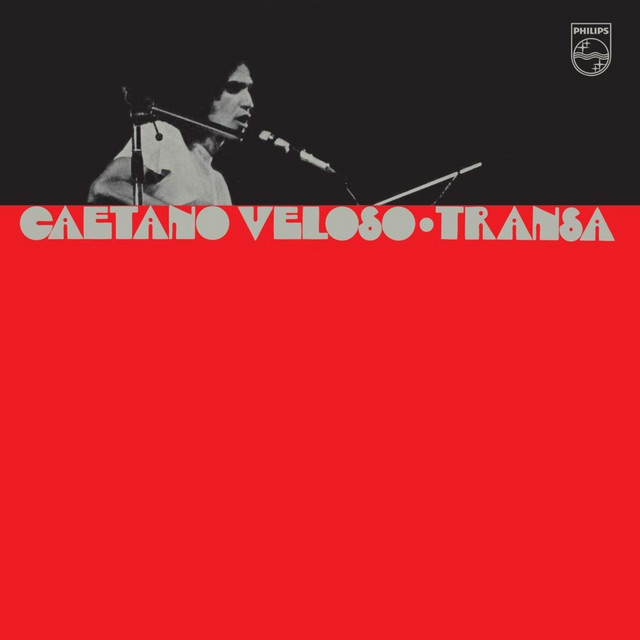
Transa was recorded in 1971 at Chappell's Recording Studios, in London. Caetano Veloso called upon friends for the recording, including Jards Macalé on guitar and arrangements, Tutty Moreno on drums, Moacyr Albuquerque on bass, and Áureo de Souza on percussion. Musical direction was also handled by Jards Macalé, while production was by Ralph Mace. The recording process was described by Veloso as 'organic, spontaneous' and 'almost like a live show', emphasising the collaborative nature and the group's energy. The album also stood out for its innovative packaging, an insert that, when opened alongside the triple cover, formed a triangle, christened 'discobjeto' by its creator, Álvaro Guimarães, who conceived it with Aldo Luiz.
Songs
The lyrics of Transa, presented in Portuguese and English, are notable for avoiding explicit political references, although critic Álvaro Neder observes that such criticisms are skilfully disguised in virtually all the songs. A striking example is the musicalisation of "Triste Bahia", a poem by the Baroque poet Gregório de Matos Guerra, which revives the critical theme of the poem to reflect on the Brazilian political situation of the time. Among the prominent tracks, "It's a Long Way" received considerable airplay during that period. The re-recording of "Mora na Filosofia", a classic samba by Monsueto Menezes, generated controversies at the time due to its rock-infused arrangement. The album is also celebrated for "Nine out of Ten", considered by Caetano to be his best song in English and a landmark for being the first Brazilian song to incorporate reggae sections.

A pillar of the Tropicalist spirit, alongside Gal Costa following the exile of the movement's leaders, Caetano Veloso and Gilberto Gil, Jards Macalé had unleashed "Os morcegos em Gotham City" (a partnership with Capinan), clad in a spectral nightshirt, at the Festival da Canção, at the end of 1969, plagued by boos.
Tárik de Souza · 300 Discos Importantes
Legacy
Transa established itself as a work of profound cultural and critical relevance. In 2007, the Brazilian edition of Rolling Stone magazine elected it as the 10th best Brazilian album of all time, a recognition that was reinforced in 2022, when the Discoteca Básica podcast classified it as the 8th best Brazilian album of all time. Internationally, Transa's impact is also notable. "You Don't Know Me" was elected by the North American magazine Pitchfork as the 73rd best song of the 70s, described by Kevin Lozano as a 'masterpiece' that could only have been written from the perspective of an exile. The same publication included Transa in its guide 'A história da Tropicália em 20 álbuns', where Andy Beta highlighted how the incorporation of capoeira rhythms and reggae references suggest that resistance remained at the centre of Veloso's music, even without overt political references.
Tracks
Credits
Ralph Mace
Gal Costa
Aureo de Souza, Tutty Moreno
Jards Macalé
Colin McLeish, John Iles
Álvaro Guimarães
Aldo Luiz
Podcasts
Brazuca Sounds · Leandro Vignoli
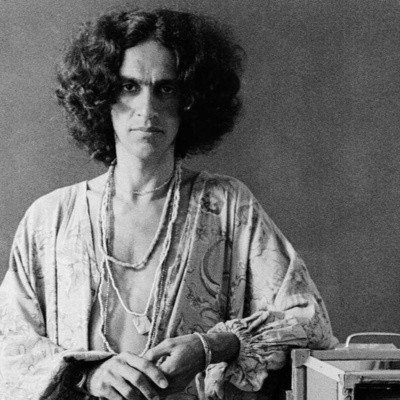
In episode #25 we discuss the making of Caetano Veloso's album "Transa" released in January 1972. This is his second album recorded in London, while in exile following his prison by the military regime in Brazil. However, unlike the obvious sadness of Caetano's self-title LP of 1971 (Brazuca Sounds #17), Transa is the culmination of all his new influences living abroad. The reggae on Portobello Ro
Brazuca Sounds on Patreon · Leandro Vignoli
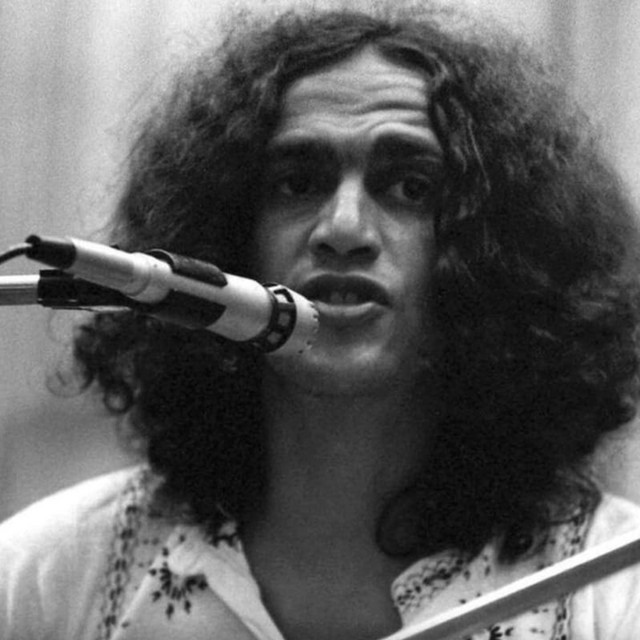
In episode #25 we discuss the making of Caetano Veloso's album "Transa" released in January 1972. This is his second album recorded in London, while in exile following his prison by the military regime in Brazil. However, unlike the obvious sadness of Caetano's self-title LP of 1971 (Brazuca Sounds #17), Transa is the culmination of all his new influences living abroad. The reggae on Portobello
O Cone do Silêncio · Andre Perim
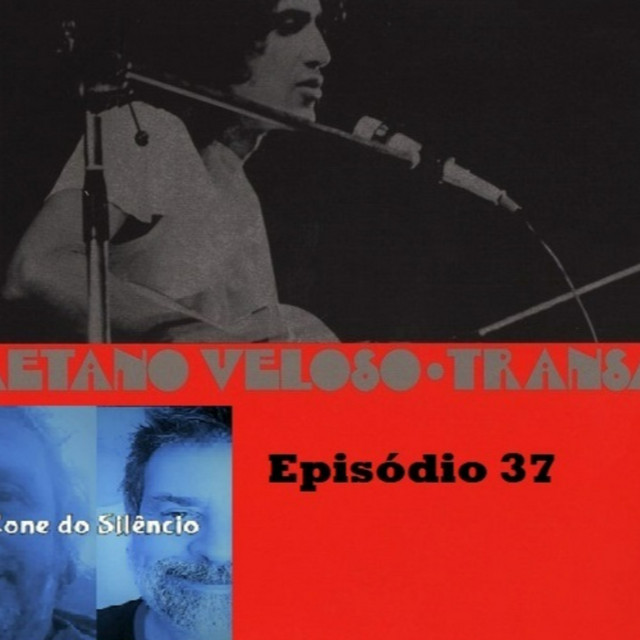
Programa apresentado e produzido por Andre Perim e Andre Boudon https://open.spotify.com/playlist/5fIlfzY6HRvIadLvJhgnsJ?si=5399836225304968
Discoteca Básica Podcast · Parasol Storytelling
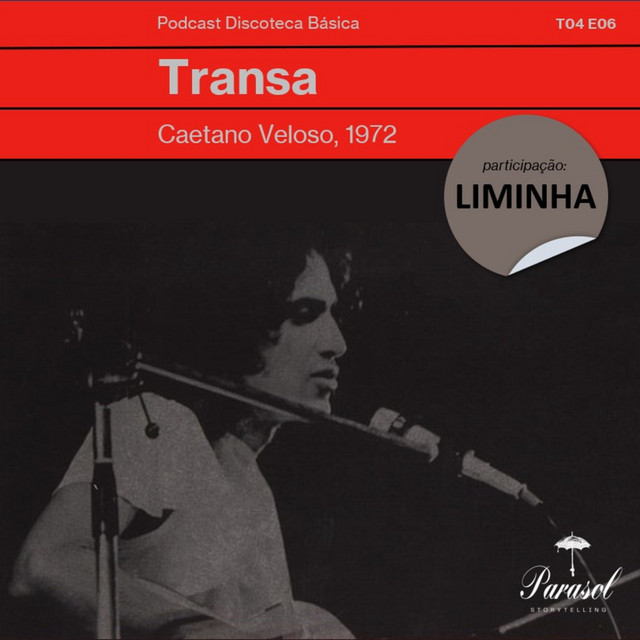
A LONGA E ESTRANHA TRIP DO EXÍLIO. Depois de dois anos assimilando a violência do exílio político, Caetano junta os cacos com uma banda brasileira em Londres e compõe, ensaia e grava um de seus discos mais ousados, um dos dez mais votados na lista dos “500 Maiores Álbuns Brasileiros de Todos os Tempos”. Convidado do episódio: Liminha Assinante do Clube Discoteca Básica tem conteúdo complementa
Rádio Mocó
1972 foi um ano de discos e músicas a frente do seu tempo, com a produção brasileira cruzando a barreira da Bossa Nova, da Jovem Guarda e criando um novo DNA, mais ou menos o que chamamos hoje de MPB. O ano de 2022 marca 50 anos desse marco temporal e o programa "Feito no Brasil" estreia a série "5/50", que desbrava 5 discos-chave que marcaram o ano de 1972. No primeiro episódio, Transa, de Caetan
Videos
CAETANO VELOSO - TRANSA (1972) | ALBUM REVIEW
Vinilteca
Álbum " Transa"
Lê
The Cookie Collector | Transa ALBUM REVIEW (Caetano Veloso, 1972)
The Cookie Collector
3000 Best Albums [2254] Caetano Veloso - Transa (1972) Dan's Mini Album Review
Dan's Mini Album Reviews
"Transa" - Caetano Veloso | Os melhores discos da MPB nos anos 70 | Alta Fidelidade
Alta Fidelidade
50 ANOS DE TRANSA DE CAETANO VELOSO | ALBUM REVIEW
Som de Peso
Films

Caetano Veloso in Bahia
Caetano Veloso in Bahia
Caetano Veloso returns to key places in his life in the city of Salvador and in Santo Amaro da Purificação, his hometown.

Narcissus Off Duty
2020
Brazilian singer-songwriter Caetano Veloso reflects on his imprisonment in 1968, during the military dictatorship.
Books
Os 500 Maiores Álbuns Brasileiros de Todos os Tempos
Ricardo Alexandre · 2022
The largest Brazilian music election ever conducted: 162 specialists, spanning journalists, critics, musicians, producers and podcasters, each nominated 50 essential albums, supported by a masterlist of more than 2,000 works. Led by Ricardo Alexandre with tabulation by Sérgio Jomori, it was published in December 2022 as a 200-page hardcover book with graphic design by Fernando Pires.
300 Discos Importantes da Música Brasileira
Charles Gavin, Tárik de Souza, Carlos Calado, Arthur Dapieve · 2008
Conceived by Titãs drummer and musical researcher Charles Gavin, the 434-page book brings together covers and reviews of albums released between 1929 and 2007. The texts were written by journalists Tárik de Souza, Arthur Dapieve and Carlos Calado.

Verdade tropical
Caetano Veloso · 1997
Verdade Tropical is Caetano Veloso's autobiography, in which he narrates his personal and artistic trajectory, with a special focus on the Tropicalista movement, his exile in London and the creation of seminal MPB works. The book offers a detailed panorama of the political and cultural context that shaped his music at the time, including the period in which the album 'Transa' was conceived and recorded, becoming an indispensable primary source for understanding the album.
Caetano Veloso: Transa - Editora Cobogó
Considered one of the great albums of Caetano Veloso's career, Transa, the musician's fourth solo album and the second recorded during his London exile, transforms the experience of uprootedness and...
Analyses
Transa – Wikipedia
Wikipedia, the free encyclopaedia
Transa – The 100 Greatest Albums of Brazilian Music
Bruno Natal · Rolling Stone Brasil
Perhaps due to the distance, perhaps due to the absence of vigilant eyes, Caetano had never been so Caetano.
Caetano Veloso - Transa - Julian Cope presents Head Heritage
headheritage.co.uk
TRANSA, CAETANO VELOSO I became an addicted listener to Caetano Veloso when I was around 15. Twenty years have passed but my great genius of the Brazilian music still keeps visiting my home day after day and heartbeats assault me nervously whenever a new cd springs up or a show calls for me. To tell the truth, I still can't help feeling excited with Caetano Veloso, really. The 'Transa ...
Transa by Caetano Veloso (1972) — Review & Tracklist | ChatZona Music
chatzona.com
📝 Our review Transa was Caetano Veloso's first album recorded in London exile, and its spirit of productive disorientation runs through every track. Tropicália blended with English folk, rock, samba and concrete poetry. Lyrics in English and Portuguese create an ambiguity that reinforces the feeling of being between two worlds. Hard to categorise and fascinating for it: one of his freest ...
Album: Transa. Artist/Band: Caetano Veloso. Year: 1972.
staimusic.com
Artist: Caetano Veloso Album: Transa Discover it on Amazon → Year: 1972 Duration: 37:18 Transa by Caetano Veloso - A Critical Review Caetano Veloso is a name that is undeniably recognized in the music industry, not just in Brazil but around the world. A pioneer in the Tropicalia movement of the late 60s, Veloso is known for taking the traditional sounds of Brazil and merging them with pop ...