Velô
Caetano Veloso
1984

Rankings
Why This Album Matters
Velô, Caetano Veloso's sixteenth studio album, released in 1984, stands out as a work representative of the artist's ability to address complex and socially relevant themes through Brazilian Popular Music. The album demonstrates Veloso's lyrical acumen, which is evident in compositions that navigate between political and cultural critique and the celebration of language and diversity. This record deserves attention for the profundity of its lyrics and the way Caetano Veloso weaves commentary on Brazilian and Latin American reality. The work presents a fusion of critical reflection with poetic sensibility, distinguishing characteristics of the composer's trajectory.
Songs
The tracks on Velô reveal Caetano Veloso's compositional mastery and his ability to create impact through words. The opener, "Podres Poderes", is a biting protest song, in which the artist criticises Catholicism and authoritarianism in Latin America, raising questions about the 'incompetência da América católica'. The lyrics also celebrate the vibrant diversity of Carnaval in the face of figures of power, mentioning the presence of 'índios, padres, bichas, negros, mulheres e adolescentes'. Curiously, Caetano's critique in this song of the Brazilian habit of disregarding traffic lights led to an invitation to participate in a road safety education programme and gave rise to the nickname 'caetanos' for the cameras that monitor red lights. However, the track also generated controversy, with Lobão criticising verses that, according to him, suggested an elitism within MPB. The closing song, "Língua", is another highlight, marked by the moving participation of singer Elza Soares. At a moment of great difficulty in her career, Elza was sought out by Caetano, who encouraged her to carry on. At the composer's invitation, Elza contributed iconic verses to the chorus, such as 'Flor do Lácio Sambódromo / Lusamérica latim em pó / O que quer, o que pode esta língua?', which became a symbol of her artistic resurrection.
Legacy
Velô achieved significant commercial success, selling over 100,000 copies in Brazil and earning a gold record. Beyond sales recognition, the album left notable cultural marks. Caetano Veloso's critique in the song "Podres Poderes" of Brazilians' habit of not respecting traffic lights was so impactful that the automatic cameras which photograph motorists running red lights were popularly nicknamed 'caetanos'. One of the album's most moving legacies is Elza Soares' participation on the track "Língua", which represented a crucial turning point in her career. During a period of stagnation in her career, the collaboration with Caetano Veloso on this record was fundamental to her return to stardom, solidifying the song as a milestone in her artistic revitalisation.
Tracks
Credits
Caetano Veloso, Ricardo Cristaldi
Caetano Veloso
Banda Nova
Tavinho Fialho
Marcelo Costa
Toni Costa
Ricardo Cristaldi
Armando Marçal
Zé Luis
Jairo Gualberto, Ricardo Cristaldi
Jairo Gualberto
Marcos Adriano
Luciano Figueiredo
Jorge Vianna
Gilda
Podcasts
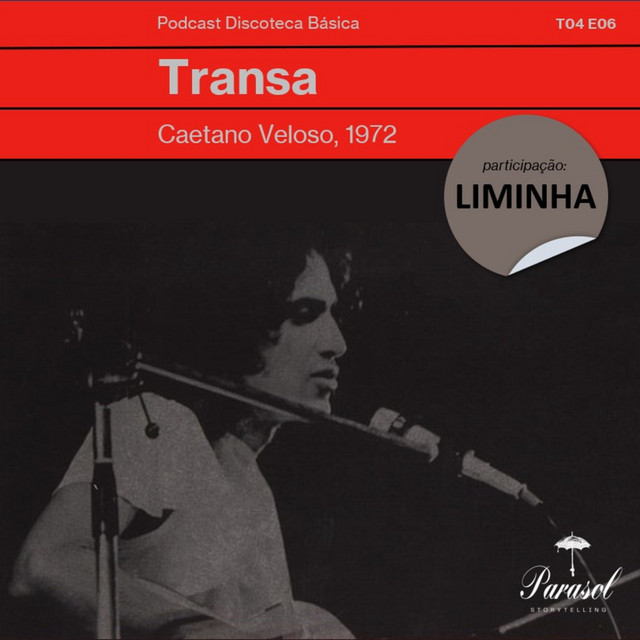
Discoteca Básica Podcast · Parasol Storytelling
A LONGA E ESTRANHA TRIP DO EXÍLIO. Depois de dois anos assimilando a violência do exílio político, Caetano junta os cacos com uma banda brasileira em Londres e compõe, ensaia e grava um de seus discos mais ousados, um dos dez mais votados na lista dos “500 Maiores Álbuns Brasileiros de Todos os Tempos”. Convidado do episódio: Liminha Assinante do Clube Discoteca Básica tem conteúdo complementa
Choque de Cultura - Ambiente de Música · Canal Brasil
Em ritmo de Kadett tunado, o episódio mergulha fundo na obra de Caetano Veloso. Maurílio exalta Caetano como o Flea brasileiro, enquanto Julinho e Renan decidem que o verdadeiro feito do cantor foi estacionar no Leblon. Em uma verdadeira “rasgação de seda” aos seus talentos pouco reconhecidos como piloto e manobrista, os três comparam Caetano a Serginho Mallandro, tecem teorias sobre rachas secret

Músicas e suas Histórias · Músicas e Suas Histórias
Conheça a história da canção "Alegria, Alegria", do ano de1967, composta por Caetano Veloso, a qual marcou o início do movimento Tropicalismo no Brasil. E Por que Não? Bom Entretenimento! Paulo Arruda.Gostou?Para saber mais acesse o Canaldo YouTube: Músicas e Suas Histórias:https://www.youtube.com/channel/UCBbOHBkyr3Aj5ITUqG_gADw/featured

Roda Viva · TV Cultura
No Roda Viva, Vera Magalhães recebe o cantor e compositor Caetano Veloso. Caetano acaba de lançar um novo álbum, "Meu Coco", com 12 músicas inéditas, gravado com a participação de músicos como o ritmista Marcelo Costa, o acordeonista Mestrinho e o multi-instrumentista Vinicius Cantuária. "Meu Coco" é o primeiro disco com repertório inédito do artista, desde 2012, quando lançou "Abraçaço". Dispo
Videos
DISCOS QUE TODO GUITARRISTA DEVERIA OUVIR #01 | Análise de Discos | MPB | Velô (Caetano Veloso)
Ricardo Vital
Comentários sobre a música Língua, composta por Caetano Veloso.
Martorelli.org
Língua - Caetano Veloso | Comentário de Beto Oliveira
Psicanálise - Saber & Citação
Caetano Veloso - Discografia da década de 80 (Grandes nomes e discos da música brasileira)
Vinícius Rosa
LÍNGUA, de Caetano Veloso... uma análise...
Prof. Luis Cleber
Films

Books
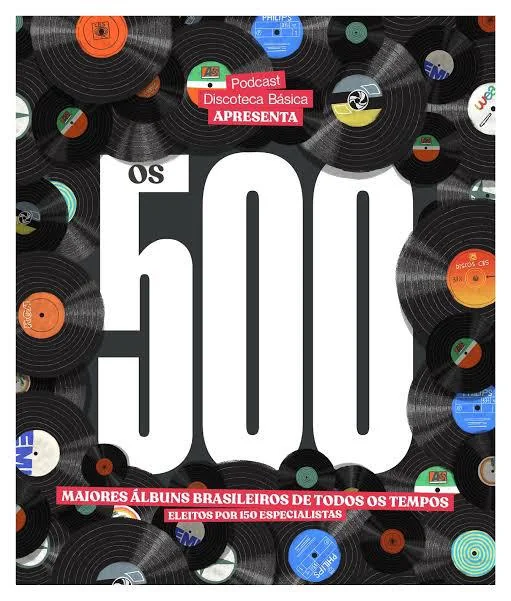
Os 500 Maiores Álbuns Brasileiros de Todos os Tempos
Ricardo Alexandre · 2022
The largest Brazilian music election ever conducted: 162 specialists, spanning journalists, critics, musicians, producers and podcasters, each nominated 50 essential albums, supported by a masterlist of more than 2,000 works. Led by Ricardo Alexandre with tabulation by Sérgio Jomori, it was published in December 2022 as a 200-page hardcover book with graphic design by Fernando Pires.
Letra Só / Sobre as Letras
Letra Só / Sobre as Letras
Caetano Veloso, Eucanaã Ferraz · 2003
A compilation of Caetano Veloso's song lyrics, accompanied by his reflections on the writing process and the poetry in his work. This book is essential for understanding the artist's lyrical compositions, including those present on the album 'Velô', and delves deeper into the meaning and construction of his songs.

Verdade tropical
Caetano Veloso · 1997
A fundamental work by Caetano Veloso, where the artist narrates and analyses the Tropicália movement, its formation, influences, and the impact of his work on Brazilian culture. Although concentrated on the Tropicália period, the autobiography offers an essential overview of Caetano's artistic trajectory, including the period when 'Velô' was released, providing context and the author's own reflections on his career.
Analyses
Velô – Wikipedia
Wikipedia, the free encyclopaedia

"Velô" (Philips, 1984), Caetano Veloso
discosessenciais.blogspot.com
Caetano Veloso and Banda Nova in the show Velô, at Canecão, in Rio de Janeiro, in 1984. The album concludes with the excellent "Língua", a true ode to the Portuguese language. On this track, Caetano features the special participation of the brilliant Elza Soares (1930-2022).

1984 - Velô - Caetano Veloso
caetanoefoda.blogspot.com
Velô (1984) resulted from Caetano Veloso's partnership with Banda Nova after the end of Outra Banda da Terra. With fast rhythms and intense lyrics, Velô marked Caetano's artistic direction towards 80s pop rock: "there was a sudden strengthening of rock in Brazil and I feel identified with that period."
Caetano Veloso - Velô (1984) - musicasdonordeste.net
musicasdonordeste.net
Released in 1984, Velô is, for more than one reason, one of the most important albums of Caetano Veloso's career. In "Podres poderes", the opening track, the singer-songwriter delivers a kind of vehement social critique, uncommon in his output, but one that would echo in several albums released in subsequent decades.