Axé!
Candeia
1978

Rankings
Why This Album Matters
Axé!, the fifth and final studio album by master Candeia, released in November 1978, just days after his death, is a seminal work that transcends mere musical recording, establishing itself as one of the pillars of samba history. More than an album, it represents an artistic manifesto, a testament to Candeia's passion for the roots of samba and a cry of resistance against the genre's mischaracterisation. Its authentic and visceral sound rescues the essence of Rio de Janeiro samba, honouring its origins and its great masters, while projecting the unique vision of one of Portela's greatest composers and guardians. The album is not just a collection of songs, but a declaration of principles, a deep dive into the soul of samba that Candeia so bravely defended. With its striking sound and lyrics that reflect both everyday poetry and social critique, Axé! is an unmissable invitation to celebrate samba culture in its purest form. Candeia's ability to bring together and engage with tradition, while imprinting his authorial mark, is what gives this work inestimable importance for Brazilian music.
Context
The release of Axé! emerges directly from the positions and reflections that Candeia had been defending and articulating in his life and work, notably in the book "Escola de Samba, Árvore que Esqueceu a Raiz", written in partnership with Isnard Araújo. This book, a scathing critique of the commercialisation and distortion of samba schools, paved the way for the album's musical proposal: a return to the sources and the appreciation of essential figures forgotten by time. The album is, therefore, an act of cultural militancy, a conscious effort to preserve the memory and authenticity of samba, which Candeia saw as threatened. The recording and posthumous release of the album, after the sambista's death on 16 November 1978, lend Axé! an even greater emotional and symbolic weight, transforming it into a final and definitive legacy of his artistic and ideological vision for samba.
Recording
The production of Axé! was an ambitious project, with João de Aquino producing, Guti as production director, and Edeltrudes Marques (Dudu) as recording director, which took place at Transamérica studios in Rio de Janeiro. The technical team included Vitor and Toninho operating the recording controls, assisted by Rafael, Filé, and Cláudio. The backstage atmosphere was one of camaraderie, with Seu Manuel looking after "the booze and coffee" and Lena Frias, Clovis Scarpino, and Francisco Vieira "overseeing the work in the wings". The album stands out for bringing together a stellar team of instrumentalists and special guests, creating a sound environment that directly evokes authentic pagodes. The instrumental foundation featured Gordinho on surdo, Testa on pandeiro, Marçal and Luna on tamborim, and Wilson das Neves on drums, among others. In addition to the talented musicians, the presence of legends such as Alvaiade, Manacéa, Clementina de Jesus, Dona Ivone Lara, and Chico Santana, as well as the choir of the Velha Guarda da Portela, was fundamental. The inclusion of these samba masters, many of whom had been away from studios for years, sought to reproduce a legitimate pagode, with improvisation, partido alto, and even "the explicit sound of glasses and bottles", capturing the spontaneity and vivacity of samba's oral tradition.
Songs
The repertoire of Axé! is a mosaic that harmonises Candeia's own compositions with historical sambas, some of which were incomplete and skilfully complemented by the sambista. Notable examples include "Ouro Desça do Seu Trono" by Paulo da Portela, "Vivo Isolado do Mundo" by Alcides Dias Lopes (the Malandro Histórico), and "Ouço uma Voz" by Nelson Amorim, where Candeia added verses without distorting the original melodic and poetic spirit. This approach not only rescues forgotten gems, but also demonstrates Candeia's profound respect for the samba lineage. In addition to these reinterpretations, the album features Candeia's original compositions, such as the poignant "Pintura sem arte" and the classic "Dia de Graça", demonstrating his mastery as a lyricist and melodist. Significant partnerships also enrich the album, for example, "Amor não é brinquedo" with Martinho da Vila, "Mil réis" with Noca da Portela, and "Zé Tambozeiro" with Vandinho. The track "Gamação", followed by "Peixeiro Granfino", "Ouço uma Voz", and "Vem Amenizar", is a medley that condenses the richness of samba's language and traditions, with the illustrious participation of Dona Ivone Lara, Chico Santana, and the Velha Guarda da Portela, who lend their voices to the choir, recreating the vibrant atmosphere of a true and spontaneous pagode.
Legacy
Axé! is universally acclaimed as one of the most important albums in the history of samba, solidifying Candeia's legacy as a tireless guardian of the genre's roots. Its importance lies not only in its impeccable musical quality, but also in its role as an ethnographic document and a political-cultural manifesto in defence of samba's authenticity. The album, released posthumously, became a sonic epitaph for an artist who dedicated his life to preserving and valuing the samba tradition, influencing future generations of sambistas and researchers. By rescuing and harmonising compositions by old masters with his own creations and partnerships, Candeia not only immortalised voices and melodies that ran the risk of being forgotten, but also offered a panorama of the diversity and richness of Rio de Janeiro samba. The participation of legendary figures and the Velha Guarda da Portela not only enriches the sound, but also underscores the message of continuity and reverence for samba's ancestry. Axé! remains a timeless work, a testament to Candeia's genius and a beacon for those seeking the true essence of samba.
Tracks
Credits
Mazzola
Guti Carvalho
João De Aquino
Valter Silva
Wilson Canegal
Volmar
Nilton Delfino Marçal
Wilson Das Neves
Testa
Gordinho
Lobianco, Ruth Freihof
Claudio Carvalho
Lena Frias
Ivan Cardoso
Books
As matriarcas da avenida
Fábio Fabato · 2019
This book recounts the stories of iconic samba schools such as Mangueira, Portela, Salgueiro, and Império Serrano, with a special focus on the 'matriarchs' of Rio carnival. Candeia being a central and historical figure of Portela, the book offers valuable cultural and historical context for understanding his musical roots and the school's influence on his work, including the album 'Axé!', which is deeply rooted in the world of samba.
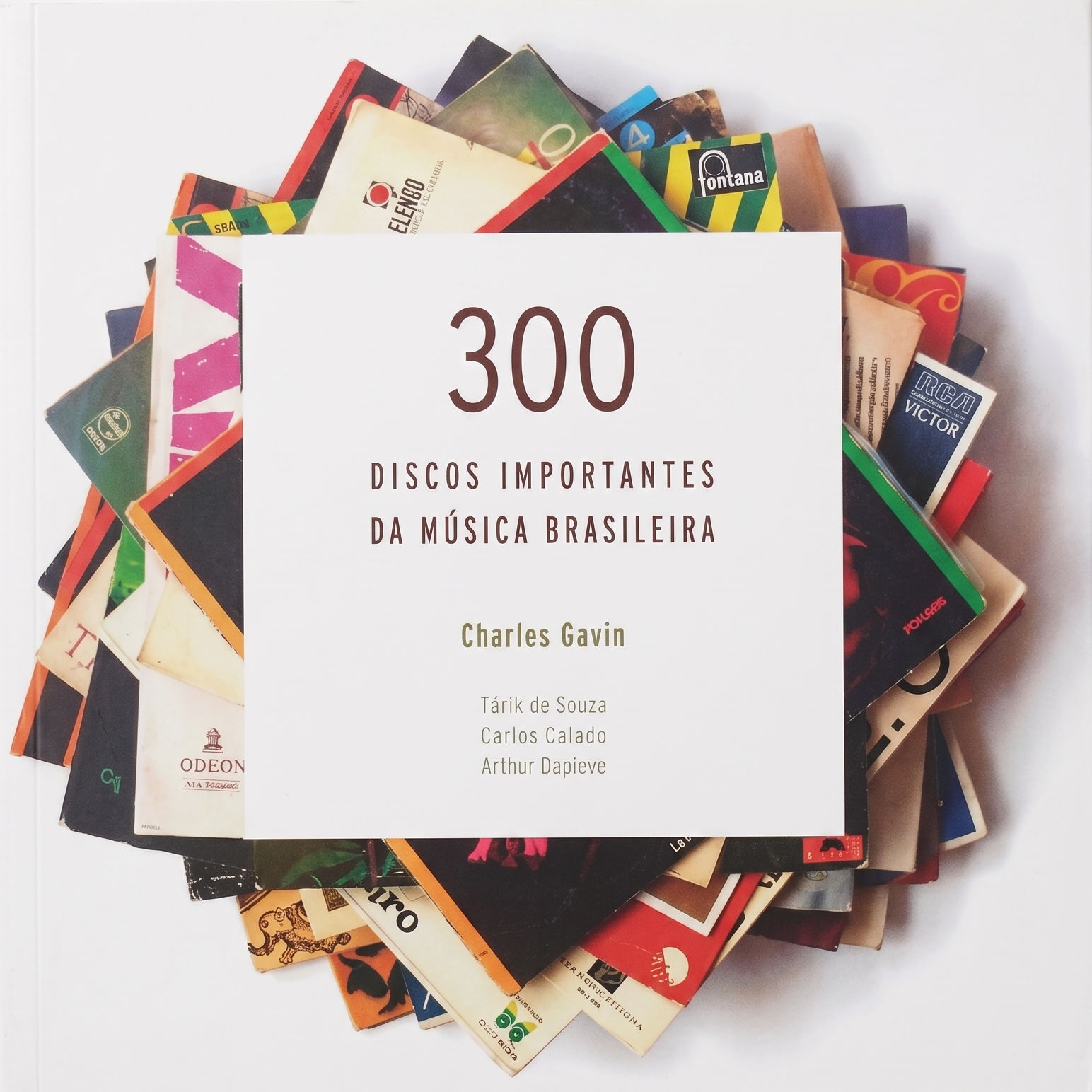
300 Discos Importantes da Música Brasileira
Charles Gavin, Tárik de Souza, Carlos Calado, Arthur Dapieve · 2008
Conceived by Titãs drummer and musical researcher Charles Gavin, the 434-page book brings together covers and reviews of albums released between 1929 and 2007. The texts were written by journalists Tárik de Souza, Arthur Dapieve and Carlos Calado.
Candeia, luz da inspiração
João Baptista de Medeiros Vargens · 1987
A biography of the sambista Candeia, addressing his life journey, his innovative contributions to samba, and the founding of GRES Grêmio Recreativo de Arte Negra e Bloco Carnavalesco Cacique de Ramos. The book explores his musical career and the impact of his works, providing an essential context for understanding albums such as 'Axé!'.
Analyses
Axé! – Wikipedia
Wikipedia, the free encyclopaedia
Disconcertos com Luiz Antonio Simas
portalsplishsplash.com
Candeia is a key composer in the history of samba, but, more than that, I believe the LP 'Axé' is a record that is a true treatise on Brazilian culture.
Revisitando: Candeia - Axé (1978) - Floga-se
botequimdeideias.com.br
"Axé" is well-recorded, capturing an undeniable joy from the moments of great artists led by Candeia, with all his charisma. This is a record that deserves to be revisited, not just on the eve of Carnival.
Candeia - Axé! Gente Amiga Do Samba (1978) | Toque Musical
toque-musicall.com
"Axé!" was an album released by a multinational company in the same year of the artist's passing. It remained out of catalogue for a long time. It is a very well-produced record, with not only special but also historical guest appearances.
Discos Escondidos #078: Candeia - Axé! Gente Amiga do Samba (1978)
ojardimeletrico.com
Never having abandoned samba, Candeia became a civil police officer during the 1960s. However, his career ended tragically in December 1965 when, in a road incident, he was shot five times by a driver and lost the use of his legs.