Pra Que Vou Recordar
Carlos Dafé
1977
Rankings
Why This Album Matters
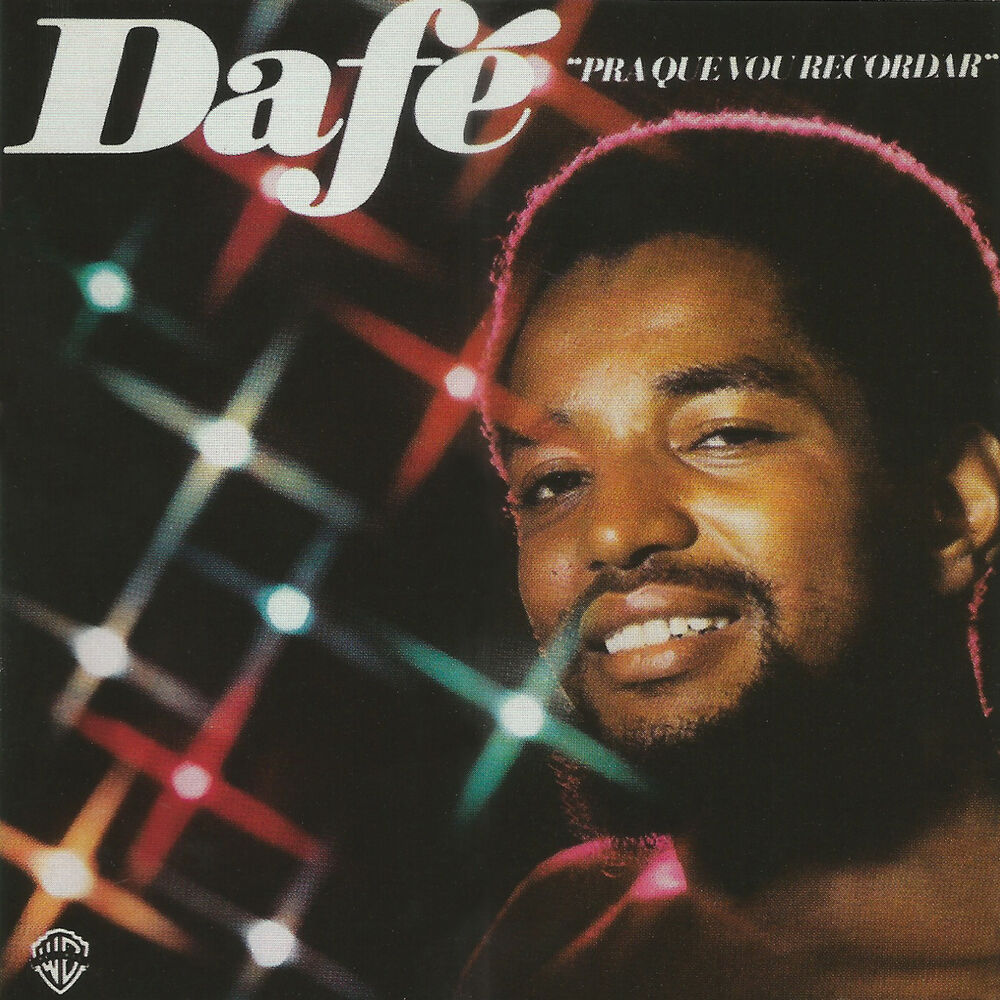
Pra Que Vou Recordar, released in 1977, is the undeniable masterpiece of Carlos Dafé, the acclaimed "Prince of Brazilian Soul". The album is a fundamental milestone in Brazilian popular music, representing a masterful fusion of samba and soul, with forays into funk and MPB. Its unique sound and avant-garde character at the time make it an indispensable record for understanding the dialogue between black musical culture and Brazilian traditions. This solo debut work by Dafé not only solidified his artistic identity, but also introduced a style that would deeply resonate within the musical landscape. The way the artist navigates captivating melodies and contagious rhythms, permeated by lyrics that reflect both personal and collective experience, lends the album a depth and freshness that distinguish it. Considered a "cult classic" among collectors and DJs worldwide, Pra Que Vou Recordar is a testament to Carlos Dafé's genius in shaping an authentic and influential sound, which continues to enchant and inspire generations.
Context
Carlos Dafé, born José Carlos de Sousa in Vila Isabel, Rio de Janeiro, in 1947, came from a family with a strong musical inclination, encouraged by his poet mother and *chorão* father. Before his solo debut, Dafé already had a significant trajectory, having performed as a musician in groups such as Pedrinho e os Diplomatas and Fuzi 9, from the Navy, whose 1970 album is now sought after by DJs. He was also part of the group Senzala, a precursor to Banda Black Rio, and shared stages with names such as Elza Soares, Tim Maia and Tânia Maria. The crucial period for the album's creation occurred after Dafé was arrested between 1971 and 1972, on Ilha das Cobras, for possession of marijuana. During this time, he used his incarceration as a "musical laboratory", composing much of the material that would later form Pra Que Vou Recordar. This period of reclusion was fundamental for the maturation of his ideas and the conception of his most celebrated work.
Recording
The production of Pra Que Vou Recordar was handled by Marco Mazzola, who imparted a "luxurious instrumental finish" to the work. The album featured a constellation of talented musicians, including Jamil Joanes on bass, known for his black *suingue*, and the brass section of the iconic Banda Black Rio. In addition, other prominent instrumentalists, such as José Roberto Bertrami (from Azimuth) and Marcos Rezende (from the band Index), contributed on keyboards and synthesizers. Carlos Dafé himself demonstrated his versatility by playing acoustic guitar, organ, and ARP String Ensemble synthesizer, adding rich layers to the album's sound. The collaboration between these musicians and Mazzola's vision resulted in a sophisticated and innovative sound, which blends elements of MPB, funk and Latin music, making the album one of the first releases from the Warner Bros. Records label in Brazil.
Songs
The album is filled with compositions that became classics of Brazilian soul. The title track, "Pra Que Vou Recordar o Que Chorei", in partnership with Mita, not only was a radio hit, but also served as the theme song for the soap opera "Dona Xepa" (TV Globo, 1977), popularising Dafé's high-pitched voice throughout Brazil. Other highlights include "A Cruz", a composition by Dafé in partnership with Tânia Maria, which had already been recorded on the pianist's album in 1975, and which features beautiful vocals and a striking saxophone solo by Oberdan. "De Alegria Raiou o Dia", co-written with Mita, opens the album with the contagious energy that characterises Dafé's work. The song "Bichos e Crianças" is notable for its disco music-inspired intro that transitions into a samba-soul and R&B ballad, with a backing vocal that evokes a child's voice. The lyrics address various themes, from personal reflections on love and disillusionment to social observations, as in "A Cruz", which, in some interpretations, evokes a more religious side of Dafé. The compositional inventiveness and rich instrumentation, with the presence of electric pianos and synthesizers, demonstrate Dafé's ability to create a plural and engaging sound.
Legacy
Pra Que Vou Recordar established itself as an undeniable classic of Brazilian black music and soul, influencing a wide range of artists, both black and white, to explore similar musical paths. Despite the initial artistic and commercial success, Carlos Dafé's career lost some of its momentum after a car accident in 1978 which left him without memory for a time, leading to his songs being played less and releases becoming rarer. However, the album remained coveted by collectors and DJs, achieving cult record status worldwide. Its importance was reaffirmed with the 180g LP reissue by Polysom in 2018, and more recently by labels such as Jazzybelle Records, highlighting its lasting value and continuous relevance to Brazilian music.
Tracks
Credits
Chiquinho de Moraes
Liminha
Mazzola
Camarão, Carlos Dafé, Cidinha, Heleninha, Jamil Joanes
Oberdan Magalhães
Carlos Dafé
Jamil Joanes
Banda Black Rio
Luiz Carlos Batera
Cristóvão Bastos
Claudio Stevenson
José Roberto Bertrami
Doutor, Elizeu, Geraldo Bongô, Gordinho, Nenem, Wilson Canegal
Marcos Resende
Aurino Ferreira
Edson Maciel, Flamarion
Barrosinho, Formiga
Andy Mills, Don Lewis, Humberto Gatica
Brás, Gordinho
José Paulo
Sebastião Barbosa
Podcasts
O disco Pra Que Vou Recordar (1977) do príncipe da black music Carlos Dafé é o tema do episódio de número 29 do Maniçoba Podcast. Um papo descontraído sobre um dos mais importantes discos do movimento musical Black Rio, que arrebatou as pistas e pôs o Rio e o Brasil para dançar nos anos 70. A escolha é do nosso convidado Lucas Nonose, do duo de DJs Disco Veneno, que embala as melhores festas de mú
Videos
Carlos Dafé - Pra Que Vou Recordar | ALBUM REVIEW
Som de Peso
Maniçoba Podcast #29 - Carlos Dafé - Pra Que Vou Recordar (1977)
Maniçoba Podcast
Books
Analyses
Carlos Dafé - Pra Que Vou Recordar (1977) | Toque Musical
toque-musicall.com
Carlos Dafé was already featured here in August. Now I'm back with another one of his albums. Actually, this was supposed to be the first one. My intention was to post the album that features two excellent songs, "Pra Que Vou Recordar o Que Chorei" and "Tudo Era Lindo". Despite the confusion, I think it was better this way. In the end, everyone comes out a winner.

ClyBlog: Carlos Dafé - "Pra que Vou Recordar" (1977)
cly-blog.blogspot.com
All this experience made it clear that Dafé was the perfect figure to accompany Black Rio. So much so that he wasn't just restricted to the dance parties. Just as had happened with the band itself in early 1977, they rushed to the studio, where the brilliant "Pra que Vou Recordar" was conceived.
Diário de Pedradas: Carlos Dafé - Pra Que Vou Recordar (1977)
soulart.org
The album Pra que vou recordar, from 1977, was Carlos Dafé's debut in a scene heated up by the Black Rio movement, and went on to sell almost 250,000 copies at the time.
Vitrola | Review: Carlos Dafé - Pra Que Vou Recordar - Alataj
alataj.com.br
The main track, Pra Que Vou Recordar Que Chorei, is his most famous song to date and, at that time, it featured on soap opera soundtracks and helped to spread Soul music in Brazil. More than that, over the years it has been re-recorded more than a hundred times in various languages.

Por Trás Da Vitrola: Carlos Dafé - Pra Que Vou Recordar [1977]
portrasdavitrola.blogspot.com
The album Pra que vou recordar, from 1977, was Carlos Dafé's debut in a scene heated up by the Black Rio movement, and went on to sell almost 250,000 copies at the time.