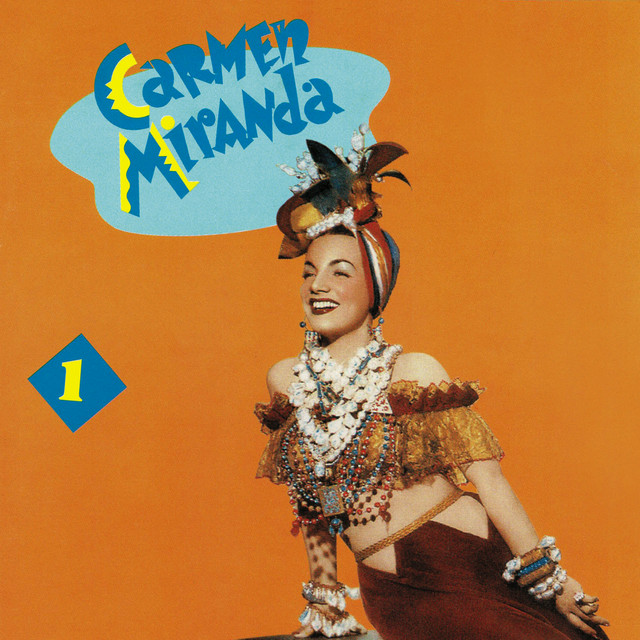
Carmen Miranda (Anthology)
Carmen Miranda
1996
Rankings
Why This Album Matters
Carmen Miranda (Anthology) celebrates the trajectory of one of the most iconic figures in Brazilian music and cinema, the Portuguese-Brazilian singer, dancer, and actress known as the 'Brazilian Bombshell'. The album highlights Carmen Miranda's relevance as the foremost interpreter of samba in the 1930s, a musical genre she helped catapult to fame in Brazil with recordings such as 'Taí (Pra Você Gostar de Mim)'. Her art, marked by an unmistakable vitality, was fundamental to the advancement of Brazilian popular music during a period of growing nationalism. Miranda's musical style combined the effervescence of samba with a vibrant stage presence, which manifested in her radio performances, films, and shows. She personified an exotic and vibrant image of Brazil, which, although it later made her feel stereotyped, popularised Brazilian music and increased American awareness of Latin culture. Her figure became synonymous with fruit hats and a distinctive Brazilian accent, elements that composed a unique and lasting artistic identity.
Context
Born in Portugal, Maria do Carmo Miranda da Cunha emigrated to Brazil as a baby, growing up in Rio de Janeiro and developing a passion for music and dance from an early age, despite her father's disapproval. Before her meteoric rise, Carmen worked in a millinery, where she honed her hat-making skills, an element that would later become her trademark. Her musical career began in 1929 with her first single 'Não vá Simbora', but it was the recording of 'Prá Você Gostar de Mim' ('Taí') in 1930 that propelled her to stardom in the Brazilian scene. The 1930s was a period of cultural effervescence in Brazil, and Miranda's career intertwined with the growth of samba and a resurgence of nationalism during Getúlio Vargas's government. Nicknamed 'The It Singer' and 'The Noteworthy Little One', she starred in chanchadas, musical films that celebrated Carnival and Brazilian music. In 1939, her performance at the Urca Casino caught the attention of Broadway producer Lee Shubert, resulting in a contract to perform in New York, with the Brazilian government, under Vargas's initiative, sponsoring the trip of her band, Bando da Lua, recognising Carmen's value as a cultural ambassador to strengthen ties with the United States.
Songs
Carmen Miranda's anthology features songs that defined her career and impacted Brazilian and international culture. 'Taí (Pra Você Gostar de Mim)', released in 1930, is a prime example of her ability to interpret samba with contagious energy, catapulting her to national fame. Another notable track is 'O Que É Que A Baiana Tem?', from the film Banana da Terra (1939), which not only popularised the image of the 'baiana' with her fruit turban, but also sought to empower an often-marginalised social class. Her lyrics and performances often reflected the cultural debates of her era. In response to criticism that she had 'Americanised' her style after moving to the United States, Miranda responded with the song 'Disseram que Voltei Americanizada'. Similarly, 'Bananas Is My Business' originated from one of her film lines and directly addressed perceptions of her artistic persona and her role in promoting Brazilian culture.
Legacy
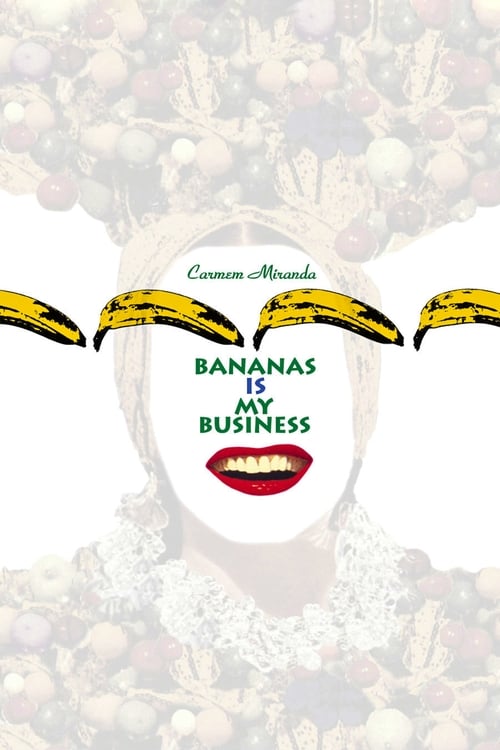
The impact of Carmen Miranda's career in the United States was monumental. In 1940, she was elected the third most popular personality in the country, and in 1941, she became the first Latin American star to leave her hand and footprints at Grauman's Chinese Theatre and the first South American to be honoured with a star on the Hollywood Walk of Fame. In 1945, she became established as the highest-paid woman in the United States. Her Broadway debut with The Streets of Paris was widely praised, with critics such as Brooks Atkinson of The New York Times and columnist Walter Winchell of the New York Daily Mirror highlighting her as the show's 'most magnetic personality' and 'the girl who saved Broadway'. However, Miranda's international fame also generated a complex legacy of criticism in Brazil. In 1940, her return to the country was marked by jeers at a charity show, and the Brazilian press accused her of being 'too Americanised', of 'singing tasteless sambas', and of projecting a stereotypical image of a 'vulgar Latina'. Despite this duality, her contribution to the popularisation of Brazilian music and the increase in American awareness of Latin culture is undeniable, and she is widely considered a precursor to the Tropicalismo movement of the 1960s. Her impact is eternalised by a museum in her honour in Rio de Janeiro and by the documentary Carmen Miranda: Bananas Is My Business (1995).
Tracks
Films

Books
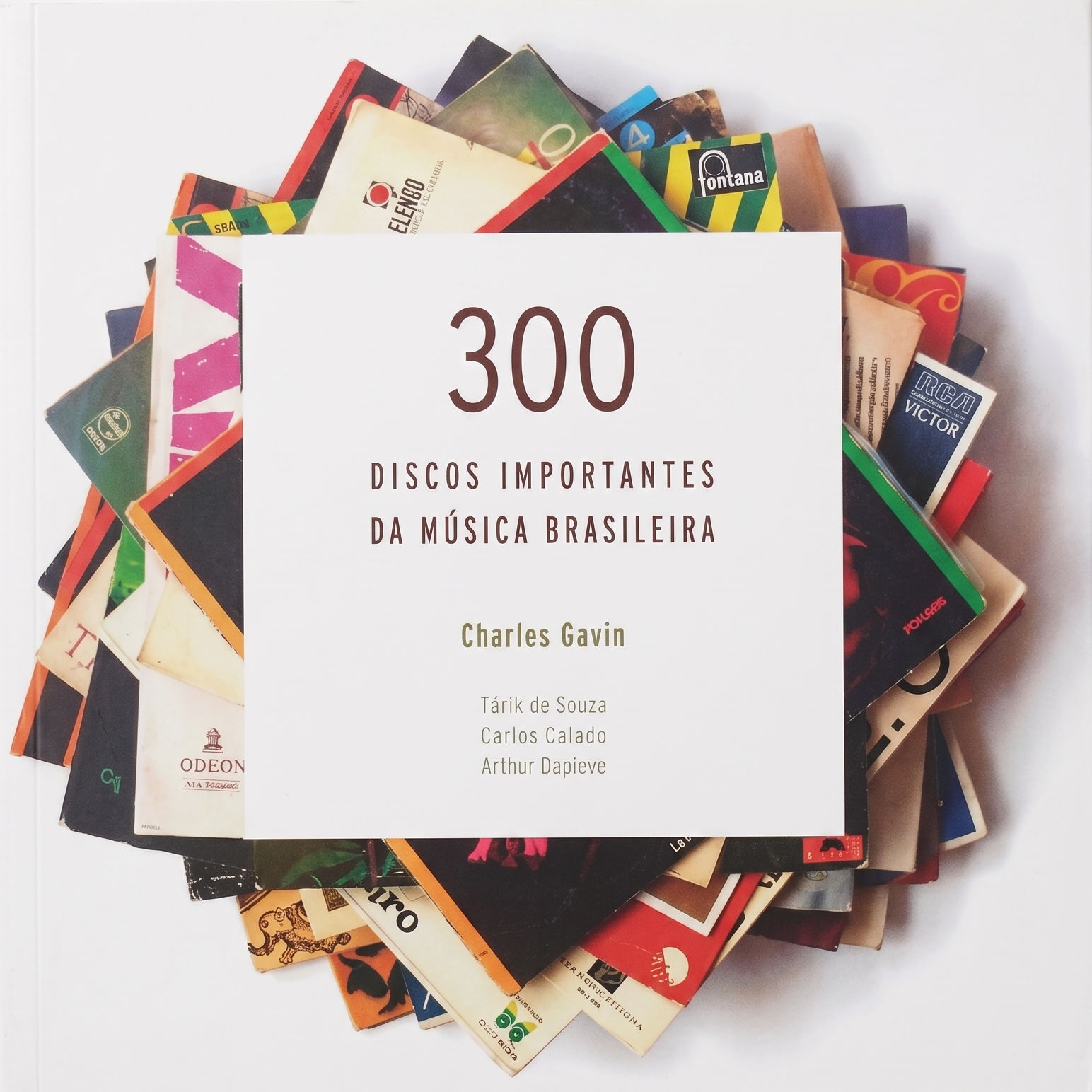
300 Discos Importantes da Música Brasileira
Charles Gavin, Tárik de Souza, Carlos Calado, Arthur Dapieve · 2008
Conceived by Titãs drummer and musical researcher Charles Gavin, the 434-page book brings together covers and reviews of albums released between 1929 and 2007. The texts were written by journalists Tárik de Souza, Arthur Dapieve and Carlos Calado.
Carmen – A vida de Carmen Miranda, a luso-brasileira mais famosa do século XX
Carmen – A vida de Carmen Miranda, a luso-brasileira mais famosa do século XX
Ruy Castro · 2005
Considered the definitive biography of Carmen Miranda, this detailed work by Ruy Castro narrates the life and career of the Luso-Brazilian artist from her childhood in Rio de Janeiro, her rise to stardom in Brazil and the United States, to her lasting legacy. The book explores her music, films, style, and the cultural impact she had, being essential for understanding the context of any anthology of her work.