Cartola
Cartola
1976
Rankings
Why This Album Matters
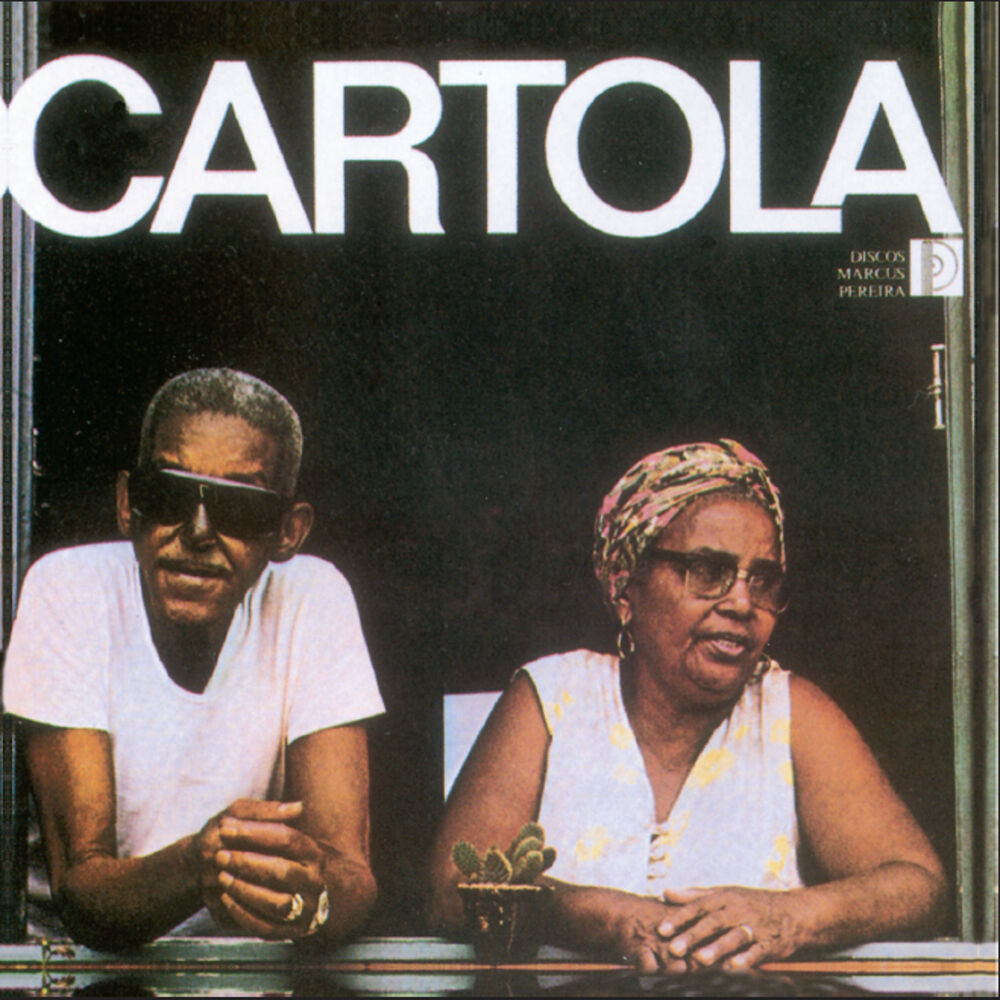
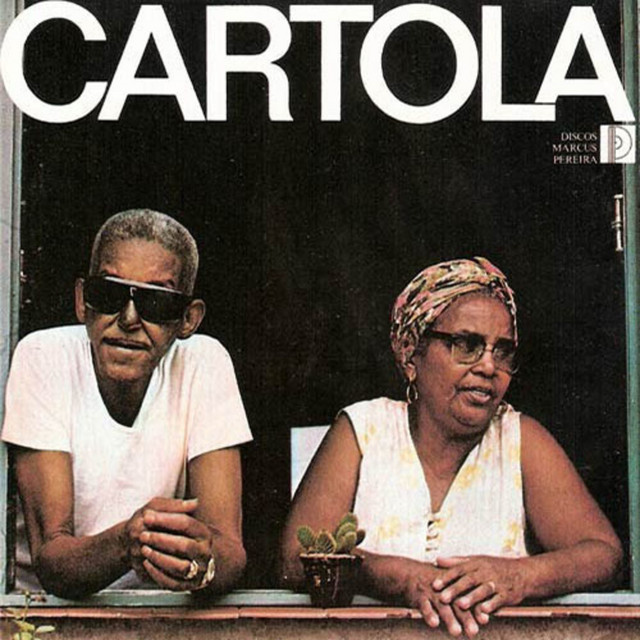
Released in 1976, the album Cartola, also informally known as Cartola II, is a masterpiece that not only consolidated the rediscovery of Angenor de Oliveira, the master Cartola, but also established itself as one of the pillars of Brazilian popular music. Considered a definitive record of almost five decades of experiences, loves, sorrows, and resistance transformed into samba, the album overflows with the composer's genius and moral elegance. Distancing itself from a supposed 'late debut', this work presents a popular chamber sound, where each arrangement is meticulously elaborated to highlight Cartola's deep and restrained voice, without excesses or deficiencies. His compositions, replete with poetry and striking melodies, elevate samba to a level of literary and universal art, making this album essential for understanding the depth and sophistication of the genre in Brazil.

On this album, Cartola journeys between melancholy joy and pure pain, in musical poems that seem to have been crafted in the most rustic, authentic, and pain-wrought way possible.
Bruno Yutaka Saito · Rolling Stone Brasil
Context
The album Cartola was the second studio album by the Rio de Janeiro samba artist, released in 1976 by the Discos Marcus Pereira label. This release occurred at a moment of late, but deserved, recognition for the artist, who, like many geniuses, only recorded his first LP in his sixties, after a long period of ostracism during which many considered him missing or even deceased. The album's production was overseen by Juarez Barroso, whose work on this album would be the last of his career, as he passed away a month before its release. Cartola's re-emergence to the wider public began to take shape in the 1960s, when young musical talents, such as Nara Leão and Paulinho da Viola, began to extol his work, paving the way for the samba master to finally receive the acclaim he was due.
Recording
The production of the 1976 Cartola album was the responsibility of Juarez Barroso, who, regrettably, would pass away a month before the album's release, marking this as his final work. The album was again released by the Discos Marcus Pereira label. The album's arrangements were conceived in an economical and organic manner, emphasising Cartola's voice and guitar and allowing the melodies to breathe, which contributed to the intimate and sophisticated atmosphere of the work. In terms of instrumentation, Cartola featured renowned musicians, such as young Guinga, who accompanied him on guitar on the recording of "O Mundo É um Moinho". The ensemble was completed with Canhoto (Waldiro Frederico Tramontano) on cavaquinho, Altamiro Carrilho on flute, Dino 7 Cordas (Horondino José da Silva) on 7-string guitar, Gilson de Freitas on surdo, and Elton Medeiros on ganzá, forming a 'popular chamber sound' that enhances the depth of the compositions.
Songs
The 1976 album is a treasure trove of timeless compositions, bringing together sambas that would become anthems of Brazilian music. Among the most acclaimed tracks are "As Rosas não Falam", "Preciso Me Encontrar", and "O Mundo É um Moinho", the latter featuring the special participation of young Guinga on guitar. Cartola's lyrical and melodic depth is evident in each song, addressing themes such as love, solitude, the passage of time, and the philosophy of life with singular delicacy and elegance. In addition to these, the album presents other notable compositions by Cartola himself, such as "Minha", "Aconteceu", "Sei Chorar", "Cordas de Aço", and "Não Posso Viver Sem Ela". The inclusion of "Peito Vazio", a partnership with Elton Medeiros, and "Senhora Tentação", by Silas de Oliveira, further enriches the repertoire. The album also stands out for the participation of his daughter, Creusa, who contributes vocals on the tracks "Sala de Recepção" and "Ensaboa", adding a personal and familial touch to the work.

Despite having his first samba recorded by Francisco Alves in 1929 ("Que infeliz sorte", rights sold to Mário Reis), and making his debut as a singer aboard the ship Uruguai in 1940, on a record produced by classical maestros Leopold Stokowski and Heitor Villa-Lobos (see p. 48), Cartola only released his first solo album in 1974, aged 65.
Tárik de Souza · 300 Discos Importantes
Legacy
The 1976 album Cartola was a resounding critical success, immediately recognised as one of the great albums of Brazilian music. Its importance was cemented over time, culminating in its notable 8th position on Rolling Stone Brasil magazine's list of the "100 greatest albums of Brazilian music". The album's impact was immense, opening doors and opportunities that Cartola had never experienced in his career. His work became timeless, with numerous compositions being re-recorded by an endless list of acclaimed artists, including names such as Elis Regina, Paulinho da Viola, Jair Rodrigues, Nelson Gonçalves, Zeca Pagodinho, Ney Matogrosso, Cazuza, and Beth Carvalho, who considered Cartola the best interpreter of his songs. This album is not just a landmark in his discography, but Cartola's reckoning with the world, consolidating his status as a true national treasure of Brazilian music and, even today, it continues to be rediscovered, receiving re-releases in special editions.
Tracks
Credits
Horondino José Da Silva
Juarez Barroso
Coral De Joab
Zé Menezes
Guinga, Meira
Airton Barbosa
Elton Medeiros
Canhoto
Nenê
Altamiro Carrilho
Jorginho
Wilson Canegal
Gilson
Abel Ferreira
Nelson Martins Dos Santos
Norival Reis
Tonhão
Podcasts
Brazuca Sounds · Leandro Vignoli
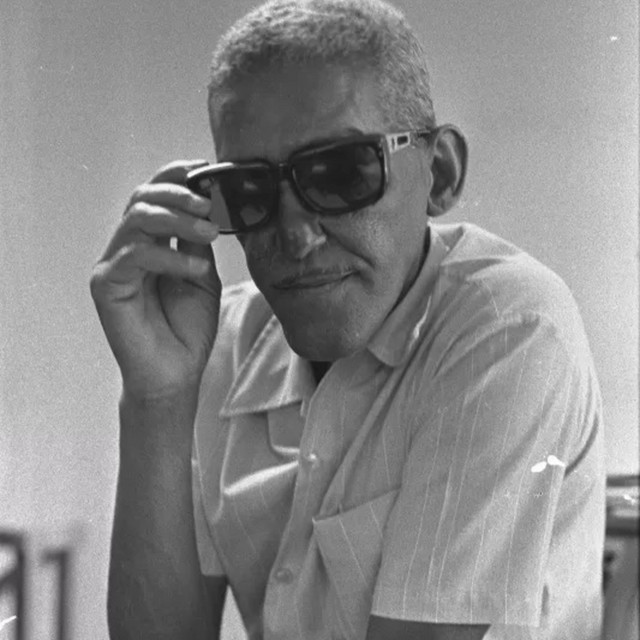
In episode #93, we celebrate 50 years of Cartola's second album, released in 1976 by the record label Marcus Pereira Discus. Nearly 50 years into his career, Cartola released his debut featuring many of his early sambas and chorinhos. This follow-up is completed with songs written exclusively for this album, such as "As Rosas Não Rosam", arguably his most popular song. Among other famous iconic sa
Brazuca Sounds on Patreon · Leandro Vignoli
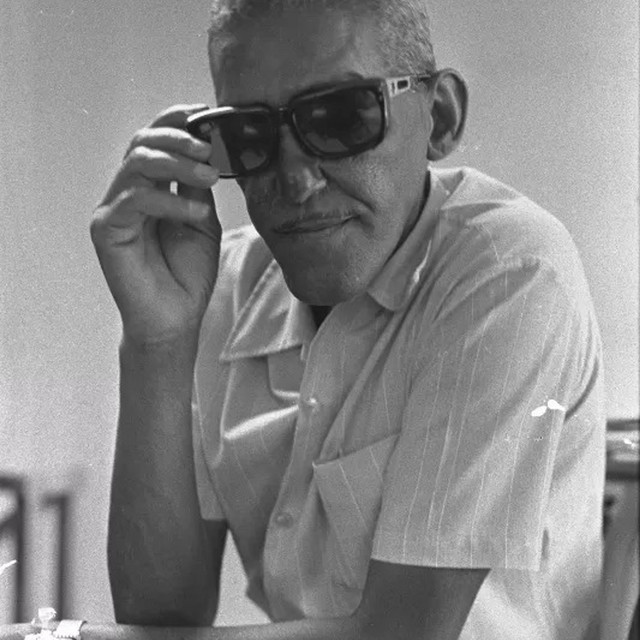
In episode #93, we celebrate 50 years of Cartola's second album, released in 1976 by the record label Discos Marcus Pereira. Nearly 50 years into his career, Cartola released his debut featuring many of his early sambas and chorinhos. This follow-up is completed with songs written exclusively for this album, such as "As Rosas Não Rosam", arguably his most popular song. Among other famous iconic sa
Discoteca Básica Podcast · Parasol Storytelling
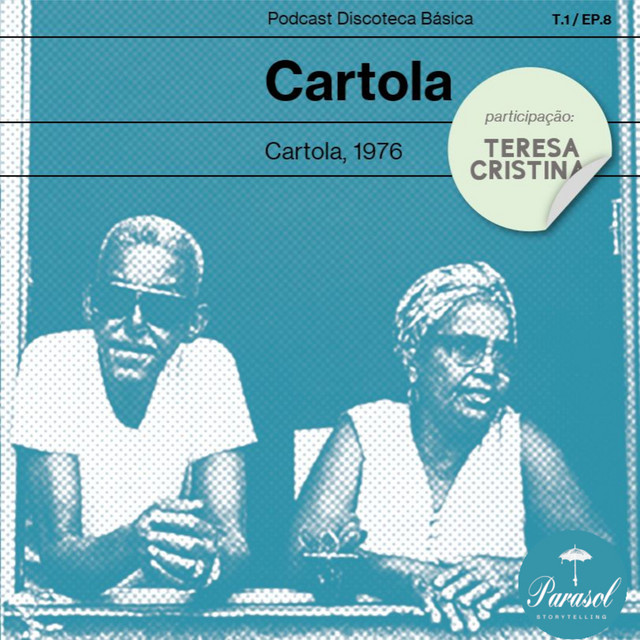
UM CLÁSSICO DA MÚSICA BRASILEIRA que levou mais de 40 anos para virar realidade. Convidada do episódio: Teresa Cristina. Tem mais conteúdo para assinantes do CLUBE DISCOTECA BÁSICA: Assina lá! https://podcastdiscotecabasica.com/assine/ Seja no Morro da Mangueira ou nos apartamentos da zona sul, sempre tem gente tocando um instrumento. Com os 10% de desconto no nosso link da MusicDot, fica mui

Vinilteca · José Ono Junior e Guilherme Colpani
Cartola gravou o disco mais importante da sua vida quando muitos já acreditavam que ele tinha sido esquecido.Lançado em 1976, este álbum não soa como uma estreia tardia, mas como o registro definitivo de quase 50 anos de vida, dor, amor e resistência transformados em samba.Neste vídeo, a Vinilteca mergulha fundo no disco Cartola (1976), analisando faixa a faixa, contexto histórico, bastidores das
Maniçoba Podcast
Lado A Agenor ou Angenor de Oliveira. Descobriu o nome no período do casamento com a Zica. Lenda que Mundo é um Moinho foi composta para a filha que era prostituta. Cartola era estéril. Versões do Cazuza e Ney Matogrosso. Gravou o primeiro disco em 1974, com 66 anos. Foi morar no morro da Mangueira por problemas financeiros. Lampejos de música erudita com base popular. Perdeu a mãe na década de 30
Videos
Cartola - Cartola (1976) | SOM DOIS | ALBUM REVIEW
Som de Peso
CARTOLA (1976) | OBRA-PRIMA DO SAMBA BRASILEIRO
A MÚSICA, O FILME E O LIVRO
Cartola e o seu fantástico disco de 1976 | Disco do Dia | Alta Fidelidade
Alta Fidelidade
Cartola 70 Anos | O Som do Vinil
Canal Brasil
Films

Books
Zicartola: Política e samba na casa de Cartola e dona Zica
Maurício Barros de Castro · 2023
Zicartola: Política e samba na casa de Cartola e D. Zica recounts the story of the legendary Zicartola, a pioneering samba house founded by Cartola, the great Mangueira sambista, and his wife, Dona Zica, a cook and former 'pastora' of the 'verde e rosa'. The book details the cultural and political impact of this venue, which operated for less than two years on Rua da Carioca, offering essential context for understanding Cartola's journey and influence as an artist.
Os 500 Maiores Álbuns Brasileiros de Todos os Tempos
Ricardo Alexandre · 2022
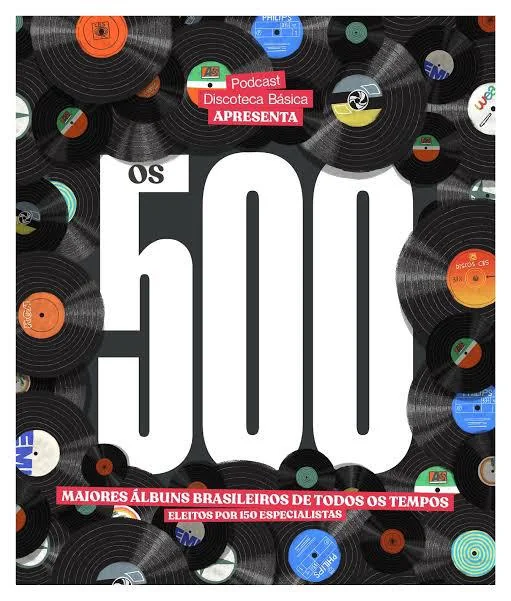
The largest Brazilian music election ever conducted: 162 specialists, spanning journalists, critics, musicians, producers and podcasters, each nominated 50 essential albums, supported by a masterlist of more than 2,000 works. Led by Ricardo Alexandre with tabulation by Sérgio Jomori, it was published in December 2022 as a 200-page hardcover book with graphic design by Fernando Pires.
300 Discos Importantes da Música Brasileira
Charles Gavin, Tárik de Souza, Carlos Calado, Arthur Dapieve · 2008
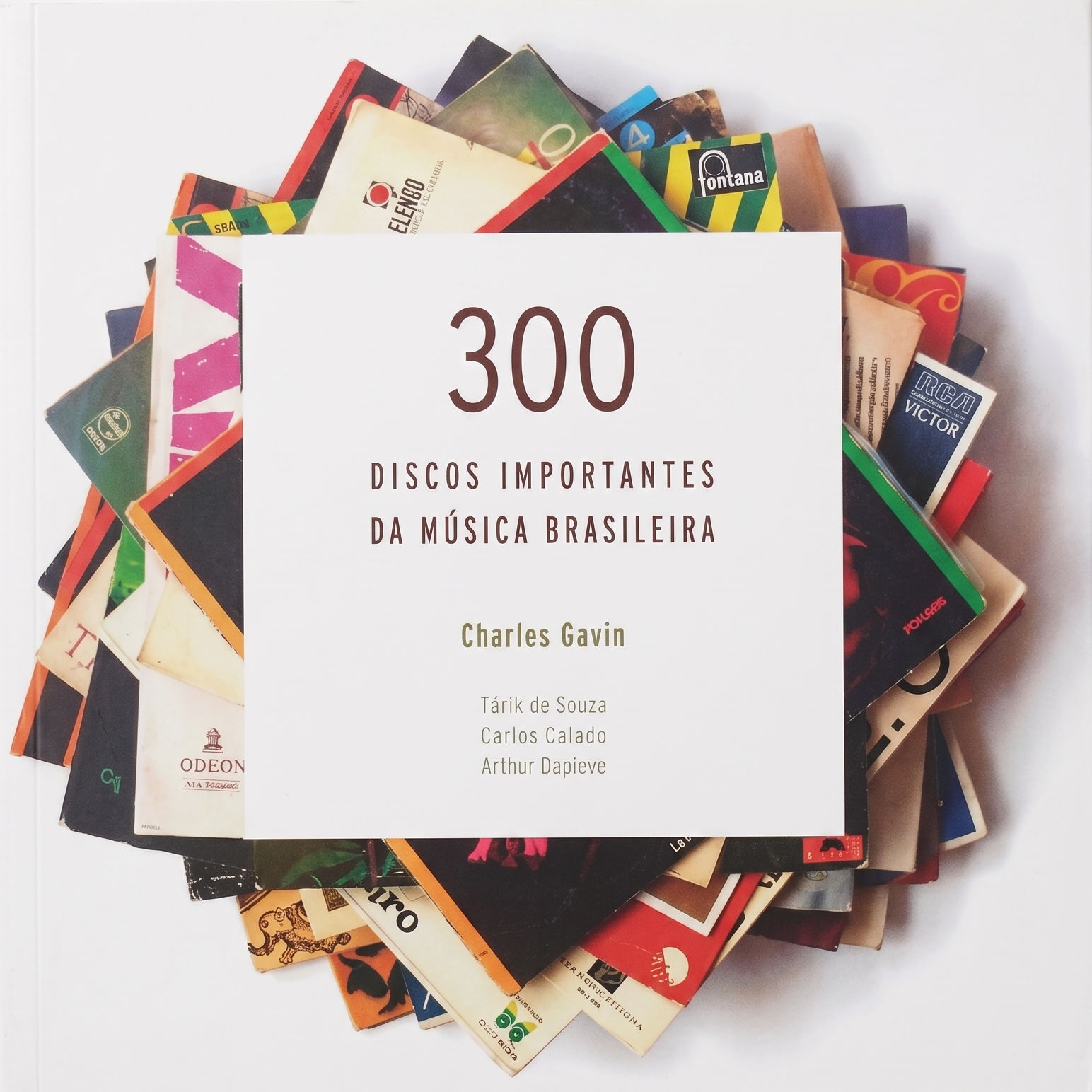
Conceived by Titãs drummer and musical researcher Charles Gavin, the 434-page book brings together covers and reviews of albums released between 1929 and 2007. The texts were written by journalists Tárik de Souza, Arthur Dapieve and Carlos Calado.
Analyses
Cartola – Wikipedia
Wikipedia, the free encyclopaedia
Cartola – The 100 Greatest Albums of Brazilian Music
Bruno Yutaka Saito · Rolling Stone Brasil
On this album, Cartola journeys between melancholy joy and pure pain, in musical poems that seem to have been crafted in the most rustic, authentic, and pain-wrought way possible.
Cartola e sua obra-prima de 1976 - Cantinho do Disco
cantinhododisco.com.br
In summary, the 1976 Cartola album is not just an album; it is a masterpiece that continues to move and inspire, keeping Cartola's legacy alive for new generations. Its impact on samba and Brazilian music as a whole is a testament to the unparalleled talent of one of the genre's greatest composers.
50 anos do disco que eternizou Cartola - by Tiago Ferreira
namiradogroove.substack.com
Carnival is a very fitting time to remember Cartola, one of the founders of Mangueira. Once the revelry is over, let's recall what is considered one of the, if not "the", greatest masterpieces of samba: the eponymous 1976 album.
O Histórico Disco De Cartola ( 1976) - Visão Plural
visaoplural.com.br
In this video, Vinilteca delves deep into the album Cartola (1976), analysing track by track, its historical context, the behind-the-scenes of the recordings, the musicians involved, the importance of Dona Zica and the cultural impact of eternal songs such as "As Rosas Não Falam", "O Mundo é um Moinho" and "Preciso Me Encontrar".