Verde Que Te Quero Rosa
Cartola
1977
Rankings
Why This Album Matters
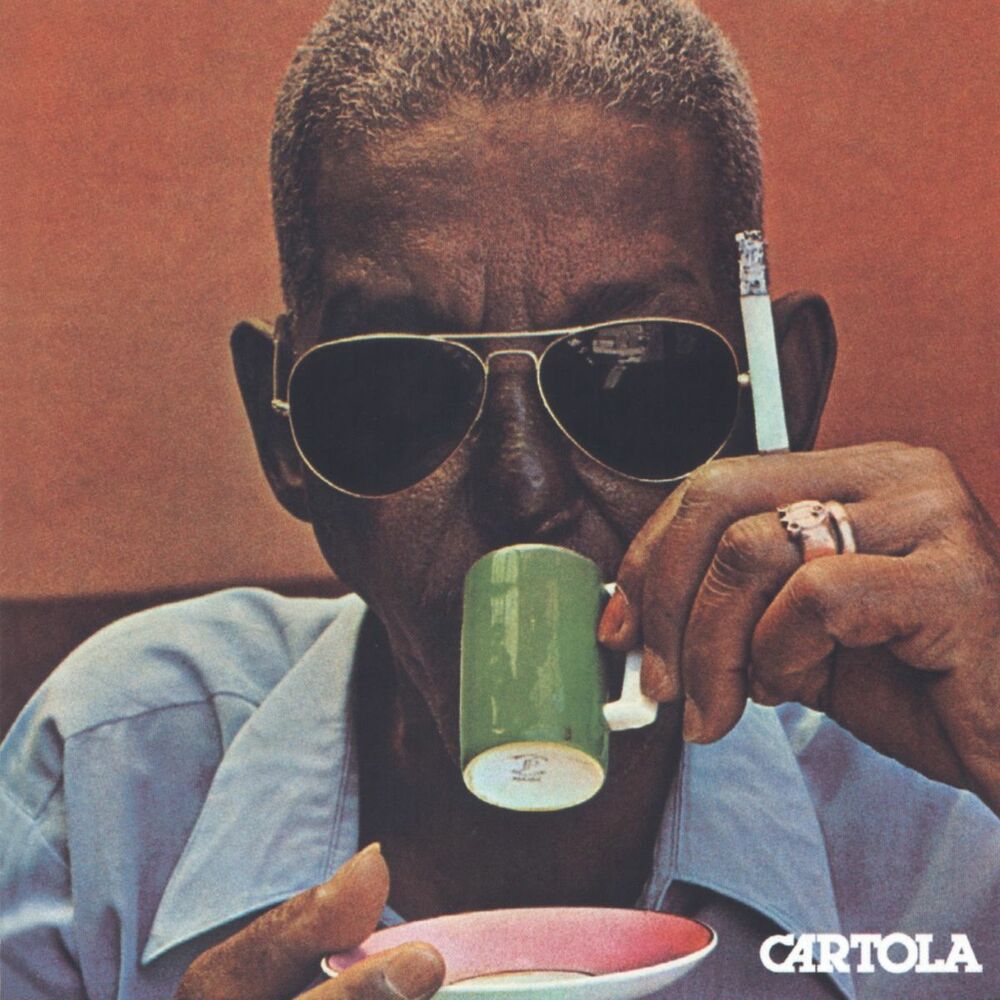
Verde Que Te Quero Rosa, released in 1977 by RCA Victor, represents Cartola's third studio album and an important milestone in his late discography. This work belongs to a period of the artist's "rediscovery" in the 1970s, when, already at an advanced age, he finally had the opportunity to record in the studio the vast richness of his songbook, accumulated over almost five decades of his career. The album solidifies Cartola's image as one of the greatest and most authentic composers in Brazilian music, highlighting his unique lyricism and the depth of his melodies within the samba universe. Distancing itself from the frenetic carnival samba, the album explores a more subtle and introspective facet of the genre, a distinctive characteristic of Cartola's work. In it, the mature, velvety voice of the Mangueira master guides the listener through sambas that are true jewels of sensibility and poetry, with arrangements that value the melodic and harmonic essence of his compositions. The album's iconic cover, which depicts Cartola in an intimate moment alongside Dona Zica, drinking coffee from a green cup and pink saucer, has become one of the most revered images in Brazilian music, symbolising not only the colours of his beloved Mangueira, but also the simplicity and the elegance of his artistic persona.
Context
Before his "rediscovery" in the 1970s, Cartola endured a long period of ostracism, having even been presumed missing or dead by many of his admirers. Despite being one of the founders of Estação Primeira de Mangueira in 1928 and having sold sambas to big names like Francisco Alves in the 1930s, his active musical career drastically declined in the following decades. The turning point began to take shape from the 1950s, when journalist Sérgio Porto (Stanislaw Ponte Preta) rediscovered him and helped to promote his work. The revaluation of samba in the 1960s, driven by Zicartola, the restaurant he opened with his wife Dona Zica, became a catalyst for his return, transforming the venue into an important meeting point for sambistas and intellectuals. It was in 1974, at the age of 66, that Cartola released his first solo album, initiating a prolific phase that would culminate in four essential albums before his death in 1980. Verde Que Te Quero Rosa, from 1977, is the third of these works and the first to be released by a major label, RCA Victor, following his first two self-titled albums on the independent Discos Marcus Pereira.
Recording
The recording of Verde Que Te Quero Rosa marked Cartola's debut on a major label, RCA Victor, following the success of his previous albums released by an independent label. The album's production was overseen by Sérgio Cabral, an important name in the Brazilian music scene. One of the highlights of the production is the iconic cover, photographed by Ivan Klingen. The image shows Cartola in a homely setting, drinking coffee served by Dona Zica, with a cigarette in his hand and his usual dark glasses, which he used to disguise the swelling of an eyelid after nasal surgery. The sambista himself suggested using a green cup and a pink saucer, in clear allusion to the colours of his Estação Primeira de Mangueira and the album's title. In Cartola's hand, a ring with a lyre symbolises his passion for music. The orchestral arrangements, for the most part, were conducted by the extraordinary guitarist Dino Sete Cordas, with a notable exception on the track "Autonomia", which featured the masterful piano of Radamés Gnattali.
Songs
The repertoire of Verde Que Te Quero Rosa is a careful selection of sambas that blend Cartola's solo authorship with significant partnerships and some compositions by other masters. The title track, "Verde Que Te Quero Rosa", co-written with Dalmo Castelo, is an exaltation of Mangueira's colours and spirit. The album features classics like "Autonomia", composed by Cartola in the same year as the album's release and which would become one of the most re-recorded songs in his repertoire. Among the twelve tracks, "Nós Dois" stands out due to its affectionate origin, having been composed especially for Cartola's marriage to Dona Zica in 1964, revealing the sambista's romantic and personal vein. Other notable partnerships include "Tempos Idos" with Carlos Cachaça, one of Mangueira's founders and a long-time collaborator, and the inclusion of "Pranto de Poeta", by Guilherme de Brito and Nelson Cavaquinho, reinforcing Cartola's connection to the samba pantheon. The diversity of composers and the lyrical depth of the songs, which address themes such as love, longing (saudade), resilience and the observation of life, cement the album's poetic relevance.
Legacy
Verde Que Te Quero Rosa, although following two albums considered masterpieces, maintained Cartola's high artistic standard, consolidating his final phase of great recognition. The album contributed to reinforcing Cartola's image as an icon of Brazilian popular culture, not only through his music, but also through its iconic cover, which became one of the most famous in national discography and has been recreated and revered over time. Although it did not line up as many immediate standards as its predecessors, the album bequeathed "Autonomia" as an instant classic, with approximately 25 re-recordings since its original release. Cartola's entry into a major label like RCA Victor with this work also symbolised the complete acceptance and mainstream recognition of his genius, ensuring that his timeless samba reached an even wider audience. The legacy of Verde Que Te Quero Rosa lies in its ability to keep alive the flame of the purest and most poetic samba, confirming Cartola as a musical treasure of Brazil.
Tracks
Credits
Sérgio Cabral
Durval Ferreira
Coral De Joab
Meira
Horondino José Da Silva
Canhoto
Wilson das Neves
Dininho
Altamiro Carrilho
Elizeu, Gilberto D'Avila, Jorge José Da Silva, Luna, Nilton Delfino Marçal
Radamés Gnattali
Abel Ferreira
Aizik Geller
Antenor Marques Filho
Nelson Martins Dos Santos
Luiz Carlos T. Reis
Luiz Carlos T. Reis, Nestor Vitiritti
José Oswaldo Martins
Ney Tavora
Lucio Rangel
Ivan Klingen
Videos
Cartola e o álbum "Verde Que Te Quero Rosa" | Arte na Capa
Canal Brasil
Films

Books
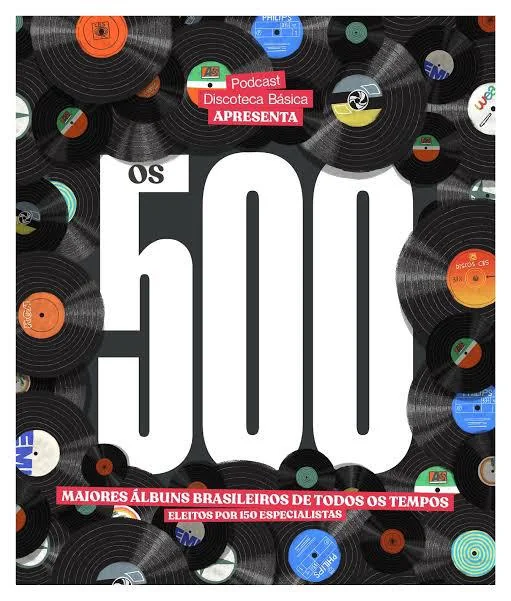
Os 500 Maiores Álbuns Brasileiros de Todos os Tempos
Ricardo Alexandre · 2022
The largest Brazilian music election ever conducted: 162 specialists, spanning journalists, critics, musicians, producers and podcasters, each nominated 50 essential albums, supported by a masterlist of more than 2,000 works. Led by Ricardo Alexandre with tabulation by Sérgio Jomori, it was published in December 2022 as a 200-page hardcover book with graphic design by Fernando Pires.
Cartola
Cartola Editora, Rodrigo Barros · 2021
Cartola Editora launches the 'Músicos & Poetas' collection. The project portrays composers who achieved success in Brazilian popular music, from Forró to Rock 'n' Roll. Each volume will feature twenty stories inspired by twenty songs by each artist, a way the publisher found to honour musicians

Cartola: Os Tempos Idos
Marilia T. Barboza · 2003
Considered one of the definitive biographies of Cartola, this work by Marilia T. Barboza offers an in-depth study of the life and career of the samba master, covering his trajectory from childhood in Mangueira to his final glorious years, detailing his compositions and their impact on Brazilian music.
O melhor de Cartola
Cartola · 1998
This album contains the biography of the master and composer of Mangueira, written by journalist Roberto M. Moura, and presents 20 of his most significant musical works which portray, with rare inspiration, the deepest feelings of human passion. Featured, among others, are: A cor da esp
Analyses
Verde Que Te Quero Rosa – Wikipedia
Wikipedia, the free encyclopaedia
Cartola - Verde Que Te Quero Rosa (1977) - Flabbergasted Vibes
flabbergasted-vibes.org
16 Comments Cartola "Verde Que Te Quero Rosa" 1977 RCA Records Angenor de Oliveira, otherwise known as Cartola, was without doubt one of the greatest songwriters that ever lived. You don't need the many tribute records with star-studded lists of participants to know this. You just need to listen to the man perform his own music.
Discos para descobrir em casa - 'Verde que te quero rosa', Cartola, 1977
g1.globo.com
Produced by Sérgio Cabral, the album Verde que te quero rosa was the third of the four LPs released by Cartola between 1974 and 1978.

Discos para descobrir em casa - 'Verde que te quero rosa', Cartola, 1977
popeartebrasil.wordpress.com
Even without a repertoire as refined as the albums Cartola (1974) and Cartola (1976), Verde que te quero rosa affirmed Cartola as a master of delicacy, creator of purified sambas that always sounded timeless.
Verde Que Te Quero Rosa - Três Selos
tresselos.com
The 1977 album 'Verde que te quero rosa' features one of the most iconic covers in Brazilian discography. Photographed by the sensitive eye of Ivan Klingen, who perceived the colours of his beloved samba school in the everyday objects of Cartola and his wife Dona Zica's home.