Lar de Maravilhas
Casa das Máquinas
1975

Rankings
Why This Album Matters
Lar de Maravilhas, the second studio work by the Brazilian band Casa das Máquinas, released in September 1975, represents a significant milestone in the group's trajectory and within the national progressive rock scene. On this album, the band fully embraces the progressive rock orientation, reducing the presence of rock and hard rock to make way for a more elaborate and experimental sound. The sonic boldness allowed for the fusion of diverse rhythms, such as classical music, MPB, and folk, within the rock structure, characterised by tempo changes and extensive instrumental sections. Lyrically, the album is a forceful reflection of its time, immersed in the themes of the counter-cultural movement and hippie culture. The songs express a profound desire for liberation, often spiritual in nature, and the incessant search for a utopian and idyllic place where this freedom could flourish. The work permeates subjects like daring, psychedelia, and the quest for transcendence, with a notable strength of keyboards that underlines its progressive nature and counter-cultural themes.
Context
After the release of their debut album, Casa das Máquinas embarked on a national tour. At the end of that phase, the band underwent an important line-up change with the departure of Pique Riverte. To replace him and strengthen the sound, Netinho, the drummer, invited keyboardist Mário Testoni Júnior and drummer Mário Franco Thomaz, the latter being his brother, to join the group. The inclusion of two drummers was a daring innovation in Brazil, mirroring the experimentation of international bands like The Allman Brothers Band and Grateful Dead, seeking greater impact and participation in backing vocals. In addition to the instrumental changes, Lar de Maravilhas marked the beginning of Catalau's collaboration as the band's lyricist. Still a 16-year-old teenager, he was discovered by Netinho and brought a new lyrical perspective to the group, with themes that echoed the search for freedom in an era of authoritarianism in the country.
Recording
The recordings for Lar de Maravilhas took place at Vice-Versa studios in São Paulo throughout 1975, under Netinho's production and Otávio Augusto's studio direction. The arrangements were developed collectively by the band itself, with João Araújo providing general coordination. The sound engineering team consisted of Marcos Vinícius, Wilson, and Renato. Following the conclusion of the sessions, the album was released by the Som Livre record label in September of the same year. To promote the album, Som Livre released a double compact single which included the song "Vou Morar no Ar", sharing space with international artists and Moraes Moreira.
Songs
The sound of Lar de Maravilhas stands out for the strong prominence of progressive rock, which breaks with traditional song structures, incorporating elements of classical music, MPB, and folk, with complex arrangements and elaborate instrumental sections. Side A of the album opens with "Vou Morar no Ar", which addresses the search for freedom in times of authoritarianism. The title track, "Lar de Maravilhas", explores the quest for a utopian place for the realisation of this freedom, whether through thought, dreams, or lysergic experiences. Songs like "Liberdade Espacial" and "Astralização" evoke the need for spiritual purification to transcend authoritarian reality. "Cilindro Cônico" closes the first side with a critique of the complexity and authoritarianism of the modern world, which suffocates alternatives and freedom, in an allusion to technocratic totalitarianism. Side B begins with "Vale Verde", which revisits the theme of searching for an idyllic and ecological refuge in the face of technological destruction. "Raios de Lua" presents itself as a ballad, while "Epidemia de Rock" deviates somewhat from the predominant themes, praising the musical style. The album concludes with "O Sol", a spiritualist discourse in Netinho's voice, followed by the instrumental section of "Reflexo Ativo".
Legacy
By November of its release month, the album Lar de Maravilhas had already surpassed the mark of 10,000 copies sold. Critical reception was mixed, yet it highlighted the work's relevance. Carlos Gouvêa, in his review for Folha de S.Paulo, praised the album as excellent, emphasising the evolution from the band's previous work and the musicians' technical quality. On the other hand, Revista Pop considered that the album brought no novelties in its messages or instrumentation, classifying it as a "radio-friendly rock" for easy consumption. Marcos Sampaio, from Jornal O Povo, pointed to its daring nature, psychedelia, and counter-cultural themes as the album's pillars, praising the strong presence of keyboards and its progressive streak. Despite the departure of bassist Cargê shortly after its release and Piska's need to alternate between guitar and bass on the subsequent tour, the album maintained its importance over the years. The relevance of Lar de Maravilhas was reinforced by successive re-releases, both on CD, from the 1990s onwards and again in 2015 by Som Livre, and on vinyl record, re-released by Polysom in 2018, attesting to its lasting value for the public and for the history of Brazilian music.
Tracks
Credits
Casa Das Máquinas
Netinho
Carlos Geraldo
Marinho Franco Thomas
Netinho
Piska
Aroldo
Marinho Testoni
Podcasts
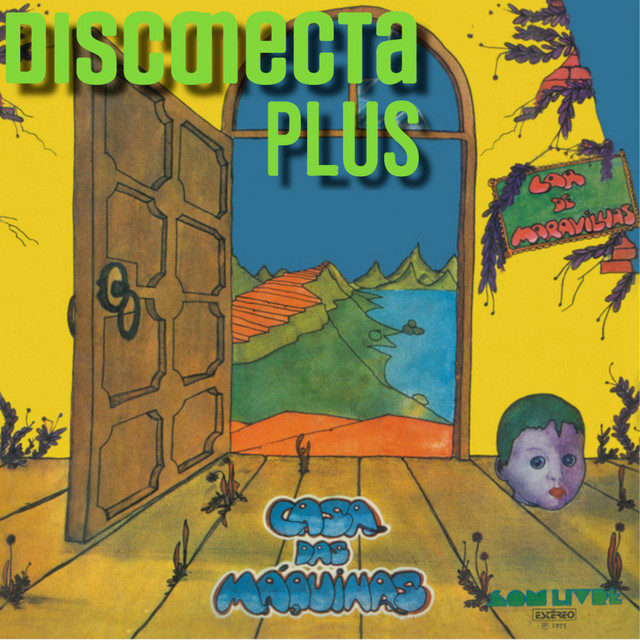
Disconecta Plus · Disconecta
Nesse episódio, contamos a história deLar de Maravilhas, o icônico álbum da Casa das Máquinas que marcou o rock progressivo brasileiro. Descubra sua produção, influências e impacto na música nacionalSite: https://disconecta.com.brRedação Disconecta:https://open.spotify.com/show/1QGjsHbQGvPX7q1vvyUxE0?si=80c3edd4cc3a47aaCampanha do apoia-se da disconecta: https://disconecta.com
Books
Analyses
Lar de Maravilhas – Wikipedia
Wikipedia, the free encyclopaedia
Babyblaue Prog-Reviews: Casa Das Máquinas: Lar De Maravilhas: Review
babyblaue-seiten.de
Die Nummer erreicht dann fast kosmisch-spacige Gefilde, ehe die Band das Album floydig-orgellastig zu Ende proggt. "Lar De Maravilhas" ist ein nettes Album mit meistenteils klassischem Prog aus Brasilien, wo ja nicht so viele Bands in den 70ern in diesem Genre aktiv waren.

Lar das Maravilhas (Som Livre,1975), Casa das Máquinas
discosessenciais.blogspot.com
Casa das Máquinas' third album, Lar de Maravilhas is one of the most audacious albums in Brazilian progressive rock. The group expanded its sonic boundaries, delivering a dense work full of sophisticated instrumental passages.
Datas Especiais: 50 Anos de Lar De Maravilhas
consultoriadorock.com
Released on 10 July 1975, the album Lar de Maravilhas by the São Paulo band Casa das Máquinas represents one of the most sophisticated and audacious moments in both Brazilian hard rock and, primarily, progressive rock.
Casa Das Máquinas - Lar de Maravilhas (1975)
musicasdonordeste.net
Lar de Maravilhas was the second studio album by the national rock band, Casa das Máquinas. It is considered one of the best national progressive rock albums ever released. Originally from 1975, its repertoire highlights the entire psychedelic language of Lar de Maravilhas and Astralização.