Cássia Eller
Cássia Eller
1994

Rankings
Why This Album Matters
The album Cássia Eller, released in 1994, represents a fundamental milestone in the singer's career, catapulting her from a cult figure to an artist of great popular recognition in the Brazilian music scene. This third studio effort, following two albums with less commercial success, was responsible for solidifying her artistic identity and significantly expanding her audience. In it, Cássia not only reaffirms her characteristic pop rock but also masterfully ventures into other genres such as blues, samba, and baião, demonstrating her versatility and the power of her unique voice. With 13 tracks, the album stands out for presenting a cohesive and diverse repertoire, which mixed new songs and reinterpretations that would become classics in her voice. The work is notable for its spontaneity and the artist's dedication, especially considering the circumstances of its recording. It is undeniable that this album, propelled by the mega hit "Malandragem", transformed Cássia Eller's career, becoming a turning point and one of the most cherished records by her fans and critics.
Context
Before the recording of Cássia Eller in 1994, the singer was experiencing a period of demotivation and dissatisfaction with her career. Her two previous albums, Cássia Eller (1990) and O Marginal (1992), although critically acclaimed, had not achieved significant commercial success, which led her to consider resigning from her record label. This phase coincided with a delicate moment in her personal life, as Cássia was in financial crisis and pregnant with her only son, Francisco (Chicão). Chicão's pregnancy, whose birth occurred in August 1993, was an "independent production", and the musician Tavinho Fialho, biological father and close friend of Cássia, died in a car accident a week before the delivery. In this context of personal and professional challenges, the artist, who had a loving relationship with Maria Eugênia Vieira, found new strength in the desire to make music and the opportunity to work with producer Guto Graça Mello, which would culminate in this seminal album.
Recording
The recording of Cássia Eller was a process marked by particularities and a notable passion from the artist. The album was recorded in April 1994, at Mosh studios in São Paulo, under the musical production of Guto Graça Mello. Curiously, the initial production occurred without the knowledge of PolyGram, her record label, due to Cássia's frustration with the lack of commercial success of her previous works. It was Graça Mello who proposed to the singer the feasibility of a new album in a more independent way, following a disagreement with the label's director, Marcos Maynard, regarding Cássia's repertoire proposals. One of the most touching facts from the sessions was the presence of Cássia's son, Chicão, who was only 8 months old at the time. The singer would interrupt recordings to breastfeed him in the studio, an image that symbolises the artist's complete dedication to the project during a moment of profound personal transformation. The search for repertoire was intense, with Cássia contacting various composers. She received significant contributions such as "E.C.T.", a partnership by Nando Reis, Marisa Monte, and Carlinhos Brown, and "1º de Julho", a gift from Renato Russo composed especially for her after the birth of her son. The iconic "Malandragem", although originally composed by Cazuza and Frejat for Ângela Rô Rô, found its definitive interpreter in Cássia, solidifying itself as her signature song. The album was promptly approved by PolyGram upon presentation, although Maynard conditioned its release on the inclusion of the track "Partners" by RPM.
Songs
The album Cássia Eller is a true musical mosaic, balancing the pop rock that became her trademark with courageous forays into other genres. Of the thirteen tracks, "Malandragem" stood out as the only single and became one of the greatest successes of her career, a song that, despite not having been written for her, fitted perfectly with her dramatic and rebellious voice. Cássia's visceral interpretation transformed the lyrics, which Ângela Rô Rô had reportedly considered "childish", into a timeless anthem. Other highlights include "E.C.T.", the result of a collaboration between Nando Reis, Marisa Monte, and Carlinhos Brown, which also became a big hit and a classic from Cássia's partnership with Nando Reis. The song "1º de Julho", a gift from Renato Russo to Cássia after the birth of her son, addresses motherhood with touching sensitivity. The album also features notable reinterpretations such as "Lanterna dos Afogados" by Paralamas do Sucesso, "Música Urbana 2" by Legião Urbana, and the soul ballad "Try A Little Tenderness" by Harry Woods, Jimmy Campbell, and Reg Connelly, in addition to an acoustic version of "Na Cadência do Samba" by Ataulfo Alves, which highlights the breadth of her interpretive ability.
Legacy
Cássia Eller (1994) was a critical and commercial success, reaching seventh position among the best-selling albums in Brazil and selling around 100,000 copies. Contemporary specialist critics praised the variety of styles and collaborators, with Jornal do Brasil naming it the best album of June 1994, despite some reservations regarding the arrangements. Antônio Carlos Miguel, from O Globo, highlighted the more pop treatment and the work's potential to carry Cássia's voice beyond cult circles. The album earned Cássia Eller the 1994 Prêmio Sharp de Música Brasileira in the Best Pop/Rock Singer category, an important recognition of her rise. Later, in 2014, the album was included among the 20 essential albums of 1994 by the Universo Online (UOL) portal, reinforcing its historical relevance. The impact of "Malandragem" was so enduring that the song was re-recorded on Acústico MTV in 2001, becoming one of the most played on Brazilian radio that year and solidifying itself as one of the biggest hits of her career. This album not only popularised Cássia but also cemented her image as one of the most authentic and multifaceted voices in Brazilian music.
Tracks
Credits
Guto Graça Mello
Podcasts
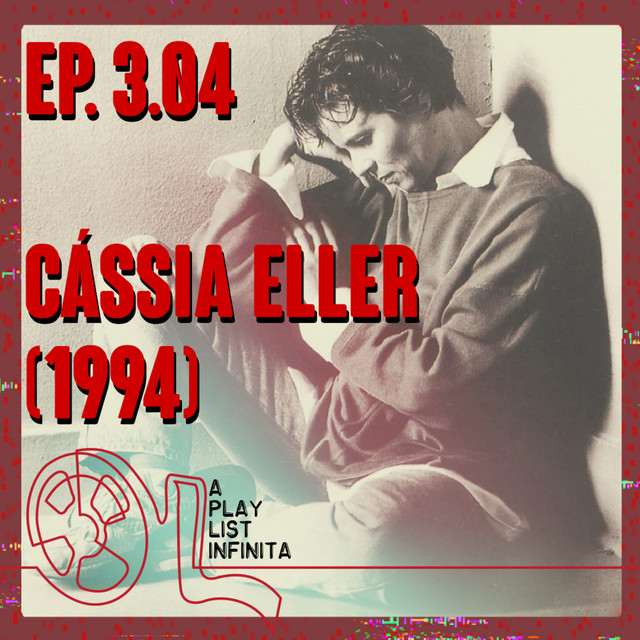
Cássia Eller foi, sem dúvidas, uma das maiores cantoras do Brasil e um grande símbolo dos anos 90. E o disco de 1994 é nada mais nada menos que um clássico.
Films

Books
Eu queria ser Cássia Eller: Uma biografia
Tom Cardoso · 2025
Eu queria ser Cássia Eller introduces the reader to the Goddess who incarnated on this earth between 1962 and 2001. A seismic shock in the lives of all who lived with her and were enchanted by her. The shy girl, the daughter, the black sheep of the family, the lesbian, the lover, the mother, the singer, the friend, all rolled into one.
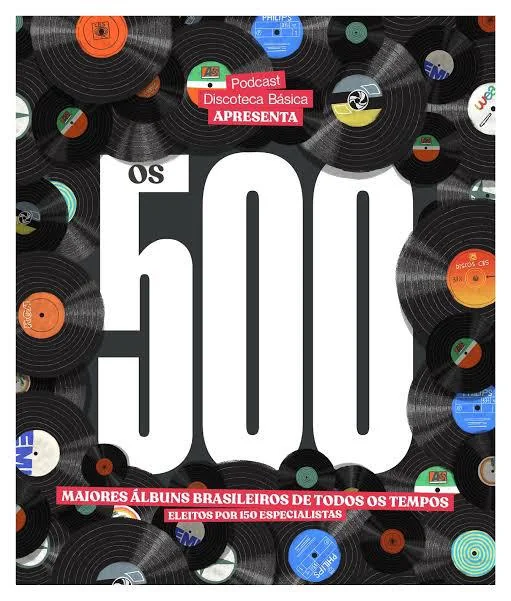
Os 500 Maiores Álbuns Brasileiros de Todos os Tempos
Ricardo Alexandre · 2022
The largest Brazilian music election ever conducted: 162 specialists, spanning journalists, critics, musicians, producers and podcasters, each nominated 50 essential albums, supported by a masterlist of more than 2,000 works. Led by Ricardo Alexandre with tabulation by Sérgio Jomori, it was published in December 2022 as a 200-page hardcover book with graphic design by Fernando Pires.
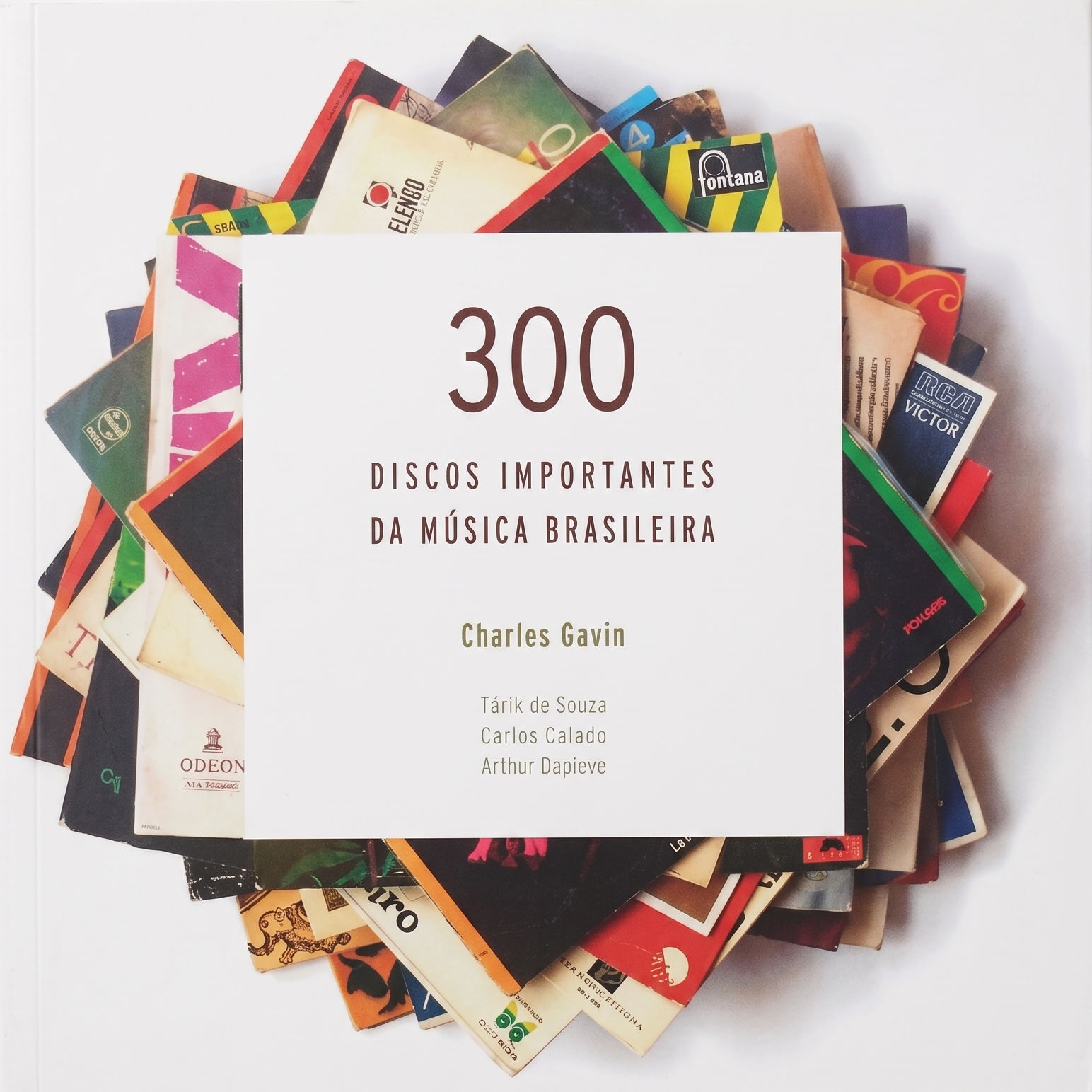
300 Discos Importantes da Música Brasileira
Charles Gavin, Tárik de Souza, Carlos Calado, Arthur Dapieve · 2008
Conceived by Titãs drummer and musical researcher Charles Gavin, the 434-page book brings together covers and reviews of albums released between 1929 and 2007. The texts were written by journalists Tárik de Souza, Arthur Dapieve and Carlos Calado.
Analyses
Cássia Eller – Wikipedia
Wikipedia, the free encyclopaedia

Grandes Discos Brasileiros | 'Cássia Eller' - Cássia Eller (1994)
colunablah.blogspot.com
I particularly like her albums, but I have a special fondness for the one we are going to recall, Cássia Eller, from 1994, where the singer unleashes her Rock N' Roll, making the album addictive and confirming Cássia's technical capabilities.
Disco Nota 11: "Cássia Eller" (1994) - Cássia Eller | Rockontro
rockontro.org
Cássia Eller ventures into songs, successfully reinterpreting them across various genres and excelling in all of them. The rock twist given to the Northeastern 'Coroné Antônio Bento', a 70s hit with Tim Maia, is a good example of this.
Discografia comentada: Cássia Eller - SCREAM & YELL
screamyell.com.br
The final album from Cássia Eller's first contract with Universal, the 1994 record was made under quite different conditions from previous works. This began with the fact that, in 1993, the artist gave birth to Chicão, her first and only son.
A musa Cássia Eller interpretando clássicos da música em seu terceiro ...
nanu.blog.br
Cássia Eller's (1962-2001) third album and second self-titled one, it features reinterpretations of rock classics in her enchanting voice. With a distinct rock 'n' roll feel, the 1994 album showcases the diversity of her references and influences before Cássia moved towards MPB and discovered herself.