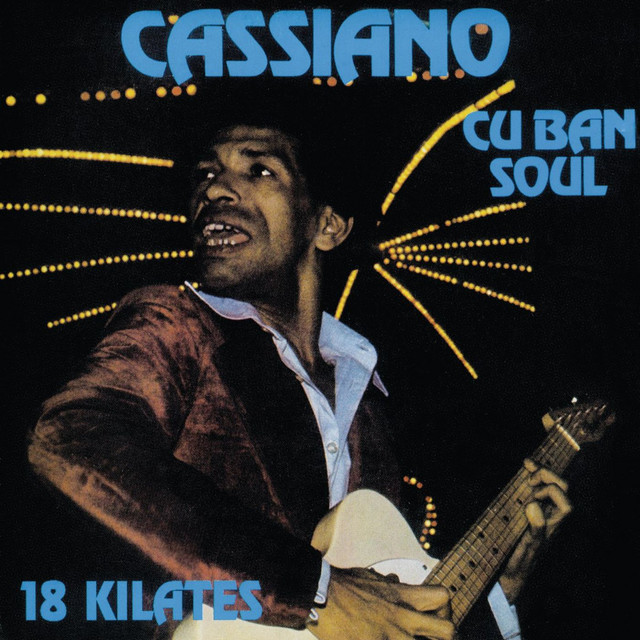
Cuban Soul - 18 Kilates
Cassiano
1976

Rankings
Why This Album Matters
Cuban Soul: 18 Kilates, Cassiano's third studio album released in 1976, is universally acclaimed as the most significant work of his career and an undeniable landmark in Brazilian music. In this work, the singer, songwriter, and guitarist from Paraíba refined his musical signature, masterfully fusing North American R&B and soul music with a rich Brazilian melodic sensibility. The result is an authentic and pioneering sound that defines the 'Brazilian soul' genre and establishes him as one of the great architects of national black music. The album stands out for its elaborate harmonies, sophisticated arrangements and, above all, Cassiano's unmistakable vocal timbre, which lends a singular emotional depth to each track. Considered a 'gem of Brazilian Soul', it transcends a mere blend of styles, creating an engaging and timeless sound that continues to captivate listeners decades after its release, securing its place as one of the most important albums in national music.
Context
Before the release of Cuban Soul: 18 Kilates, Cassiano already had a consolidated musical career, which began with Bossa Trio and, subsequently, with the group Os Diagonais. He was a recognised talented songwriter, responsible for hits immortalised by Tim Maia, such as "Primavera (Vai Chuva)" and "Eu Amo Você". His two previous albums, Imagem e Som (1971) and Apresentamos nosso Cassiano (1973), already heralded the sophistication and fusion of genres that would become his trademark. The release of Cuban Soul: 18 Kilates took place during an effervescent period in Brazilian culture, marked by the emergence of the 'Black Rio Movement' in the 1970s. In Rio de Janeiro, dances and events promoted Afro-American music and aesthetics, mixing funk, soul, jazz, samba, and forró. This movement represented an important social, aesthetic, and musical affirmation, offering references of empowerment and self-esteem for black youth in Brazil under a military dictatorship. Cassiano, alongside names such as Tim Maia and Hyldon, was a fundamental figure in establishing this scene, being one of the pioneers of soul music influenced by American funk and soul in Brazilian popular music.
Recording
Recorded in 1975 and originally released in 1976 by the Polydor label, an imprint of Philips record company, Cuban Soul: 18 Kilates was produced by Gastão Lamounier and songwriter Paulo Zdanowski, who also co-wrote all nine tracks on the album. Cassiano actively participated in the recording, contributing vocals, guitar, bass, piano, and drums. Paulo Zdanowski also played guitar, percussion, and vocals. The album featured notable contributions from musicians such as Paulo Moura on saxophone and Jamil Joanes on bass. The orchestrated arrangements, which lend grandeur and sonic sophistication to the album, were penned by Don Charles and Miguel Cidras, crucial elements for the majestic architecture of Cuban Soul: 18 Kilates' sound.
Songs
Composed of nine tracks, all co-written by Cassiano and Paulo Zdanowski, the album is a showcase of engaging melodies and soulful lyrics. Among the highlights that became timeless successes are "Coleção", "A Lua e Eu", and "Onda". "A Lua e Eu" gained national prominence by being the theme song for TV Globo's telenovela 'O Grito' (1975/1976), while "Coleção" was featured in the telenovela 'Locomotivas' (1977). "Onda" is one of the most revered tracks, characterised by its long and minimalist structure, a hypnotic groove, and poetic imagery evoking loss and the inconstancy of desire. The song even incorporates sounds of albatrosses and waves, creating an immersive atmosphere. Other gems include "Hoje é Natal", considered the first Christmas song in Brazilian soul music, "Ana", a melancholic ballad with dense orchestration, "De Bar em Bar", which flirts with emerging disco music, and "Central do Brasil", an irresistible funk track where the lyrics serve more as a sound effect to the track's groove.
Legacy
Cuban Soul: 18 Kilates solidified itself as an undeniable reference work of Brazilian soul and a turning point in Cassiano's discography. Its importance is reaffirmed by various re-releases, such as the 2016 180-gram vinyl edition by Polysom's 'Clássicos em Vinil' collection and, more recently, in 2026, celebrating its 50th anniversary as part of Universal Music Brasil's 'Safra 76' project. The album's impact echoes through subsequent generations, evidenced by the sample of the song "Onda" by the rap group Racionais MC's in the track "Da Ponte pra Cá", featured on the album Nada Como Um Dia Após o Outro Dia, demonstrating the permanence and influence of Cassiano's repertoire in Brazilian musical culture. Despite the commercial success of tracks like "A Lua e Eu" and "Coleção" boosted by telenovelas, Cassiano's career faced interruptions and tensions with the recording industry and health problems in subsequent years, which kept him away from studios for a long period after this masterpiece. However, the album never lost its relevance, being consistently acclaimed by critics and fans, boasting a high average rating on specialised platforms, and its melodies, especially those of "Coleção", left their mark, even influencing 90s romantic pagode.
Tracks
Credits
Don Charles, Miguel Cidras
Gastão Lamounier, Paulo Zdanowski
Cassiano, Paulo Zdanowski
Jairo Gualberto
Julinho, Luis Claudio Varella
Paulo Sergio
Luigi Hoffer
Luís Trimano
Paulinho Guitarra
Podcasts
PodCália · Gigola
Cassiano começou sua carreira na década de 1960, integrando a banda Os Diagonais, mas alcançou maior notoriedade em sua carreira solo na década de 1970.Suas músicas são marcadas por melodias sofisticadas, letras românticas e uma mistura de ritmos que incluem o samba e o funk, tendo canções interpretadas por vários outros artistas ao longo dos anos.Seu terceiro disco "Cuban Soul - 18 Kilates", foi
Videos
CASSIANO - CUBAN SOUL 18 KILATES | ALBUM REVIEW
Som de Peso
Books
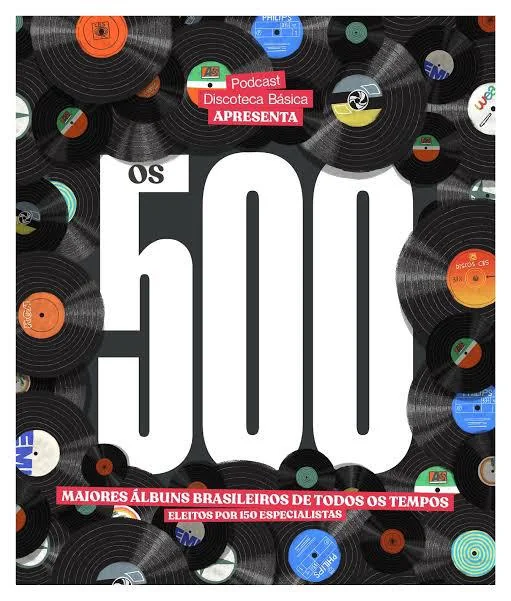
Os 500 Maiores Álbuns Brasileiros de Todos os Tempos
Ricardo Alexandre · 2022
The largest Brazilian music election ever conducted: 162 specialists, spanning journalists, critics, musicians, producers and podcasters, each nominated 50 essential albums, supported by a masterlist of more than 2,000 works. Led by Ricardo Alexandre with tabulation by Sérgio Jomori, it was published in December 2022 as a 200-page hardcover book with graphic design by Fernando Pires.
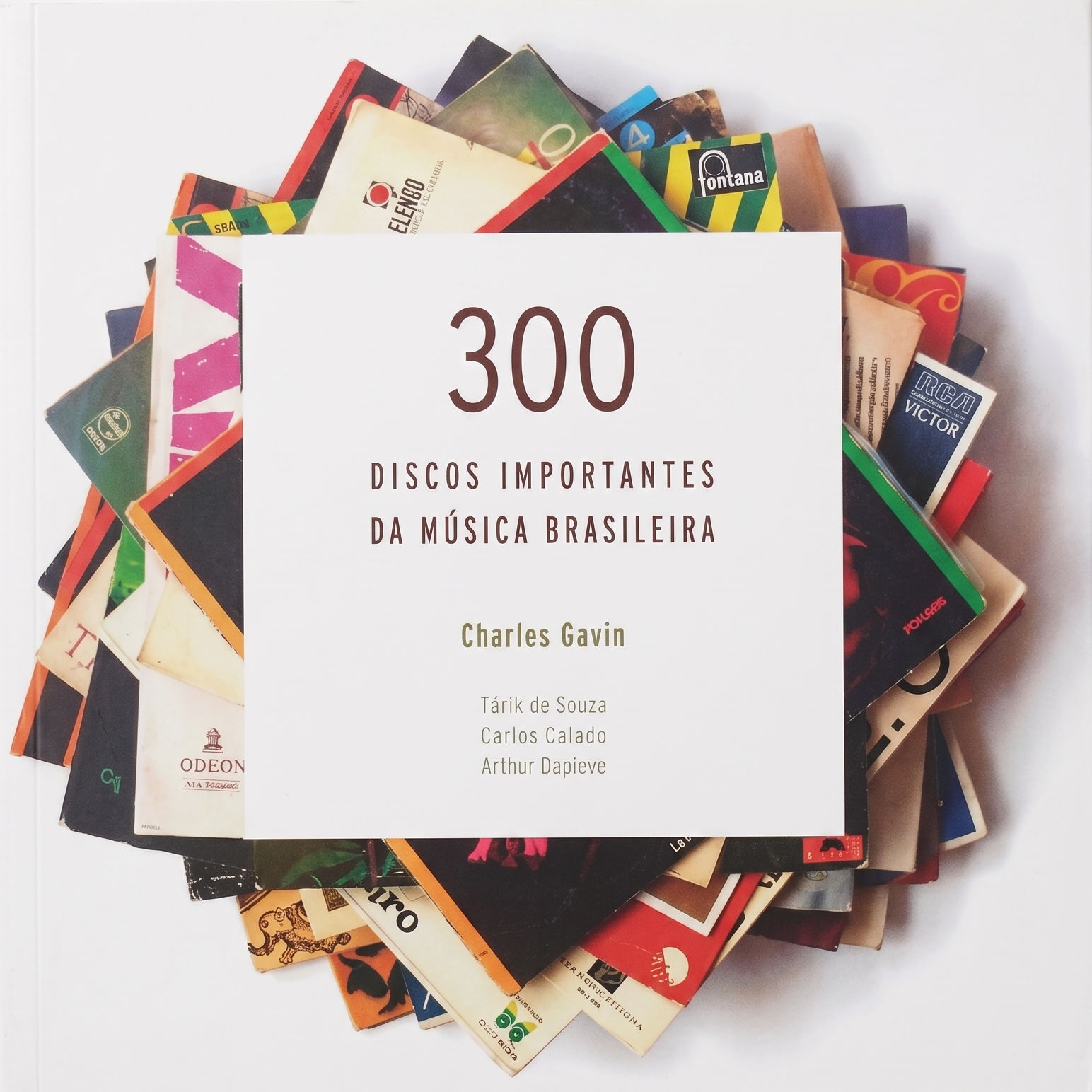
300 Discos Importantes da Música Brasileira
Charles Gavin, Tárik de Souza, Carlos Calado, Arthur Dapieve · 2008
Conceived by Titãs drummer and musical researcher Charles Gavin, the 434-page book brings together covers and reviews of albums released between 1929 and 2007. The texts were written by journalists Tárik de Souza, Arthur Dapieve and Carlos Calado.
Analyses
Cuban Soul - 18 Kilates – Wikipedia
Wikipedia, the free encyclopaedia
Joia de Cassiano e da discografia black do Brasil, álbum 'Cuban soul 18 ...
g1.globo.com
As disco music was already beginning to dominate dancefloors in the United States in 1976, a rise that was already reverberating in Brazil, Cassiano drew from this dancing and pop source of black music for the song "De bar em bar".
Cuban Soul 18 Kilates — Cassiano (1976) - Musicalidade
musicalidade.com
The album features two of Cassiano's mainstays: the poignant ballad A Lua e Eu, which featured on the soundtrack of the soap opera O Grito and was adapted for the samba universe – even recorded by Pixote.
Vitrola Review | Cassiano - Cuban Soul: 18 Kilates - Alataj
alataj.com.br
Cuban Soul: 18 Kilates is a true gem of Brazilian Soul. Released in 1976, the artist's third album marked Cassiano's major breakthrough success, something that hadn't truly taken off with his first albums Imagem e Som and Apresentamos Cassiano.
Álbum clássico de Cassiano é relançado em vinil - Novabrasil
novabrasilfm.com.br
The vinyl reissue by the "Safra 76" project reaffirms the historical and musical importance of "Cuban Soul: 18 Kilates", reintroducing into circulation a crucial album for understanding the consolidation of Brazilian soul music and Cassiano's role as one of its main architects.