O Tempo Não Para
Cazuza
1988
Rankings
Why This Album Matters
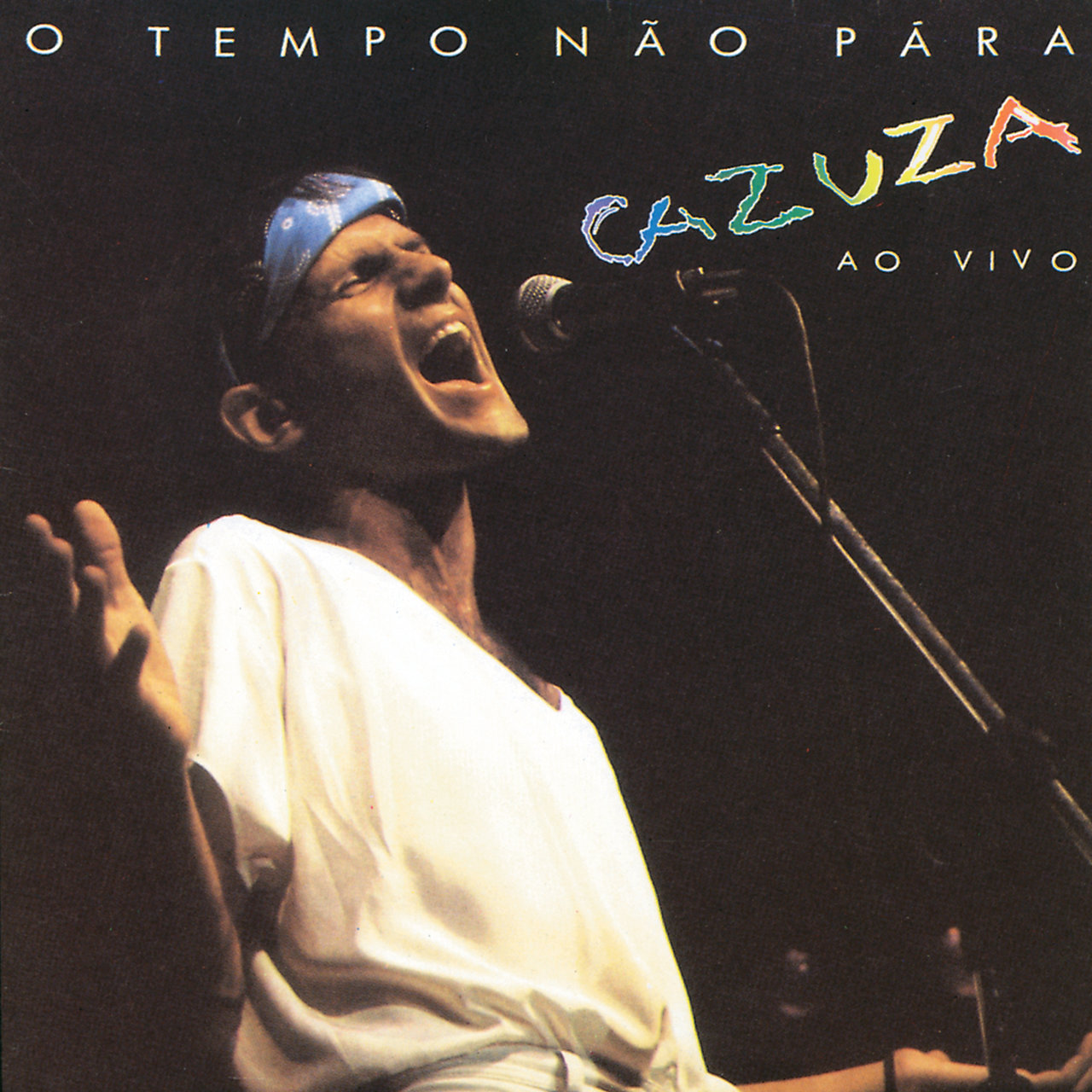
O Tempo Não Para marks a pivotal moment in Cazuza's career, being his first solo live album. Released in 1988, the record captures the effervescence of his performances, offering a powerful synthesis of his artistic journey. The work serves as a celebration of his ability to transition between the intensity of rock and the poetic depth of MPB, consolidating his musical identity beyond Barão Vermelho. This album is a unique opportunity to experience Cazuza's interpretive power on stage. He revisits successes that marked his career, demonstrating the timelessness of his compositions and his visceral connection with the audience, making it an essential document for understanding the full scope of his talent as a performer and lyricist.
Context
The album was recorded during the acclaimed tour for the album Ideologia, a period of great recognition for Cazuza's solo phase. This context highlights the moment of artistic fulfilment in which the singer found himself, consolidating his creative independence and the depth of his new works.
Recording
The recording of O Tempo Não Para took place on 14, 15 and 16 October 1988, at the iconic Canecão, in Rio de Janeiro. The show was directed by none other than Ney Matogrosso, a figure of great relevance in Brazilian music, which certainly added a special layer to the performance. The band accompanying Cazuza featured talented musicians such as Nilo Romero on bass, João Rebouças on keyboards and backing vocals, Luciano Maurício and Ricardo Palmeira on guitars, Christiaan Oyens on drums, Wildor Santiago on saxophone, and Jussara and Jurema Lourenço on backing vocals.
Songs
The repertoire of O Tempo Não Para is a robust collection that encompasses the major successes of Cazuza's solo career and also classics from his phase with Barão Vermelho. In addition to his own compositions, the album features notable reinterpretations. Particularly notable among these are "Vida Louca Vida", originally recorded by Lobão on his 1987 album Vida Bandida, and "O Tempo Não Para", the song that gives the album its name. "O Tempo Não Para" was composed by Cazuza in partnership with Arnaldo Brandão, bassist and vocalist of the band Hanói-Hanói, who recorded it first. A striking verse from the song, "Mas se você achar que eu tô derrotado / Saiba que ainda estão rolando os dados" (But if you think I am defeated / Know that the dice are still rolling), is recognised as a trenchant critique by Cazuza of the media, which at the time speculated about his health.
Legacy
The song "O Tempo Não Para" had significant international repercussions. In 1992, the Argentinian band Bersuit Vergarabat released a Spanish version, titled "El Tiempo No Para", on the album Y Punto. This adaptation gained great popularity, especially for maintaining and expanding the critical tone of the original lyrics, directing it towards the rulers of the 1990s, demonstrating the lasting relevance of Cazuza's message.
Tracks
Credits
Mariozinho Rocha
Ney Matogrosso
Márcia Alvarez
Nilo Romero
Ezequiel Neves, Nilo Romero
Márcia Alvarez
Nilo Romero
Christiaan Oyens
Ricardo Palmeira
Luciano Maurício
João Rebouças
Widor Santiago
Jurema Lourenço, Jussara Lourenço
João Rebouças, Luciano Maurício
Bimbão
Nandinho
Ronaldo e Fernando
Antonio Barrozo
Luigi Hoffer, Marcio Gama
Marcio Gama
Antonio Barrozo, Carlinhos, Marcos Vicente
Breno Dolabella
Marcelo
Reinaldo Cardoso Simões
Arthur Fróes
Geraldo Luis Gomes
Miriam Prado
Paulo Ricardo
Podcasts
Acorde - Música e Psicanálise · Rafael Garbuio e Ricardo Pezati
Bem vindos(as) ao Vigésimo episódio do podcast Acorde - Música e psicanalise, hoje vamos analisar a obra O Tempo não para, composta por Cazuza e Arnaldo Brandão, lançada no álbum também chamado de o Tempo não para, gravado ao vivo no show de 1988.Para esta conversa sobre esta obra recebemos nossa convidada Paula Sucena que é psicanalista e docente no Instituto Deep. Diálogos e Estudos em Psican
Vinilteca · José Ono Junior e Guilherme Colpani
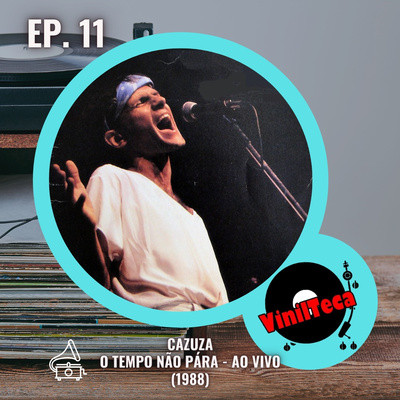
A turnê do disco Ideologia, do Cazuza, percorreu o Brasil e se transformou num especial para tv e num novo disco, o ao vivo O Tempo não pára, o.mais vendido da carreira do cantor. Na semana que relembramos os 30 anos da morte de Cazuza, a Vinilteca relembra este álbum tão especial. A Vinilteca é um projeto que nasceu no YouTube em 2016 e migrou para o rádio e para o podcast, com apresentação dos
Videos
Gravação inesperada, letra de protesto: a história de "O TEMPO NÃO PARA" (Cazuza)
Júlio Ettore
CAZUZA - O TEMPO NÃO PARA (SIGNIFICADO da música)
Visões do DH7
Cazuza | Descubra tudo sobre O Tempo Não Para e o show histórico no Canecão
Pitadas do Sal
Análise da Música - O TEMPO NÃO PÁRA
Fillipe Queiroz
História Por Trás da Música_ O Tempo Não Para
HISTORIA POR TRAS DA MUSICA
Films

Books
Analyses
O Tempo Não Para – Wikipedia
Wikipedia, the free encyclopaedia
O TEMPO NÃO PÁRA: CAZUZA AO VIVO (1988) Cazuza
meusdozemais.substack.com
Recorded at Canecão and directed by Ney Matogrosso, O tempo não pára: Cazuza ao vivo (1988) was one of my few live albums. The LP became a classic in Cazuza's discography for containing the title track.
Álbum de Cazuza ressurge com a íntegra da gravação ao vivo ... - G1
g1.globo.com
The edition of the album O tempo não para - Show completo is part of the Reviva Cazuza campaign, organised by Sociedade Viva Cazuza, chaired by Lucinha Araújo, the artist's mother.
O Tempo Não Para, de Cazuza (significado e análise da música)
culturagenial.com
The song "O Tempo Não Para", featured on the album of the same name from 1988, is one of singer Cazuza's most famous tracks. The album, the artist's fourth solo effort, was recorded live, marking his final live recording and his biggest commercial success.

MUSICA&SOM: Cazuza - "O Tempo Não Pára* " (1988)
tabernanovostempos.blogspot.com
The musical testament of one of the greatest poets of Brazilian music. In "O Tempo Não Pára", Cazuza leaves his final legacies, notes, messages, and wishes on one of the great live albums in national discography.