Samambaia
César Camargo Mariano e Hélio Delmiro
1981

Rankings
Why This Album Matters
Samambaia, released in 1981, is an indisputable gem of Brazilian instrumental music and a milestone in the careers of two of its greatest exponents, César Camargo Mariano and Hélio Delmiro. This album is recognised as one of the most fundamental albums in national music, standing as an absolute pillar of the instrumental genre. The collaboration between Mariano's electric piano and Delmiro's Ovation guitar transcends mere virtuosity, revealing a profound musical and sensitive identification that results in marvellous interactions, full of melody, improvisation, and an undeniable swing. The work is a sublime demonstration of the artists' ability to innovate and set new standards. The fusion of jazz elements with the rich tapestry of Brazilian music, including choro and samba-jazz, positions Samambaia as an enduring benchmark. It is an album that, even decades after its release, continues to be a source of study and admiration, praised by critics and musicians worldwide for its intrinsic art and sensibility.
Context
Before Samambaia, both César Camargo Mariano and Hélio Delmiro already had solid and respected careers in Brazilian music. César Camargo Mariano, a pianist, arranger, and composer from São Paulo, was a central figure in the world of instrumental trios in the 1960s and played a crucial role in the success of major artists such as Wilson Simonal and Elis Regina, for whom he acted as arranger. Hélio Delmiro, in turn, had already released his first solo album, Emotiva, and performed alongside jazz legends like Joe Pass. The meeting of Mariano and Delmiro for Samambaia was a long-held desire of César Camargo Mariano, who saw the project as the fulfilment of a dream to record with one of Brazil's most respected and sought-after musicians.
Recording
The album Samambaia was recorded on 17 August 1981, evidencing a rare synchronicity between the artists. The album's recording process, released by EMI-Odeon, featured César Camargo Mariano on electric piano, specifically a Yamaha CP 80, and arrangements, while Hélio Delmiro contributed with his Ovation guitar and arrangements. The recording of the title track, "Samambaia", is a notable example of this spontaneity and connection, having been recorded 'na primeira', that is, on the first attempt, due to the immediate musical identification between the two. Despite the instrumentation consisting only of piano and guitar, the album does not present sonic gaps, a testament to the genius of the arrangements and the musical depth of the performers. Production was handled by Renato Corrêa and Mayrton Bahia, with art direction and cover design being credited to Tadeu Valério and Jo Oliveira, respectively.
Songs
Samambaia presents a repertoire of ten tracks, totalling less than forty minutes of pure instrumental excellence. The album is a rich tapestry of original compositions and reinterpretations of Brazilian music classics, all elevated by the duo's sophisticated arrangements. Among the original compositions, the title track "Samambaia" stands out, a samba-jazz piece featuring contrapuntal techniques and a striking introduction by César Camargo Mariano, as does Hélio Delmiro's "Emotiva Nº 4", a more melancholic piece with modal harmonies and Gypsy/flamenco influences. Other original compositions include César Camargo Mariano's "Curumim" and "Maria Rita" (a beautiful lullaby dedicated to Mariano's then newborn daughter, Maria Rita), and Hélio Delmiro's "Das Cordas" and "Ninhos". "Das Cordas" is particularly notable as a solo guitar piece, blending elements of choro, jazz, classical music, and Gypsy nuances. The reinterpretations bring new perspectives to acclaimed works such as Pixinguinha and João de Barro's "Carinhoso", with an arrangement praised for its originality, and a suite that combines Milton Nascimento and Fernando Brant's "Milagre dos Peixes" with the incidental music "Cais" and "San Vicente".
Legacy
Since its release, Samambaia has achieved the status of an absolute classic and one of the most fundamental albums in Brazilian instrumental music, acclaimed by critics and musicians worldwide. To this day, the work is considered an indispensable reference for Brazilian instrumental music. Despite its importance, it is noteworthy that Samambaia was the only collaboration between César Camargo Mariano and Hélio Delmiro, which perhaps reinforces the singularity and magic of that encounter. The longevity and recognition of the album are attested by its multiple re-editions. The original 1981 LP was re-released on CD in 1994 and, subsequently, in 2003, as part of the acclaimed "Odeon 100 Anos" series, the latter in a remastered version with copy protection. The album maintains a high rating on platforms like Discogs, with an average of 4.89 out of 5 stars, underscoring its continuous value among music connoisseurs. Despite its historical relevance, the album is not widely available on streaming services, making it a 'gem' that is frequently sought after on platforms such as YouTube by enthusiasts.
Tracks
Credits
Mayrton Bahia
Renato Corrêa
Osmar Furtado
Guilherme Reis
Tadeu Valério
Jo Oliveira, Tadeu Valério
César Camargo Mariano
Milton Montenegro
Books
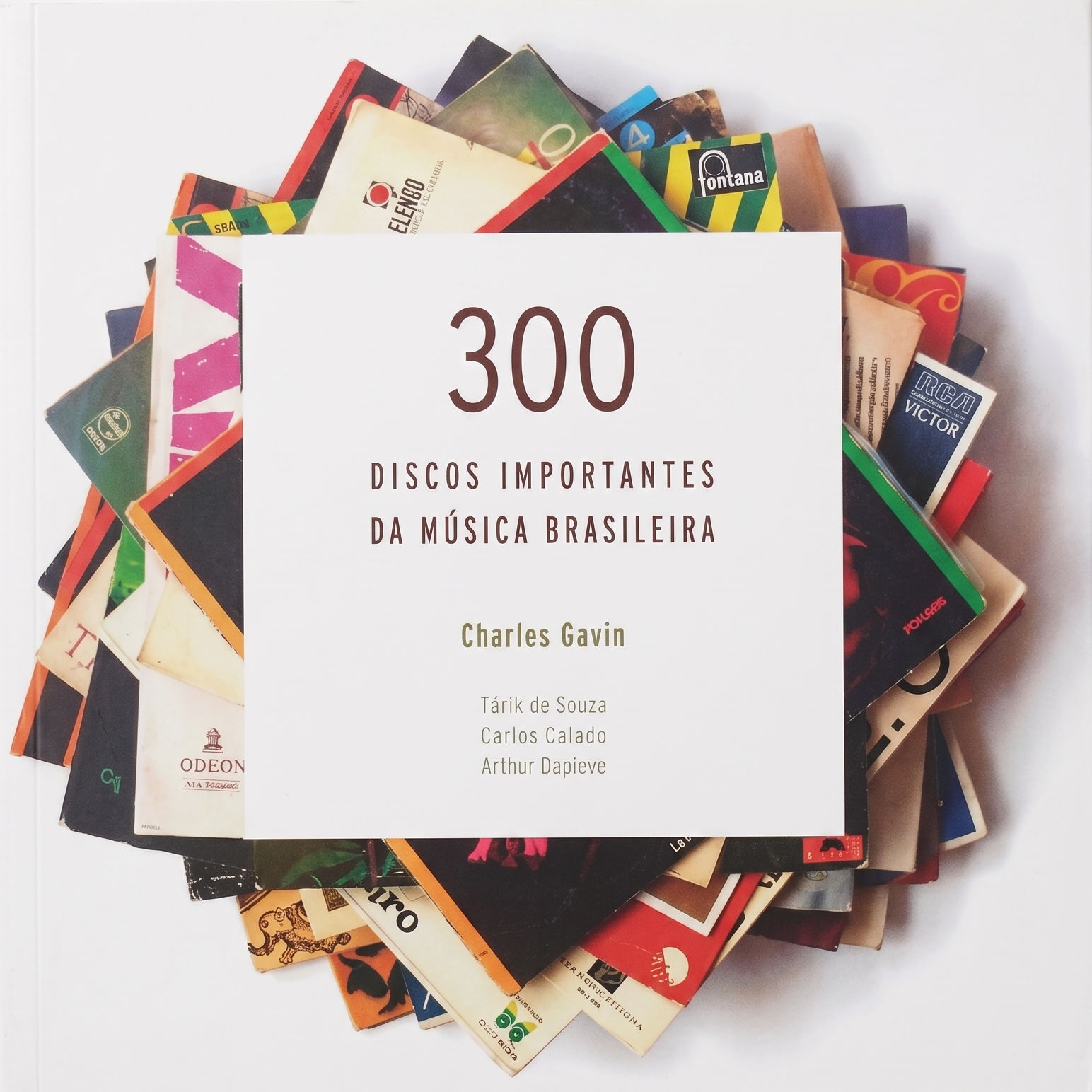
Analyses
Samambaia – Wikipedia
Wikipedia, the free encyclopaedia
César Camargo Mariano e Hélio Delmiro - Samambaia
violaobrasileiro.com.br
César Camargo Mariano and Hélio Delmiro - Samambaia 1981 Instrumentalists: Hélio Delmiro César Camargo Mariano Tags: Guitar and Piano

César Camargo Mariano & Hélio Delmiro - Samambaia (1981)
br320.blogspot.com
Artist: César Camargo Mariano & Hélio Delmiro Album: Samambaia Year: 1981 This edition: 2003 (Reissue on remastered CD in the ser...
Cesar Camargo Mariano & Hélio Delmiro - Samambaia (1981)
toque-musicall.com
Today we have the beautiful album "Samambaia", by keyboardist (in the best sense of the term) César Camargo Mariano and acoustic and electric guitarist Hélio Delmiro. An album, obviously, instrumental and featuring only the two musicians.
César Camargo Mariano, Hélio Delmiro - Samambaia
lojadadoze.com.br
Artist: César Camargo Mariano, Hélio Delmiro Title: Samambaia Label: EMI Record number: 31C 064 422895 Country: Brazil Released: 1981 Media condition: VERY GOOD PLUS (VG+) > The record plays perfectly, doesn't skip, but has signs of use.