Preço Curto, Prazo Longo
Charlie Brown Jr.
1999

Rankings
Why This Album Matters
Preço Curto, Prazo Longo, Charlie Brown Jr.'s second album, released in 1999, represents a fundamental landmark in the band's career, solidifying the sonic identity that would make them one of the most influential in Brazilian rock. This work expanded the group's musical proposition, presenting a more alternative and compact repertoire, which skilfully blended various musical genres such as hardcore punk, rap, reggae, and surf music. With its 25 tracks, it is the band's longest studio album, recorded with the explicit purpose of enriching the live show repertoire and offering a more complete experience to the audience. The album stood out for its energy and authenticity, serving as a soundtrack for the youth of the time, especially for fans of extreme sports. The fusion of styles not only demonstrated Charlie Brown Jr.'s versatility but also established a unique sound that resonated with urban and beach culture. Its relevance is further accentuated by the tragic coincidence of its release on 6th March, the same date on which vocalist Chorão would pass away years later, in 2013, imbuing the album with emotional and historical weight.
Context
The release of Preço Curto, Prazo Longo occurred two years after the success of their acclaimed debut album, Transpiração Contínua Prolongada (1997). Produced by the same duo, Rick Bonadio and Tadeu Patolla, the first work had already established Charlie Brown Jr. on the Brazilian music scene with a hybrid sound that crossed hardcore, ska punk, groove, and hip hop, selling over 250,000 copies. By that point, the Santos band had already gained a solid fan base and was in full ascent. Guitarist Marcão Britto recalled the intense period of composing and recording demos for the second album, while still maintaining an exhaustive schedule of shows to promote the previous work. Producer Tadeu Patolla noted, moreover, that the growing popularity and financial success began to transform Chorão's attitude from this second album onwards, which also became a watershed moment regarding the group's internal dynamics.
Recording
The recording of Preço Curto, Prazo Longo took place at Estúdio Midas, with the expertise of the renowned production duo Rick Bonadio and Tadeu Patolla. Bonadio, a central figure in the Brazilian music industry of the 90s, was known for his talent in discovering and propelling major names, such as Mamonas Assassinas, and for his ability to blend traditional Brazilian rhythms with modern production techniques. He was also the then president of Virgin Records Brasil, the band's label. Tadeu Patolla, in turn, played a crucial role in the very origin of Charlie Brown Jr., having "discovered" the band in 1994 and convinced Chorão to sing in Portuguese. This production partnership, which extended across several of the band's works, was fundamental in shaping the album's energetic and accessible sound. The recording team included Rick Bonadio, Paulo Anhaia, and Lampadinha, while mixing was handled by Bonadio and Anhaia, and mastering by Bonadio and Rodrigo Castanho, ensuring a technical polish that complemented the rawness and authenticity of the compositions.
Songs
With 25 tracks, Preço Curto, Prazo Longo is Charlie Brown Jr.'s most extensive studio album, and, according to Chorão himself, it was conceived to significantly expand the band's repertoire for live shows. The album generated four highly successful singles, which became anthems for a generation. "Zóio de Lula", for example, was the band's first song to reach number one on Brazilian radio stations, blending elements of reggae and hardcore and becoming one of the most emblematic of their career. Another highlight was "Te Levar Daqui", which gained enormous prominence by becoming the opening theme for the Malhação series for a long seven years (1999 to 2006), cementing its presence in Brazilian youth culture. "Confisco", with its autobiographical lyrics narrating the story of someone whose assets were confiscated, revealed Chorão's lyrical depth, while "Não Deixe o Mar Te Engolir" also reinforced the band's presence on radio programmes. In addition to these, the track "A Grande Volta" was also released as a single. The album is marked by a rich web of collaborations, with the participation of various artists from the Brazilian hip-hop scene, such as De Menos Crime, Consciência Humana, Homens Crânio, Radjja de Santos, P.MC, and DJ Deco Murphy, who contributed vocals and scratches. Rodolfo Abrantes, then vocalist of Raimundos, also made a special guest appearance, further enriching the fusion of genres that defines the work.
Legacy
Preço Curto, Prazo Longo consolidated Charlie Brown Jr.'s place in the pantheon of national rock, achieving significant commercial success. The album sold over 250,000 copies, being certified Platinum by Pro-Música Brasil, and by 2013, it had sold an impressive 464,560 units. Critical reception was also notable, including a rare positive review from the respected magazine Veja, a feat for a Brazilian rock band at the time. Leonardo Botti, from Correio da Cidadania, praised the album as an "entertaining soundtrack" ideal for young people and fans of extreme sports. The singles taken from the album had a lasting impact on popular culture. "Zóio de Lula" became one of the band's biggest hits, while "Te Levar Daqui" cemented Charlie Brown Jr.'s presence in the youthful imagination by being the theme tune for Malhação for almost a decade, something uncommon for a rock band. The album's importance was reaffirmed in 2013, when, capitalising on the commotion following Chorão's death, EMI records re-released it in its original format, underlining the perennial value of this work in the band's discography and in the emotional memory of fans.
Tracks
Credits
Rick Bonadio
Rick Bonadio, Tadeu Patola
Champignon, Chorão, Marcão, Renato Pelado, Thiago
Edu e Flávio
Paulo Anhaia, Tadeu Patola
Rick Bonadio, Rodrigo Castanho
Paulo Anhaia, Rick Bonadio
Lampadinha, Paulo Anhaia, Rick Bonadio
Ivan Dizioli, Ronaldo Simolla, Sergio Panda
Anselmo Gomes
Marcelo Rossi
Chorão, Marcelo Rossi, Shin Shikuma
Chorão
Shin Shikuma
Marcelo Rossi
Podcasts

Neste episódio, batemos um papo profundo sobre o álbum Preço Curto, Prazo Longo do Charlie Brown Jr., onde comentamos faixa a faixa deste álbum histórico e importantíssimo para o rock brasileiro!
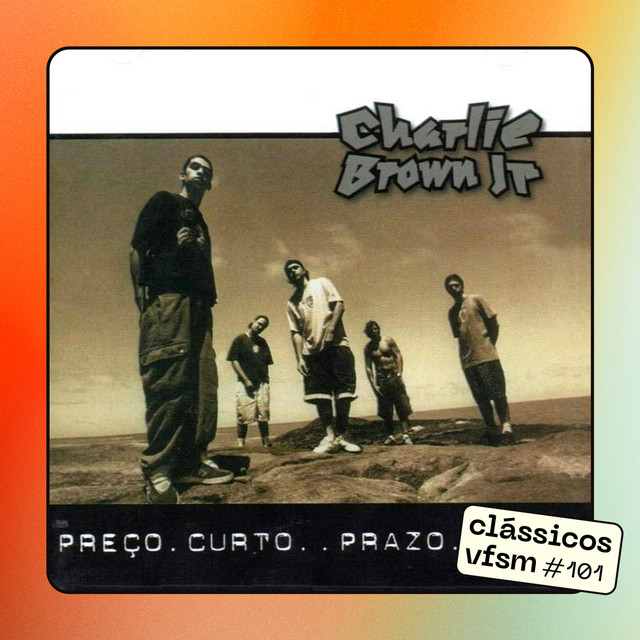
Completando 25 anos em 2024, "Preço Curto, Prazo Longo", segundo álbum de estúdio do Charlie Brown Jr., é o tema de mais um episódio do Clássicos VFSM. Isadora Almeida (@almeidadora) e Guilherme Guedes (@gguedes) conversam sobre o trabalho que apresentou sucessos como "Te Levar Daqui", "Zoio de Lula" e "Confisco", tendo na época de lançamento conquistado o álbum de platina e ajudado a banda a se c
Videos
Especial Preço Curto Prazo Longo - A História - Marcao Britto - Charlie Brown Jr
Marcão Britto
Charlie Brown Jr - Preço Curto Prazo Nongo - 1999 [analyzing]
Potenza Cast - Filmes & Cultura Pop
Films

Books
Analyses
Preço Curto, Prazo Longo – Wikipedia
Wikipedia, the free encyclopaedia

"Preço Curto, Prazo Longo" (Virgin, 1999), Charlie Brown Jr. - Blogger
discosessenciais.blogspot.com
In Preço Curto, Prazo Longo, the São Paulo-based band explores this musical diversity even further with greater proficiency. Charlie Brown Jr.'s sound is more calibrated, the guitars are heavier and more aggressive, and the bass is more robust and pulsating.
Há 20 anos, o Charlie Brown Jr. lançava o icônico "Preço Curto... Prazo ...
tenhomaisdiscosqueamigos.com
On the same day that marks six years since Chorão's death, the album "Preço Curto... Prazo Longo", featuring several Charlie Brown Jr. hits, celebrates its 20th anniversary.
Há 20 anos, o Charlie Brown Jr. lançava o icônico "Preço Curto… Prazo ...
dol.com.br
The exciting track quickly became a youth phenomenon, and not just on the radio. This was the opening theme song for the soap opera/series Malhação for 7 (I repeat, seven) years. From 1999 to 2006, "Te Levar" was a guaranteed presence on TV Globo's late afternoons. That's definitely not for everyone!

Preço Curto… Prazo Longo [Charlie Brown Jr.] | REVIEWS
nonacuca.wordpress.com
Preço Curto… Prazo Longo. The album Preço Curto… Prazo Longo, recorded in 1998 and 1999 and released in 1999, stands as Charlie Brown Jr.'s second album. And right from the first track, Confisco, they demonstrate what this album is all about. The guitar and the turntable already announce the tone of the entire record.