Chico Buarque
Chico Buarque
1978

Rankings
Why This Album Matters
The album Chico Buarque, released in 1978, is a seminal work in Chico Buarque's discography and an undeniable landmark of Brazilian Popular Music (MPB). At the height of the Brazilian military dictatorship, this work stood out for its lyrical audacity and musical sophistication, encapsulating the spirit of resistance and the artistic genius that characterised the period. The fusion of deeply personal compositions with veiled and explicit criticisms of the regime elevated the album to a level of lasting cultural and political relevance. It not only solidified Chico Buarque's reputation as one of Brazil's greatest poets and composers, but also became a sonic document of the struggle for freedom of expression. The way the artist managed to transition between the melodic beauty of MPB and the urgency of the protest message, challenging censorship through metaphors and double meanings, is a testament to his perspicacity. This album is essential for understanding the complexity of Brazilian music produced under repression, offering refuge and a voice for hope in dark times.
Context
The release of Chico Buarque in 1978 occurred during a period of intense repression in Brazil, under the aegis of the military dictatorship that lasted from 1964 to 1985. Censorship was an omnipresent tool of the regime, aiming to control media, artists, and any form of expression that could be interpreted as subversive. Many artists were imprisoned, tortured, or exiled, and creative freedom was severely limited, forcing them to develop ingenious strategies to communicate their messages. Chico Buarque, in particular, was a figure constantly targeted by censorship, having already faced imprisonment and exile. His return to Brazil in the early 1970s marked a phase in which his work became even more politically engaged, and the 1978 album reflects this reality. The need to circumvent censors profoundly shaped the language and aesthetics of his compositions, transforming song into a battlefield and a form of resistance.
Recording
The album Chico Buarque was released in November 1978, under the PolyGram and Philips Records labels. Production was handled by Sérgio de Carvalho, who conducted the recording sessions that resulted in a refined sound characteristic of MPB at the time. The musical richness of the record was amplified by the special appearances of great names in Brazilian music, who lent their talents to the tracks. Among the notable collaborators, Milton Nascimento lends his iconic voice to the track "Cálice", while Elba Ramalho and Marieta Severo participate in "O Meu Amor". The then revelation Zizi Possi delivers a striking performance on "Pedaço de Mim". The vocal group MPB-4 also contributed backing vocals on some songs, and Miltinho added acoustic guitar to several tracks, consolidating the instrumental and vocal quality of the work.
Songs
The repertoire of the album Chico Buarque is a testament to the lyrical and melodic genius of its creator, with several songs that became anthems of MPB. Two of the greatest highlights are, without a doubt, the protest songs that directly confronted censorship. "Cálice", composed in partnership with Gilberto Gil and featuring Milton Nascimento's powerful interpretation, is an exquisite example of the art of circumventing repression. The title plays on the word 'cálice' (chalice or goblet) and the sound of 'cale-se' (be silent), transforming the chorus into a cry of silencing and, paradoxically, of resistance. The lyrics address the absence of freedom of expression and even allude to methods of torture employed by the military regime. Another great success, "Apesar de Você", although released previously, was included in the album and consolidated itself as a powerful anthem against the dictatorship, with its chorus speaking of the inevitable day when the darkness will cease. In addition to the protest songs, the album features gems such as "Feijoada Completa", which celebrates Brazilian culture with lightness, "Pedaço de Mim", which marked the beginning of Zizi Possi's career, and "O Meu Amor", with the voices of Elba Ramalho and Marieta Severo. Other notable tracks include "Trocando em Miúdos", "Homenagem ao Malandro", and "Até o Fim", which explore varied themes with Chico Buarque's compositional mastery. The album also innovates by including a version of the song "Pequeña Serenata Diurna" by the Cuban Silvio Rodríguez.
Legacy
Chico Buarque (1978) achieved tremendous success, establishing itself as one of the best-selling and most influential albums in Brazilian music. Even before its official release, the record had already registered an impressive pre-sale of 30,000 copies. In 1979, the album received Gold record certification from ABPD, for sales exceeding 150,000 copies. Commercial impact continued to grow significantly after the song "Cálice" was cleared by censorship in March 1980. As reported by Manchete magazine, the album reached the mark of 700,000 copies sold in Brazil, a remarkable feat for the time and an indication of its profound resonance with the public. Beyond its sales success, the album is frequently cited as one of Chico Buarque's most important works, with its lyrics studied in Portuguese undergraduate courses, attesting to its lasting literary and cultural relevance. The album not only boosted Chico Buarque's career, but also launched Zizi Possi to stardom with the song "Pedaço de Mim".
Tracks
Credits
Sérgio De Carvalho
Barroso
Ivan Lisnik
Luigi Hoffer, Sérgio De Carvalho
Ary Carvalhaes, Luis Cláudio Coutinho, Paulo Sergio
Jorge Vianna
Aldo Luiz
Januário Garcia
Podcasts
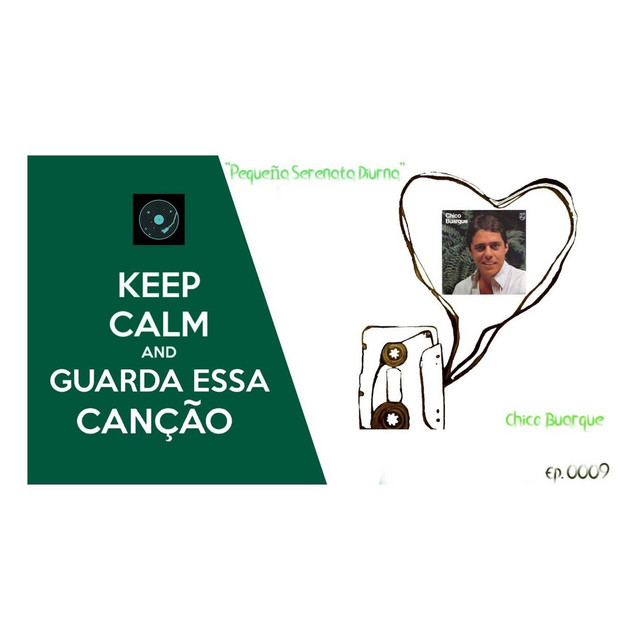
QUER QUE EU RESENHE? · André Marx
Enfim o Chico estreia no canal!!!! Em mais um episódio do GUARDA ESSA CANÇÃO, André Marx fala de uma canção composta pelo cubano Silvio Rodríguez, numa versão sublime do gênio Chico Buarque. E domingo entrará no ar outro GUARDA ESSA CANÇÃO que analisa a "homenagem" que Chico compôs para essa canção. O quadro GUARDA ESSA CANÇÃO (batizado em homenagem à canção homônima do Barão Vermelho) será o
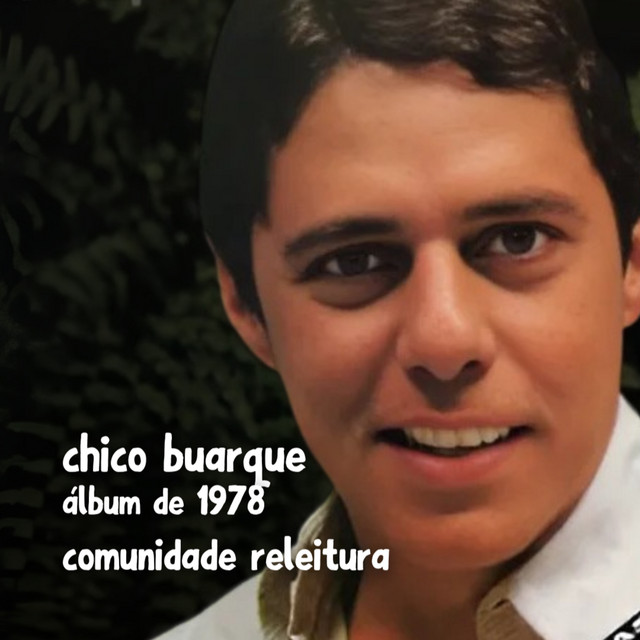
Comunidade Releitura · Isa
O álbum Chico Buarque (1978) é um verdadeiro marco da música brasileira. 🎭✨ Com letras afiadas, poesia envolvente e uma crítica social que atravessa gerações, esse disco segue mais atual do que nunca.Nesta edição da Comunidade Releitura, vamos mergulhar nas histórias por trás das músicas, discutir seus significados e sentir na pele a força da arte como resistência. Quem já está preparando a playl
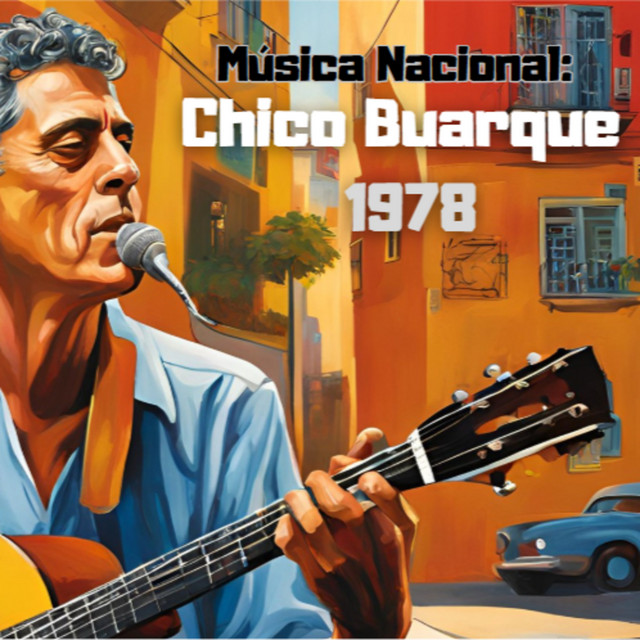
Não Custa Pensar · Ferz Henrique
Nesta nova seção no podcast, intitulada Música Nacional: Cultura Brasileira em Músicas Inesquecíveis, abordamos, em sua primeira entrega, o disco Chico Buarque 1978. Faixa a faixa comentamos suas músicas emblemáticas e oferecemos uma análise crítica de cada música. https://youtu.be/hX_sM2MKD64
Videos
Chico Buarque 1978 - Chico Buarque - José Cândido
José Cândido
Música Nacional: Chico Buarque 1978 #musica
Podcast Não Custa Pensar
Films

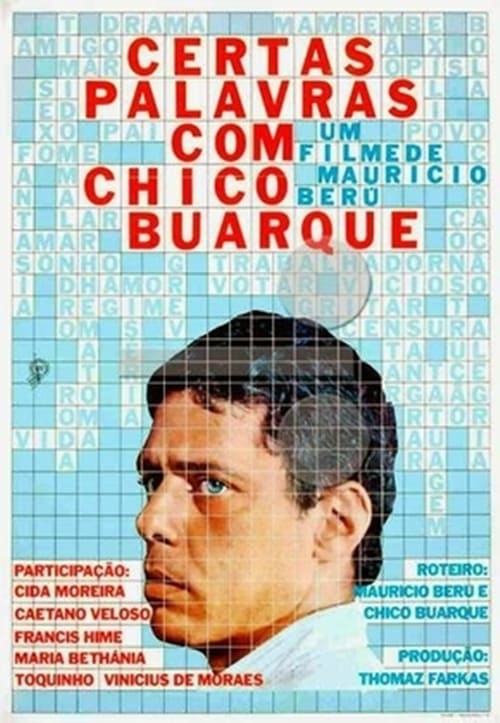
Certas Palavras com Chico Buarque
1980
The life and work of Brazilian singer-songwriter, guitarist, composer, playwright, writer and poet Chico Buarque de Hollanda.
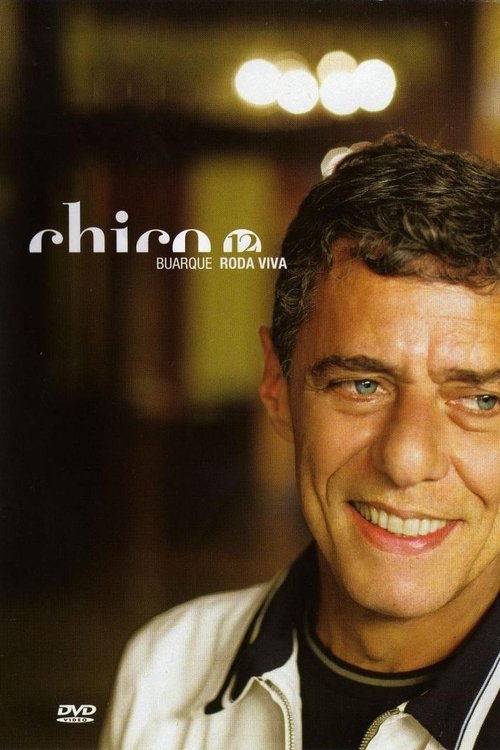
Chico Buarque - Roda Viva
2005
The 60s were very turbulent. Cultural changes, such as the behavioural revolution, political unrest and the cogs of the entertainment industry, form the backdrop for this twelfth DVD in the retrospective series of Chico Buarque's work, focusing on the composer's early career. The images show the live acclaimed performances of A Banda (1966), Disparada (1966), Roda Viva (1967), Alegria, Alegria (1967) and Sabiá (1968). All commented on by Chico himself.
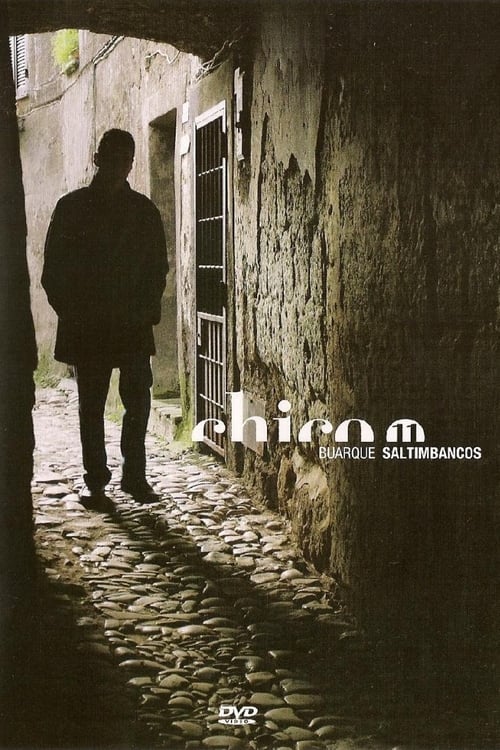
Chico Buarque - Saltimbancos
2005
"Saltimbancos", a box set from the retrospective series on Chico Buarque's work, addresses the composer's relationship with the children's world. The DVD features the soundtrack adapted by Chico from the musical Os Saltimbancos, which is essential in any home with children. Discover the creative process of one of Brazil's most important artists!
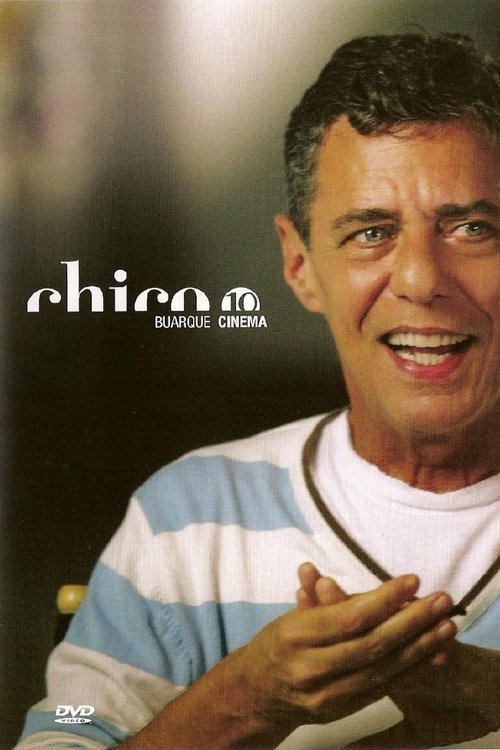
Chico Buarque - Cinema
2005
The unforgettable magic of cinema songs, forever etched in memory alongside the films, is the theme of this tenth DVD in the series dedicated to the work of composer Chico Buarque. Recorded in the picturesque town of Paraty, the DVD reveals the composer's fascination with cinema and the art of composing for the screen. Chico talks about his participations in various films and teenage idols, such as Marlon Brando and Jeanne Moreau. And he sings Ela Faz Cinema, composed especially for the series.
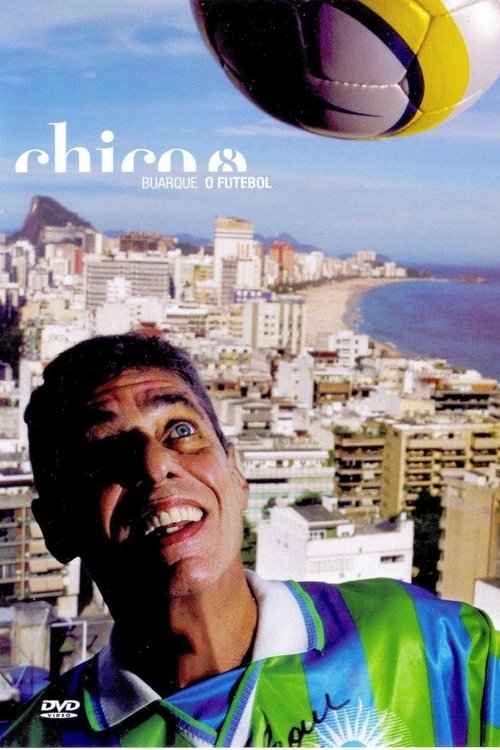
Chico Buarque - O Futebol
2005
Chico Buarque's passion for football is rivalled only by his connection to music, and sometimes it even takes precedence. In this eighth DVD from the retrospective series of his work, Chico reminisces, at the Maracanã stadium, about the great players and moving moments of Brazilian football, such as the defeat to Uruguay in the 1950 World Cup final. At Confeitaria Colombo in Rio, he performs sambas that speak of football, and on the informal football pitch in Barra da Tijuca, he receives visits from idols Pagão and Pelé. The DVD shows the artist playing football in the cities of Santos, Rio, Lisbon, Barcelona, Paris and Budapest, and also features a selection of memorable plays and goals by stars such as Pelé, Garrincha, Ronaldo and Ronaldinho. It also features a meeting with Ronaldinho in Barcelona, where the subject, as expected, was music and football.
Books
Chico Buarque's First Chico Buarque
Charles A. Perrone · 2022
This book offers a critical and in-depth analysis of Chico Buarque's self-titled album (1978), considered one of the most representative of the artist's career. The work explores the singer and songwriter's unique talents as a poet and creator of songs with popular appeal and profound analytical capacity.
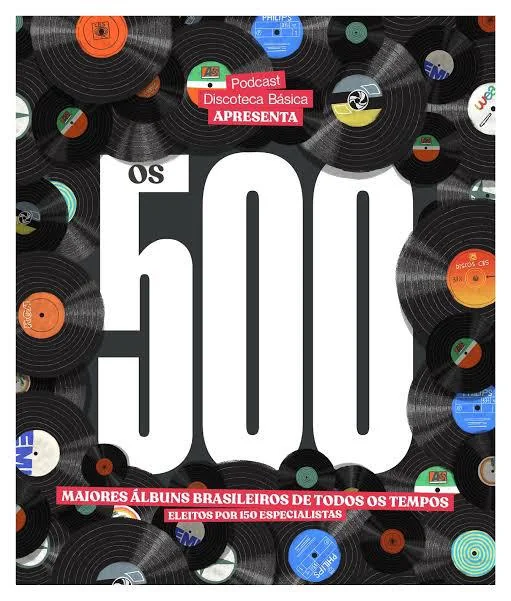
Os 500 Maiores Álbuns Brasileiros de Todos os Tempos
Ricardo Alexandre · 2022
The largest Brazilian music election ever conducted: 162 specialists, spanning journalists, critics, musicians, producers and podcasters, each nominated 50 essential albums, supported by a masterlist of more than 2,000 works. Led by Ricardo Alexandre with tabulation by Sérgio Jomori, it was published in December 2022 as a 200-page hardcover book with graphic design by Fernando Pires.
Chico Buarque para todos
Regina Zappa · 2016
This is the book resulting from the first time Chico Buarque agreed to speak extensively about his life and career for the publication of his story. There were many hours of conversations, walks, backstage visits at shows, trips to the football pitch, and meetings with friends, partners, and family.
Analyses
Chico Buarque – Wikipedia
Wikipedia, the free encyclopaedia
Música Nacional: Chico Buarque 1978 - Não Custa Pensar
naocustapensar.com
In this new podcast section, entitled Música Nacional: Cultura Brasileira em Músicas Inesquecíveis, we address, in its first instalment, the album Chico Buarque 1978.
Chico Buarque, 1978 - Jornal O Globo
oglobo.globo.com
When Rio de Janeiro becomes a submerged city and divers come to explore the nooks and crannies of an apartment in Copacabana, they will find Chico's albums.
OBRA - Chico Buarque
chicobuarque.com.br
Chico Buarque is an album by Brazilian musician Chico Buarque, released in 1978. The album features great successes by the musician, among which are the protest songs against the military dictatorship "Cálice" (featuring Milton Nascimento)...
Chico Buarque - A Música de Chico Buarque (1978) - OUVIR MÚSICA
ouvirmusica.com.br
Come and listen to "A Banda", "Sabiá", "Rosa Dos Ventos" and many other songs from the album Chico Buarque - A Música de Chico Buarque (1978)!