Chico Buarque de Hollanda
Chico Buarque
1966

Rankings
Why This Album Matters
The album Chico Buarque de Hollanda, released in 1966, is the cornerstone in the discography of one of the greatest poets and composers of Música Popular Brasileira. This debut record not only introduced Chico Buarque to the public as a performer, but also solidified his distinctive musical style, characterised by the fusion of bossa nova's sophistication with samba tradition and elements of classical music. Since its release, the album has stood out for its refined poetry and subtle social commentary in its lyrics, which addressed existential and everyday themes with a unique sensibility. The work's sound, with carefully elaborated arrangements that enhance Chico's voice and acoustic guitar, alongside discreet choirs and orchestrations, ensured the record a rich and timeless sonic identity, essential for understanding the evolution of MPB.
Context
Before releasing his solo album, Chico Buarque was already a recognised figure in the Brazilian music scene as a talented lyricist and composer. Born in 1944, son of the renowned historian Sérgio Buarque de Holanda, Chico had from an early age a family environment conducive to culture and literature, which profoundly shaped his artistic vision. The 1960s in Brazil was a period of intense cultural effervescence, driven by the bossa nova movement, which brought renewal to popular music with innovative arrangements and a new way of interpreting. Chico Buarque, influenced by names such as João Gilberto and Tom Jobim, was already composing songs that drew attention for their poetic depth, preparing the ground for his transition to the role of singer and performer, which would materialise with this album.
Recording
The album was recorded in 1966 by the Philips record label. Production was handled by maestro Sérgio Ricardo, who was also responsible for conducting the arrangements, lending the work a sound that blended simplicity and sophistication. The work is characterised by the fusion of bossa nova and samba influences with elements of classical music. The arrangements are sophisticated, designed to highlight Chico's gentle voice and singular interpretation, as well as his acoustic guitar. There is also the presence of discreet choirs and orchestrations, which contribute to the record's rich musical tapestry.
Songs
The album's twelve tracks, all written by Chico Buarque, present a characteristic lyrical language, with lyrics laden with poetry that explore social and existential themes. The composer's ability to address profound issues with subtlety, using writing that converses with literature and melody, is already fully manifest in this debut work. One of the record's main highlights is the song "A Banda", which became an immediate success and catapulted Chico Buarque's career to national recognition. Other notable tracks, which would become classics of his oeuvre, include "Pedro Pedreiro" and "Tem Mais Samba", demonstrating the versatility and lyrical depth that would mark the artist's entire trajectory.
Legacy
Chico Buarque de Hollanda was widely acclaimed by specialist critics and the public upon its release, solidifying the young artist's image as an innovative voice in MPB. The song "A Banda" not only achieved enormous popularity, but also won the TV Record's Festival de Música Popular Brasileira in 1966, sharing the prize with Geraldo Vandré's "Disparada", which further boosted the visibility of the album and its creator. Considered a landmark in Brazilian music, the record inaugurated the lyrical and socially engaged style that would become Chico Buarque's signature, influencing generations of musicians. Over time, the album established itself as a classic, being studied and celebrated for its ability to unite literary poetry with popular music. BestEverAlbums.com, for example, ranks it as the 4543rd best album of all time, and the 39th of 1966, placing it in the top 7% of albums ranked on the platform. Interestingly, the album cover, which features Chico Buarque with contrasting expressions, became an internet phenomenon from 2013 onwards, being widely used as a meme in Brazil and abroad. The artist himself showed good humour regarding its virality, even adopting the meme's aesthetic on his official Instagram profile, although he does not authorise commercial use of the image.
Tracks
Credits
Francisco Moraes
Manoel Barenbein
Julio Nagib
Chico Buarque De Hollanda
Luiz Loy Quinteto
Stelio Carlini
Dirceu Côrte-Real
Podcasts
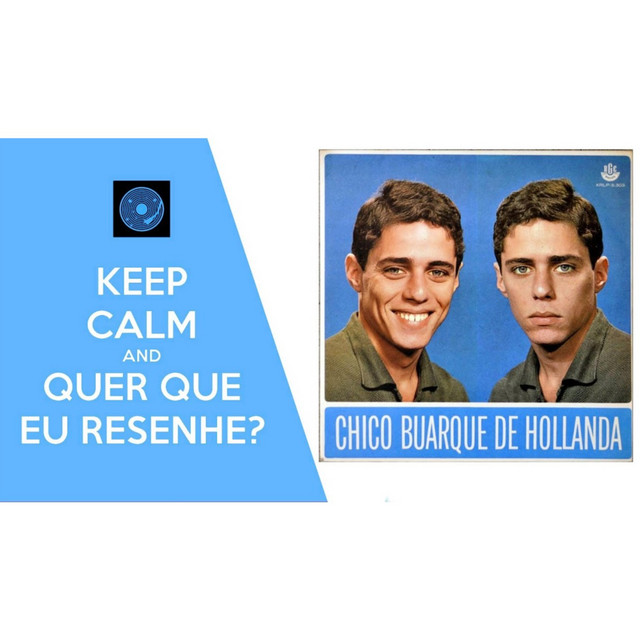
QUER QUE EU RESENHE? · André Marx
Em sua resenha semanal, André Marx fala sobre o clássico primeiro disco de um jovem mestre: Chico Buarque, que à época parecia um jovem Noel Rosa. Sejam bem-vind@s ao Canal/Podcast QUER QUE EU RESENHE? e esperamos que vocês gostem.
Videos
Chico Buarque - Chico Buarque de Hollanda (1966) | ALBUM REVIEW
QUER QUE EU RESENHE?
Análise de "Construção", de Chico Buarque
Clara MostraLíngua
As caravanas - Chico Buarque - análise
Desconversas Literárias
Ode aos ratos - Chico Buarque - análise
Desconversas Literárias
Films

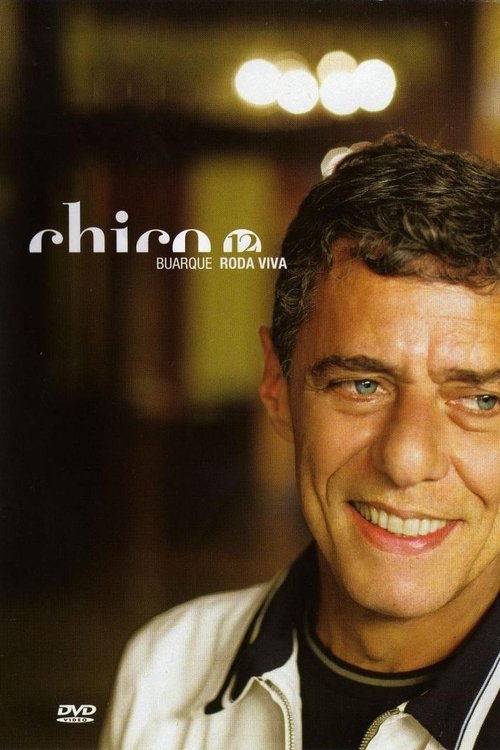
Chico Buarque - Roda Viva
2005
The 60s were a very turbulent time. Cultural changes, such as the behavioural revolution, political unrest, and the cogs of the entertainment industry, form the backdrop of this twelfth DVD in the retrospective series on Chico Buarque's work, which focuses on the composer's early career. The images show the live acclaimed performances of A Banda (1966), Disparada (1966), Roda Viva (1967), Alegria, Alegria (1967) and Sabiá (1968). All commented on by Chico himself.
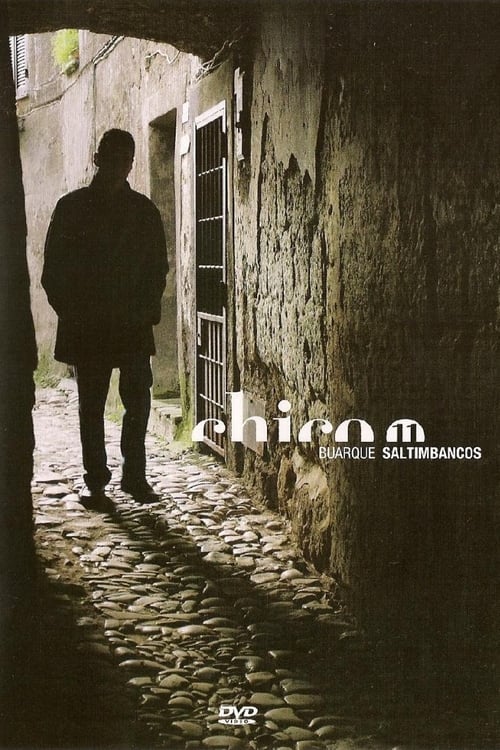
Chico Buarque - Saltimbancos
2005
"Saltimbancos", a box set from the retrospective series on Chico Buarque's work, explores the composer's relationship with the world of children. The DVD features the soundtrack adapted by Chico from the musical Os Saltimbancos, which is essential in any home with children. Discover the creative process of one of Brazil's most important artists!
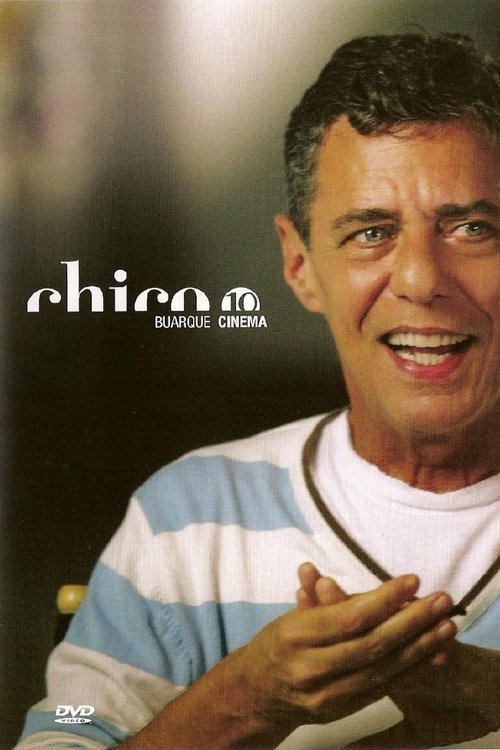
Chico Buarque - Cinema
2005
The unforgettable magic of cinema songs, forever etched in memory alongside the films, is the theme of this tenth DVD in the series dedicated to the work of composer Chico Buarque. Filmed in the scenic city of Paraty, the DVD reveals the composer's fascination with cinema and the art of composing for the screen. Chico talks about his involvement in various films and his teenage idols, such as Marlon Brando and Jeanne Moreau. He also sings Ela Faz Cinema, specially composed for the series.
Chico Buarque - O Futebol
2005
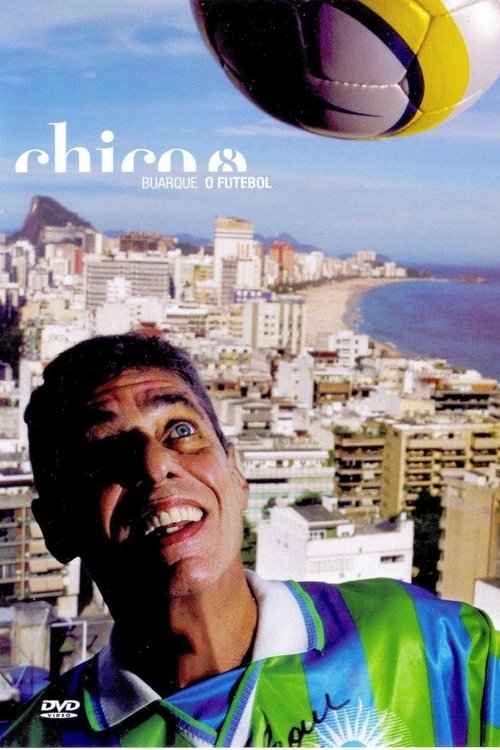
Chico Buarque's passion for football is rivalled only by his connection to music, and sometimes even takes precedence. In this eighth DVD of the retrospective series on his work, Chico reminisces, at the Maracanã stadium, about the great stars and moving moments of Brazilian football, such as the defeat to Uruguay in the 1950 World Cup final. At Confeitaria Colombo in Rio, he performs sambas about football, and at the informal football pitch he has in Barra da Tijuca, he is visited by idols Pagão and Pelé. The DVD shows the artist playing football in the cities of Santos, Rio, Lisbon, Barcelona, Paris and Budapest, and also features a selection of memorable plays and goals from stars like Pelé, Garrincha, Ronaldo and Ronaldinho. It also presents a meeting with Ronaldinho in Barcelona, where the topic, naturally, was music and football.
Chico Buarque - Romance
2015
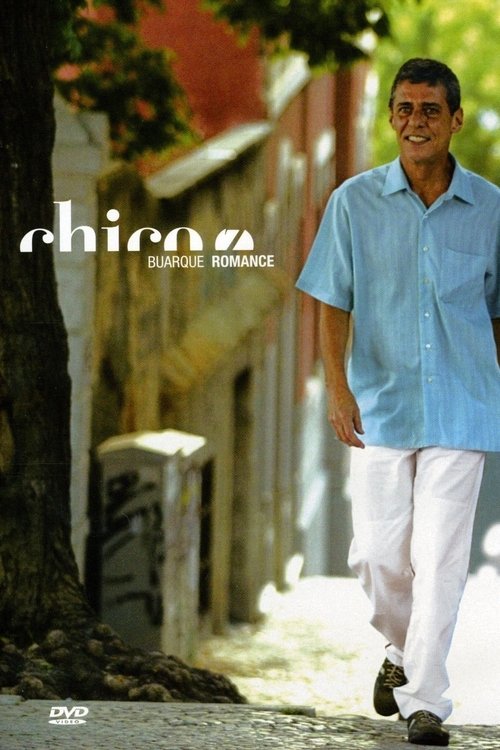
Love songs are very common in Brazilian music and also in Chico Buarque's work. Filmed in Paris, this seventh DVD in the retrospective series of the composer's work features hits like 'Eu Te Amo', 'Atrás da Porta', 'Futuros Amantes' and 11 other songs, with appearances by Elis Regina, Daniela Mercury and Edu Lobo. Chico walks through the intimate streets of the French capital and discusses the nature of romantic feelings. He confesses his joy at having inspired romances and observes that if our grandparents' generation resorted to poems to seduce, today couples exchange song verses as 'texts'. He talks about 'piropos', which are verses made to win over a beloved woman, and says that Vinicius was a master of the genre. To illustrate, Chico specially composed the song 'Outros Sonhos', a beautiful 'piropo', for this DVD.
Analyses
Chico Buarque de Hollanda – Wikipedia
Wikipedia, the free encyclopaedia
Album: Chico Buarque de Hollanda. Artist/Band: Chico Buarque. Year: 1966.
staimusic.com
Review Chico Buarque's "Chico Buarque de Hollanda" is a masterful exploration of sound and lyricism that captures the essence of Brazilian culture. The album merges traditional samba and bossa nova with contemporary influences, creating a rich tapestry of sound that is both nostalgic and innovative. Lyrically, Buarque delves into themes of love, loss, and social commentary, often weaving ...
Aquela Musica Apresenta "Chico Buarque de Hollanda - 1966"
aquelamusica.com
"A Banda", one of the album's standout tracks, became an instant success and won first place at the Festival da Canção Brasileira de 1966 (Festival de Música Popular Brasileira), launching Chico Buarque to national fame.
OBRA - Chico Buarque
chicobuarque.com.br
Singer Chico Buarque de Holanda's website Ópera do Malandro (film soundtrack) 1985
Cliquemusic : Disco : CHICO BUARQUE DE HOLLANDA
cliquemusic.com.br
Tracks 1 A banda (Chico Buarque) 2 Tem mais samba (Chico Buarque) 3 A Rita (Chico Buarque) 4 Ela e sua janela (Chico Buarque) 5 Madalena foi pro mar (Chico Buarque) 6 Pedro Pedreiro (Chico Buarque) 7 Amanhã, ninguém sabe (Chico Buarque) 8 Você não ouviu (Chico Buarque) 9 Juca (Chico Buarque) 10 Olê Olá (Chico Buarque) 11 Meu refrão ...