Chico Buarque de Hollanda, Volume 2
Chico Buarque
1967
Rankings
Why This Album Matters
Released in 1967, Chico Buarque de Hollanda, Volume 2 is Chico Buarque's third album and represents a crucial step in consolidating the musical identity of one of Brazil's greatest composers. In this work, Chico, then around 23 years old, deepened his already recognisable aesthetic, blending influences from samba, bossa nova, and what would become MPB, with poetic language and sophisticated melodies that would become his trademark. The album demonstrates precocious artistic maturity, mixing recent compositions with others kept for several years, revealing the consistency of his creative process from the very beginning. The record not only reaffirms Chico's lyrical and melodic talent but also positions him as an essential voice in the Brazilian cultural landscape of the time. Although not as openly political as future works, the songs already carry the sensitivity and observational capacity that would allow Chico Buarque to navigate the complex years to come, translating feelings and realities in a singular way. It is a testament to the phase in which the artist, even while rising, was already dictating trends and influences with his unmistakable style.
Context
1967 was a period of cultural effervescence in Brazil, a kind of 'mini-Belle Époque' that preceded the hardening of the military regime. Chico Buarque was already a prominent figure in Brazilian music, having achieved national recognition with successes such as "A Banda", winner of the 1966 Festival de Música Popular Brasileira. This album arrived at a time when MPB was consolidating itself as a genre of resistance and artistic expression, in the face of an increasingly complex political scenario. Despite the growing polarisation and the emergence of movements like Tropicália, Chico Buarque remained faithful to his authorial style, albeit permeated by the innovative environment. He established himself not only as a prolific composer but also as a charismatic performer, whose work would become a mirror of the aspirations and concerns of Brazilian society.
Recording
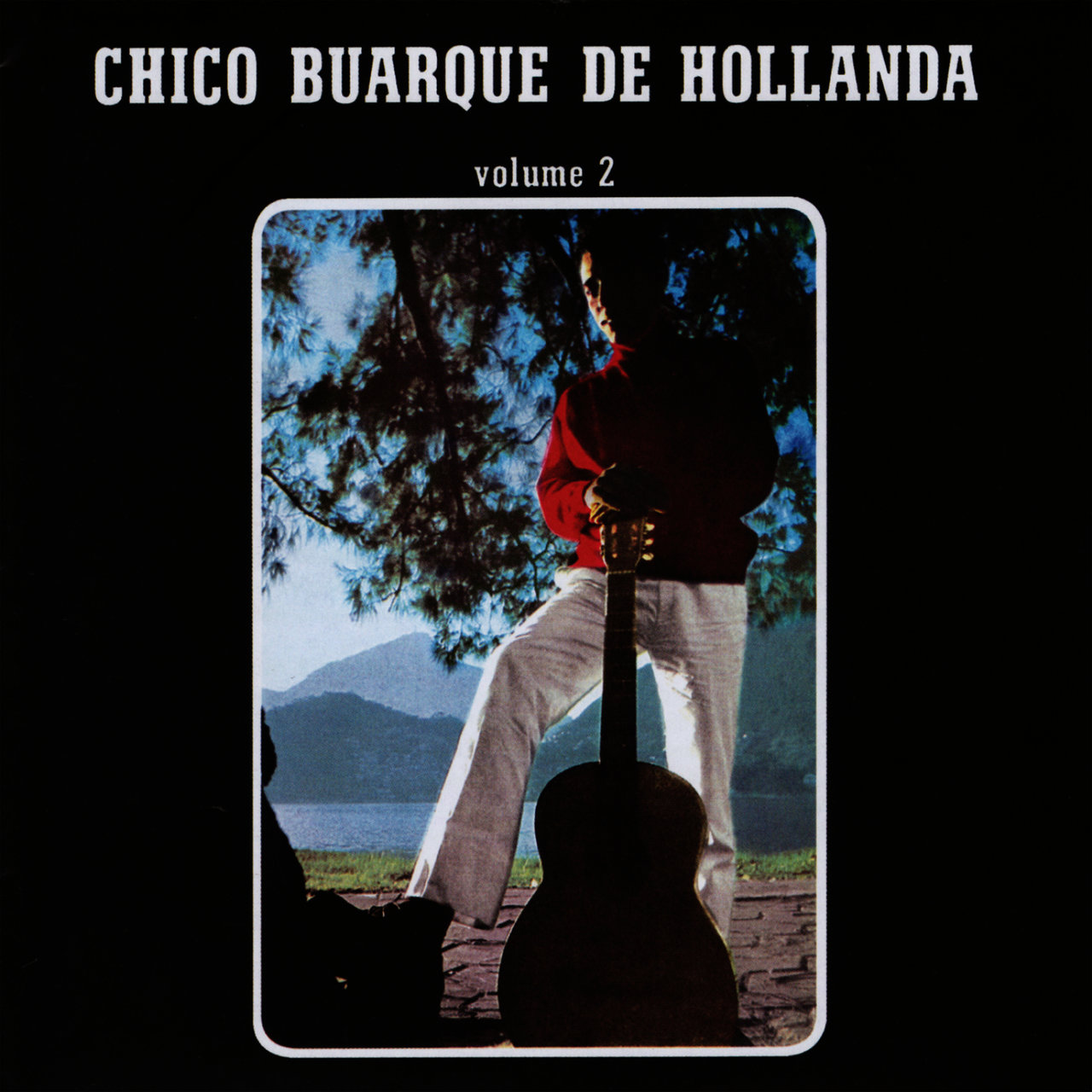
The album Chico Buarque de Hollanda, Volume 2 was released by the RGE record label in 1967 and featured production by Manoel Barenbein, artistic direction by Júlio Nagib, and arrangements by Antônio José Waghabi Filho, better known as Magro do MPB-4. The recording was done in monophonic sound, characteristic of the era. Chico himself wrote the LP's liner notes, where he comments on the recording process, indicating that the record was handled with care until the final stage. In addition to Chico's voice and guitar, the album featured the notable participation of the group Os Três Moraes on the tracks "Noite dos Mascarados" and "Com Açúcar, Com Afeto", the latter with a striking solo by Jane Moraes. MPB-4, the group of arranger Magro, also lent their voices to several other songs, enriching the vocal texture of the record. The album cover, featuring a photograph by David Zingg, is also an iconic element of this work.
Songs
Composed of 12 tracks and totalling approximately 32 minutes, Chico Buarque de Hollanda, Volume 2 presents a diverse repertoire. All songs are written by Chico, with the exception of "Lua Cheia", which is a melodic partnership with Toquinho. The album balances new creations with compositions Chico had already kept, such as "Fica" and "Será Que Cristina Volta?", demonstrating the depth of his songwriting at that time. Among the standout songs, "Noite dos Mascarados" and "Com Açúcar, Com Afeto" are examples of Chico's melodic sophistication and lyrical skill. The latter, in fact, was written from a female perspective and sensitively performed by Jane Moraes, becoming a classic. Other classics present are "Quem Te Viu, Quem Te Vê" and the aforementioned "Fica" and "Será Que Cristina Volta?". The lyrics are notable for their ability to narrate stories, explore emotions, and, at times, weave subtle social commentaries through metaphors and everyday observations.
Legacy
Chico Buarque de Hollanda, Volume 2 was an album that solidified Chico Buarque's reputation as one of MPB's most important composers. Although one critic points to it as 'the most forgotten of Chico Buarque's Discography', it contains 'very good tracks', highlighting the consistent quality of the artist's work. The record received positive reviews from specialised publications, such as All Music Guide and The Encyclopedia of Popular Music, which awarded it 4 out of 5 stars. Over the years, the album maintained its relevance and was re-released on CD in 2001, as part of Universal's 'Construção' box set, attesting to its continuous importance in the artist's oeuvre. Its songs, such as "Quem Te Viu, Quem Te Vê" and "Com Açúcar, Com Afeto", remain in the popular imagination and the repertoire of various performers, ensuring the perennial nature of its influence on Brazilian music.
Tracks
Credits
Julio Nagib, Manoel Barenbein
Chico Buarque
Videos
Chico Buarque | Chico e o Carnaval: Liberdade e transgressão no Volume 2
Pitadas do Sal
Films

Chico Buarque - Roda Viva
2005
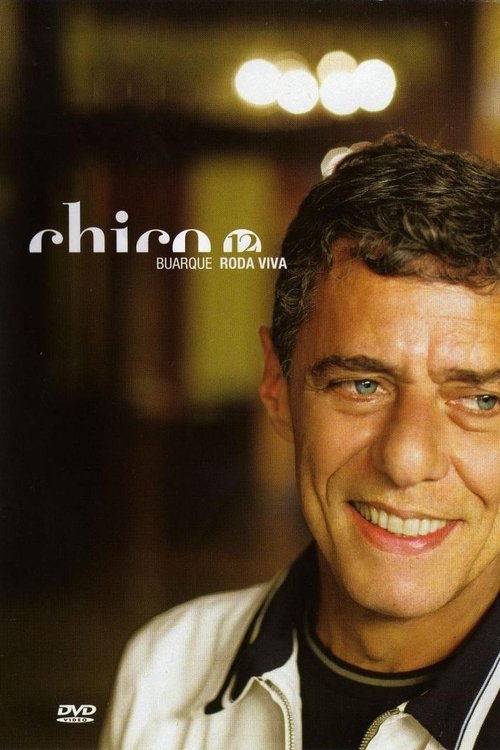
The 1960s were very eventful. Cultural changes, such as the behavioural revolution, political unrest, and the gears of the entertainment industry, form the backdrop for this twelfth DVD in the retrospective series on Chico Buarque's work, which focuses on the beginning of the composer's career. The images show celebrated live performances of A Banda (1966), Disparada (1966), Roda Viva (1967), Alegria, Alegria (1967), and Sabiá (1968). All of this is commented on by Chico himself.
Chico Buarque - Saltimbancos
2005
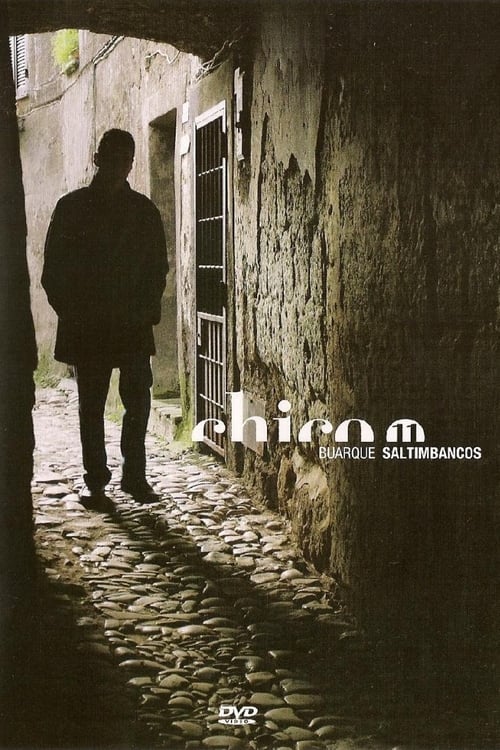
"Saltimbancos", a box set from the retrospective series on Chico Buarque's work, explores the composer's relationship with the world of children. The DVD features Chico's adapted soundtrack for the musical Os Saltimbancos, an essential in any home with children. Discover the creative process of one of Brazil's most important artists!
Chico Buarque - Cinema
2005
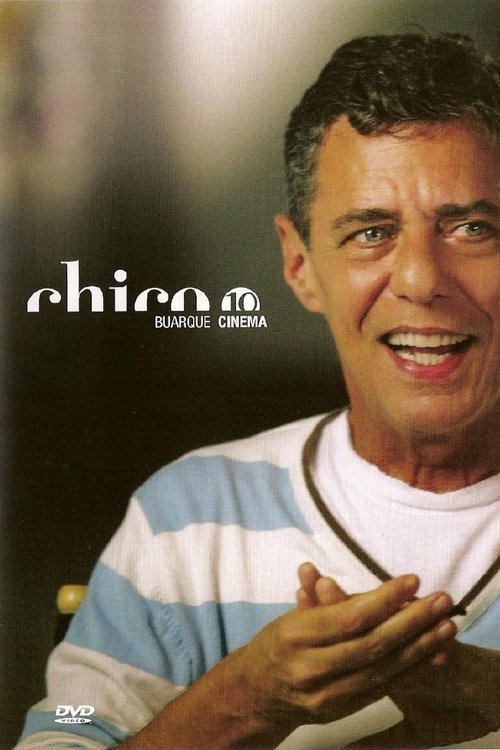
The unforgettable magic of film songs, forever etched in memory alongside the films, is the theme of this tenth DVD in the series dedicated to the work of composer Chico Buarque. Recorded in the picturesque town of Paraty, the DVD reveals the composer's fascination with cinema and the art of composing for the screen. Chico talks about his involvement in various films and his teenage idols, such as Marlon Brando and Jeanne Moreau. And he sings Ela Faz Cinema, composed especially for the series.
Chico Buarque - O Futebol
2005
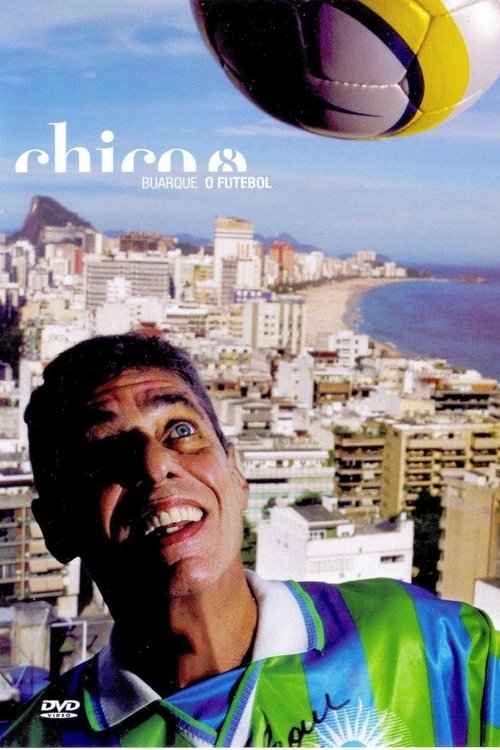
Chico Buarque's passion for football is only rivalled by his connection to music, and sometimes it even takes precedence. In this eighth DVD of the retrospective series on his work, Chico reminisces, at the Maracanã stadium, about great players and poignant moments in Brazilian football, such as the defeat to Uruguay in the 1950 World Cup final. At Confeitaria Colombo in Rio, he performs sambas that speak of football, and on an informal football pitch in Barra da Tijuca, he receives a visit from idols Pagão and Pelé. The DVD shows the artist playing football in the cities of Santos, Rio, Lisbon, Barcelona, Paris, and Budapest, and also features a selection of memorable plays and goals from stars like Pelé, Garrincha, Ronaldo, and Ronaldinho. It also presents a meeting with Ronaldinho in Barcelona, where the subject, naturally, was music and football.
Chico Buarque - Romance
2015
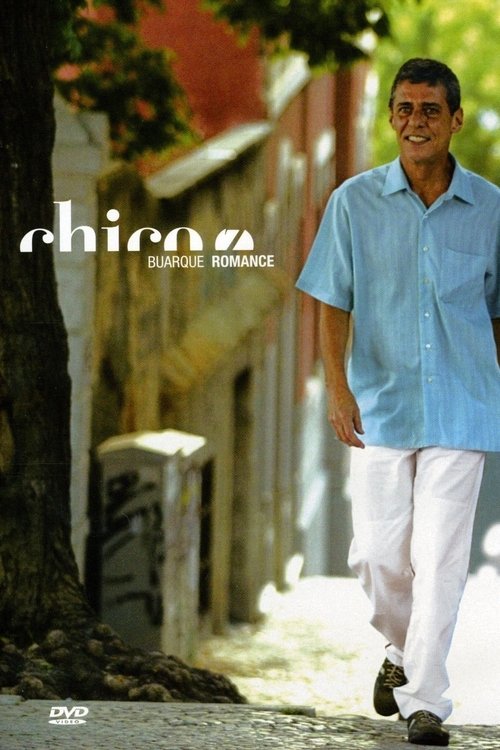
Love songs are very common in Brazilian music and also in the work of Chico Buarque. Recorded in Paris, this seventh DVD in the retrospective series of the composer's work presents hits like 'Eu Te Amo', 'Atrás da Porta', 'Futuros Amantes', and 11 more songs, featuring Elis Regina, Daniela Mercury, and Edu Lobo. Chico walks through the intimate streets of the French capital and talks about the nature of romantic feelings. He confesses his joy at having inspired romances and observes that while our grandparents' generation resorted to poems for seduction, today couples exchange song lyrics like 'texts'. He talks about 'piropos', which are verses crafted to win over a beloved woman, and says that Vinicius was a master of the genre. To illustrate, Chico composed the song 'Outros Sonhos', a beautiful 'piropo', especially for this DVD.
Analyses
Chico Buarque de Hollanda, Volume 2 – Wikipedia
Wikipedia, the free encyclopaedia
Aquela Musica Apresenta "Chico Buarque de Hollanda - 1967 (Volume 2)"
aquelamusica.com
Chico Buarque de Hollanda - Volume 2 is Chico Buarque's third album, being his second solo record. Released in 1967 by RGE and distributed by RCA, the LP features 12 songs, totalling approximately 32 minutes of playback.