Chico Buarque de Hollanda Volume 3
Chico Buarque
1968

Rankings
Why This Album Matters
Released in May 1968, Chico Buarque de Hollanda Volume 3 represents a crucial moment in the discography of one of Brazil's greatest poets and composers. On this album, Chico Buarque consolidates his mastery in intertwining sophisticated melodies with deeply sensitive lyrics, flowing seamlessly between the romantic, the everyday, and the social. The record is a window into the evolution of his style, which, although still rooted in bossa nova and samba, already demonstrated a growing harmonic and thematic complexity that would come to define MPB.
Context
The year 1968 in Brazil was one of intense cultural and political effervescence, marked by the tightening grip of the military dictatorship and increasing repression. Chico Buarque was already a prominent figure in the music scene, having achieved great success at festivals and with his previous albums. This turbulent context found an echo in his work, which, with subtlety and intelligence, began to weave critiques and reflections on Brazilian reality, often in veiled forms to circumvent censorship. The album emerged amidst this atmosphere of unrest and creativity, shortly before Chico Buarque's exile and the intensification of his politically engaged output.
Recording
The recording of Chico Buarque de Hollanda Volume 3 was carried out under the aegis of the RGE record label, with artistic direction by Julio Nagib and coordination by Roberto Colossi. The arrangements and conducting were handled by maestro Lindolfo Gaya, whose collaboration was fundamental to the album's characteristic sound. The album's technical specifications also highlight important special guest appearances that enriched the tracks: Toquinho lent his voice to "Desencontro", the group MPB-4 contributed vocals to "Roda Viva", and Cristina Buarque, the composer's sister, made a vocal appearance on "Sem Fantasia". The RGE Orchestra also participated, adding grandeur to "Tema Para 'Morte e Vida Severina'".
Songs
The album features twelve tracks that have become MPB classics, demonstrating Chico Buarque's compositional versatility. Among them, "Retrato em Branco e Preto" stands out, an timeless collaboration with Tom Jobim, which became one of the most revered samba-canções. "Roda Viva", besides being one of the album's major successes, gave its name to Chico Buarque's eponymous play, which would cause great repercussion and problems with censorship. Songs like "Carolina", "Ela Desatinou" and "Sem Fantasia" reveal the composer's romantic and melancholic poetics. There is also a more dramatic and social character in "Funeral de um Lavrador" and "Tema Para 'Morte e Vida Severina'", both with lyrics based on the work of João Cabral de Melo Neto, which had already been presented on the soundtrack of the play "Morte e Vida Severina". The diversity of themes and lyrical richness make each song a small masterpiece.
Legacy
In the year of its release, Chico Buarque de Hollanda Volume 3 achieved notable commercial success, reaching the top position on Cashbox magazine's charts in Brazil. The album not only solidified Chico Buarque's reputation as one of MPB's leading names, but also marked a turning point in his career, signalling a growing immersion in social and political themes, albeit veiled ones. The song "Roda Viva" transcended the record and became the epicentre of a controversial play that openly challenged the dictatorship's censorship, which led Chico into exile in 1969. The album's impact lies not only in its individual successes, but in how it paved the way for Chico Buarque's more engaged and defiant phase, serving as a link between his more romantic period and the protest works that would establish him as an icon of Brazilian cultural resistance.
Tracks
Credits
Lindolfo Gaya
Julio Nagib
Chico Buarque De Hollanda
Cristina Buarque, MPB4, Toquinho
Chico Buarque De Hollanda
Benil Santos
Roberto Colossi
Films

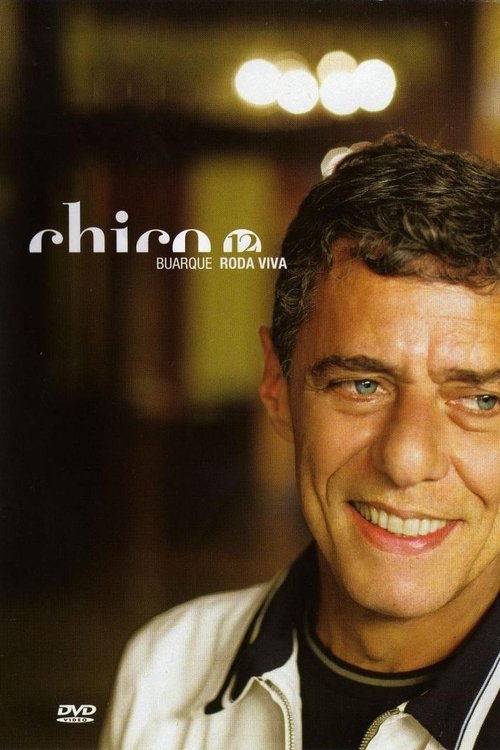
Chico Buarque - Roda Viva
2005
The 60s were very turbulent. Cultural changes, such as the behavioural revolution, political unrest, and the cogs of the entertainment industry, form the backdrop for this twelfth DVD in the retrospective series of Chico Buarque's work, which focuses on the beginning of the composer's career. The images show live acclaimed performances of A Banda (1966), Disparada (1966), Roda Viva (1967), Alegria, Alegria (1967), and Sabiá (1968). All commented on by Chico himself.
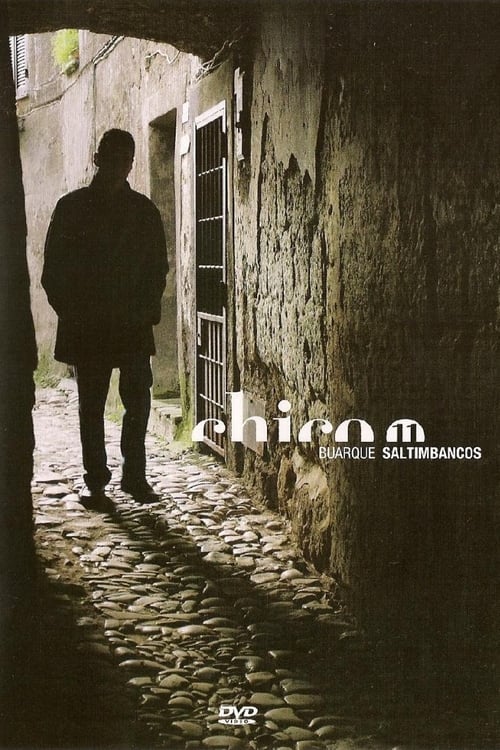
Chico Buarque - Saltimbancos
2005
"Saltimbancos", a volume from the retrospective series of Chico Buarque's work, explores the composer's connection with the world of children. The DVD features the soundtrack, adapted by Chico, from the musical Os Saltimbancos, which is indispensable in any home with children. Discover the creative process of one of Brazil's most important artists!
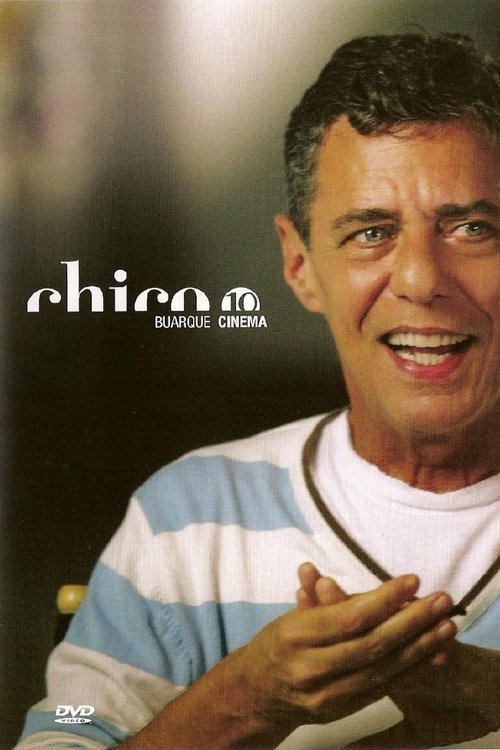
Chico Buarque - Cinema
2005
The unforgettable magic of film songs, forever etched in memory along with the films, is the theme of this tenth DVD in the series dedicated to the work of composer Chico Buarque. Recorded in the picturesque town of Paraty, the DVD reveals the composer's fascination with cinema and the art of composing for the screen. Chico talks about his participations in several films and about his teenage idols, such as Marlon Brando and Jeanne Moreau. He also sings Ela Faz Cinema, composed especially for the series.
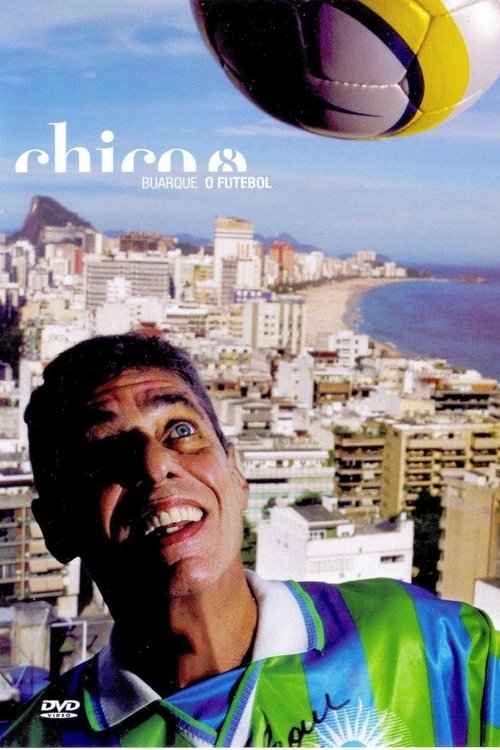
Chico Buarque - O Futebol
2005
Chico Buarque's passion for football is rivalled only by his connection to music, and sometimes it even takes precedence. In this eighth DVD of the retrospective series of his work, Chico reminisces, at the Maracanã stadium, about the great stars and moving moments of Brazilian football, such as the defeat to Uruguay in the 1950 World Cup final. At Confeitaria Colombo, in Rio, he performs sambas that speak of football, and on an informal football pitch in Barra da Tijuca, he receives a visit from idols Pagão and Pelé. The DVD shows the artist playing football in the cities of Santos, Rio, Lisbon, Barcelona, Paris, and Budapest, and also features a selection of memorable plays and goals from stars such as Pelé, Garrincha, Ronaldo, and Ronaldinho. It also presents an encounter with Ronaldinho in Barcelona, where the subject, as expected, was music and football.
Chico Buarque - Romance
2015
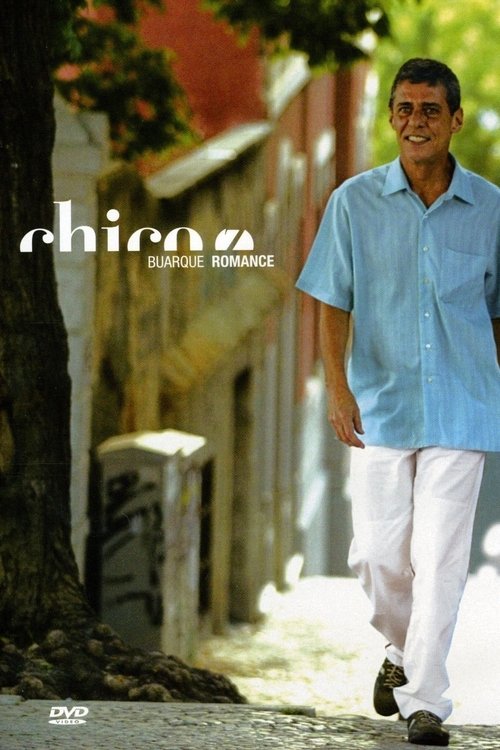
Love songs are very common in Brazilian music and also in the work of Chico Buarque. Recorded in Paris, this seventh DVD in the retrospective series of the composer's work features hits such as 'Eu Te Amo', 'Atrás da Porta', 'Futuros Amantes' and 11 more songs, with participations by Elis Regina, Daniela Mercury, and Edu Lobo. Chico walks through the intimate streets of the French capital and talks about the nature of romantic feelings. He confesses his joy at having inspired romances and observes that if our grandparents' generation resorted to poems to seduce, today couples exchange song verses as 'texts'. He talks about 'piropos', which are verses made to win over the beloved woman, and says that Vinicius was a master of the genre. To illustrate this, Chico composed the song 'Outros Sonhos', a beautiful 'piropo', especially for this DVD.
Books
O que não tem censura nem nunca terá
Márcio Pinheiro · 2024
This book examines Chico Buarque's career during the military dictatorship in Brazil (1964-1985). With the album 'Chico Buarque de Hollanda Volume 3' released in 1968, the work offers crucial context regarding the artist's output and issues of censorship and expression at the time, making it highly relevant for understanding this specific period of his discography.
Chico Buarque Para Todos
Regina Zappa · 2016
The first biographical profile of one of Brazil's greatest creators. The book chronicles Chico Buarque's life and career, based on extensive interviews conducted in 1999, covering his entire artistic journey up to that point. It is the most comprehensive and authoritative biography of the artist.
Analyses
Chico Buarque de Hollanda Volume 3 – Wikipedia
Wikipedia, the free encyclopaedia
Album: Chico Buarque de Hollanda, Volume 3. Artist/Band: Chico Buarque ...
staimusic.com
Chico Buarque de Hollanda, Volume 3, released in 1970, is the third studio album by Brazilian musician Chico Buarque, a pivotal figure in the Música Popular Brasileira (MPB) movement.
Chico Buarque de Hollanda - Volume 3 (Vinil 1968) | A Voz Do Vinil
avozdovinil.com
Chico Buarque de Hollanda - Volume 3 is the third LP by the master of Música Popular Brasileira (MPB), released in 1968 by RGE Discos. This album captures Chico at a moment of full artistic maturity, blending his lyrical and sophisticated poetry with the political and social context of the time.